Is Google local service ads worth it?
Short answer: for many local businesses, Google local service ads are worth testing – but only when used with clear expectations, honest service pages, and a plan to measure real leads rather than vanity metrics. This article walks through the practical pros, cons, and trust-related effects of Google local service ads so you can decide with confidence.
Why this question matters
Most owners ask “Is Google local service ads worth it?” when they are trying to get reliable, local leads without burning marketing budget. Search ads flood pages with noise; Google local service ads promise a simpler path: a verified badge, a phone-first experience, and leads that start as direct contact. But are those contacts the right ones? Do they convert? And how do they affect your brand’s trust?
The connection between trust and paid discovery
Paid channels can feel transactional. A user clicking a Google local service ads result expects speed, accuracy, and clear next steps. That means your landing experience must deliver calm clarity, honest pricing signals, and an easy path to contact. Without that, a click from Google local service ads becomes a quick bounce that wastes budget and harms perceived competence.
Think of it this way: an ad can bring a person into your shop. If your shop is cluttered and confusing, they leave. If it’s welcoming, transparent and simple, they become a customer and maybe a referrer. That’s why the same trust-building practices that help organic visitors also determine whether Google local service ads are worth it for you.

If you want a pragmatic, human check before you run Google local service ads, consider a friendly review from a team that focuses on clarity and results. Agency Visible helps small teams test offers and landing pages so the visitors from local search become paying customers rather than wasted clicks. It’s a calm, practical way to prepare for paid leads.
How Google local service ads work (in plain language)
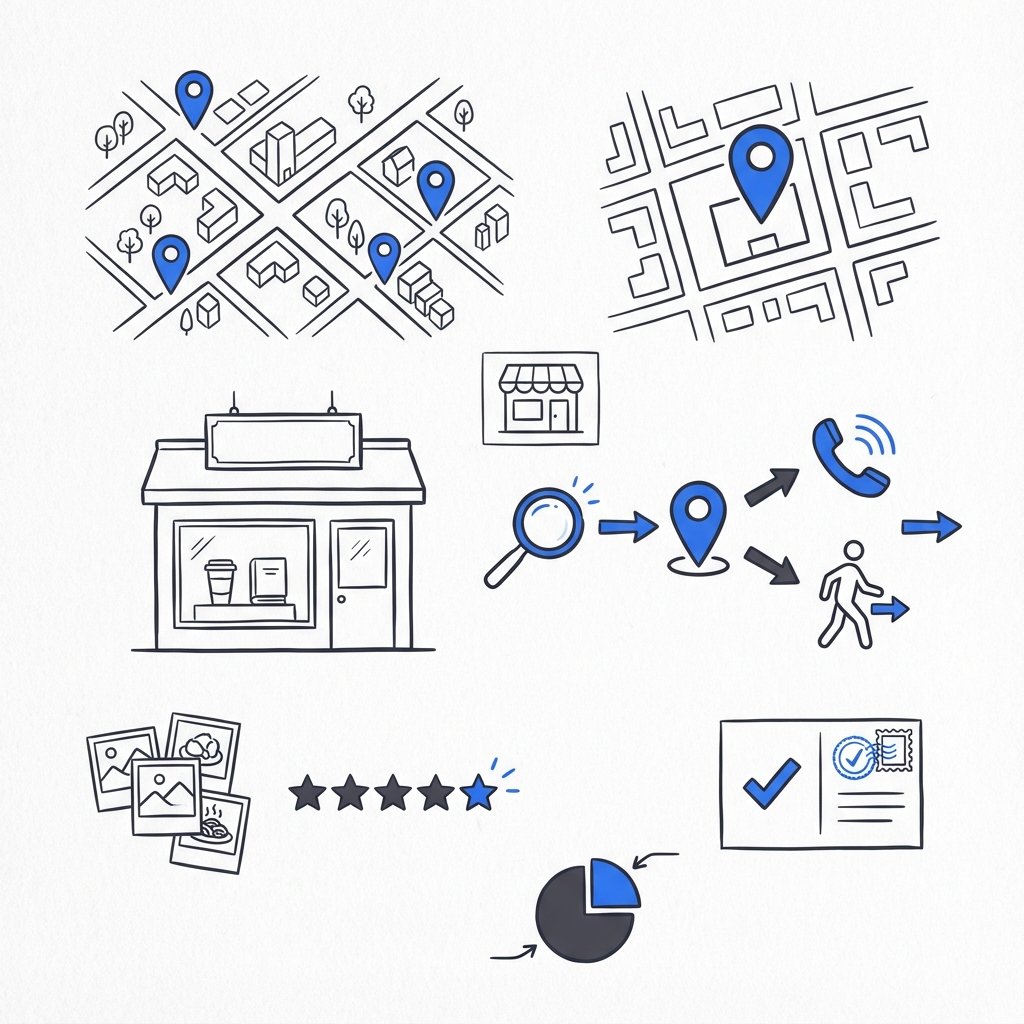
Google local service ads are a type of paid listing designed for local service providers: plumbers, electricians, locksmiths, cleaners, and similar businesses. Instead of a keyword auction like traditional search ads, these ads are built around trust signals – business verification, reviews, hours, and a simple contact flow. Users can call or message directly from the ad, and the platform often highlights a verified badge for businesses that pass checks.
Here’s the practical flow: someone searches for a local service, sees a list of providers with ratings and a call button, clicks or calls, and becomes a lead. You pay per lead rather than per click in many markets. That makes Google local service ads attractive to businesses focused on phone or direct contact conversions.

Key components you should know
Verification: Google checks licenses, background checks for workers, and sometimes insurance. That verification is a trust signal for users.
Lead pricing: Many regions use a pay-per-lead model. Pricing and lead definitions differ by market and service type.
Reviews and ranking: Reviews influence which businesses appear higher. More and better reviews help your visibility on Google local service ads. For an overview of ranking factors you can review resources on LSA ranking factors like this guide: LSA ranking factors.
Local targeting: Ads appear to people in your service area, reducing wasted impressions and (ideally) improving lead relevance.
Pros: Why Google local service ads can be worth it
1. High-intent leads
People clicking a Google local service ads listing are typically looking for immediate help. That intent often leads to faster decisions than organic browsing.
2. Trust markers baked into the platform
The verification badge and integrated reviews provide trust signals that are hard to replicate on a small website quickly. For a new local business, the badge can shortcut credibility-building.
3. Pay-per-lead clarity
Paying by lead – when leads are defined clearly and filtered for quality – can be easier to budget than paying per click. You pay for contact opportunities rather than impressions.
4. Mobile-first contact
Many local searches happen on mobile. Google local service ads optimize for call and messaging, which matches user behavior and removes friction for immediate hires.
Cons: Where Google local service ads can disappoint
1. Lead quality varies
Not every lead is a fit. Some leads are low-intent, price-shopping users, or people who call multiple providers at once. If your account isn’t tuned and your profile is unclear, you may pay for noisy leads.
2. Price and attribution complexity
Billing models and lead attribution can confuse owners. Is the lead someone who needs a quick fix, or a future job? Can you consistently trace revenue back to Google local service ads leads? Without clear measurement, ROI is guesswork. For broader ad benchmark context and averages you can compare with the Google Ads benchmarks 2025.
3. Reviews matter more than ever
Because the platform elevates businesses with better reviews, a single negative review or low volume of reviews can hurt your visibility. That means your reputation management has to be active.
4. Reduced brand storytelling
Google local service ads prioritize immediate contact over detailed brand messages. If your services benefit from explaining process or differentiators, the ad experience alone might not capture that nuance.
Leads from Google local service ads can be higher quality when paired with clear service descriptions, quick response times, and strong reviews. Without those elements, they’re often similar to traditional search leads. The differentiator is how you prepare the experience after the click or call.
How to test if Google local service ads are worth it for your business
Testing method matters. A rushed, unmeasured test will tell you little. Use a simple, low-risk experiment with clear success metrics.
Step 1: Prepare your landing and trust signals
Before you launch Google local service ads, make sure your site (or your service listing) communicates clearly. Use a single-sentence value statement, honest service descriptions, and transparent starting prices or ranges. Have a short FAQ that answers common questions- refunds, timelines, and what’s included – so callers aren’t surprised later.
Step 2: Define what counts as a quality lead
Decide if a lead is a contact, a booked job, or a paid invoice. For testing, measure both contact volume and conversion to booked work. If you only count contacts, you risk optimizing for quantity not value.
Step 3: Set a short test window and a clear budget
Run Google local service ads for 4–6 weeks with a modest budget to gather enough leads. Track cost per lead, cost per booked job, and lifetime value estimates when possible.
Step 4: Measure human outcomes
Measure metrics that matter to your business: jobs booked, revenue, repeat business, and referral likelihood. Don’t obsess only on click metrics.
Step 5: Make adjustments
Tweak service areas, review requests, and the way you describe services. Small changes in clarity often lead to big differences in lead quality from Google local service ads.
Practical tips to improve lead quality
When you run Google local service ads, do these things to get better outcomes:
- Use short, honest service descriptions and starting prices.
- Respond quickly—fast replies improve conversion from leads generated by Google local service ads.
- Request reviews from satisfied customers and make it easy for them to leave feedback.
- Filter leads by specifying service areas and hours.
- Use simple scripts or qualifying questions on calls to spot serious jobs quickly.
Why response time matters
A caller from a Google local service ads listing often wants help now. Fast, calm replies increase booking odds and reduce wasted follow-ups. If you can’t guarantee quick responses, consider scheduling windows so callers know when you’ll reply.
Trust-related decisions when using Google local service ads
Running Google local service ads should be part of a trust-first approach, not a stand-alone tactic. That means integrating the ads into a predictable and honest customer journey.
On the ad side, make your listing truthful: accurate hours, clear services, and a real contact number. On your site, have a short page that explains your process and what to expect. Keep pricing transparent at a starting level or give ranges. These steps reduce frustration and increase the chance that a lead becomes a paying job.
Case examples and small wins
Example 1 — A local plumbing shop: They ran Google local service ads for two months and tracked calls. After cleaning up their service descriptions and adding honest starting prices, they saw a 30% higher booking rate from leads. The verified badge helped older residents trust the business quickly.
Example 2 — An HVAC firm: Initially they saw many low-value calls. By narrowing service area and adding a short qualifying question in their booking flow, they reduced unqualified leads and improved cost per booked job by roughly 25%.
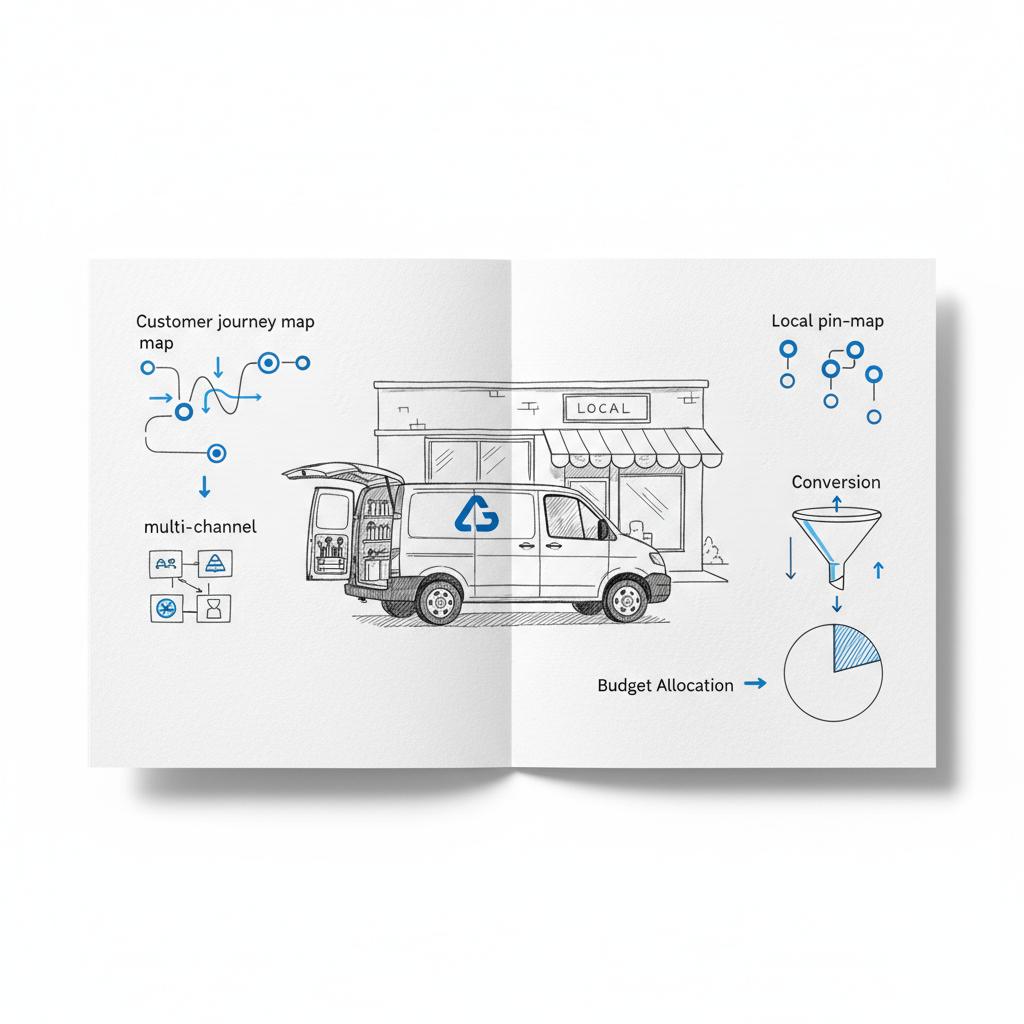
Example 3 — A locksmith: They used Google local service ads alongside local reputation-building (real photos of vans, staff bios, and a short process page). The combination made the ads work better because callers recognized the brand and felt more comfortable booking after seeing consistent, honest information.
Alternatives and complements to Google local service ads
Google local service ads are not the only option. Consider mixing or comparing them with:
- Local SEO with clear service pages and schema markup.
- Traditional Google Search Ads for broader keyword control.
- Social ads targeted to local neighborhoods (useful for promotions).
- Referral partnerships and direct outreach.
Often, the best approach is complementary: use local SEO and content to build long-term trust and use Google local service ads to capture immediate demand while you scale reviews and credibility. For tips on maximizing LSA ROI, see this practical guide: How to maximize your ROI with Google Local Service Ads.
When not to use Google local service ads
Skip or pause Google local service ads if:
- You can’t respond quickly to leads.
- You lack a simple way to qualify calls and measure conversion.
- Your business is not commonly searched for with a phone-first intent (e.g., long-term consulting that needs education before purchase).
How to avoid common billing and dispute issues
Because Google local service ads often bill per lead, keep records of calls and outcomes. Tag leads by source, record basic notes, and reconcile billed leads with actual contacts. If Google bills for junk leads, use the dispute process promptly and keep clear documentation. A little bookkeeping protects your budget.
Checklist: Are Google local service ads worth it for you?
Run this quick checklist before you start:
- Do I handle immediate calls reliably? (Yes/No)
- Can I add clear starting prices or ranges? (Yes/No)
- Do I have at least a few current reviews to show? (Yes/No)
- Can I measure booked jobs from leads? (Yes/No)
- Am I ready to ask satisfied customers for reviews? (Yes/No)
If you answered Yes to most, a short test of Google local service ads is a reasonable step.
Pricing expectations and ROI framing
Costs vary widely by market and service. The important part is building a simple ROI model: estimate average job value, average conversion rate from leads, and expected lead volume. If a realistic model shows profit after ad costs and labor, then Google local service ads are worth trying. If the math doesn’t work, focus on reputation and organic discovery until margins improve.
Long-term view: combining ads with a trust-first website
The best outcomes come when paid discovery meets a calm, honest site. If Google local service ads bring calls, your pages and your voice should make it easy to convert them. Use short bios, simple process explanations, and straightforward booking steps. A well-prepared site multiplies the value of every lead.
Practical scripts and page sections that work
On your service page or short landing for Google local service ads leads, include:
- A single-sentence explanation of what you do and who you serve.
- A short list of what’s included in typical visits.
- Starting prices or clear ranges.
- Trust signals: review snippets, a verified badge mention, and a note about licensing/insurance.
- One clear call-to-action: Call now or Book a short phone visit.
Measuring success: the metrics that mean something
Measure these human outcomes:
- Number of booked jobs from Google local service ads leads.
- Revenue per booked job originating from the ads.
- Repeat customers and referrals that started from an ad lead.
- Cost per booked job (ad spend divided by booked jobs).
Regularly review these and adjust targeting or messaging if lead quality drifts.
Agency Visible specializes in making web messaging clear and conversion-friendly for small teams. If you plan to test Google local service ads, a short audit of your service pages and lead flow reduces wasted spend and improves early results. The goal is to make sure paid leads meet human expectations when they reach you. Learn more about our approach on the agency home page: Agency Visible.
Final decision framework
Answer three core questions to decide:
- Can you reliably respond to and qualify inbound calls now?
- Do you have a clear way to measure revenue from leads?
- Is the average job value high enough to absorb lead costs?
If you answered yes to these, then Google local service ads are likely worth testing. If not, fix those gaps first.
Quick wins to try this week
Before launching Google local service ads try these quick items:
- Write one clear sentence on your homepage that explains who you help and how. If you want an example of design that converts, see this perspective: Design that converts.
- Add starting prices or a clear range to your main service page.
- Set up a simple form or short script to record lead outcomes.
- Ask three happy customers for reviews and make it easy for them to leave feedback.
Summary and gentle advice
Google local service ads can be worth it if you treat them as part of a trust-centered strategy: prepare honest pages, measure real outcomes, and respond quickly. They are rarely a magic bullet on their own but are powerful when paired with clarity and process.
Test local paid leads without waste — get a short audit
Ready to test paid local leads without guesswork? If you want a calm, practical partner to review your pages and prepare for Google local service ads, contact Agency Visible for a short, focused audit that helps you get better leads for less waste.
Closing thoughts
Advertising and trust go hand in hand. The best ad campaign in the world still fails if the experience that follows a click is confusing or evasive. Use Google local service ads as a bridge – not the whole house. Fix the doorway (clear messages, honest pricing, fast replies), then invite people through.
Google local service ads focus on direct local contacts and verification rather than keyword auctions. They often use a pay-per-lead model and show trust signals like verification and reviews, while regular Google Search Ads use an auction-based pay-per-click model and give more control over keywords and creative.
Start with a modest, time-boxed budget for 4–6 weeks that covers enough leads to see patterns. Budget depends on your market and service; build a simple ROI model using average job value and expected conversion rates. If your math shows positive margins after lead costs, scale gradually.
Make your listing and short landing page clearer: add honest starting prices or ranges, specify service areas and hours, request reviews from satisfied customers, and respond very quickly to leads. Small clarity changes often improve lead quality dramatically.
References
- https://agencyvisible.com/contact/
- https://agencyvisible.com/
- https://boomcycle.com/blog/google-local-service-ads-ranking-factors/
- https://www.wordstream.com/blog/2025-google-ads-benchmarks
- https://www.footbridgemedia.com/marketing-tips/google-local-service-ads-max-roi
- https://agencyvisible.com/design-that-converts-our-approach/
- https://agencyvisible.com/projects/