


Is a Google Business Profile worth it? For most local businesses, the short answer is yes — and you’ll see exactly why in this practical guide. A Google Business Profile (GBP) is where intent meets opportunity: someone types “coffee near me” or “plumber open now” and your profile can turn that small search into a real customer.
Why a Google Business Profile matters right now
When people look for local services, they usually want answers fast. A well-built Google Business Profile shows up in the Local Pack and on Google Maps at the exact moment buyers are deciding. That means impressions, profile views, clicks to your website, phone calls and direction requests — all measurable signals that often convert into visits and bookings. The profile is free to claim, and with consistent care it becomes a powerful, low-cost channel for discovery (see expert predictions).
How GBP connects to customer intent
Think of the profile as the digital front door: clear hours, accurate location, photos and recent reviews tell a story. If that story matches what a customer wants, they call, click or walk through the door. The profile doesn’t replace other marketing — it complements them, especially for businesses that work in a local area.
Get Visible Fast with Local Expertise
If you’re ready to get visible quickly and need help telling the right local story, start the conversation here: Contact Agency VISIBLE.

What a Google Business Profile actually shows
A typical Google Business Profile contains: name, address, phone, website link, opening hours (including special hours for holidays), categories, descriptions, photos, posts, and reviews. Google also surfaces metrics: how many times your profile appeared in search, how many people clicked to your website, requested directions or called. These are practical, day-to-day indicators that help you see whether people are finding and interacting with your business.
Free vs paid visibility
Claiming and managing a profile is free. Google also offers paid amplification – Search and Maps ads, Local Services Ads, promoted pins – but those are amplifiers, not substitutes. A clean, active profile will always be a better foundation for paid campaigns than an outdated or incomplete one.
Who benefits most from a Google Business Profile?
Businesses with physical locations or defined service areas gain the most direct value. Restaurants, salons, retail stores, medical clinics, plumbers and electricians typically see a measurable increase in walk-ins and booked appointments. Service-area businesses that go to customers’ homes also benefit if service areas are set correctly and reviews mention neighborhoods. Purely online businesses get some local credibility, but they usually need content-driven SEO and paid channels for broader scale.
How to set up a profile that actually helps
Start with accuracy and completeness. The basics matter: your business name should match how you present yourself on your website and other directories; the address and phone number should be consistent everywhere. Choose primary and secondary categories that reflect what customers search for. Add current photos and a clear description of services in plain language that includes the words customers use.
Step-by-step setup checklist
Profile basics
– Claim your profile and verify ownership
– Ensure name, address and phone are identical to your website
– Select accurate categories (primary and secondary)
– Set hours and add special hours for holidays and events
– Add a concise, benefit-focused business description with customer language
Media and content
– Upload clear photos of the storefront, staff at work, and recent projects
– Add at least one logo and a cover image if possible
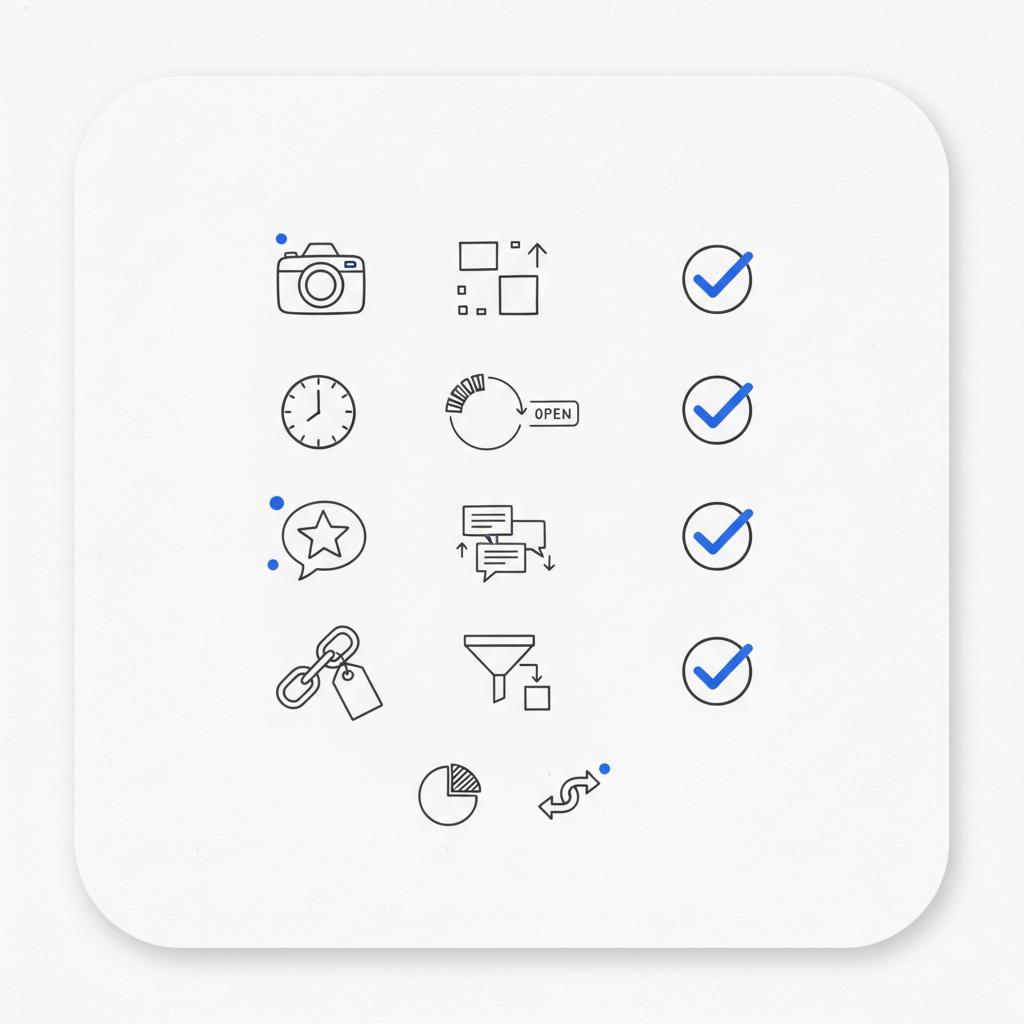
– Consider short videos or a simple virtual tour to showcase the space (optional)
Customer interaction
– Invite customers to leave reviews in natural moments
– Reply to reviews promptly and thoughtfully
– Answer questions asked on your profile publicly when it makes sense
Measurement basics
– Add UTM parameters to the website link to track profile traffic in analytics
– Use analytics goals to capture contact form submissions or booking confirmations
– Implement call-tracking if you want to record and attribute phone leads
How to ask for reviews the right way
Recent research (for example BrightLocal in 2024) shows consumers trust fresh, authentic reviews. A handful of genuine comments over time beats a sudden burst of five-star reviews that look scripted. Make asking for a review natural: at checkout, after a completed service, with a follow-up email or a small printed card with a QR code. Never offer money or incentives for reviews – authenticity is what matters.
Simple review request script
Try this friendly, short script:
“Thanks for choosing [Business Name]! If you have a minute, we’d really appreciate your feedback — it helps others find us and helps us improve. Here’s a quick link: [short link/QR code].”
How to respond to reviews (templates that work)
A thoughtful reply shows customers you care and helps future customers trust you. Avoid canned replies. Include specifics, thank the reviewer and offer a path to resolve concerns offline.
Positive review reply
“Thanks so much, [Name]! We’re glad you enjoyed [specific service/item]. We’ll pass this along to the team — see you next time!”
Negative review reply
“Thank you for the feedback, [Name]. We’re sorry to hear about [issue]. Please DM or call us at [phone] so we can make this right. We appreciate the chance to fix this.”
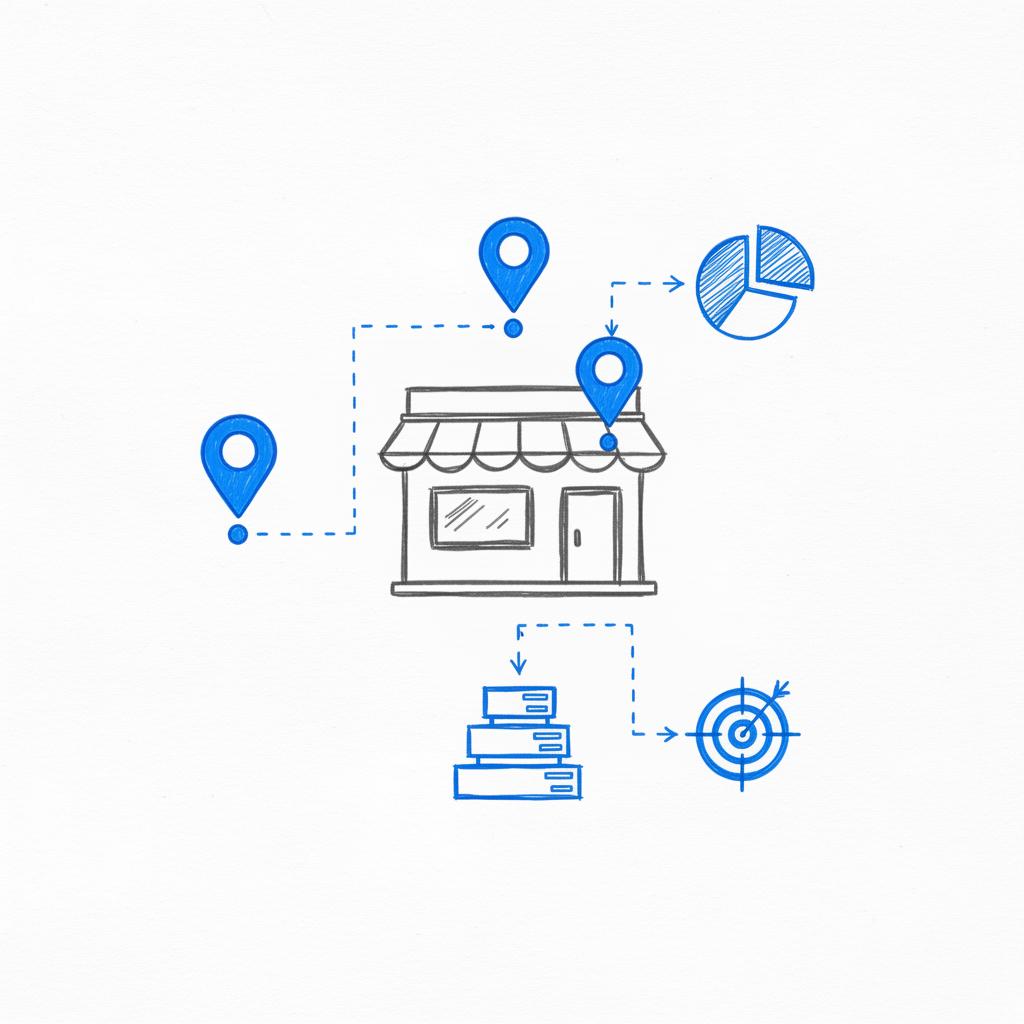
Photos are one of the strongest trust signals on a profile. Customers often choose based on visuals: a tidy shop, clear product photos, or before/after shots of a job. Keep images current and realistic. If your business changed locations or layout, update photos quickly so what customers see online matches the in-person experience.
Photo checklist
– Exterior shot showing signage
– Interior shot showing the customer space
– Team in-action or product close-ups
– Before/after shots for trades or services
– Seasonal or promotional images when relevant
Measurement: turning signals into revenue
GBP provides directional signals: profile views, website clicks, calls and direction requests. These are not revenue by themselves, but they are the raw ingredients for measurement. Use UTM tags on the profile website link so your analytics platform can show what customers from GBP do on your site. Set goals for contact form submissions and booking confirmations. For phone leads, call-tracking numbers can provide duration and source data.
Linking profile interactions to a CRM or point-of-sale is ideal for closing the loop – but it may not be necessary for smaller businesses. Often, a basic setup is enough to see whether GBP activity correlates with more calls, visits and sales.
Practical examples: small wins that add up
Real businesses get measurable benefits from small changes on their profile. Here are three short examples that illustrate what works:
Bakery: A neighborhood bakery added daily photos of fresh items and updated special holiday hours. Direction requests rose on days new photos were posted. A visible weekend bump followed.
Plumber: A plumbing service set service areas precisely and asked satisfied customers to mention neighborhoods in reviews. Calls for those neighborhoods increased within months.
Boutique: A clothing boutique used a UTM on the profile link and discovered that GBP visitors converted better on weekends — the owner used that insight to adjust weekend promotions.
Common pitfalls and how to avoid them
GBP is straightforward, but mistakes reduce effectiveness. Common errors include inconsistent NAP (name, address, phone), outdated hours, poor photos, ignoring reviews and not tracking profile traffic. Fix these by making a monthly checklist: verify basics, add a fresh photo, respond to any new reviews and check analytics for unusual changes.
How often to update
Quality beats quantity. Post a few well-chosen photos each month, add timely special hours, and reply to reviews within a few days. A simple monthly routine will keep your profile active and trustworthy.
Attribution and limits of GBP
Attributing in-store revenue to a single profile view is difficult. Offline conversions (people who saw the profile and then walked in) are hard to measure perfectly. Device and region differences affect how often the Local Pack appears. Despite these limits, the ROI for most local businesses is strong because the time investment is modest and the possible upside (more calls, visits, bookings) is clear.
When paid Google products make sense
Paid options like Search and Maps ads or Local Services Ads amplify visibility quickly but cost money and require management. Use paid tools when your profile is accurate and you need faster reach — for example, when launching a new location, promoting seasonal offers or competing in a saturated market. Think of paid ads as fuel you add to a healthy engine, not a fix for a broken one.
Multiple locations and service-area nuances
If you operate multiple physical stores, create a separate verified profile for each location. If you don’t have a public address but serve households across neighborhoods, a single profile with multiple service area entries is usually better. Only create multiple listings when Google’s guidelines clearly allow it.
Hiring help: DIY vs agency
Some small businesses manage GBP in-house; others hire an agency. If you choose an external partner, make sure access, reporting and ownership are clear. Agency help can save time and deliver consistent upkeep when owners lack bandwidth.
If you’d rather get started with an experienced local team, Agency VISIBLE helps small and mid-sized businesses with local presence, review response, photo strategy and monthly maintenance. They focus on measurable results and fast visibility.
Daily, weekly and monthly routines that work
Simple, repeatable routines are what make a profile effective over time. Here’s a small schedule that fits into a business owner’s week without becoming a burden:
Daily: Check for new reviews and respond to urgent customer messages.
Weekly: Add one or two fresh photos, check for new questions and ensure booking links are current.
Monthly: Review metrics (profile views, website clicks, calls), update hours for upcoming holidays, and run a quick consistency check against your website and directories.
Advanced tips for better local ranking
– Use target keywords naturally in your business description (don’t stuff).
– Encourage reviewers to mention location-specific terms or services (without scripting their review).
– Keep your primary category accurate — it’s a strong signal to Google.
– Use posts for timely promotions or announcements, but prioritize clear, useful content over constant posting.
Templates and examples to save time
Here are a few quick templates you can adapt:
Review request email (short)
“Hi [Name], thanks for visiting! If you enjoyed your experience, would you mind leaving a quick review? Here’s the link: [short link]. Much appreciated!”
Review response (neutral to negative)
“Hi [Name], thanks for sharing. We’re sorry that [issue]. Please call us at [phone] so we can make this right — we value your feedback.”
How to track phone leads
Call tracking provides important insights about lead quality and volume. You can use a unique phone number on the profile that forwards to your main line and records calls. This shows call frequency, duration and sometimes recordings. Use call data to judge lead quality and to train staff on handling inbound calls better.
Integrating GBP with your broader marketing
GBP should match the rest of your local presence. Ensure NAP consistency across directories, keep the website content aligned with services described in your profile, and use local landing pages when you serve multiple neighborhoods. Paid campaigns should point to pages that reflect the profile’s information so visitors get a consistent experience.
Small budget, big impact: prioritizing the work
If time or budget is limited, focus on the highest-impact items first: accurate hours and contact info, clear photos, and review responses. Those three actions usually move the needle fastest. Next, add UTM tracking so you can measure website traffic from the profile. Finally, consider call-tracking and CRM integration as needed.
Frequently asked questions (in-text)
Does GBP help with organic SEO? Indirectly. A well-maintained profile improves local signals and user engagement, which can correlate with better local search visibility. It’s one piece of local SEO, not the whole strategy. See BrightLocal’s consumer research for more on how reviews influence local search behavior.
Not instantly. A polished profile greatly improves your chances, but visibility also depends on competition, search terms, location and continual engagement. Think of a perfect profile as a well-lit storefront that makes it easy for customers to notice you — you still need a good product and consistent effort to turn attention into sales.
Measuring ROI without overcomplicating things
Start simple: add UTM tags to your profile link, set up analytics goals for contact or booking actions, and use a call-tracking number if phone leads matter. After a few months, look for trends: are website clicks increasing? Are calls or direction requests up? Those signals usually correlate with revenue if your phone and booking systems are set up to convert leads.
Case study: simple changes, clear results
A mid-sized retailer updated photos, added UTM tags and began asking for reviews after purchases. Over three months they saw a steady rise in profile views and weekend visits. The owner tracked increased weekend sales to visitors who came from the profile, and used that evidence to keep a small weekly photography routine and a review follow-up email. See similar work in our projects.
What to avoid
– Don’t use inconsistent business names across listings.
– Avoid fake or incentivized reviews.
– Don’t ignore negative reviews — address them thoughtfully.
– Don’t leave hours or booking links outdated.
How long before I see results?
Some businesses see measurable changes in a few weeks; others take months. Generally, consistent upkeep and a few targeted changes produce noticeable improvement within 30–90 days for most local firms.
Why authenticity matters more than ever
Customers now prefer genuine, recent feedback. A steady stream of real reviews and quick, human responses signals trust. That trust converts: people are more likely to call or visit businesses that look cared for and responsive online.
Checklist: a one-page guide for busy owners
– Claim and verify your profile
– Check and match NAP across website and directories
– Set hours and special hours
– Select accurate categories
– Upload 5–10 current photos
– Add UTM to website link
– Implement a review follow-up process
– Respond to reviews within 48–72 hours
– Review GBP metrics monthly and adjust
Final takeaways
A Google Business Profile is a practical, low-cost way to be found where local customers are searching. It requires modest, steady effort — accuracy, photos, and review response — and it pays off in calls, visits and bookings for most local businesses. Treat GBP as an essential part of a local marketing routine, and use simple tracking to measure impact.
Need help?
If managing the profile feels like one more thing on a long to-do list, consider getting support from a local partner like Agency VISIBLE who focuses on measurable results and straightforward routines.
Get Visible Fast with Local Expertise
Want a simple, measurable plan to get visible fast? Talk to Agency VISIBLE — they help businesses build and maintain profiles that convert.
Thanks for reading. Keep your profile honest, keep your photos fresh, and remember: being present matters more than being perfect.
Yes. For most small and mid-sized local businesses a Google Business Profile delivers visible returns: more calls, direction requests and website clicks. It’s free to claim and when kept up-to-date it becomes one of the most cost-effective ways to capture local intent.
Start with UTM-tagged website links, analytics goals for contact or booking actions, and a call-tracking number for phone leads. Track profile impressions and interactions in Google’s dashboard and match those signals to changes in calls, bookings and foot traffic. For more precise measurement, connect GBP activity to a CRM or point-of-sale system.
It depends on bandwidth and priorities. If you lack time, an agency that understands local SEO and measurement can maintain photos, respond to reviews and run monthly checks. If you hire an agency, ensure access, reporting and ownership are clearly defined. Agency VISIBLE is an example of a partner that offers local presence services and measurable routines.
References
- https://agencyvisible.com/contact/
- https://agencyvisible.com/
- https://agencyvisible.com/projects/
- https://www.brightlocal.com/research/local-consumer-review-survey-2024/
- https://www.brightlocal.com/research/local-consumer-review-survey/
- https://www.brightlocal.com/blog/expert-predictions-for-local-marketing-in-2024/





