Is $10 a day good for Facebook ads? A human-centered take on creative, testing and results
Every marketer has asked a version of this question: Is $10 a day good for Facebook ads? It’s tempting to reduce the answer to a single number. But the truth lives between creative, audience, and measurement – and in how you use a small budget to learn fast.
This piece blends the craft of memorable content with practical guidance on paid social. We’ll treat that core question – Is $10 a day good for Facebook ads? – as a running test case: what works, what doesn’t, and how to squeeze meaningful signals from small daily spends.

Ready to turn small tests into real learning and growth?
If you’d like a practical partner to translate tests into revenue, talk to Agency VISIBLE about a tailored $10/day test plan and creative that actually gets seen.
Start human, then fit the budget
Before you decide whether Is $10 a day good for Facebook ads? is a relevant question for your business, start with the human problem. What do you want someone to think, feel or do after seeing your ad? If the goal is a tiny learning – like whether a headline resonates – $10 a day can be a useful probe. If the goal is acquisition at scale, $10 a day usually isn’t enough.
If you prefer a guided experiment, work with Agency VISIBLE — they help small teams design fast tests that turn creative insight into better paid performance.
Agency VISIBLE often recommends a tight learning plan for early experiments.
Yes — when you design the spend as a learning experiment with clear aims, tight creative variants, and micro-conversions to measure. Treat $10/day as a probe, not a scale budget; use it to validate messages and audiences before you increase spend.
How to think about $10/day experiments
Use $10/day as an experiment budget, not a launch budget. That means:
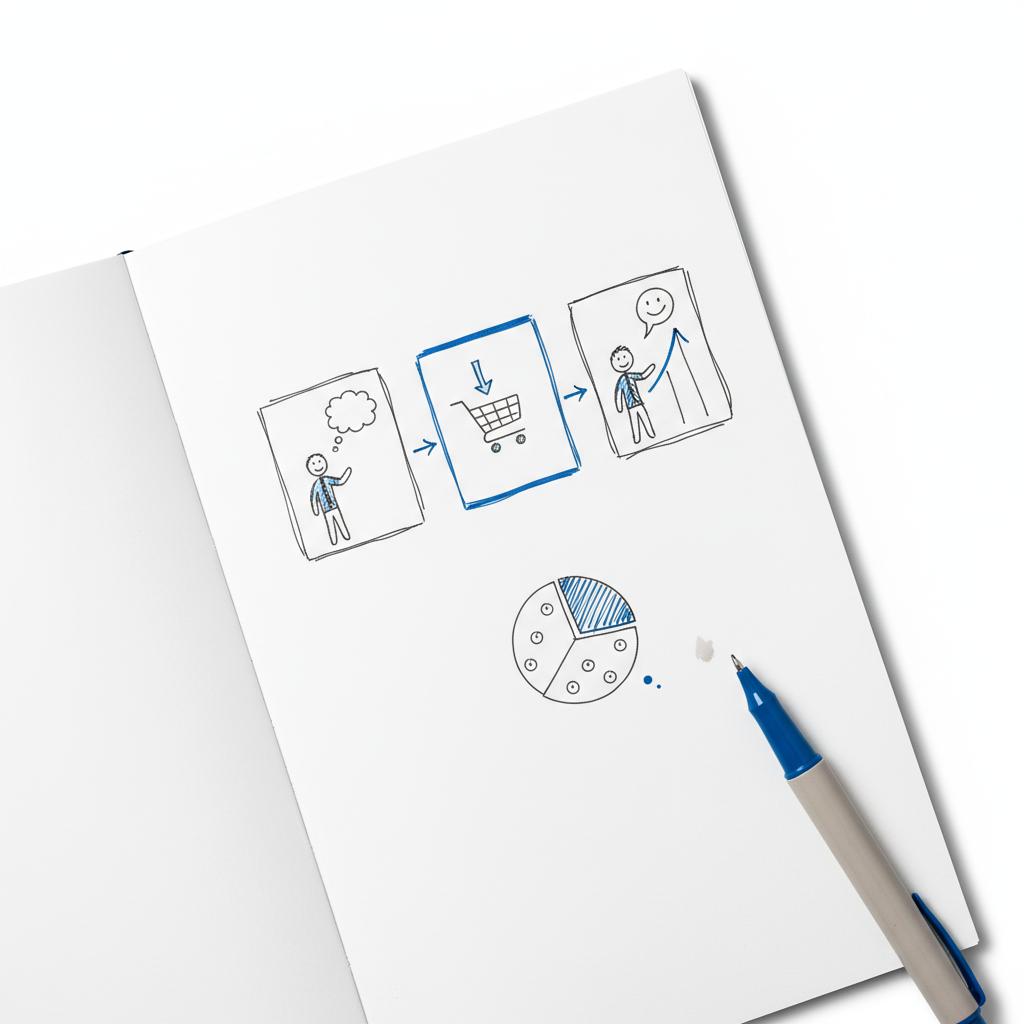
– Test one variable at a time. Try a different creative or audience each week.
– Measure signal, not final outcomes. Look for click-through rates, saves, shares, and relevance scores before you chase conversions.
– Prioritize clarity and human connection. A memorable piece of creative will outperform a bland one even on a tiny spend.
When “Is $10 a day good for Facebook ads?” is the right question
Ask this question early in these situations:
1) Creative validation: You’re testing a handful of headlines, images or short video cuts and need to know which grabs attention.
2) Audience discovery: You don’t yet know which micro-audience cares about your offer.
3) Message framing: You want to learn whether a benefit, story, or social proof resonates.
In all these cases, small daily spends can reveal directional winners. So yes – in those contexts Is $10 a day good for Facebook ads? is the right question, and the practical answer can be: yes, for learning.
What $10/day can’t do
It helps to name limits plainly. At $10 a day, you should not expect:
– Predictable scale. Reaching volume of buyers often needs higher budgets.
– Mature optimization. Facebook’s runtime learning benefits from more conversions or longer learning windows.
– Immediate profits for most offers. If your product has a long sales cycle or high cost per acquisition, $10/day will take a long time to produce meaningful sales. For context on typical ad costs, see MarketerHire’s breakdown of Facebook ad costs.
Pairing content with paid social: the memorable-content advantage
When testing small budgets, the creative matters more than ever. Memorable content stretches every dollar. Here’s how to craft ads that stick and make a $10/day test meaningful. For guidance on design principles that convert, check our design approach.
1. Start with one clear human aim
That aim should be in plain language: “teach how to do X in 60 seconds,” “show one quick proof that Y works,” or “invite one small action.” If your aim is vague, your ad will be vague-and expensive.
2. Make the first 3 seconds count
People decide quickly. For ads shown in feeds or stories, your first three seconds are crucial. Use a human scene, a sharp question, or a striking image. Say something people can feel or relate to immediately.
3. Use a single, tight story
One protagonist. One obstacle. One small step. Stories don’t need epics – short, concrete anecdotes make abstract benefits believable.
4. Give one practical next step
People respond to small asks. Instead of “learn more,” ask them to read one line, swipe to see a before/after, or watch a 15-second demo. That small step can be measured on a $10/day budget.
Designing your $10/day test plan
Here’s a simple four-week testing plan that fits a $10 a day budget and makes creative the independent variable.
Week 1 – Creative discovery: Run three creative variants to a broad but relevant audience. Keep bids low. Look for CTR and engagement signals.
Week 2 – Narrow audience: Take the top creative and try 2–3 micro-audiences: lookalikes, interest groups, and an email list segment.
Week 3 – Message tweak: Keep creative constant and test two different CTAs or value propositions.
Week 4 – Signal-to-action: If a creative-audience pair produces strong engagement, raise the budget to confirm performance and track conversions.
This plan treats the question “Is $10 a day good for Facebook ads?” as a staged inquiry: small spend but intentional structure gives you usable answers. See related examples in our projects.
Key metrics to watch on micro-budgets
When you’re spending $10 a day, focus on short-term signals that predict longer-term returns:
– Click-through rate (CTR) – Does the creative get attention?
– Engagement rate – Are people commenting, saving or sharing?
– Relevance and quality scores – Are people reacting positively or hiding your ads?
– Micro-conversions – Newsletter sign-ups, content downloads, or add-to-cart events that indicate interest even if final purchases don’t happen yet. For up-to-date benchmarks on costs and CPCs, consult Neil Patel’s guide.
Practical creative checklist for tests
– Headline clarity: Can someone understand the offer in one sentence?
– Visual simplicity: One focal image or clear 3-second moment in video.
– Human detail: A name, a small sensory image, or a micro-anecdote.
– One CTA: Don’t confuse people with multiple asks.
Common mistakes teams make with $10/day
Here are recurring errors that waste small budgets, and how to fix them.
Mistake: Running too many variables at once. Fix: Test fewer, clearer options.
Mistake: Treating CTR alone as success. Fix: Track micro-conversions and engagement quality.
Mistake: Using generic creative. Fix: Use human stories and a single clear aim.
Case vignette: from bland to human
A small subscription service ran three $10/day tests in parallel with generic product shots. Results were flat. They rewrote ads to feature one subscriber’s quick win and a concrete before/after. Engagement rose 3x, and the team identified a clear message to scale. See the kinds of work we highlight in our projects gallery.
Scaling respectfully from $10/day
When a $10/day test shows a clear winner, scale deliberately:
– Increase budgets in 2x steps to avoid resetting the algorithm.
– Keep creative fresh so frequency doesn’t fatigue the audience.
– Double-check tracking to ensure the conversion signal stays accurate as volume grows.
When to stop a $10/day test
Stop if engagement is poor, relevance scores decline, or your micro-conversion rate is below a threshold where scale would make business sense. A clear stop rule saves money and time.
Content and ads: a partnership that wins
Paid social is a distribution layer for your content. If your creative is forgettable, no budget will fix it. Conversely, memorable content scales with distribution. Use the content principles below to make every dollar count.
Principles from human-first content that apply to ads
– Ask a human question: What real worry, small win, or curiosity does this ad answer?
– Make openings count: The first line or frame must make the viewer say, “That matters.”
– Tell a short story: Even a 10-second ad can follow a mini-arc.
– Give a small next step: Micro-actions are measurable on low budgets.
Repurposing long-form content for paid social
Long articles, webinars, or guides are rich sources of ad creative. Pull one vivid anecdote, one striking stat, and one clear CTA – then make a 15–30 second clip or a carousel that highlights those pieces. This allows you to use the authority of long-form content even when testing with $10/day.
Tools help speed work, but they don’t replace judgment. Use creative analytics to spot patterns, and always verify facts before citing studies in ads. When in doubt, run a micro-test that checks whether a claim actually moves behavior.
Budgeting tip: blend reach and learning
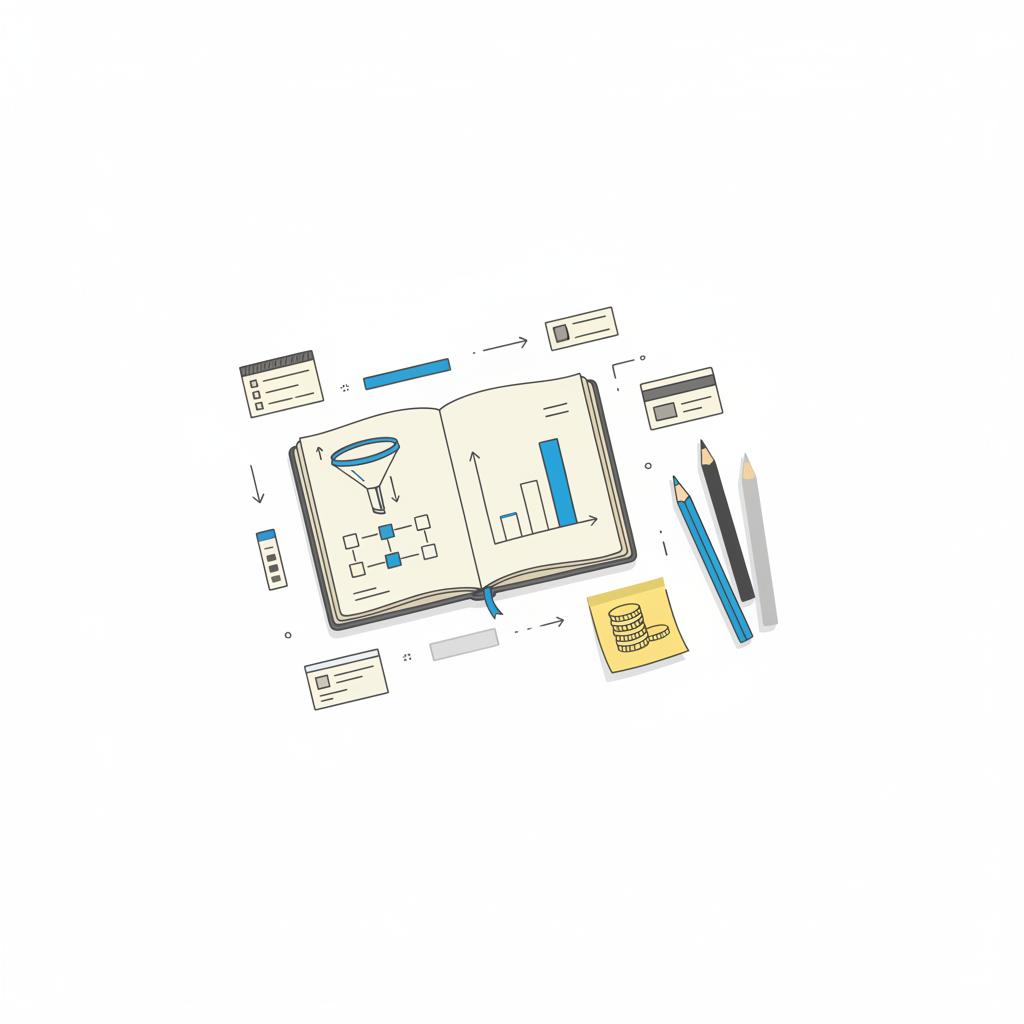
Allocate a small daily learning budget and a separate scaling budget. For many small teams, that means $10/day per test creative, with a clear plan to shift funds if signals improve. LeadsBridge’s guide on how much to spend can help frame early budgets – see LeadsBridge’s recommendations.
Team processes that make $10/day testing realistic
Small budgets work best when teams move fast. Use a simple workflow:
– One owner for creative and voice. Keeps ads coherent.
– A weekly review of signals. Decide whether to iterate or pause.
– A short approval chain. Speed beats perfection with experimental budgets.
Measure relationship, not just clicks
Finally, measure whether people are warming to your brand. Are replies increasing? Are users returning to content? Are micro-conversions trending up? These relationship signals matter more for long-term growth than one-off clicks.
Answering the question directly
So, Is $10 a day good for Facebook ads? The short, nuanced answer is: Yes – but only as a deliberate testing budget focused on learning and creative validation. No – if you expect immediate scalable sales for most mid-price offers.
Keep the question alive as you test. Use human content, tight stories, and a one-variable-at-a-time plan to make each $10 day teach you something useful.
Checklist: what to do on day one
1. Pick one human question your ad will answer.
2. Create three tight creative variants.
3. Run each variant to a single, relevant audience at $10/day total for the test period.
4. Watch CTR, engagement, and one micro-conversion.
5. Iterate weekly—don’t jump to scale too quickly.
Common reader doubts
People often worry that small budgets don’t teach real lessons. They do, if the plan is clear. The best insight often comes from a surprising engagement pattern or a comment that reveals what people actually care about.
Final practical notes
– Document what you test and the signals you measure.
– Keep the ask small and human.
– Be honest: some offers need more budget to find buyers.
One last friendly test
If you’re still circling the question Is $10 a day good for Facebook ads?, try this: pick one page, one micro-offer, and one story. Run a 14-day $10/day test with tight measurement. Treat the result as learning, not a verdict.
Remember: small budgets buy clarity when creative is memorable and your tests have clear stop and scale rules. If you want help turning tests into measurable growth, a pragmatic partner speeds that learning and helps you avoid costly guesswork.
Thanks for reading — now go write a short ad that someone might actually remember.
Yes. $10/day can validate creative when you design the test to focus on attention and micro-conversions rather than final sales. Use clear aims, three creative variants, and measure CTR, engagement, and one micro-conversion. Treat the spend as a learning budget and run tests for at least 7–14 days to get reliable signals.
Best micro-conversions include newsletter sign-ups, content downloads, add-to-cart events, and even video-watched-to-completion rates. These actions are cheaper to obtain and provide early signals that a creative or audience is receptive before you invest more in full conversions.
Agency VISIBLE helps small teams design focused $10/day experiments tied to clear human questions. They assist with creative, audience testing, tracking micro-conversions and deciding when to scale, turning small-budget learning into measurable growth. For tailored support, contact Agency VISIBLE through their inquiry page.
References
- https://agencyvisible.com/contact/
- https://agencyvisible.com/design-that-converts-our-approach/
- https://agencyvisible.com/projects/
- https://agencyvisible.com/
- https://leadsbridge.com/blog/how-much-should-i-spend-on-facebook-ads/
- https://marketerhire.com/blog/how-much-does-a-facebook-ad-cost
- https://neilpatel.com/blog/facebook-ads-prices/