How to write an effective introduction for cleaning services
First impressions decide whether a visitor keeps reading or keeps scrolling. An introduction for cleaning services must do three things immediately: say who you serve, state the main benefit, and show what makes you different. Put a short, benefit-led sentence above the fold, pair it with trust signals, and follow with clear next steps – that combination turns casual visitors into real leads.
Below you’ll find practical templates, examples for homepages and service pages, short ad copy, meta-snippet ideas, trust-signal placement, pricing guidance, and A/B testing plans you can run today. Use the samples as a starting point and tweak them for your neighborhood, tone, and target audience.

Why the opening lines matter more than you think
People searching for cleaners are deciding fast: will this company arrive on time, be safe, and leave a reliable result? Your opening lines should answer those three questions with minimal reading. A clean, confident intro reduces doubt and increases the chance visitors will book or request a quote.
Quick rule: Keep homepage intros to about 50–120 words and place a similar, slightly longer (80–140 words) scannable intro at the top of each service page. Show trust signals nearby: license, insurance, ratings, or a micro-testimonial.
Agency Visible contact page is a useful place to start if you want help turning your intro into measurable gains. A short, focused consultation can produce headline variants and test plans aligned to local search behavior and booking goals.
What to include in any great intro
An introduction for cleaning services should include:
1. Audience — who do you serve? (homes, offices, retail, move-outs, medical facilities)
2. Primary benefit — what’s the main outcome? (time saved, healthier space, no-mess move-out)
3. Differentiator — one clear reason to choose you (insured teams, eco-products, fixed pricing, satisfaction promise)
4. A clear next step — book online, request a free estimate, call for same-day availability
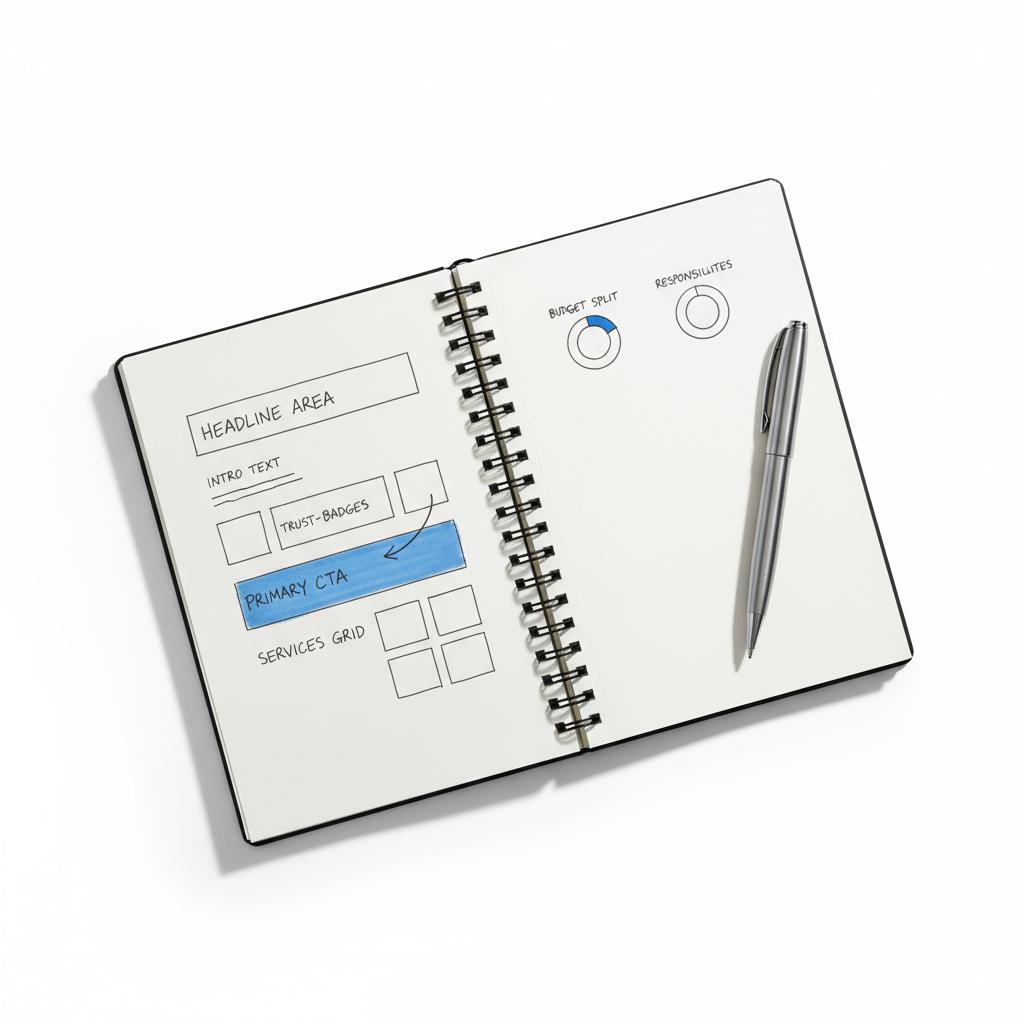
Place at least one trust signal (e.g., “Licensed & Insured • Verified rating 4.8/5”) immediately beneath the intro so it’s visible without scrolling.
Homepage intro: structure and examples
The homepage intro is your elevator pitch. Place the most important words first — service and location if you rely on local search. Use the primary keyword (e.g., “residential cleaning in [city]”) in the H1 and again in the first 50–100 words.
Homepage intro formula
[Service + location] that [primary benefit]. [One differentiator]. [Short action line].
Example (≈60 words):
Residential Cleaning in Seattle that frees your evenings and keeps your home healthy. Our insured teams use non-toxic cleaning products and arrive on schedule to leave your space spotless and safe for family and pets. Book a recurring clean or a one-off deep clean with a satisfaction promise and clear pricing options.
Why this works: it names the audience (residential), the benefit (free evenings, health), and a differentiator (insured, non-toxic). It also signals booking options so visitors know what to expect.
Service page intros: clarity and scannability
Service pages answer a slightly different question: what exactly is included, and how is it delivered? Make these intros scannable: short sentences, clear clauses, and an immediate trust point.
Service page example: deep cleaning (≈90 words)
Deep Cleaning for Homes and Apartments: thorough, room-by-room care when your space needs more than a standard clean. We tackle built-up grime, focus on high-touch surfaces, and pay special attention to kitchens and bathrooms. Appointments typically take two to five hours depending on size. We bring HEPA-filter vacuums, hospital-grade disinfectants where needed, and a checklist that ensures nothing is missed. If you prefer eco-friendly products, request them at booking.
Tip: Add a short checklist or icons under this paragraph to make scope and expectations obvious at a glance.
Short formats for ads, emails, and profiles
Short copy must be compact and clickable. Keep 10–20 words that include what, where, and a CTA.
Elevator pitch examples (10–20 words)
Trusted house cleans in Denver – book a 90-minute deep clean this week. Same-day estimates available.
Commercial office cleaning in Midtown – insured crews, flexible hours. Request a free quote today.
These lines are ideal for paid ads, subject lines, and Google Business Profile headlines. Locality helps lift relevance and click-through rate.
Meta descriptions and search snippets
Meta descriptions should front-load essentials because search engines sometimes rewrite snippets. Keep them between 120 and 155 characters and include the main keyword early.
Meta examples (≈120–155 characters)
Seattle residential cleaning – insured crews, non-toxic products. Book weekly or one-time cleanings online.
Office cleaning in Brooklyn – evenings available. Free estimate and flexible contracts.
Always include a CTA or unique detail at the end: “Book online”, “Free estimate”, “Same-day availability.”
Trust signals: small items that close sales
Trust signals are the quiet persuaders. Put them near your opening lines where they’re visible without scrolling. The most effective signals depend on your audience:
For homes: background-checked teams, insured staff, satisfaction guarantees, pet-friendly options.
For commercial clients: certificates, liability insurance, references, contract flexibility, and sanitation training.
Place one or two micro-testimonials in the top area. A single short line from a customer can be more persuasive than a paragraph of marketing copy. Example: “Received same-day booking and a spotless house – two napping kids later, we finally relaxed.” — Marie, Capitol Hill.
Yes. When that sentence answers three immediate doubts — who you serve, what they get, and why they can trust you — it can be enough to prompt a click to book or request a quote. Focus on benefit + differentiator + trust, and pair the line with a visible CTA.
Yes – when that one line answers three key doubts at once: who you serve, what they get, and why they should trust you. If a single sentence can promise a clear benefit and include a trust cue, it often does enough to prompt a click to the booking page.
Local SEO and technical setup
Good copy needs technical support. Claim and optimize your Google Business Profile. Use LocalBusiness schema on service pages so search engines can understand where you operate. Track bookings with UTM tags and set conversions in analytics to measure actual bookings, not just clicks.
Implement structured data like:
– LocalBusiness schema
– Service schema for specific offerings
– Review and aggregate rating markup
These small technical steps help search engines present your page more attractively in local results and can increase click-through rates.
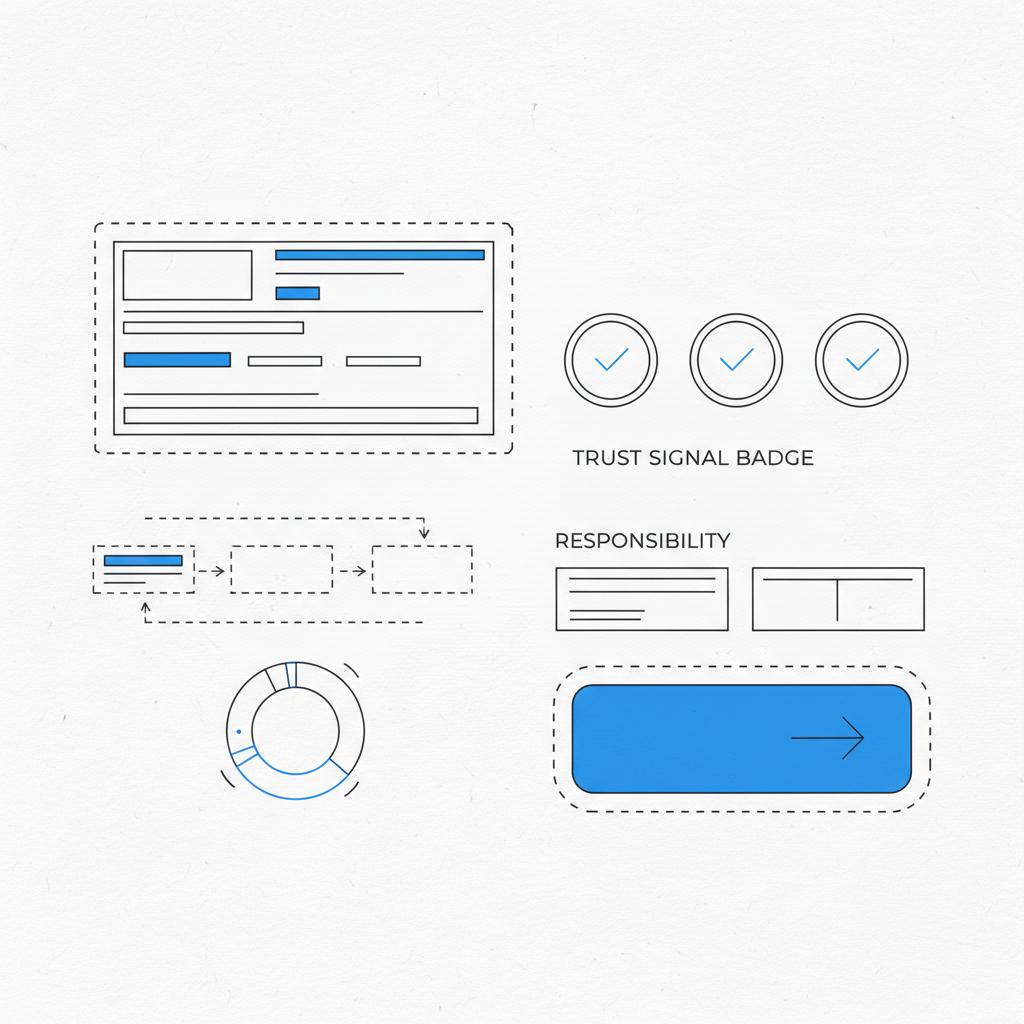
These small technical steps help search engines present your page more attractively in local results and can increase click-through rates.
Pricing: how and where to show it
Listing prices is a trade-off. Clear pricing quickens decisions but can repel price shoppers or be misleading if jobs vary widely. If you list prices, use starting rates and a short clarifying line that explains variables.
Example: Starting at $120 for a one-bedroom clean; final price depends on size and condition.
Alternatives to listing full prices:
– Show starting rates and “get an instant estimate” links.
– Offer an online estimator (questions: bedrooms, bathrooms, square footage, condition).
– Share sample packages (Standard, Deep, Move-out) with sample time ranges and typical starting prices.
Examples of H1s and first 50–100 words
Your H1 and opening sentences are prime real estate for SEO and clarity. Use the main keyword in your H1 and again in the first two sentences.
Example H1: Commercial Cleaning Services in Downtown Chicago
First 50–100 words: Commercial Cleaning Services in Downtown Chicago tailored to businesses that need reliable evening or weekend support. Our insured teams cover offices, retail locations, and co-working spaces with flexible schedules and customizable plans. We provide background-checked technicians, EPA-listed disinfectants on request, and a clear service checklist so managers know exactly what to expect.
Writing tone and accessibility
Write like the person who answers the phone: clear, calm, and practical. Avoid jargon and long sentences. Use short lines for scanability and mix in a longer sentence or two for rhythm. Ask the reader small questions to guide attention: Who do you serve? How do we show up differently? What will you feel after the clean?
Keep reading level suitable for broad audiences—use everyday words and short paragraphs so the content is digestible on mobile.
Personalization and micro-local language
Micro-local details can increase conversions. Mention neighborhoods, landmarks, or calendar-driven needs like “semester move-outs” if they apply. Small changes – neighborhood names, landmark cues, or local event tie-ins – can make a page feel bespoke and more likely to convert. Test them to see what works.
Handling objections quickly
Answer common objections in short phrases near your intro. If safety is a concern, mention background checks and insured staff. If cost is a concern, show starting rates or a satisfaction guarantee. Keep these lines short and link to a more detailed FAQ below.
How to test introductions (A/B tests that matter)
Testing is the honest path to improvement. If you have enough traffic, run simple A/B tests that change one element at a time:
– Headline emphasizing price vs. headline emphasizing speed (e.g., “Clear pricing” vs. “Same-day booking”)
– Trust badge near the top vs. badge further down
– Short testimonial vs. no testimonial
Measure bookings, average order value, cancellation rate, and repeat rate. Bookings matter more than clicks; prioritize conversion metrics tied to revenue.
Short bios that build credibility
Company bios should feel human and credible. Keep them short, concrete, and friendly. Mention why you started and what you do well.
Example bio: We’re a family-run cleaning company serving the East Bay since 2010. We built our business around punctuality and careful attention to high-use areas like kitchens and bathrooms. Our team is insured and background-checked, and many of our customers are on recurring plans. We use fragrance-free products when requested and provide a simple checklist after each visit so you know what was done.
Common quick questions and honest answers
Should I list prices online? It depends. If your jobs are fairly standardized, listing starting prices can attract quick, qualified leads. If most jobs need custom quotes, invite customers to book an estimate and briefly explain why.
Which trust signals matter most? For residential clients, ratings and background checks are highly persuasive. For commercial clients, insurance, certifications, and references are critical.
Tone and authenticity
Authenticity matters. Write like a helpful neighbor, not a salesperson. If something is limited (same-day availability, special eco-options), say so; scarcity and honesty both build trust.
How to improve your intro over time
Think of your intro as a living asset. Revisit it when you add new services, guarantees, or learn something from tests. Keep a log of tests and outcomes so the next edit is informed by evidence, not hunches.
When to hire help
If testing and copy refinement feels overwhelming, a brief engagement with a specialist can pay for itself. Ask for testable hypotheses, a prioritized list of changes, and measurement against real booking metrics. Learn more about our approach on the Agency Visible homepage. For real-world case studies, see cleaning services case studies, commercial cleaning success stories, and JMS Cleaning Services case studies.
Final templates to copy and paste
Homepage intro template: [Service + location] that [primary benefit]. [One differentiator]. [Short action-line].
Service-page intro template: [Service description and scope]. [Typical appointment length or what’s included]. [Equipment/product notes]. [Trust signal or booking detail].
Short ad template: [Service + location] – [quick benefit]. [CTA].
Meta description template: [Service + location] – [primary benefit]. [Differentiator]. [CTA or detail].
Putting it all together: practical example flow
Imagine a small cleaning company serving a university neighborhood. Their homepage H1 reads: “Move-Out Cleaning in College Heights.” The first 60 words promise: move-out checks for students and landlords, fast same-week bookings, presentation-ready cleaning so deposits are protected, and background-checked staff. Under that, a micro-testimonial from a landlord and a “Starting at $95” note reduce friction. The service page then lists the exact tasks, shows time ranges, and offers an online booking widget with clear add-ons for oven or fridge cleaning.
That structure answers who, what, and why instantly, while service pages and booking widgets answer the operational questions that follow.
Turn your intro into bookings with a short experiment
Ready for a headline that converts? If you want help testing better intros and measuring bookings, contact Agency Visible to plan a short A/B experiment and a content rollout that drives bookings, not just clicks.
Checklist: what to publish above the fold
– A short, benefit-led intro (50–120 words homepage)
– A clear CTA (book, get estimate)
– One or two trust signals (insurance, rating, testimonial)
– A visible booking option or link to a booking widget
Closing thought
An effective introduction for cleaning services is compact, clear, and trustworthy. It answers the basic questions in the first few seconds and invites the visitor to the next step. Measure, test, and iterate – and you’ll turn short attention spans into lasting customers.
Keep homepage introductions between about 50 and 120 words. That length is enough to name who you serve, state the main benefit, and include one differentiator. Shorter lines are fine for mobile hero areas, but always pair the intro with a clear CTA and visible trust signal.
Listing prices is a strategic choice. If your jobs are fairly standardized, showing starting prices can attract quick, qualified leads. For variable jobs, show starting rates with a clarifying line (e.g., "Starting at $120 — final price depends on size and condition") and offer an instant estimate or a booking link for custom quotes.
Yes — Agency Visible specializes in quick, testable improvements that focus on bookings and revenue. They help craft headline variants, set up A/B tests, and measure outcomes so you can see which intros actually increase qualified bookings rather than just clicks. Contact them to run a short experiment tailored to your local market.