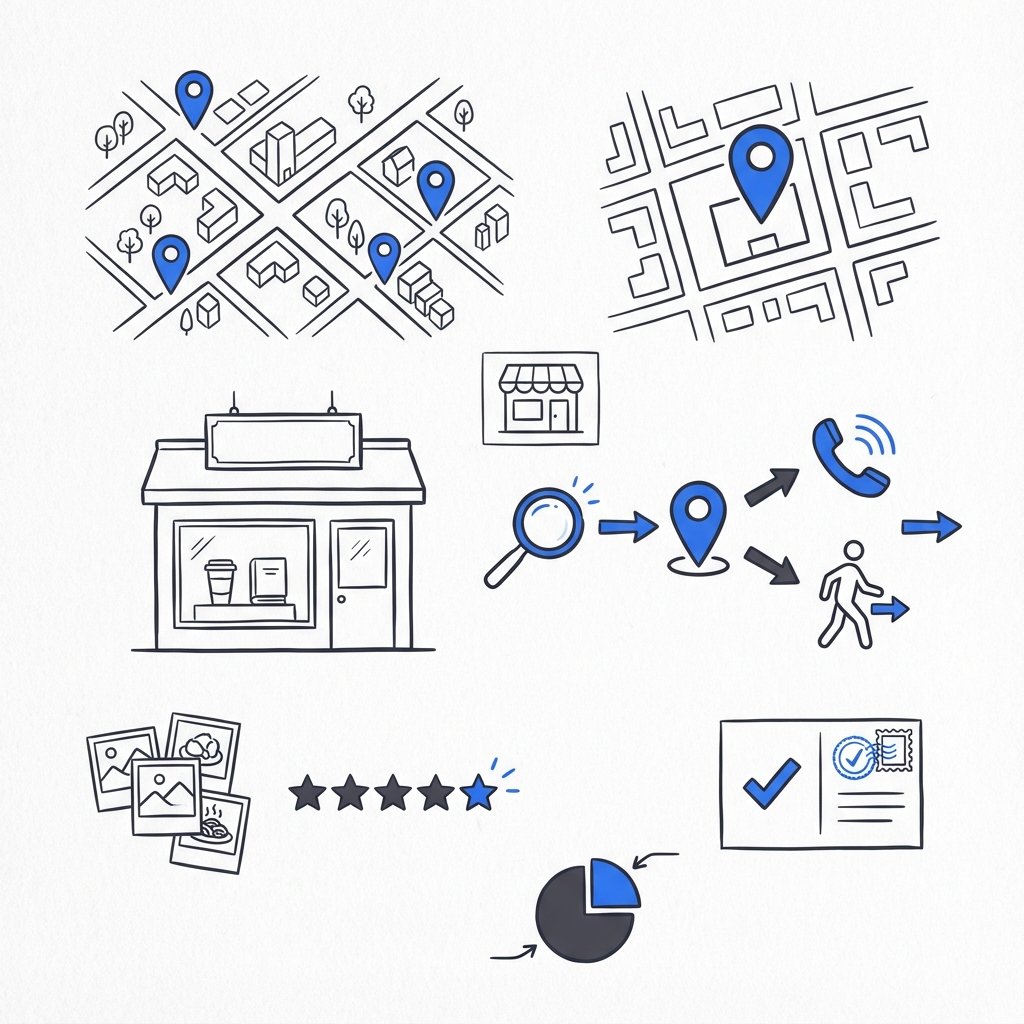
How to use Twitter for real estate? If you want a clear, local-first plan, start here. This guide shows you how to use Twitter for real estate to get noticed in your neighborhood, build trust rapidly, and convert short conversations into booked showings and real clients.
Why X (Twitter) still matters for local agents
The platform now known as X remains a high-value channel for local real estate because it rewards timely, conversational content. For agents asking how to use Twitter for real estate, the platform’s format favors quick updates, replies and short threads that tie directly to neighborhood knowledge. Unlike platforms flooded with polished video reels, X gives well-timed text, a single useful photo, or a timely reply a real chance to travel through a community.
Local intent is strong on X: people ask about schools, commute times, parking rules and local shops in public posts and replies. When you answer in a helpful and friendly way, you don’t just build impressions – you build trust. And trust builds meetings.

What a high-converting X profile looks like
A profile is a short sales page. When people discover you, they decide in seconds whether to follow or message. If you’re wondering how to use Twitter for real estate, start by making your profile unmistakably local and useful.
Profile checklist
If you’d like a partner who can handle profile crafting, content production and paid campaigns while you keep the conversations that close deals, check out Agency Visible’s contact page for a friendly, results-focused option.

Photos: Use a friendly headshot for the avatar and a header that shows local place — a skyline, a popular street, or a collage of neighborhood scenes. Consider a simple, recognizable logo in your header for extra credibility.
Bio: Name the city or neighborhoods you serve and the client types you help. Example: “Helping first-time buyers in Eastwood & Maple Park.” Keep the tone human and specific — not “expert” or a long credential list.
Contact & link: Use the contact button and keep the bio link focused on a single action: schedule a call or view local listings. Your link should send people to a short, local landing page that converts.
Make your profile convert
Add one clear call to action: DM for a showing, click to schedule, or message for a neighborhood guide. If you need help building a converting landing page or keeping your local content engine humming, consider a single partner that manages profiles, content and paid amplification.
Content types that create leads
Think of your feed as a simple mix: listings, market notes, neighborhood features, client stories and replies. Here’s how to make each type work for local lead generation on X.
Listing highlights
Keep listing posts short and focused: one crisp photo, a one-line hook explaining what makes the place special, the price range, and a clear next step. Example: “1920s bungalow — original hardwoods, sunlit kitchen, big backyard — $475k. Open Sat 2–4pm. DM to book a private showing.” Use a photo that shows place, not just staging.
Short market updates
Daily or weekly micro-updates keep you top of mind. “Inventory in Riverbend down 18% vs. last month. Bidding tighter under $350k” gives people something actionable. These updates show local expertise without long copy.
Neighborhood stories and micro-guides
Neighborhood clips are gold. A quick 20–40 second walk down a street naming three favorite cafés, a park, or a school will perform well. Threads are great when you need to give more depth — a neighborhood guide, renovation tips or financing breakdowns.
Client stories
One-line client quotes (with permission) are powerful social proof. “Bought in two weeks during a tight market — so grateful!” tells a story in seconds and prompts DMs.
Threads: X’s secret weapon
Threads let you tell a fuller story without losing reader attention. Start with a punchy opener, then use the next tweets to layer facts, photos, charts and a clear call to action. Threads get saved, shared and used as reference – that’s how they generate warm leads over time.
Cadence and engagement: how often, and why replies are your secret lead engine
For local accounts aiming to convert attention into visits, a practical cadence is 3–5 original tweets daily plus routine replies and weekly threads. That rhythm balances visibility without overwhelming followers.
But remember: engagement on X isn’t posting – it’s conversation. Respond to local questions, join neighborhood threads, and answer DMs promptly. Live audio sessions (Spaces) are useful for Q&A, local mortgage updates or open-house walkthroughs. Even small live audiences create recordings and follow-up threads that bring leads.
Turn social conversations into booked showings — let’s get you visible
Ready to turn replies into booked showings? If you’d like help setting up a targeted X campaign, get in touch with Agency Visible — they help local teams convert social conversations into measurable leads and appointments.
Posts with images or video outperform text-only updates. A 10–30 second walk-through video that points out three surprising features usually beats a plain listing tweet. Carousels that show before-and-after renovations or neighborhood scenes invite swipes and longer attention.

Always add concise on-screen captions — many viewers watch without sound.
Smart hashtag use
Hashtags on X help discovery when used sparingly and smartly. Combine hyperlocal tags (neighborhood + city) with transaction tags (#HomeBuying, #JustSold). Three focused hashtags per tweet is often enough – avoid long lists.
Paid amplification: when it makes sense
Use paid tweets to boost a standout listing, open house or community event. Target by location, interests and behaviors to reach people who live within a few miles and have shown homebuying intent. Track cost-per-lead and how many leads convert to booked appointments – that’s your real ROI. For additional lead-generation ideas, see this guide from Privy.
Measuring what matters
Don’t get lost in vanity metrics. Track actions that lead to revenue: DMs that convert to appointments, scheduling-link clicks, and eventual closed deals. Useful KPIs include weekly impressions, engagement rate on listing tweets, meaningful DMs per week, CPL for any paid campaigns, and conversion rate from DM to booked showing.
Simple tracking workflow
Mark incoming leads as “from X” in your CRM or spreadsheet. Note the channel step that produced the lead: a profile visit, a thread save, or a promoted tweet. Over time you’ll see which content types actually produce appointments.
A practical weekly schedule you can adapt
Here’s a realistic content week for a solo agent or small team using X to generate local leads.
Monday
Morning: market snapshot (inventory, days on market, price moves). Midday: carousel from a new listing. Afternoon: reply session — 30–45 minutes answering comments and DMs.
Tuesday
Neighborhood feature (photo + short video), invite followers to name their favorite spot. Post one client quote with a photo.
Wednesday
Quick tip for buyers or sellers, followed by a short thread answering 4 common questions. Evening: live 15–20 minute Q&A with a local lender (or recording posted after).
Thursday
Run a small promoted tweet for a new listing targeted within 5 miles. Follow up promptly on incoming DMs.
Friday
Behind-the-scenes content: staging, a renovation update, or a contractor shout-out. Close the week with a community spotlight or local event promotion.
Saturday & Sunday
Open house highlights, sunrise neighborhood photos, or short clips from local weekend events to show you’re active in the community.
Sample tweets and thread openings you can adapt
Adapt these short templates to your voice and local facts — they work because they are specific and action-focused.
Listing highlight
“Charming 1920s bungalow in Eastwood. Original hardwoods, sunlit kitchen, large backyard—$475k. Open house Sat 2–4pm. DM to book a private showing.”
Market insight
“Inventory in Riverbend down 18% vs. last month. Bidding tighter for under-$350k homes. If you’re thinking of selling, now is the moment to talk staging.”
Thread opener
“Thinking of buying in Old Town? Here are 7 things no one tells you about living here. 1/8” Then continue with neighborhood pros and cons, school notes, commute times, and recent sale examples.
Reply example
Someone asks: “Are there any good schools near Maple Park?” Reply with specific school names, a short parent quote (with consent) and an invitation to DM for a neighborhood map and recent nearby listings.
Common mistakes to avoid
Many agents treat X like a megaphone — post listings and disappear. That loses momentum. X rewards conversation, not broadcasting. Other pitfalls include over-promotion, slow DM replies, and failing to track attribution. Keep your feed local and helpful, respond fast, and tag leads so you can see what works.
Handling platform changes and risk
No platform stays the same. Test new formats, measure results and adapt if the algorithm favors another media type. Always protect client privacy and avoid sharing identifying details without consent. For paid targeting, follow ad rules and use clear opt-ins for follow-up communications.
Tools and workflows that save time
Use a simple content calendar (even a spreadsheet) to plan themes and cadence. Scheduling tools can help with consistency, but avoid fully automating replies — real-time engagement is critical. Track UTM parameters on links so you can attribute web traffic and scheduling clicks back to X. Use a CRM to flag “source: X” for each lead and follow up with a simple, two-step nurture: immediate DM reply + a scheduling link within 24 hours. For notes on automated drip campaigns and follow-up flows see this resource from NovaCRM.
When to bring in help
If you want faster, measurable visibility and lack the time to post daily and reply, a single partner can manage profiles, content and paid ads while you focus on conversations that close deals. A specialist will build a local content program, run small paid tests, and report leads in a way that lets you see real ROI instead of just impressions. For additional perspectives on lead-generation practices see this write-up.
One option for teams is Agency Visible, which bundles profile work, content production and paid amplification with a clear focus on measurable leads and appointments.
Yes — a small local agent can compete on X by consistently sharing useful local content, replying to neighborhood questions, and using a few well-placed threads and short videos. Focus on converting DMs and profile clicks into appointments, and use small paid tests to amplify high-value listings.
Case study — a simple local win
A small-town agent started posting sunrise photos of the boardwalk and adding one local detail — a favorite bakery, a history note, a dog-walking route. Replies grew into DMs, DMs into meetings, and within six months the agent generated three listings and steady buyer meetings. The lesson: consistent, place-based posts create repeated touches that become trust.
Advanced tips for measurable growth
Track micro-conversions: thread saves, profile clicks, scheduling link clicks, and DMs that mention a price range or timeline. Use those signals to prioritize follow-up. For promoted tweets, test creative variations (photo vs. short video) and audience slices (radius targeting, interest segments). Measure CPL and conversion to appointments – that’s your decision metric.
Content calendar template (4-week cycle)
Week 1: Market basics, 2 neighborhood features, 3 listing highlights, 1 long thread. Week 2: Buyer tips, one paid push, one live session, 3 local photos. Week 3: Seller tips, renovation before/after carousel, client story, reply session. Week 4: Review metrics, iterate creatives, schedule next month’s threads. Repeat with local updates and seasonal angles.
Quick compliance and privacy checklist
Always remove personal identifiers in client stories unless you have written consent. For photos, confirm permission from homeowners or use public exterior shots. In paid campaigns, follow platform ad policies and provide an easy opt-out for communications.
Final practical steps you can take tomorrow
1) Update your bio to be explicitly local; 2) Post one useful tweet today (market snippet or neighborhood tip); 3) Schedule one short thread this week answering common local questions; 4) Track how many DMs you get from X and whether they become meetings.
Why a focused partner can be a good investment
If you’d rather spend your time meeting people than learning ad settings and editing videos, a trusted partner can run the engine for you — profile setup, content planning, paid campaigns and reporting — while you keep the conversations that close deals. A good partner focuses on lead quality, not just impressions.
Parting note
Using X well is about consistent local usefulness. Small daily actions — a useful reply, a clear listing post, a short neighborhood clip — will compound into real meetings and sales.
Yes. A small account that consistently posts local, useful content and replies to neighborhood questions can get meaningful visibility. Focus on timely posts, quick replies, and a few weekly threads. Track DMs and schedule clicks to see which posts turn into appointments.
Aim for 3–5 original tweets a day + regular replies and 1–2 threads per week. That cadence balances visibility with quality. Use mornings for market updates, midday for listings or neighborhood photos, and afternoons for replies or short videos.
Consider paid tweets for standout listings, open houses, or events you want to maximize attendance for. Start small — target a tight geography and measure cost-per-lead (CPL) and conversion to booked appointments before scaling.
References
- https://agencyvisible.com/
- https://agencyvisible.com/projects/
- https://agencyvisible.com/contact/
- https://www.privy.pro/agents/what-are-the-best-lead-generation-strategies-for-real-estate-agents-in-2024/
- https://novacrm.ai/blog/effective-strategies-for-real-estate-lead-generation-in-2024/
- https://www.brandvm.com/post/lead-generation-practices-real-estate-agents-2025