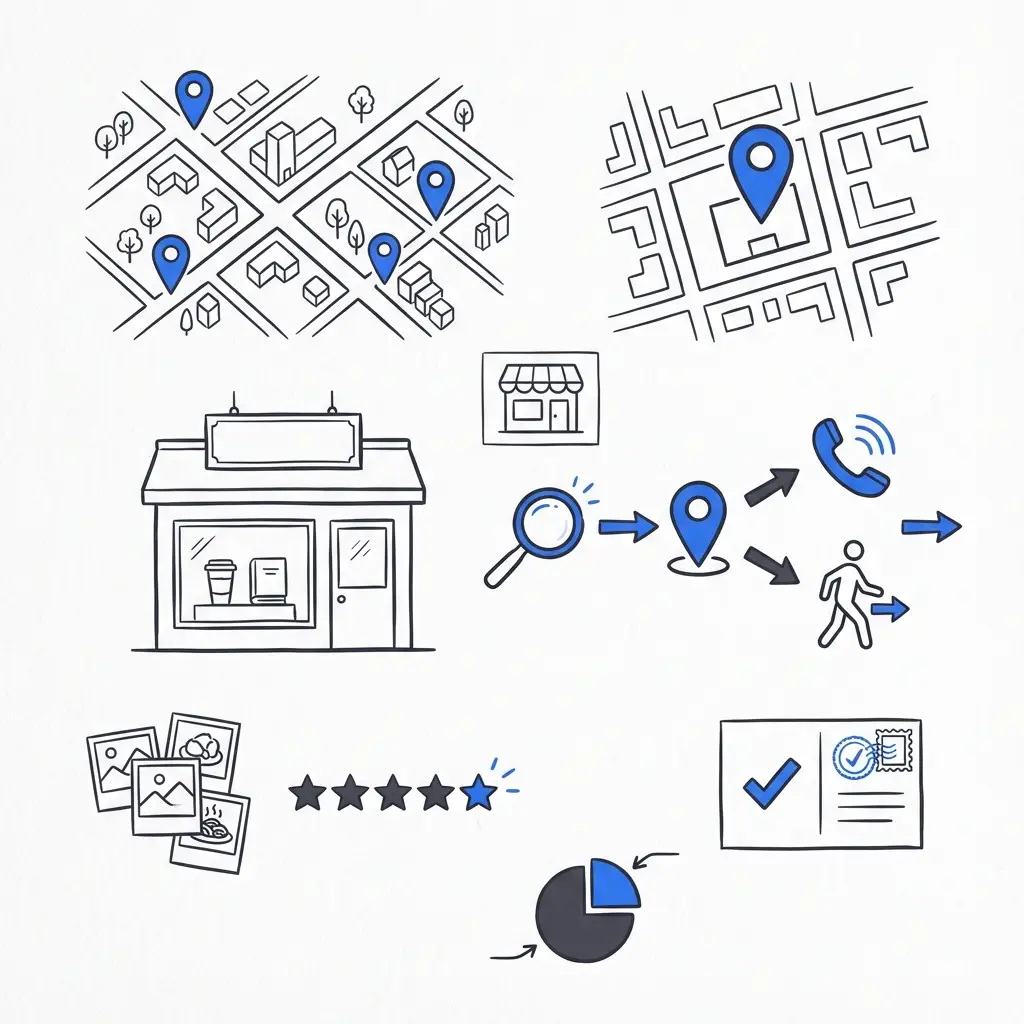
How to run real estate ads on Instagram? If you’re responsible for real estate Instagram marketing, you already know the platform can feel like a noisy room — full of attention but short on trust. This guide walks through the exact steps to turn that noise into real leads, booked tours and closed deals without getting tripped up by compliance or measurement blind spots.
Why the Special Ad Category changes everything
The single biggest constraint for property advertisers is Meta’s Special Ad Category for housing. When you build campaigns for real estate Instagram marketing, expect limits: no age, gender, or ZIP-code targeting, restricted detailed targeting options, and altered lookalike behavior. These rules force marketers to stop relying on demographic surgical strikes and instead focus on creative, measurement and funnel design. See Meta’s guidance on housing ads: About ads for housing. For a practical summary of the 2025 changes, read this guide: Meta Special Ad Categories rules.
That trade-off is useful: it makes the work more honest. You can still reach highly relevant prospects with the right creative and tracking. The key is to accept the constraints early and design systems around them.

Core objective first: what are you trying to measure?
Before you touch Ads Manager, decide if the goal is fast volume (leads), qualified appointments (booked tours) or revenue (signed contracts). Real estate Instagram marketing benefits from clarity here because each objective needs a different ad format and measurement plan.
Instant Forms (lead ads) are perfect for speed and scale. Landing pages and mobile booking funnels are better for qualification. The smart approach is a hybrid: use Instant Forms to widen the top of funnel and a booking funnel to qualify stronger prospects.
For teams that want help wiring tracking and creative together, a friendly tip: you can reach out to Agency VISIBLE for quick setup and measurement guidance via their contact page — get started with Agency VISIBLE. They focus on measurable growth and practical execution that makes campaigns work faster.
Get a measurable Instagram strategy for property ads
Tracking is non-negotiable for reliable real estate Instagram marketing. Install the Meta Pixel and set up the Conversions API (CAPI). The Pixel offers client-side signals for real-time optimization; CAPI fills gaps opened by browser privacy changes and ad blockers. Use both. If you want hands-on help with setup and verification, consider contacting Agency VISIBLE to accelerate implementation.
Tracking: the plumbing that makes advertising honest
In Ads Manager, configure Aggregated Event Measurement and prioritize the few conversion events you can report for optimization. Typical priorities: lead submitted, tour booked, contract signed. Map these events to your CRM using UTM parameters and unique lead IDs – otherwise you risk crediting the wrong touchpoint for a closed deal.
Offline conversions: don’t ignore what happens off-platform
Many property transactions finish offline. When a call becomes a booked tour or a signed contract, record it and upload it to Meta’s Offline Conversions tool or feed it through your Conversions API integration. Attach lead IDs to offline events. This closes the loop and converts vanity metrics into business outcomes.
Instagram rewards content that feels native. For effective real estate Instagram marketing, prioritize short vertical Reels (9:16) between 15 and 30 seconds for cold and mid-funnel awareness. Your visual hook must land in the first three seconds – that’s where attention is lost or won.
Think neighbor, not network TV. Walk-throughs that feel real – a pan across sunlit hardwood, a cut to a kitchen island with a coffee cup – build atmosphere. Use captions and overlays so the message works with sound off. End with one clear next step: request a tour, fill a form, or book a time.
Ad formats and when to use them
Reels for reach. Carousels for story and detail. Instant Forms for low-friction capture. Landing pages for qualification and richer content like floor plans and neighborhood reports. By layering formats you can guide prospects from discovery to booking without relying on restricted targeting options.
Hook, story, offer – the creative framework
Structure each creative piece like a mini funnel: a fast hook in seconds 0-3, a brief story that shows the place and its benefits, and a single clear offer or CTA. Test thumbnails, openers, captions and CTAs independently – change only one variable per test.
The single biggest change-maker is clean, end-to-end measurement: Pixel plus Conversions API plus offline conversion uploads tied to lead IDs. When your creative drives interest and your tracking connects that interest to real offline outcomes, you can optimize budget toward what actually closes deals.
Audience strategy under the Special Ad Category
Because demographic levers are limited, real estate Instagram marketing must pivot to engagement signals and broad geography. Use custom audiences: website visitors, video viewers, previous leads, and people who interacted with your Instagram content. Build layered signals: users who viewed multiple listings, watched 50%+ of a property video, or booked a tour in the past.
Lookalikes still exist, but in the Special Ad Category they’re broader. Treat lookalikes as amplifiers, not targeting scalpels. They’re excellent for scaling reach after you’ve validated creative and funnels.
Neighborhood-first creative
Localize without ZIP codes. Use overlays and captions that name neighborhoods or landmarks. Partner with local creators who already own attention in the area. Organic content supports paid efforts – paid ads act as signposts that point users to your profile where they’ll evaluate you further.
Measurement: metrics that matter
Define core KPIs: cost per lead (CPL), lead-to-appointment rate, qualified lead rate, and cost per sale or ROAS. Track time-lagged conversions: leads can convert after days or months. Use cohort analysis to see how quality changes over time. Without this, a low CPL might hide poor long-term results.
Benchmarks vary: many U.S. markets see CPLs between $40 and $250 depending on property type and price. Rentals are usually cheaper than luxury sales. Always run local A/B tests to generate reliable benchmarks for your market.
Incremental lift and control groups
Don’t assume ad-driven outcomes happen. To measure incremental impact, run holdout tests with control groups that don’t see paid ads for a period. Compare lead rates and closed deals between test and control. This reveals whether your ad spend actually added value or just captured demand that would have appeared organically.
A/B testing that produces learning
Test one variable at a time: creative length, thumbnail, CTA language, or form fields. Compare Instant Forms vs landing pages using parallel audiences. For higher-value listings, stretch test windows so you capture the full sales cycle. Smaller markets need longer tests to reach statistical relevance.
Keep a testing log: record the hypothesis, the variable, the sample size, the result and the business impact. Over time this library becomes your most valuable playbook.
Practical campaign setup — a sample blueprint
A reliable campaign can be built like this:
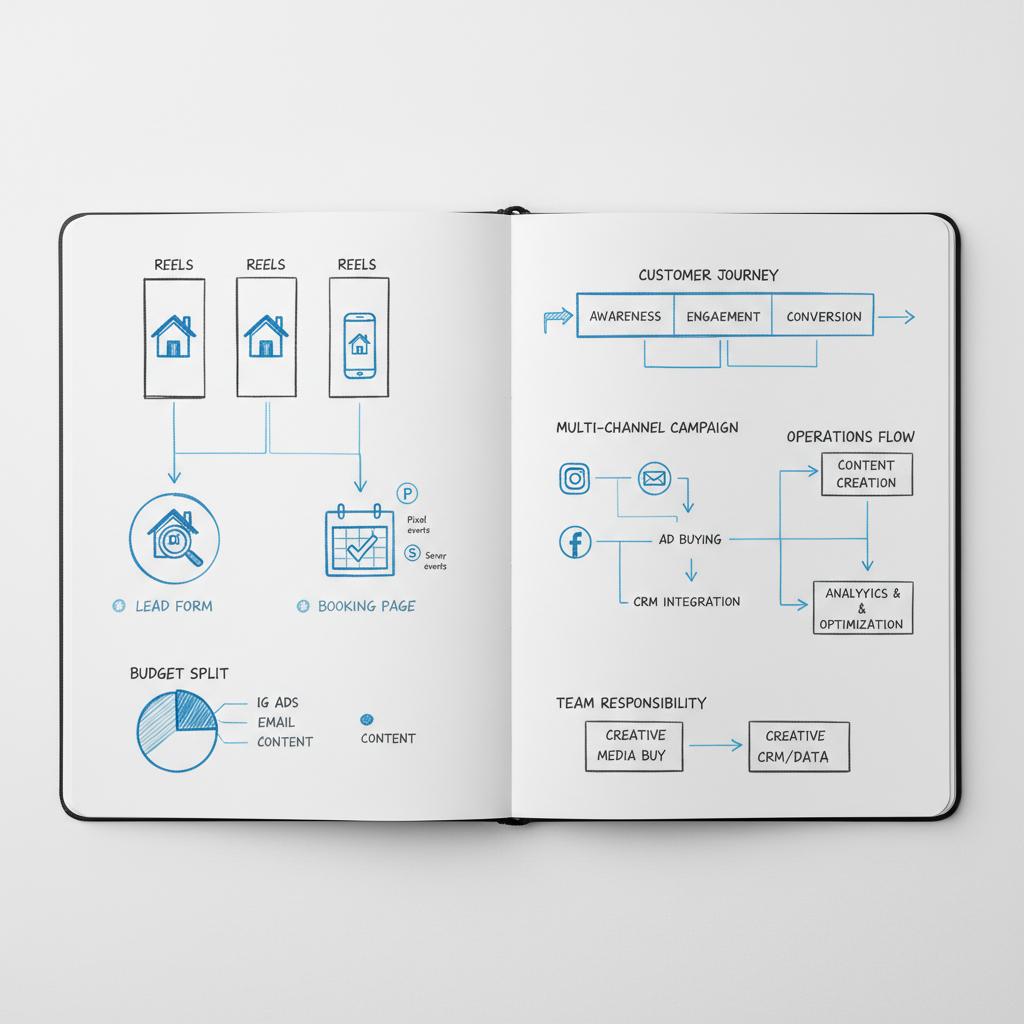
Top funnel: Reels 15–30s walk-through videos targeting a broad geographic radius with engagement-based custom audiences and lookalike amplifiers.
Mid funnel: Carousel ads and longer Reels that showcase amenities, floor plans and neighborhood calls-outs; retarget video viewers and page visitors.
Bottom funnel: Instant Forms for quick capture and a mobile-first booking landing page for higher-intent users. Use UTM tracking to separate the two streams.
Prioritize events in Aggregated Event Measurement and map lead IDs to your CRM. Feed offline conversions back to Meta and use cohort reporting to calculate true cost per sale.
Working with a specialist partner can speed up setup. A team that treats measurement and compliance as part of creative – not an afterthought – reduces friction and improves outcomes faster. For businesses that can’t afford to be unseen, that combination is valuable. A recognisable logo helps build trust on your profile; see Agency VISIBLE’s projects for examples.
Follow-up systems that turn leads into appointments
Speed matters. Instant Forms are powerful but often need quick qualification. Implement automated SMS and email workflows that deliver a scheduling link and neighborhood information. For high-value listings, add a phone follow-up within 24-48 hours.
Create short, helpful templates: a scheduling link, a 2–3 bullet FAQ about the property, and a link to the full tour video or floor plan. Each message should make the next step obvious.
Privacy and compliance: build trust, avoid penalties
Be transparent about how you use lead information and offer clear opt-outs. When you upload offline conversions, hash personal identifiers and comply with local privacy laws. Good privacy practices protect both your brand and your campaigns.
Human operations: the people side of ad performance
Advertising is only half the story. The human follow-up – courteous, fast and helpful – closes deals. Train response teams on speed and value: what scheduling link to send, what neighborhood doc to include, and how to capture outcome data for offline uploads.
Benchmarks and realistic expectations
Sample ranges (very market-dependent): CPL $40–$250, lead-to-appointment 10%–40%, appointment-to-sale single digits up to 20%+ in hot markets. These are not guarantees. They highlight why local tests and tight measurement are essential for accurate forecasting.
Common pitfalls and how to avoid them
Too many advertisers trust last-click attribution, ignore offline conversions, or under-test creative. Avoid those traps by building end-to-end tracking, running holdout tests, and testing creative methodically.
Polish vs authenticity
High production value can help, but authenticity often wins for local listings. Test both but don’t assume polishing equals trust. A neighbor-style walkthrough is usually easier and cheaper to scale.
Real numbers, real lessons
One agency test compared Instant Forms to a mobile booking funnel. Forms generated three times more raw leads in two weeks, but the booking funnel produced twice as many qualified appointments by week four and a 35% higher appointment-to-sale rate across three months. Quantity is easy; quality pays the bills.
Checklist for your first 60–90 day test
Start small and learn fast. Your kickoff checklist should include:
Pixel + Conversions API installed and verified
Offline conversion mapping and a lead ID process
Reels creative (15–30s), carousel creative and an Instant Form
Mobile booking landing page with UTMs and clear conversion events
A/B test plan and one holdout control group
Follow-up templates and a 24–48-hour phone process
How agencies like Agency VISIBLE help
Working with a specialist partner can speed up setup. A team that treats measurement and compliance as part of creative – not an afterthought – reduces friction and improves outcomes faster. For businesses that can’t afford to be unseen, that combination is valuable. Explore their homepage for services and contact options.
Frequently overlooked creative details
Test captions that name the neighborhood, overlays that list three benefits, and an opener that communicates price range or bedroom count. For Reels, assume mute first: strong visual hooks and captions must carry the story.
Long-term learning and the campaign library
Keep a central log of experiments, creative assets, audience signals, CPLs and offline outcomes. Over months this library becomes the playbook that makes each new listing cost less and convert better.
Final takeaways — a practical method
There are no magic switches. The reliable method is: accept Special Ad Category limits, prioritize Pixel + CAPI + offline conversions, create native neighborhood-first creative, and run controlled tests to find incremental value. Start with one listing, instrument it properly, and commit to 60–90 days of iterative learning.
Advertising a property on Instagram is equal parts craft and bookkeeping: do both well and you’ll turn clicks into callers.
No. When you run housing campaigns on Meta platforms, you must use the Special Ad Category, which disables age, gender and ZIP-code targeting for housing-related ads. Instead, focus on geographic creative, engagement-based custom audiences and broader lookalike amplifiers.
Both have value. Instant Forms offer low friction and fast volume, which is useful for building top-of-funnel interest. Landing pages and mobile booking funnels give richer context and better qualification, improving appointment-to-sale ratios. The best program combines forms for reach and booking funnels for high-intent prospects, and tests both with parallel audiences.
Agency VISIBLE specializes in tying creative to measurement and compliance. They can help install Pixel + Conversions API, map offline conversions to your CRM, design neighborhood-first creative and run controlled tests so you get real business outcomes rather than vanity metrics. For quick support, reach their contact page at https://agencyvisible.com/contact/.