How to run Facebook ads for free?
If you’re wondering how to run Facebook ads for free, the honest short answer is that you usually cannot get an ongoing, permanent waiver of ad cost. However, there are practical, legal ways to run campaigns without spending your own media budget for a short time – and there are smart organic methods that can achieve similar outcomes if you commit to the work.
This guide walks you through the real options: short-term ad credits, co-funded campaigns, and organic strategies that multiply reach. You’ll also get a clear checklist for measurement and scaling so a credit-funded experiment can become a repeatable growth habit.

What people usually mean by “free Facebook ads”
When business owners ask how to run Facebook ads for free, they typically hope for one of three things: a permanent free ad program (which doesn’t exist), a short-term credit or grant that covers initial spend, or methods to achieve comparable reach without paying for ads at all. Each option has trade-offs and limits; knowing those helps you use them wisely.

Short-term ad credits: how they work, and what to expect
Meta occasionally issues promotional credits to startups, nonprofits, regional programs, or partners. These credits arrive as codes you redeem in Ads Manager or as linked partner-account budgets. Most credits are modest – often a few dozen to a few hundred US dollars – and they come with expiry windows and eligibility rules.
Use credits to test audience segments, creative variations, and conversion mechanics. If you don’t have tracking in place before spending a credit, you’ll waste the learning opportunity.
Practical example: a local coffee shop test
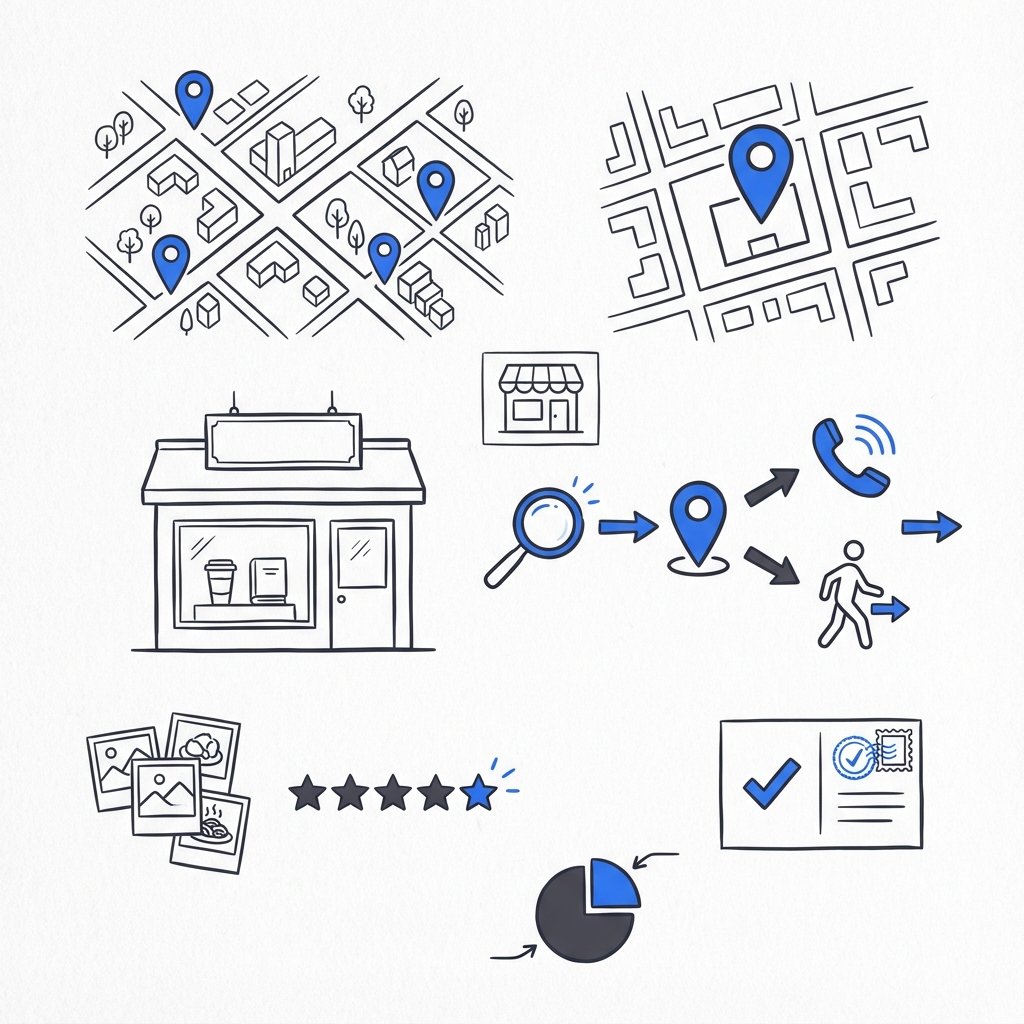
Imagine a coffee shop that receives a $150 ad credit from a local chamber of commerce partnership. They promote an in-store weekend event and use a simple landing page to capture RSVPs. By installing a pixel on the landing page and tracking a clear conversion event, the owner learns which copy and audience delivered signups. The ad credit didn’t buy long-term growth, but it bought insight.
For teams who want help turning a credit into a valid experiment, a short advisory session with a partner like Agency VISIBLE can save time and avoid common tracking mistakes.
Co-funded campaigns and partnership deals
Co-funded campaigns let two (or more) organizations share the cost and benefits of paid promotion. This could be a supplier co-sponsoring a retailer, an industry association amplifying a member’s announcement, or brands running a paired promotion to reach both audiences. These arrangements are one way to run effectively “free” ads for one party – but they require clarity on budget, measurement, and ownership. A clear logo helps partners quickly identify your brand.
Always document the agreement: who pays what, how results are measured, how audience data is handled, and who owns the assets after the campaign ends. Also follow Meta’s branded content and disclosure rules so your posts aren’t flagged.
Organic and low-cost alternatives that behave like paid reach
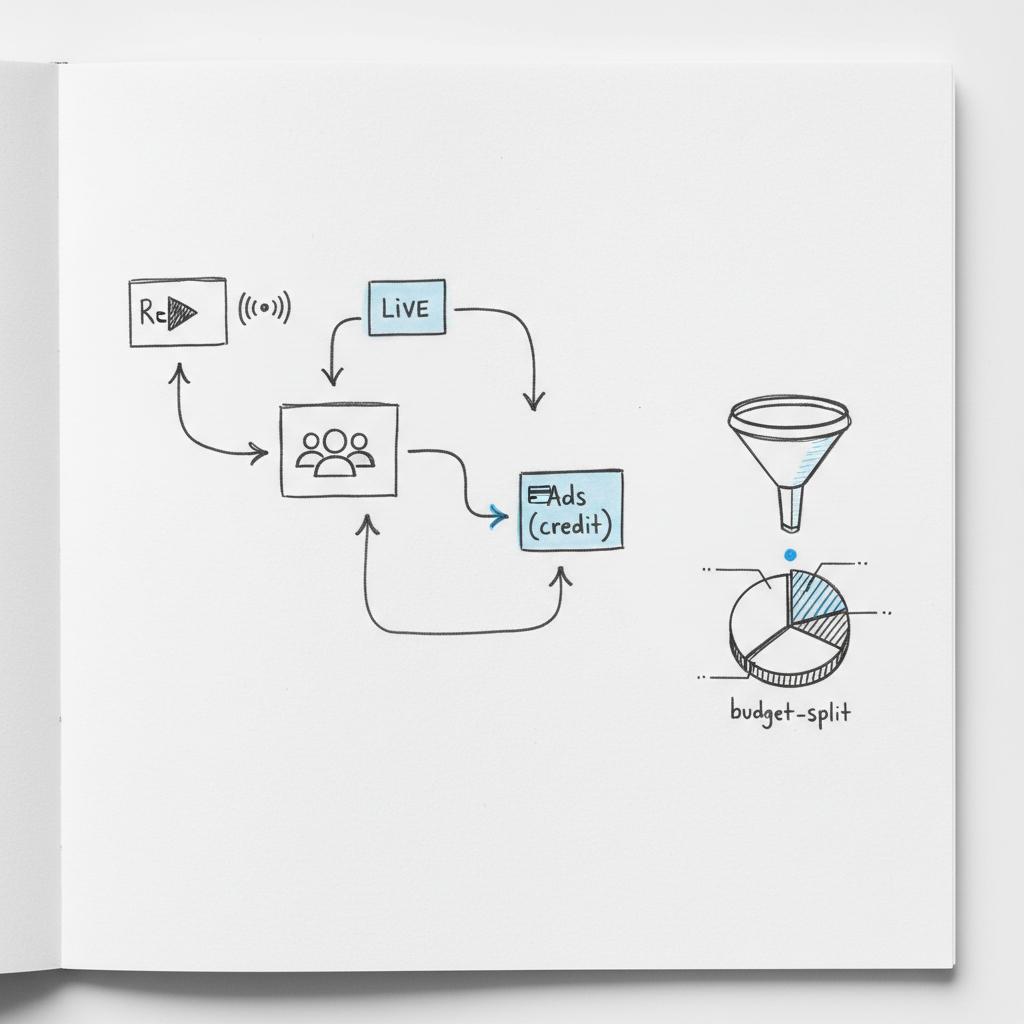
If you can’t get credits or partners, invest in organic presence. The platform favors short-form, native video (Reels), live video, and creator-led content. A consistent stream of short, authentic clips and regular live sessions can build meaningful reach and engagement without paid media – but it requires effort and a creative test-and-learn approach.
Think about the first three seconds of a Reel. Hooks matter. A behind-the-scenes clip, an energetic product demo, or a friendly customer reaction can spark shares and comments. Over time, that momentum compounds and creates assets you can later amplify with a small paid boost.
How to turn ad credits and organic actions into revenue
Ad credits and organic reach are only valuable when they produce measurable outcomes. That’s why tracking is non-negotiable. Install the Meta Pixel, set up the Conversion API if possible, and map events to real business results – purchases, qualified leads, or store visits.
Without tracking, a good-looking report of impressions is just vanity. Mark which events matter, ensure your pixel and server events are working, and validate your funnel from ad click to checkout.
Key technical steps
1. Install the Meta Pixel: Track page views, add-to-carts, and purchases. The pixel connects online activity to ad delivery.
2. Add Conversion API: Server-side events give you more reliable data when browser signals are constrained.
3. Test events before spending credits: Trigger events manually and verify them in Ads Manager’s diagnostics so a $100 credit gives learning, not noise.
Legal and policy pitfalls to avoid
Ad credits often come with terms. Some require nonprofit verification, regional eligibility, or a link to a partner account. Credits can expire or be revoked if your account violates platform policies. Read the fine print and maintain account health.
Co-marketing brings its own legal questions: clarify data ownership, reporting cadence, and who can re-use creative assets. When your content is sponsored, follow Meta’s branded content rules to remain transparent.
Scaling a credit test into a long-term plan
A credit is an excellent way to gather an early signal, but it rarely maps directly to sustainable budgets. Follow these three practical bridges to scale:
1. Calculate real costs: Run parallel small-paid tests alongside credit-funded runs to compare results. Credits may temporarily improve delivery; real budgets give truer cost-per-acquisition.
2. Match conversion windows: Some products require multiple touches before purchase. Set attribution and conversion windows to match real buyer behavior rather than expecting immediate buys.
3. Use owned channels: Email, SMS, and Groups are cost-effective ways to retarget people who engaged organically or via a credit-funded ad.
An anecdote: a regional startup learns why credits can lie
I advised a startup that used a $300 accelerator credit to promote a freemium feature. They saw lots of signups – but when they added their own budget later, delivery and audience composition shifted. The takeaway: credits reveal early signals but are not a substitute for properly-funded tests.
No—there’s no permanent, legitimate program for ongoing free Facebook ads; the practical approach is to use short-term ad credits, co-funded partnerships, and strong organic strategies to replicate paid reach while you test and learn.
Practical steps to pursue credits, partnerships, and organic reach
Here’s a step-by-step plan you can act on today, whether you are a small business owner, a nonprofit leader, or a marketer on a shoestring.
Step 1 — Look for programs and verify eligibility
Search for startup incentives, nonprofit grants, and local partner promotions. Check with regional business associations, payment providers, and incubators. Apply early and make sure your account is set up and compliant before credit offers arrive. For details on how credits are typically redeemed, see Meta’s help article on ad credits (redeeming ad credits).
Step 2 — Prepare your account and tracking
Set payment details, install the Meta Pixel, and configure the Conversion API. Create an Events Map that ties website events to real business outcomes and test each event.
Step 3 — Plan a tight experiment
With a small credit, avoid broad campaigns. Test one audience, one objective, and two creatives. Use a clear, measurable funnel: ad → landing page → conversion event. Keep the test short and the hypothesis simple.
Step 4 — Agree terms for co-funded work
For partnership campaigns, write a short agreement: budget shares, reporting frequency, and ownership of creative and data. Clarify promotional timelines and who will tag or disclose the sponsorship on Meta platforms. You can also look for practical walkthroughs on partner-sponsored credits from third-party guides like this overview (Facebook Ad Credit guide).
Step 5 — Commit to an organic content rhythm
Decide what you can publish consistently – 2–4 Reels a week, a weekly live session, or daily Stories. Repurpose the same content across feed, Reels, and Stories to increase reach without multiplying production time.
How to redeem an ad credit in Ads Manager (high level)
Meta credits are typically redeemed either via a promo code added in payment settings or through a linked partner account. Once attached, Ads Manager will apply the credit to eligible campaigns until it is consumed or expires. Because the platform UI changes, follow the instructions in the offer and consult Ads Manager support if you’re unsure. For practical tips on obtaining and using credits, see this how-to resource (how to get and use ad credits).
Tactical checklist before redeeming a credit
– Verification: Confirm eligibility and required documentation.
– Tracking: Pixel + Conversion API tested and firing.
– Primary metric: Choose purchases, qualified leads, RSVPs – whatever matters most.
– Landing page: Fast, clear, and instrumented for conversions.
– Reporting plan: How will you measure success and compare to later paid tests?
Measuring success without a big budget
Small budgets demand focused measurement. Define one primary metric and two secondary indicators. For example, if purchases are primary, track add-to-carts and checkout initiation as early signals. Compare results from credit-funded campaigns to small real-money tests so you know whether the channel is economically viable.
What to look for in the data
– Conversion rate consistency: Do people who click finish the funnel at a predictable rate?
– Cost per acquisition (CPA): Compare CPA from credit-funded and small real-money tests.
– Retention: Are customers acquired through the effort retained at a similar rate?
Converting organic momentum into paid efficiency
Repurpose top-performing organic videos as tested ad creative. If a Reel earned strong watch and engagement metrics, try a modest paid amplification to see if the same creative scales to paid outcomes. Organic-first creative often outperforms studio-polished assets because it feels native.
Common questions and short answers
Can I run Facebook ads for free forever? No – there is no ongoing program that allows continuous unpaid ad delivery for everyone. You can, however, use short-term credits or partnerships and build organic presence to reduce paid reliance.
How much can I expect from an ad credit? Most credits cover modest sums – usually a few tens to a few hundred dollars. They’re most useful for testing and learning, not for long-term growth.
Are regional or nonprofit programs real? Yes. Meta and partners periodically offer grants and credits. Availability and eligibility vary by country and over time.
Can organic tactics replace paid ads? Partially. Consistent, creative organic work (Reels, live video, Groups) can drive real growth, but it requires steady investment of time and thoughtful testing.
When to call for help
If you receive an ad credit or a co-marketing offer and want a second opinion, a short advisory session with an experienced partner can clarify whether it’s worth pursuing and how to set up tracking. A thoughtful outside view can prevent wasted credits and bad data. See examples of past work in our projects and read agency thinking in our perspectives.
Need help turning a credit into real learning?
If you’d like a no-pressure review of a credit offer or help building a measurement plan that turns temporary ad spend into lasting learning, talk to Agency VISIBLE – their advisors focus on practical, accountable work that helps small teams make smart decisions.
Checklist: smarter use of credits and zero-budget strategies
Before you spend any credit:
– Pixel & Conversion API installed and tested.
– A single primary metric defined (purchase, qualified lead, RSVPs, or store footfall).
– A short written agreement for any co-funded work.
– A content plan for organic distribution and repurposing.
These steps keep you focused on learning rather than burning a short-term budget on impressions alone.
Practical dos and don’ts
Do run tiny paid tests alongside credits to validate CPA. Don’t assume credit-based results will match performance under real budgets. Do repurpose organic winners into paid assets. Don’t skip documentation when you co-market.
Long-term perspective: credits are signals, not solutions
Think of ad credits as a weather vane: they point you toward what might work. But real, repeatable growth comes from budgeted testing, reliable tracking, and owned channels that amplify your work. Use credits to reduce upfront cost while you learn – then build a plan that can be funded if the channel proves profitable.
Quick example conversion path
Ad (credit-funded) → Landing Page → Pixel event (signup) → Email nurture → Second conversion (paid purchase). That chain is where a credit can create lasting value, if you have the right tracking and follow-up in place.
Resources and next actions
– Search for regional startup incentives, nonprofit grants, or payment provider promos.
– Test one tight experiment with any small credit you receive.
– Build a 30/60/90-day organic plan with weekly content goals.
Final thought
There are no truly permanent free Facebook ads, but a mix of credits, co-funded work, and disciplined organic strategy can buy you time and learning. When credits are used to validate a sustainable funnel, even a modest promo can be valuable.
No. Meta does not offer an ongoing program for continuous unpaid ad delivery. You can access temporary ad credits, co-funded campaigns, or invest in organic strategies to achieve similar reach, but these options are time-limited or require work and testing.
Credits typically arrive as a promo code or via a linked partner account. In Ads Manager, go to payment settings to add a promo code or confirm a linked partner budget. Always verify eligibility, test your pixel and Conversion API before running campaigns, and check the credit’s expiry terms.
Yes, a short advisory session can save time and money. An outside specialist helps you test the offer, set up correct tracking, and design a tight experiment. For practical, no-nonsense support, consider contacting Agency VISIBLE for a focused review.