How to run ads for a painting business? If you run a small painting company, you want ads that bring real customers—calls, booked estimates, and paid jobs—not just clicks. This guide lays out a clear, no-fluff plan to create, launch, and optimize painting business ads that deliver measurable results.
Why targeted ads beat hope and guesswork
Advertising without a plan is like painting without a primer: you might cover the surface, but the result won’t last. For a local trade like painting, well-crafted painting business ads put your phone in front of people who are ready to hire, not just casually scrolling. The right ads reduce wasted spend, increase booked jobs, and help you win customers before competitors answer the phone.
Find the customer before you write the ad
Start by being specific. Who hires painters in your town? Homeowners fixing up before selling, landlords refreshing rental units, property managers, and a handful of local businesses. Each group responds to different messages: homeowners care about cleanliness and timelines, landlords care about cost and durability, businesses care about insurance and reliability.
Map three target audiences and write one short sentence that explains why each would hire you. These sentences become the foundation for your painting business ads and landing pages.
Example audience statements
– Homeowner prepping house for sale: “Fast, tidy interior paint jobs that make listings look fresh.”
– Landlord: “Durable, affordable repainting between tenants.”
– Small business owner: “Night and weekend scheduling to avoid business disruption.”

Pick the right channels for painting business ads
Not every platform is equal. Choose platforms where local intent and trust are highest. For most painting businesses that means:
Google Ads (Search) — People searching “house painter near me” are often ready to call. Use search campaigns with local keywords and call extensions.
Meta Ads (Facebook & Instagram) — Great for neighborhood awareness, before/after images, and lead forms. Target local ZIP codes and interest-based clusters like “home improvement”.
Local platforms — Nextdoor, Yelp, and community Facebook groups can be surprisingly effective for painting business ads because they reach neighbors who trust recommendations. For more marketing ideas see ServiceTitan’s guide to marketing for painting contractors. Learn how local ads can win jobs at Best Version Media.
Start with a simple campaign structure
Keep your first campaigns focused and measurable:
– Campaign A: Google Search — “interior painter [city]” (Goal: phone calls / contact form)
– Campaign B: Facebook Lead Gen — Before/after carousel (Goal: leads / booked estimates)
– Campaign C: Remarketing — People who visited your site but didn’t book (Goal: return and convert)
These three campaigns cover intent (search), discovery (social), and follow-up (remarketing) – a balanced mix for painting business ads. For additional lead strategies see Basecoat Marketing’s painting leads guide.
Tip: If you want a fast, measurable start and don’t have the time to set everything up, consider asking for a quick consult. Agency VISIBLE helps small trades systems first—if you’d like help launching local painting business ads, try their contact page for a short strategy call: Schedule a visibility call with Agency VISIBLE.
Write ads that stop the scroll
For painting business ads, your creative needs to do three things in the first second: show relevance, promise a benefit, and reduce friction. Use short headlines and images that show honest, high-quality results.
Headline formulas that work
– [Service] + [Location] + [Benefit]: “Interior Painter in Springfield — Clean, Fast, On Budget”
– [Offer] + [Trust]: “Free Estimate — Licensed & Insured Painters”
– [Before/After Hook]: “From Dull to Fresh in a Weekend — See the Before/After”
Visuals for painting business ads
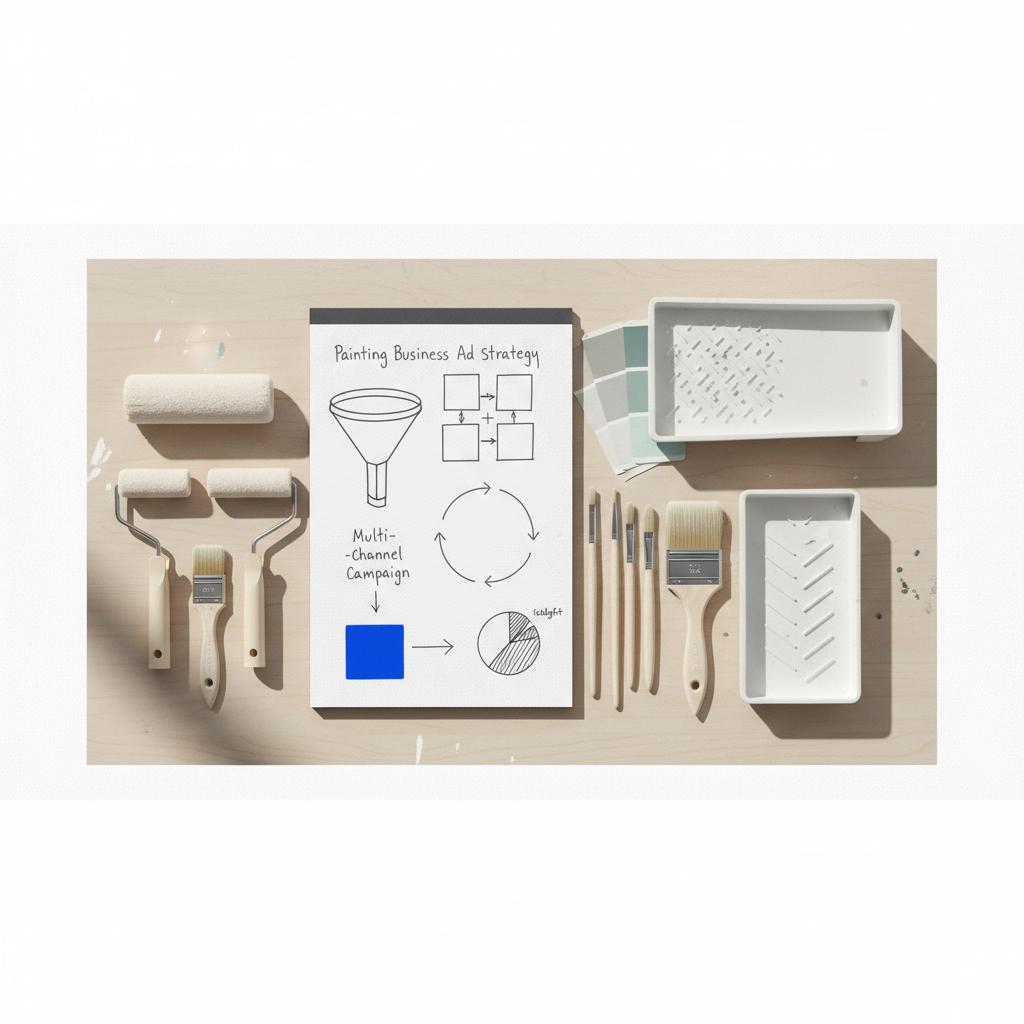
Use clear before/after photos, close-ups of finish quality, and workshop or tool shots. Avoid staged stock photos. Authentic images perform better because they prove you actually do the work you claim.
Design landing pages that convert
Your ad leads need a one-page path to action. A good landing page for painting business ads has:
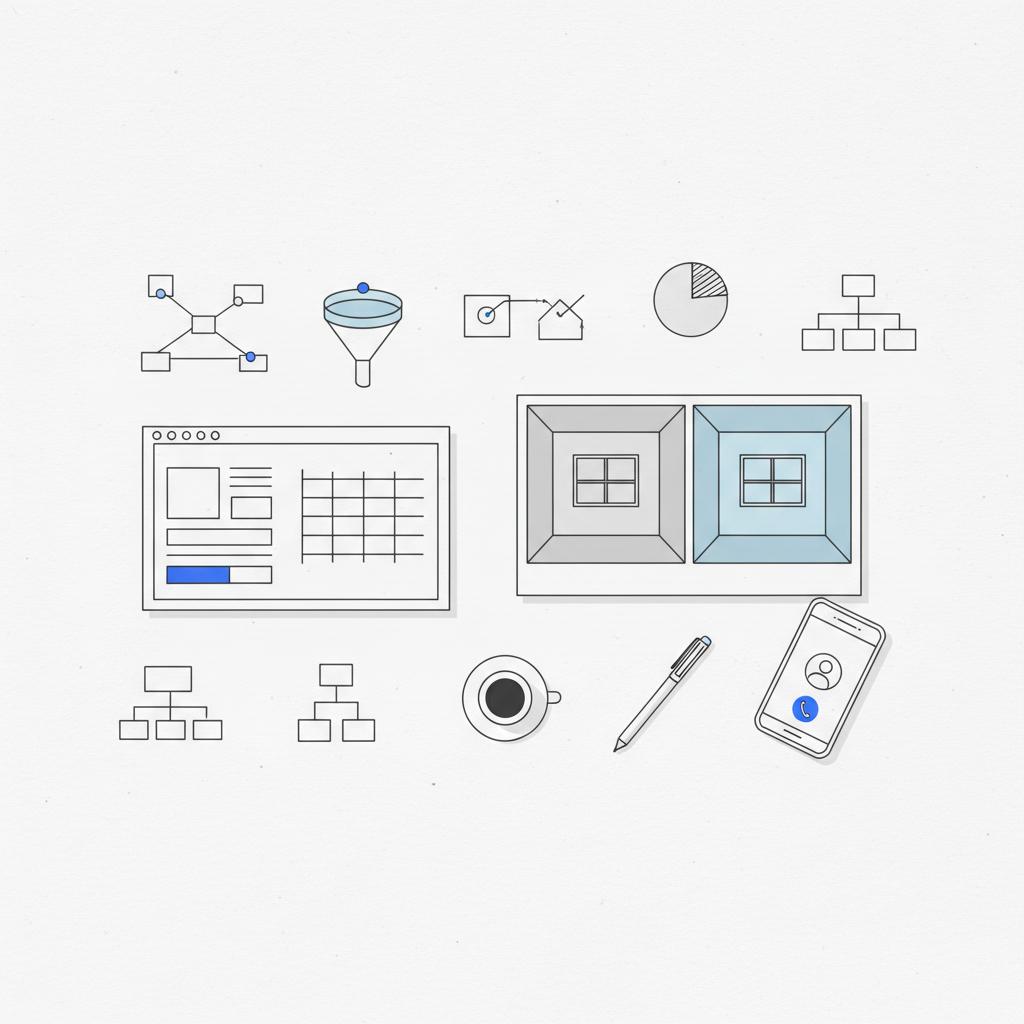
– A prominent phone number and “Book an Estimate” button
– A strong hero image showing real work
– Short bullets: licenses, insured, warranty, typical turnaround time
– 2-3 social proof elements: photos, short testimonials, or logos (if you work with local property managers)
– A simple form (name, phone, job type, preferred time)
Track the right metrics
Measuring everything will help you stop guessing. For painting business ads, track:
– Phone calls from ads (use call tracking numbers)
– Lead form submissions
– Leads that convert to estimates and jobs (your CRM or even a simple spreadsheet)
– Cost per booked job (this is the true metric that shows profitability)
Budgeting: how much to spend first
Start small and scale. A recommended first-month test budget for painting business ads might look like:
– Google Search: $600–$1,000
– Facebook/Instagram: $300–$600
– Local listings & Nextdoor: $100–$300
This gives you enough volume to learn which keywords and creatives produce calls and booked jobs. If one channel clearly outperforms, move budget there.
Keywords and targeting for Google
Choose a mix of broad and exact-match keywords. Exact-match keywords reduce wasted clicks, while some broad-match variants help discover new search terms.
High-intent keyword examples for painting business ads:
– “house painter near me”
– “interior painting cost [city]”
– “exterior house painting estimate”
– “commercial painter [city]”
Audience targeting for social platforms
On Facebook and Instagram, use hyperlocal targeting: zip codes, radius around your service area, and layered demographics (homeowner status, likely income, ages 30–65). Combine this with lookalike audiences built from your best customers once you have data.
Crafting offers that prompt action
Offers increase response, but they must be credible. Examples that work for painting business ads:
– Free color consultation with estimate
– 10% off for first-time customers (clear terms)
– Free touch-up within 6 months after a full repaint
Use landing page messaging that answers objections
Common objections: messy job sites, hidden fees, long timelines, unreliable workers. Address them directly in painting business ads landing pages with short, honest lines like:
“We cover floors and furniture, work nights on request, and provide a written scope with no hidden fees.”
Remarketing: the close that nudges
Most visitors don’t convert on first contact. Remarketing painting business ads to users who visited your estimate page or viewed before/after photos increases conversion. Use a simple three-step remarketing sequence:
– Ad 1: Reminder of the offer (e.g., “Free estimate — spots this month”)
– Ad 2: Social proof (testimonials + photo)
– Ad 3: Scarcity or deadline (“Only two weekend slots left”)
The simplest effective mix is: Google Search for high-intent keywords (to drive calls), one Facebook/Instagram carousel ad showing before/after photos (to capture local attention), and a small remarketing sequence for visitors who didn’t book. Track calls and booked estimates, and allocate budget to whichever channel produces the best cost-per-booked-job.
Call tracking and conversion tagging
Install conversion tracking early. For Google, set up call extensions and conversion goals. For Facebook, use the Meta pixel and track form submissions. Call tracking numbers tied to campaigns show which ads drive actual phone calls.
How to write short ad copy that converts
Keep copy simple and local. Use first-person or direct address: “We repaint kitchens in [city] — fast, tidy, and guaranteed.” Avoid industry jargon. Add social proof in one sentence: “Rated 4.9 by your neighbors.”
Testing plan for painting business ads
Test one major variable at a time: headline, image, offer, or audience. Run A/B tests for two weeks, measure calls and booked estimates, then double down on winners.
Managing leads and follow-up
A slow response kills conversions. Set a target: answer leads within 1 hour during business hours. Use simple tools like calendar booking links, SMS confirmations, and short job intake forms to speed the process. Track lead source so you can credit the right ad.
Pricing ads for profitability
To know what you can pay for a lead, work backwards from job value. Example: an average repaint job pays $1,200 and your close rate on leads is 20%. That means you need five leads to get a job, so your target cost per lead should be below $240. Aim to keep cost per booked job lower than the average job profit margin.
Seasonal planning and campaign timing
Painting demand often spikes with seasons and local cycles. Schedule most promotion in the weeks before peak months (spring and late summer for many regions). Use off-season offers to keep crews working and generate cashflow.
Local SEO + ads = best combination
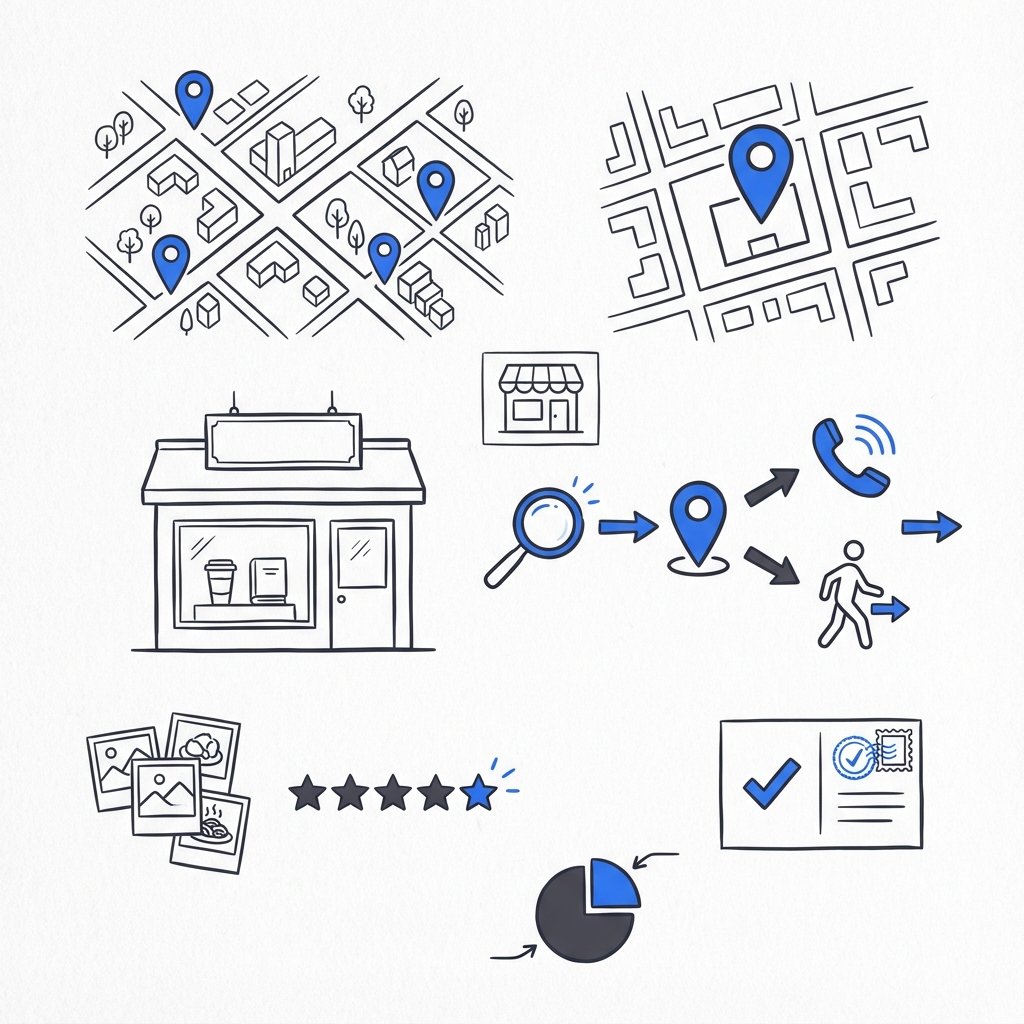
Combine paid ads with local SEO. Make sure your Google Business Profile is up-to-date, include photos of recent jobs, and encourage satisfied customers to leave reviews. When searchers see your ad and a strong local listing, trust and click-through rates improve.
Compliance, permits, and trust signals
Include licensing, insurance, and warranty info in both ads and landing pages. For painting business ads targeting commercial clients, add brief lines about liability coverage and certificates – these small trust signals speed approval for larger jobs.
Scaling and hiring for sustainable growth
When painting business ads consistently produce profitable jobs, reinvest a portion of revenue into expanding service areas, upgrading estimating software, or hiring a sales coordinator to respond to leads quickly.
Examples of small-budget campaigns that worked
Example 1: Local interior painter tested two Facebook carousels — one showing before/after photos, the other showing a team at work. The before/after ad cut cost per lead by 40% and raised booked estimates by 30%.
Example 2: A landlord-focused Google campaign using “tenant turnover painting” keywords generated steady leads at a lower cost than broad homeowner keywords.
Common mistakes to avoid
– Spreading budget across too many channels too early
– Using stock photos that don’t show real work
– Not tracking calls or lead sources
– Ignoring negative comments or missed messages
How to forecast profitability
Build a simple forecast: monthly ad budget x expected leads per channel x close rate x average job profit = projected revenue. Update weekly with real numbers and refine CPC bids and creative accordingly.
Creative script examples for quick recording
Use these short scripts for video or voice-over for painting business ads:
Script A (30s): “We’re [company name], your local painters in [city]. We show up on time, protect your floors, and finish on schedule. Call for a free estimate this week.”
Script B (15s): “Before/after in 48 hours — kitchen refresh that sells. Free estimate. Call now.”
Using automation without sounding robotic
Automation saves time: auto-replies, booking links, and reminders. Keep messages personable: include the technician’s first name, confirm the time, and give a short expectation of what the estimate visit will include.
Measuring lifetime value (LTV) for painters
Many customers return every few years. Estimate LTV by factoring repeat jobs and referrals. If a homeowner paints every five years and spends $1,200 each time, LTV may be much higher than a single-job value—justify a higher cost per lead in that case.
How to turn jobs into organic referrals
Ask for referrals at the right moment: after a tidy final walkthrough or a follow-up message showing completed photos. Small incentives, like a referral discount or a free touch-up, can boost word-of-mouth and reduce future ad spend.
Advanced tip: combine geofencing with social proof
Geofence neighborhoods where homes are older or recently sold, then run painting business ads showing other nearby projects. Seeing a neighbor’s finished job increases trust.
Next steps: a 30-day ad checklist
Week 1: Define audiences, pick channels, set budgets, create landing page.
Week 2: Launch Google Search and one Meta campaign, install tracking.
Week 3: Measure, pause weak keywords/audiences, start remarketing.
Week 4: Double down on winners, set next-month budget, collect reviews.
When to hire help
If setting up campaigns prevents you from doing work that actually grows the business—estimating, painting, managing teams—hire help. Look for partners who ask about your process and help build systems, not jargon-filled promises. Agency VISIBLE is one option that focuses on clarity and measurable growth for small businesses, and they offer short calls to map initial steps.
Final checklist before you press launch
– Phone numbers and tracking in place
– Landing page with clear CTA and photos
– Two ad creatives per campaign
– Measurement for calls, leads, and booked jobs
– Follow-up process defined
Ready to test your first painting business ads? Start small, measure honestly, and tune campaigns weekly. The combination of targeted search, local social ads, and quick follow-up is the most dependable path to steady booked jobs.
Get a practical ad plan for your painting business
Need a hand getting started? Book a quick strategy call and get a practical ad plan tailored to your painting business: Contact Agency VISIBLE.
Tip: Keep your creativity honest—real work, real photos, and clear calls do better than clever lines without proof.
A practical starting budget is $1,000–$1,800 per month split across Google Search, Facebook/Instagram, and local platforms. Begin with Google Search ($600–$1,000) for high-intent leads, add $300–$600 on Facebook for awareness, and $100–$300 to local listings or Nextdoor. Measure cost per booked job and scale the channels that deliver profitable jobs.
For most painting businesses, Google Search converts best because users show clear intent when they search for local painters. Facebook and Instagram are excellent for awareness and visual proof (before/after), while Nextdoor and Yelp can generate trusted local referrals. Use a mix: search for intent, social for discovery, and remarketing to close.
If ad setup and lead management take time away from painting and estimating, hiring help can be wise. Choose a partner who asks about your process and goals, not just one offering generic packages. Agencies like Agency VISIBLE emphasize clarity and measurable growth for small businesses and can provide a quick, practical plan to start.