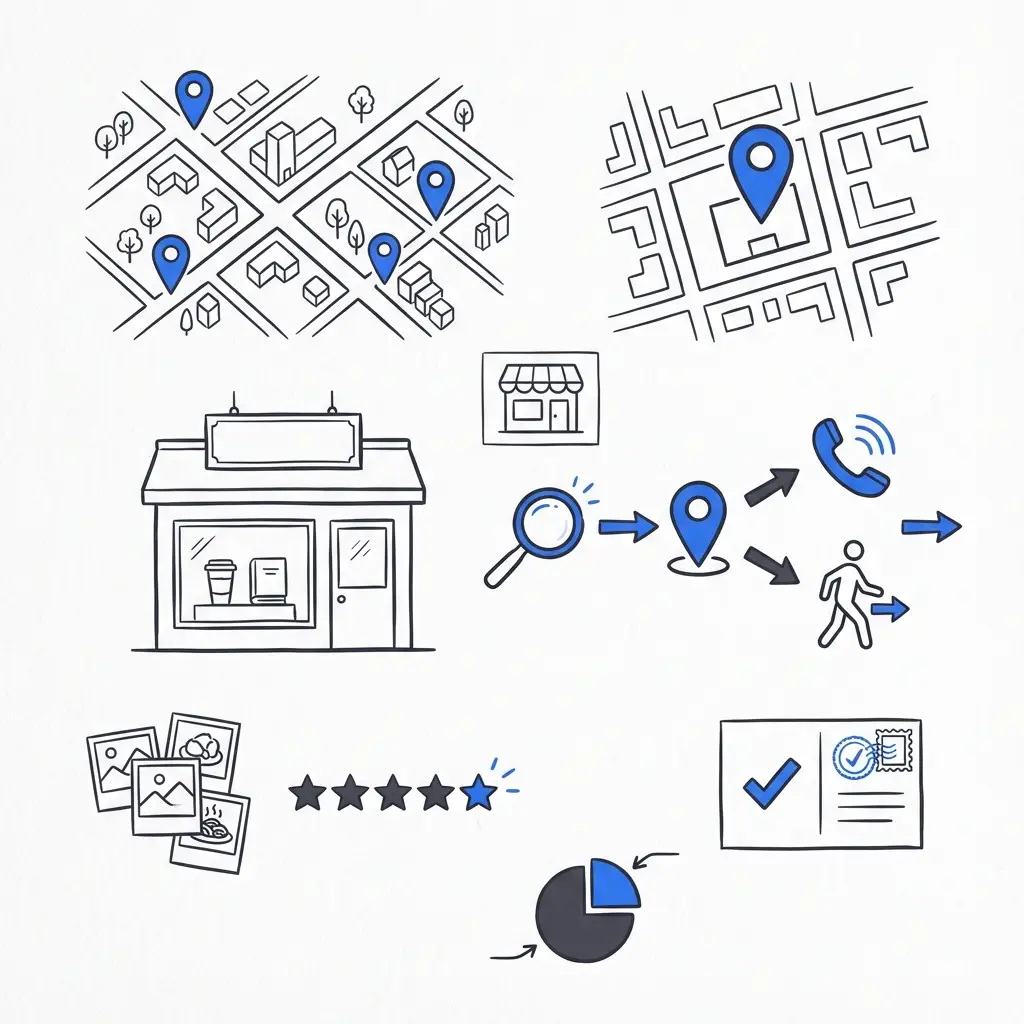
How to run ads as a real estate agent? A practical playbook for consistent leads
Paid paid advertising still sits at the center of most real estate lead generation plans for 2024-2025. If you’re asking how to run ads as a real estate agent, you’re asking the right question: paid channels deliver predictable volume and timing in ways organic alone rarely can. But the how has changed. Privacy shifts, rising CPCs in hot markets, and local competition mean agents must be far more deliberate about channel choice, tracking and what happens after a click.
This guide turns experience into action. It explains which channels to prioritize, how to set realistic budgets, what to track, and a simple 30/60/90-day plan you can implement this week. Throughout, you’ll get concrete examples, checklist items you can copy, and compliance reminders that keep you safe while you scale.

Why paid ads still matter — and where to start
When you want quick visibility for a listing or steady pipeline for buyer leads, knowing how to run ads as a real estate agent makes the difference between noise and predictable demand. Paid ads give two distinct advantages: control over timing and consistent volume. Want leads while you stage a listing? Paid search and local placements can put your property in front of active buyers immediately. Want to build neighborhood awareness or warm casual browsers into leads? Social placements with strong creative and retargeting do that.
But not all channels play the same role. Search ads (Google Search) capture high intent — people actively searching for homes — and are the best place to start if budget is tight. Social platforms (Facebook, Instagram, TikTok) help with awareness and visual storytelling and are powerful when paired with retargeting. Local channels — portal sponsorships, Google Local Services, and neighborhood marketplaces — often deliver lower CPCs for geographically focused campaigns.
Channel roles at a glance
Search (Google): high-intent capture; best for immediate, appointment-ready leads.
Social (Facebook, Instagram, TikTok): awareness and nurture; great for listing tours, video, and retargeting.
Local portals & marketplaces: neighborhood share-of-voice and lower-cost local leads.
Phone & local services: direct response for agents who still get high-value calls.
Where to focus first
Start with search if your budget is limited. If you can fund search plus a modest social test, you get both ends of the funnel: immediate capture and awareness-to-lead nurturing. If you are hyper-local — a single town or a handful of ZIP codes — add local portals early: they often beat broad search on cost per lead.
As a quick, practical tip, if you’d like a short audit of channel mix and a tested setup checklist, consider getting a friendly review from Agency VISIBLE — it’s an easy way to see where you can improve tracking and creative. Request a review on their contact page: Book a quick audit with Agency VISIBLE.
Tracking and attribution: the operational headache
One of the hardest parts of learning how to run ads as a real estate agent today is figuring out which clicks actually become revenue. GA4, iOS privacy changes, and the push toward a cookieless web reduce signal and make attribution noisy. That’s why a simple, practical measurement plan matters more than ever.
Combine these elements for a resilient setup:
1. GA4 for on-site behaviour and conversion funnels.
2. Server-side tracking to protect first-party signals and reduce browser loss.
3. Platform APIs like Facebook’s Conversions API to send events from server to platform.
4. Call tracking and offline conversion imports for phone leads and walk-ins.
5. A CRM process that marks leads as appointment, showing, and closed so you can import real outcomes.
Even when you implement these, expect some messiness: match rates will vary by market and by how many touchpoints a buyer has before closing. The key is to standardize tracking and import offline outcomes — then attribution gets steadily cleaner. For deeper reading on server-side recovery rates see this guide: server-side tracking guide.
Compliance and messaging: housing advertising is regulated
When you’re learning how to run ads as a real estate agent, don’t skip compliance. In the U.S., HUD and Fair Housing rules prohibit exclusionary targeting and discriminatory language. That means:
– Avoid targeting or copy that excludes protected classes by proxy (no targeting by race, religion, familial status).
– Use neutral language focused on property attributes (bedrooms, transit access, commute times).
– Review audience settings and remove demographic filters that could be problematic.
Follow similar rules in other markets under local laws. When in doubt, choose inclusive, needs-based language and consult local counsel if you run campaigns at scale.
Budgets that make sense for agents starting out
Money is the practical blocker for most agents. A simple set of rules works well:
Beginner agents: $500–$1,500 per month per channel. That funds basic search testing, initial social creative and a small retargeting pool.
Established solo agents or small teams: $2,000–$10,000+ per month across channels. At this level you can run a full funnel: search for capture, social for promotion and retargeting, local sponsorships for neighbourhood share-of-voice.
Split search budgets roughly 50/50 between branded/high-intent terms and broader in-market phrases. Adjust upward in competitive metros and downward in rural markets where CPCs are lower.
How to structure messages and landing flows that convert
One of the most frequent practical failures is mismatched promise vs landing page. Ads must lead to single-purpose landing pages. If an ad promises “3-bedroom homes under $600k near downtown,” the landing page should show those homes and a clear CTA to enquire or schedule a viewing.
Keep forms short. A two- to four-field form plus an option to book time immediately (calendar link) lifts engagement. After the form, do something immediate and human: a quick text, an automated scheduling invite, or a phone call within the hour. Speed matters. Across industries, conversion rates drop sharply when contact is delayed beyond the first hour – in real estate, that often means losing the lead.
Landing page checklist
– Promise match: the landing page content must reflect the ad.
– Clear single CTA: “Book viewing” or “Request details.”
– Short form + calendar link.
– Mobile-first design and fast load time.
– Visual proof: photos, floorplans, short video tours.
– Social proof: recent sales, quick testimonials (if compliant).
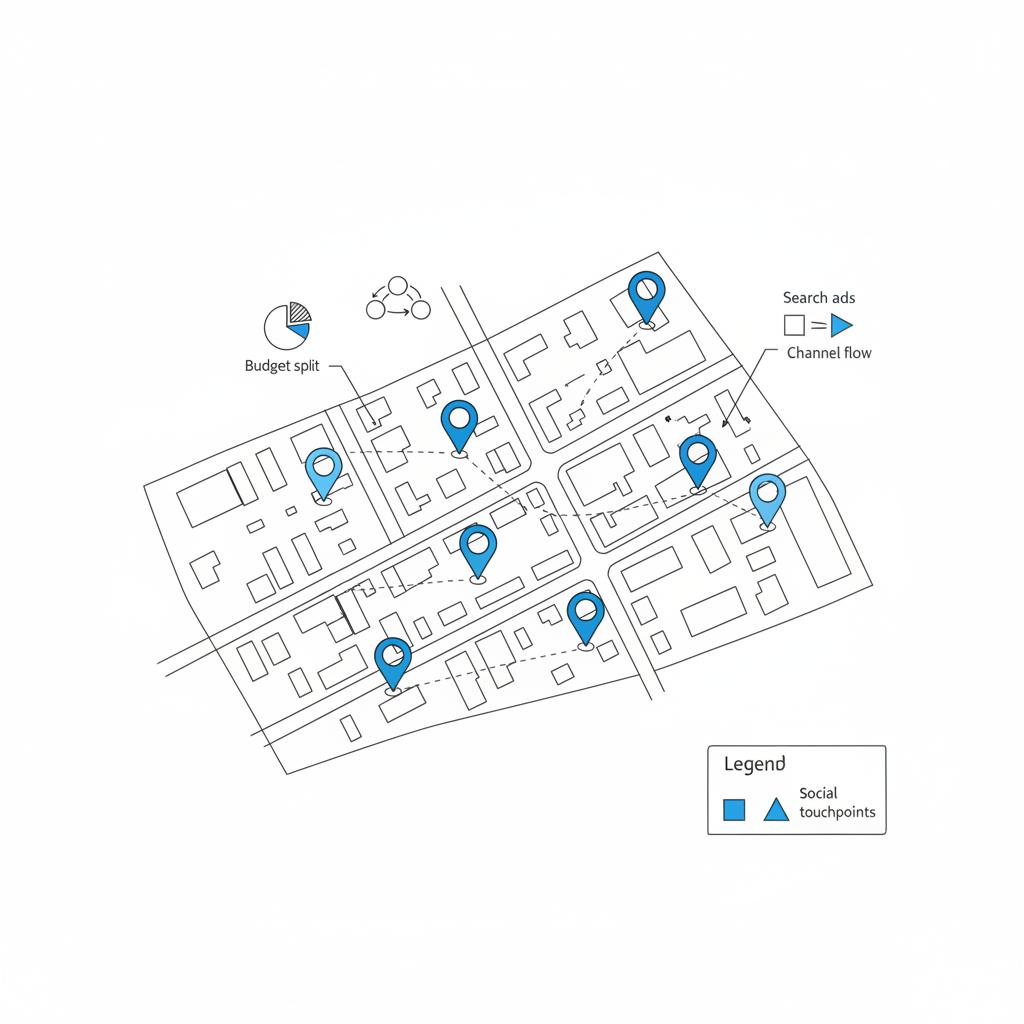
Speed of follow-up: your secret multiplier
How quickly you respond to a lead often matters more than the ad creative. A human response within an hour — ideally within 15–30 minutes — dramatically increases appointment rates. Build a simple follow-up flow in your CRM and assign responsibility: who answers texts, who calls, and what the first response looks like.
How to run ads as a real estate agent: a step-by-step 30/60/90 plan
Below is a practical, day-by-day view you can implement. It assumes you have basic assets (property photos, one or two videos, brand logo) and a small monthly test budget. A clear brand logo helps with recognition across social placements.

Below is a practical, day-by-day view you can implement. It assumes you have basic assets (property photos, one or two videos, brand logo) and a small monthly test budget. A clear brand logo helps with recognition across social placements.
Days 1–30: Setup & foundation
Goals: Set up accounts, install tracking, build single-purpose landing pages, prepare creative variants.
Key tasks:
– Accounts: Create or audit Google Ads, Facebook/Meta Ads, and any local portal accounts.
– Tracking: Install GA4, set up server-side tracking if possible, and configure platform conversion APIs.
– Calls: Add dynamic call tracking numbers and integrate with your CRM.
– Landing pages: Build one landing page per major offer (e.g., buyer leads, seller valuation, featured listing). Keep them single-purpose.
– Creative: Prepare at least two ad creatives for social (static image + short video) and 2–3 search ad text variants.
– Audiences: Set up retargeting pools for visitors and video viewers.
Days 31–60: Test & learn
Goals: Run tests long enough to gather useful signal. Focus on CTR, CPL, and landing conversion.
Key tasks:
– Test: Run search and social with small budgets; test two creative and two audience variants on social.
– Measure: Track impressions, CTR, CPC, cost per lead and landing page conversion rates.
– Pause & reallocate: Pause the worst-performing creative and shift budget to the winners.
– Import offline conversions: Bring phone leads and closed sales into the ad platforms to improve attribution.
Days 61–90: Scale winners & expand channels
Goals: Increase budget to top performers and add complementary channels.
Key tasks:
– Scale: Increase budgets 20–50% on campaigns with sustainable CPL and good lead-to-close rates.
– Add: Consider local sponsorships, a branded social video, or a small Google Local Services test.
– Optimize: Tweak landing page headlines, swap images, test CTA copy and form length.
– Report: Create a simple weekly dashboard that shows leads, appointments, and closed deals by campaign.
Example account structure
If you want a simple account map to copy: create separate campaign groups for branded search, in-market search, listing promotion and retargeting. Treat each listing as a single-purpose ad group in social with a distinct landing page if the listing is the focus. See sample work on the Agency VISIBLE projects page.
Real examples that show how this works
Example 1: Mid-sized city, family neighbourhood. Budget: $2,000 month ($1,200 search, $800 social). Search delivers fewer but higher-quality leads that convert to appointments. Social generates more leads that need nurturing. After 60 days, two buyer deals closed from search and one renter converted to buyer six months later via social retargeting. Importing offline conversions showed search had the lower cost per closed sale.
Example 2: Competitive metro market. Budget: $6,000 month. Heavy search spend + local portal sponsorship + call tracking. CPCs are high, but call tracking and offline uploads made it clear which campaigns really drove showings. A hybrid approach kept the pipeline full while longer-term social creative warmed audiences.
Creative & copy ideas that work for real estate
Short templates you can adapt:
Search ad — buyer intent: “3-bed homes near [Neighborhood] — Open house Sat” CTA: “Schedule a viewing”
Search ad — seller lead: “How much is my home worth in [ZIP]? Get a local market report” CTA: “Get your free report”
Social ad — listing video caption: “Step inside this 3-bed family home near top-rated schools — book a tour today” CTA: “Book a tour”
Use short, benefit-led copy and include a clear action. Pair video tours with a “Book viewing” button and a short form that collects name, phone and preferred viewing time.
Technical tips from experience
If you can only do three things, do these:
1. Install GA4 and basic events. Track pageviews, form submits and click-to-call.
2. Set up server-side tracking and use platform conversion APIs. This reduces signal loss and improves match rates.
3. Capture offline outcomes and upload them. Mark leads as appointment, showing, and closed, then import conversions into ad platforms. This turns noisy attribution into business-level insights.
Phone tracking deserves special attention. Use dynamic number insertion to attach calls to campaigns and landing pages, record the call source in the CRM, and import the conversion if it leads to a showing or sale. Over time, this clarifies which keywords and creatives produce real revenue.
Common mistakes and how to avoid them
– Treating ads as a magic box: Without a follow-up process, leads cool and cost per closed sale balloons.
– Fragmented tracking: If GA4, server-side and platform conversions aren’t aligned, you’ll get conflicting data.
– Overreliance on last-click credit: Real estate buying typically involves many touchpoints. Use a practical attribution window and track leads through close.
Speed of follow-up — responding to a lead within the first hour, ideally within 15–30 minutes, consistently increases appointment rates and often yields the biggest improvement in cost per closed sale.
How privacy changes will continue to matter
Privacy changes will keep reshaping how you learn how to run ads as a real estate agent. Expect match rates to change, retargeting pools to shrink and some targeting options to be limited or removed. The solution is simple in principle: invest in first-party data (email lists, phone numbers, CRM records) and server-side tracking so the signals you own remain reliable.
Measurement KPIs that actually matter
Use a small set of KPIs that focus on business outcomes:
– Leads per week (volume)
– Cost per lead (CPL)
– Appointment rate (leads > appointments)
– Lead-to-close rate (most important — revenue-focused)
– Cost per closed sale (ultimate campaign health)
Run weekly checks and a monthly business review that ties ad spend to closed deals – that’s how you see which campaigns actually grow revenue.
Scripts and first-response templates
Short templates for quick follow-up:
Text after form submit: “Hi [Name], thanks for your inquiry about [Property/Report]. I’m [Agent Name]. Are you available for a quick call today or would you prefer to book a viewing?”
Call script opener: “Hi [Name], it’s [Agent Name]—thanks for reaching out about [Property]. I can send available viewing times now or walk you through details—what would you prefer?”
Assign someone to respond within 30 minutes if possible. Fast human contact increases appointment rates dramatically.
Advanced ideas for agents who want to scale
If you’re ready to grow beyond basic tests, consider these:
– Lead nurturing sequences: Email or SMS drips that send new listings, market insights and case studies over 30–90 days.
– Listing-specific retargeting: Serve people who viewed a property a 15–30 second video tour and a “Book viewing” CTA.
– Market report funnels: Offer a free neighbourhood market report in exchange for email and phone — a reliable seller-lead generator.
– Lookalike audiences for social: Use your best customers (closed buyers) to seed lookalikes and find similar high-value prospects.
A practical weekly cadence for managing ads
Keep it simple and repeatable:
Monday: Review last week’s lead volume and appointments.
Wednesday: Check creative performance (CTR, landing conversion).
Friday: Update budgets and pause poor performers. Upload offline conversions for the week.
What success looks like
Success is not traffic — it’s closed deals. A healthy program shows stable or rising leads, improving appointment rates and a falling or stable cost per closed sale. If you see lots of leads but few appointments, fix follow-up before spending more on ads.
Ready to turn clicks into closed deals?
If you want help implementing any of these steps or a short, practical audit of your ad setup and tracking, get a direct line to Agency VISIBLE and let their team show you the next steps: Contact Agency VISIBLE for a quick audit.
Frequently asked questions — quick answers
How quickly should I expect leads? Some markets show results in days, especially on search. Social usually needs time to warm audiences. Expect a consistent stream after the first 30 days of setup and testing.
What is a realistic cost per lead? It varies by market and channel. Expect higher CPLs in competitive metros and lower CPLs in suburban or rural markets. Track cost per closed sale for a real view of performance.
Should I run both search and social? If budget is tight, start with search. If you can fund both, use social for awareness and retargeting. The two work best when messaging and landing pages are consistent.
Final practical checklist before you launch
– GA4 installed and basic events tracked.
– Server-side tracking or conversions API in place if possible.
– Call tracking with dynamic number insertion.
– Single-purpose landing pages that match ad promises.
– Short forms and a rapid follow-up workflow.
– Weekly reporting and monthly tie-back to closed deals.
Closing thoughts
Paid advertising for real estate is a tool – not magic. Learn how to run ads as a real estate agent by building disciplined measurement, simple follow-up processes and realistic budgets. Test, learn, refine, and focus on cost per closed sale rather than vanity metrics. With the right setup, paid campaigns can reliably fill your calendar with meaningful buyer and seller conversations.
If you’d like a sample account structure or a step-by-step GA4 and server-side event plan for your market, say the word and I’ll draft it for you — ready to copy into your ad accounts and CRM.
Some markets respond in days—especially search campaigns that capture high-intent buyers. Social campaigns usually take longer to warm because they rely on awareness and retargeting. A practical benchmark is a consistent stream of leads after the first 30 days of setup and testing, provided tracking and follow-up are in place.
Beginner agents commonly start with $500–$1,500 per month per channel to gather enough data for testing. More established agents or small teams often run $2,000–$10,000+ monthly across channels to fund a full funnel. Adjust for market competitiveness—metros require higher CPCs while suburban or rural markets often do more with less.
Review audience definitions and remove demographic filters that could exclude protected classes. Use neutral, needs-based language (bedrooms, commute times, proximity to schools) and avoid wording that implies preferences for specific personal attributes. When operating at scale, consult local counsel to ensure compliance with regional advertising rules.
References
- https://agencyvisible.com/contact/
- https://agencyvisible.com/
- https://agencyvisible.com/projects/
- https://www.sangfroidstudio.com/blog/ga4-server-side-tracking-basics-for-lead-generation
- https://usercentrics.com/guides/server-side-tagging/google-analytics-server-side-tracking/
- https://www.tracklution.com/learn/server-side-tracking-guide-2025/