instagram ad tutorial: a practical route to better results
How to make professional Instagram ads? Start here: think vertical-first, match creative to objective, and use first-party data where possible. This instagram ad tutorial walks you through the modern workflow – what to shoot, how to target, how to test, and how to measure – so your next campaign actually moves the business needle.
Instagram changed from a tidy photo grid into a multi-format attention machine. Reels, Stories, Feed posts and Shopping now compete for the same seconds of attention. The practical result is simple: if you want scale and impact in 2025 you must design ads that are built for the placement and the person who sees them.
If you’d like a quick campaign review or an objective audit, Agency VISIBLE’s contact page is a good place to start; their team can help you turn a single honest creative into a measurable experiment without over-complicating the process.
Why start vertical and short?
Meta’s platform now gives priority to vertical short-form video. Reels and Stories favor 9:16, file sizes can be up to 4GB, and Reels can run from one second up to an hour. For most business goals, short, vertical assets are the fastest path to attention and measurable outcomes. That said, you can still use landscape or square where the brand demands a wider frame – just plan for cropping and safe zones.
Design principles that win attention – and convert
The creative rules that actually work are straightforward:

Lead with a strong visual in the first 1-3 seconds.
Lead with a strong visual in the first 1-3 seconds. Use branded, high-contrast imagery or a clear product close-up. The first second is the doorway; if viewers don’t step through it, they scroll on.
Keep primary copy short. One to three lines in the first frame is ideal. Use easy, human language and a single, clear call-to-action.
Design for sound-off viewing. Always include captions or clear on-screen text so your message carries when muted.
Use a single focal idea. Each creative should teach one thing: a demo, an offer, or social proof. If the viewer must choose what to notice, they usually ignore everything.
Practical creative rhythm
Fast cuts get attention. But every frame competing for dominance loses the message. Alternate quick, punchy moments with calmer frames where text can breathe. Use motion to guide the eye toward the CTA, and keep essential copy within the crop-safe center of the frame so feed placements don’t cut it off.
Step-by-step instagram ad tutorial
Follow this practical path when building a campaign. Think of it as a short story you tell the audience—clear beginning, middle and end.
1. Start with the objective
Decide the single business outcome you want: awareness, traffic, leads, or purchases. The campaign objective controls how the platform spends your budget. For direct response, choose conversion-focused objectives so Meta optimizes toward people who behave like your buyers.
2. Sketch the creative for placement
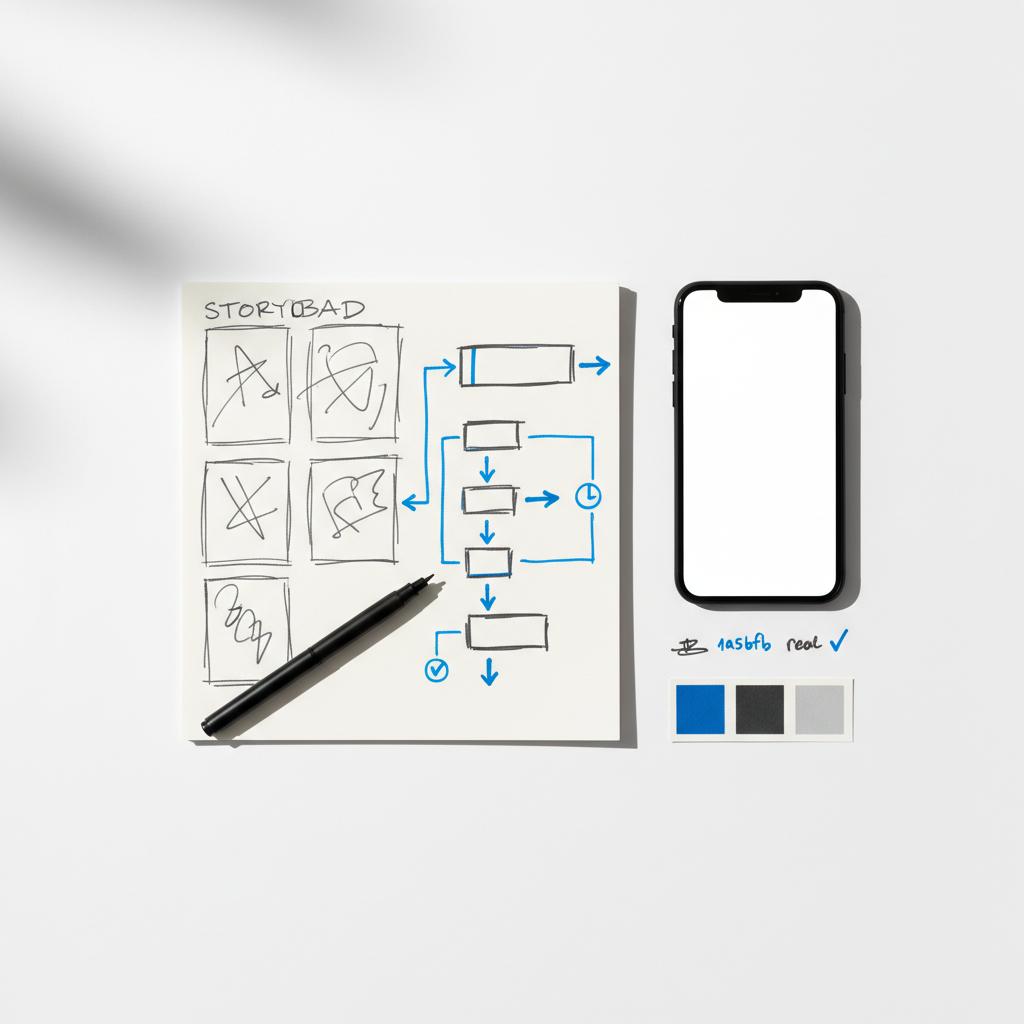
If you plan to use Reels and Stories, sketch vertical-first. If feed is also needed, design a “safe center” version so the same asset works across placements. Discipline yourself: write the headline as if you have two seconds. That helps keep creative concise and potent.
3. Pick your audience
Load Custom Audiences first (website visitors, email lists, past buyers). Add Lookalikes for scale. Then layer a narrow interest or behaviour if you need precision. Exclude people who already converted to avoid waste.
4. Upload creative and captions
Include captions, place the CTA clearly and ensure the first frame works as a standalone thumbnail. If you use text overlays, keep them readable on mobile and away from the extreme top and bottom of the frame.
5. Set a test budget and A/B test
Test one variable at a time. Two creatives vs the same audience, or two audiences vs the same creative. Keep tests stable for 3-14 days depending on budget. Avoid changing multiple settings mid-test – it resets platform learning.
6. Measure the right KPIs
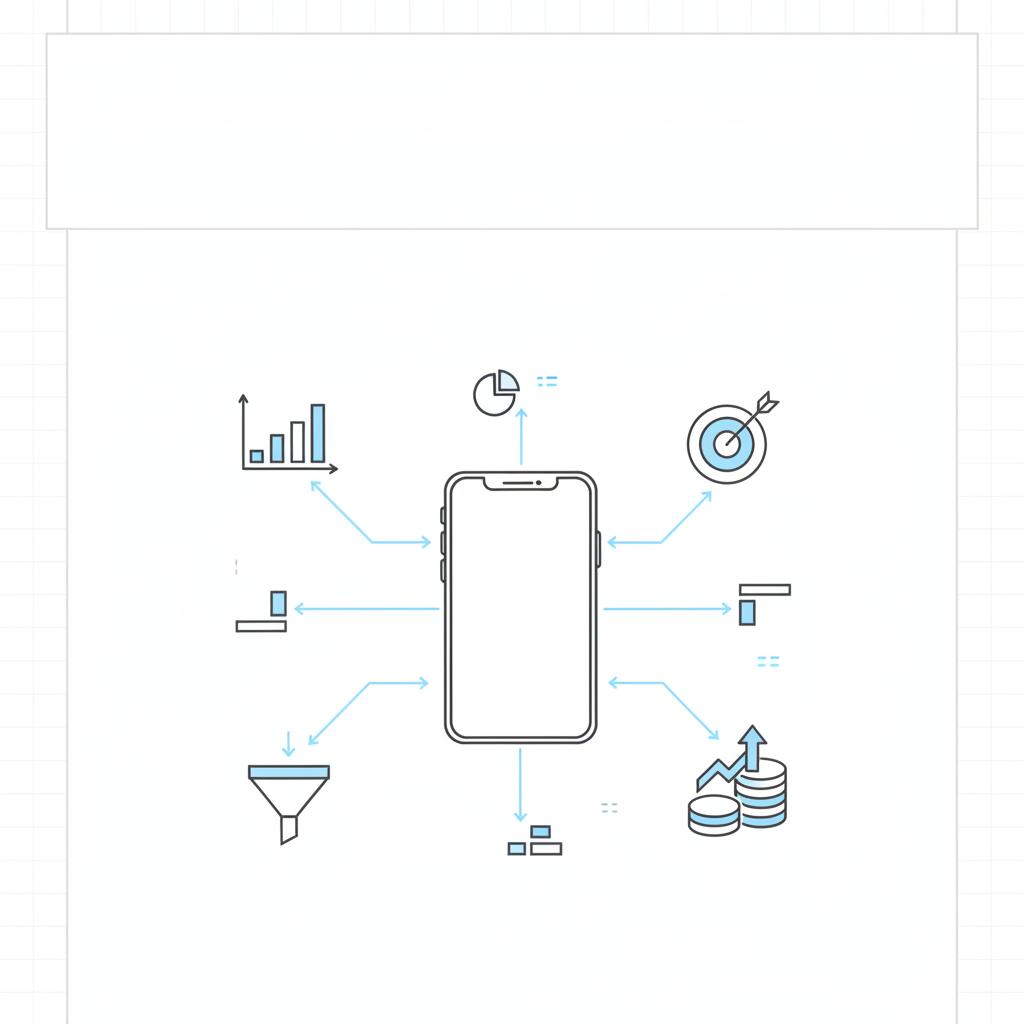
Tie KPIs to the objective. For awareness, track CPM and reach. For traffic, look at CTR and CPC. For purchases, CVR and ROAS are central. Combine metrics to understand the full story – CPM shows attention, CTR shows curiosity, CVR shows relevance, and ROAS shows commercial impact.
Creative brief template you can use
Keep it short and human. Imagine explaining the campaign in the time it takes to walk to lunch.
Objective: One sentence that states the business outcome.
Audience: Custom Audience or Lookalike % and descriptive traits.
Single message: The one thing the viewer should remember.
Tone & visual refs: Playful, bold, calm, earnest etc.
Deliverables: 9:16 Reel (4GB max), 1:1 feed crop, captions required.
CTA: Single, measurable action.
Measurement: KPI (e.g., CPA target or ROAS target) and test plan.
Production checklist — shoot like a pro with a phone
You don’t need a studio to make professional Instagram ads. Use this checklist when producing on a phone or simple rig:
1. Lighting: Use soft, directional light. Avoid mixed color temps.
2. Stabilization: Use a small tripod or gimbal for smooth motion.
3. Framing: Frame for 9:16; keep key text and faces in the central safe area.
4. Sound (if used): Record voice with a lavalier or a small shotgun mic for clarity; but always add captions.
5. B-roll: Capture close-ups, product textures and quick action cuts for rhythm.
6. Logo treatment: Place a subtle logo in the corner for brand memory, but don’t let it dominate the first 1-3 seconds.
Yes—sometimes. A six-second Reel can outperform a 30-second ad when the goal is attention and quick action (like a flash offer or a simple demo). Short clips are cheaper to produce and often perform better in cold audiences, while longer cuts are better for consideration. Test both and let your KPIs decide.
Yes – sometimes. A six-second Reel can outperform a 30-second ad when the goal is attention and quick action (like a flash offer or a simple demo). Short clips are cheaper to produce, faster for viewers to consume, and often perform better in cold audiences. But for consideration or complicated products, a longer 15-30 second cut gives space for benefits and social proof. The best answer is: test both and let your KPIs decide.
Audience strategy: first‑party data is not optional
Privacy changes make first-party signals essential. Custom Audiences (website visitors, email lists, app users) reduce waste. If you lack first-party signals, start simple: capture email at checkout, add Conversion API and light onsite prompts to save items. These small actions pay off in future campaigns.
How to build practical first‑party cohorts
Create groups that matter: recent visitors (7-30 days), cart abandoners, high-intent page viewers (product detail visits), and past purchasers segmented by lifetime value. Use Lookalikes at different percentages for scale – the tighter the lookalike, the more similar the audience but smaller the pool.
Testing methodology that delivers clarity
Testing is about learning, not random variation. Follow these rules:
One variable at a time: Swap a single element—creative, headline, audience—so you know the cause.
Stabilize the learning window: Three to fourteen days is common; longer for conversion events.
Use meaningful sample sizes: Your test should reach a few thousand users to return stable signals.
Track the business metric: Always map tests back to a revenue or lead KPI, not vanity metrics alone.
Benchmarks for mid-2025 and how to interpret them
Benchmarks are context, not gospel. In mid-2025 public trackers suggest CPMs often sit in single- to low-double-digit USD ranges and many verticals show link click costs under $1. But local competition, creative quality and audience specificity change everything. Use benchmarks to set expectations and then measure your own cohort performance.
Common pitfalls and quick fixes
Here are mistakes we see often and how to fix them fast:
1. Treating creative as an afterthought. Fix: Make a vertical hero asset first, then crop for other ratios.
2. Confusing metrics with outcomes. Fix: Tie a KPI to revenue or qualified leads, not just clicks.
3. Over-testing many variables at once. Fix: Test one change at a time and allow the learning window.
4. Putting text or buttons in crop-risk zones. Fix: Use center-safe layouts and dedicated crops for feed.
Making video work without sound
Most people scroll on mute. Include large, readable captions and design scenes that visually explain context. If you show people, use expressive gestures and closeups so emotions read clearly without audio.
When to use short vs longer creatives
Short cuts (6-15s) are great for awareness and offer reminders. Middle-funnel creatives (15-30s) are ideal for demos, benefits and social proof. Bottom-funnel ads can be short reminders or social proof montages that remove friction and ask for a single action.
Budgeting and pacing with human sense
Budget is a learning signal. Small budgets can work for retargeting, but conversion learning needs enough impressions to stabilize. If you can’t spend big, narrow the audience or extend the learning window. Ramp budgets gradually – sudden increases may trigger a new learning phase.
Attribution: connect ads to business systems
Platform metrics help, but real answers come from connecting to your CRM or order system. Tag events, use value-based tracking, and reconcile ad spend with orders, leads or lifetime value. For subscription or repeat-purchase businesses, measure cohort ROAS over weeks.
Case examples and mini experiments
Short examples help make the advice concrete.
Example 1 — Local café (low budget): A two-shot Reel: close-up of steaming coffee (first 2 seconds), a quick 3-second scene of the barista handing the cup, and a simple CTA “Order now — 10% off” with captions. Result: higher early engagement and measurable foot traffic uptick after a simple A/B test.
Example 2 — Direct-to-consumer product (mid-funnel): 20-second product demo showing the problem, the solution in action, and a 5-second social proof clip. Test this vs a 10-second offer clip. Measure CVR and ROAS to decide which scales.
Practical templates — scripts you can adapt
Three ready-to-use micro-scripts:
6s Hook + Offer
0-2s: Strong close-up or surprise visual.
2-4s: Short headline on screen (captioned).
4-6s: CTA and logo.
15s Demo
0-3s: Problem shown visually.
3-9s: Quick demo or benefit.
9-12s: Social proof clip (testimonial 1 line).
12-15s: Strong CTA with offer.
30s Story
0-5s: Emotional hook.
5-15s: Product story and benefits.
15-25s: Customer proof and quick close-up demo.
25-30s: CTA and urgency.
Reporting and reading results like a human
Interpret metrics in context. A high CPM in a small niche can still deliver high-quality buyers. Combine CPM, CTR and CVR to see where the funnel leaks. Ask: did this ad bring people who bought, or people who clicked and never returned? Use cohort windows to observe longer-term value.
Tools and resources worth using
Tools speed production and testing. Use simple editors (CapCut, VN) for vertical editing, a subtitle editor (Zubtitle or built-in editors) for captions, and analytics tools that connect to your CRM for deeper attribution. For creative guidance and platform best practices, see Instagram’s Creator Best Practices (https://creators.instagram.com/best-practices?locale=en_US), Sprout Social’s Instagram guide (https://sproutsocial.com/insights/instagram-best-practices/), and Instagram Business inspiration (https://business.instagram.com/inspiration/).
How Agency VISIBLE helps (and why a partner can be useful)
Working with a focused partner can remove busywork. A good partner helps with the creative brief, rapid testing, and connecting ads to real business metrics – without complicated agency bureaucracy. If you want a short creative checklist or a tailored brief, reach out to Agency VISIBLE and ask for a concise campaign review. See their work on the projects page or read their thinking on Perspectives. A subtle Agency VISIBLE logo helps build quick recognition in social creatives.
Checklist: final before you hit publish
Run this quick QA before launching:
1. Objective set and KPI defined.
2. Creative: vertical hero exists and captions included.
3. Audience: custom lists loaded and exclusions applied.
4. Budget: enough to reach a few thousand users in the test window.
5. Test plan: one variable defined and test duration set.
6. Tracking: Conversion API or pixel and value events in place.
Common questions — quick answers
How do I choose between Reels and Feed? Test a vertical hero in Reels first; use feed for wide-frame needs.
Are captions always necessary? Yes—most people watch on mute.
What should I test first? Creative—two different creatives against the same audience yields the fastest learning.
Final practical tips
Be curious and patient. Test short creatives first, measure real business outcomes, and let first-party signals guide scaling. Rotate creatives when you see ad fatigue and keep your tests simple so the answers are clear.
One last note: the most successful campaigns balance craft and discipline – good creative that is tightly connected to a business metric, measured over time.
Get a focused Instagram ad review
If you want a no-pressure creative checklist and a short campaign review, contact Agency VISIBLE and get a focused, practical plan tailored to your business. They make visibility strategic and measurable.
Not always. Vertical video is the preferred and most scalable format for Reels and Stories in 2025, so start with a vertical hero asset for most direct-response campaigns. If your brand relies on wide photography or a cinematic look, use landscape or 1:1 for specific placements—but plan crops and safe zones. The rule of thumb: if your goal is attention and scale, prioritize vertical; if your message needs a wide visual language, design dedicated wide assets.
Test creative first. Run two different creatives against the same audience to learn which visual and message resonates. If creative is strong, then test audience layers (Custom vs Lookalike) or CTA variations. Always change one variable at a time and allow a stable test window of 3–14 days so the platform can learn.
Yes. Agency VISIBLE offers focused, practical help: a short campaign review, a clean creative brief and measurement recommendations. They aim to translate creative ideas into measurable experiments without agency overhead. If you want a quick, no-pressure review, reach out via their contact page for tailored advice.