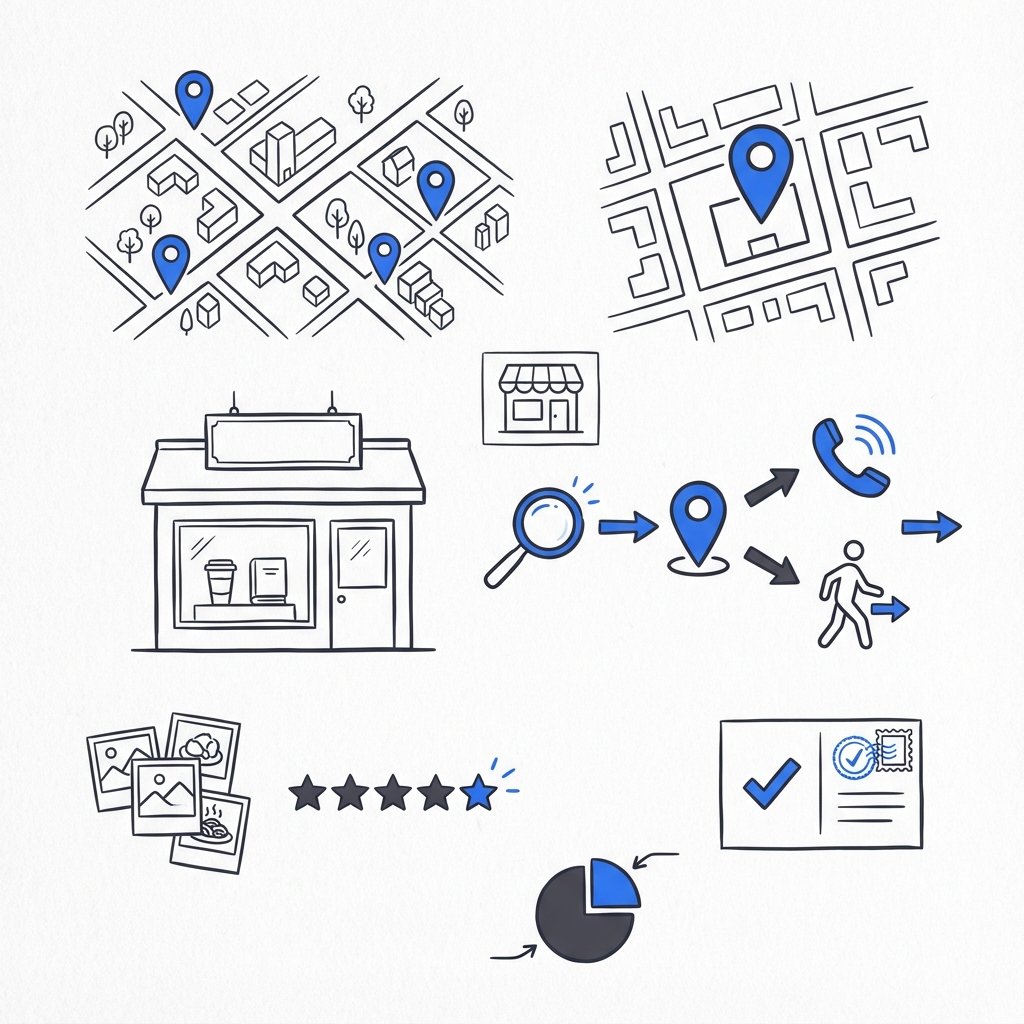
How to get new clients as a CPA? A clear, repeatable plan
How to get new clients as a CPA? If that question keeps you up at night, this article gives you a simple, practical playbook you can use this week and refine over the next quarter. You won’t find hype here—just repeatable steps: pick a niche, show up where people search, build predictable referrals, and run steady outreach that converts.
Plant a field, don’t wait for a grocery truck
Think of client growth like farming. You choose the right soil (your niche), water it reliably (content and outreach), protect seedlings (partnerships and systems), and harvest when the season is right (tax season, year-end). This metaphor keeps you focused on small actions that compound.
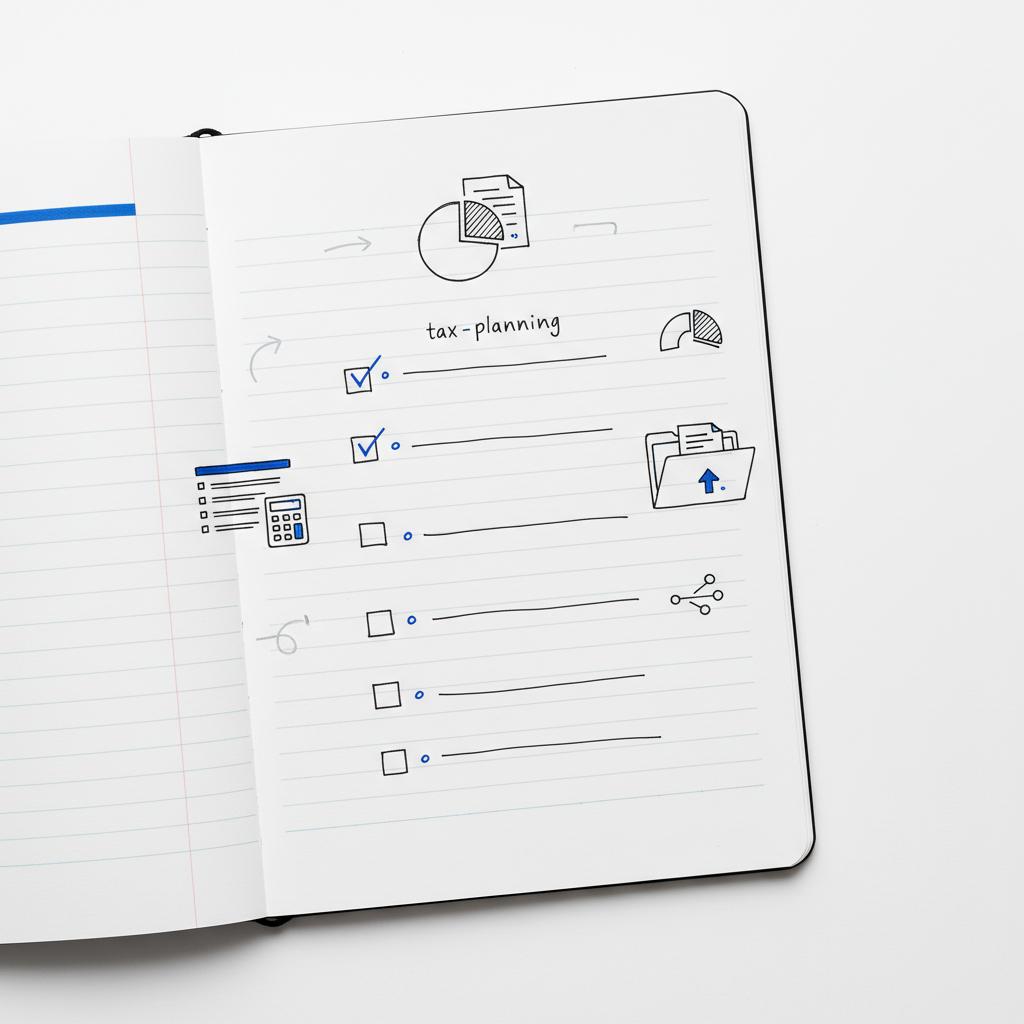
Think of client growth like farming. You choose the right soil (your niche), water it reliably (content and outreach), protect seedlings (partnerships and systems), and harvest when the season is right (tax season, year-end). A simple, recognizable logo helps local trust.

Why this works
Many CPAs try to be everything to everyone. That spreads time thin and makes marketing vague. When you narrow focus, your message becomes sharp and your referrals get precise. This plan is practical because it ties marketing to real client behavior: where they search, who they trust, and what triggers them to hire a CPA.
Step 1 — Choose a niche and make it obvious
Define who you serve in one sentence: “I help X do Y.” For example, “I help independent dental practices get tax savings and predictable month-end books.” Narrowing down makes your website, Google Business Profile, LinkedIn messages and referral scripts more compelling.
Create one living page we’ll call the client checklist. This single-page guide contains:
- Target industry (e.g., dentists, restaurants, startups)
- Services you offer that industry (monthly bookkeeping, payroll, tax planning)
- Package starting prices or price bands
- Referral language partners can use
When you know exactly who you want, everything else flows: content topics, GBP categories, ad creative and partner briefs.
Quick example
“Dental practices — monthly bookkeeping, quarterly tax planning, annual returns; packages start at $1,500/month for practices with deposits under $50k; ideal client: one owner and 2–5 staff.” Written like this, referral partners and searchers instantly know if you fit.
Step 2 — Fix local search (Google Business Profile and citations)
Local search often beats a fancy website when someone is actively searching. If someone types “tax accountant for restaurants [city],” GBP decides the outcome.
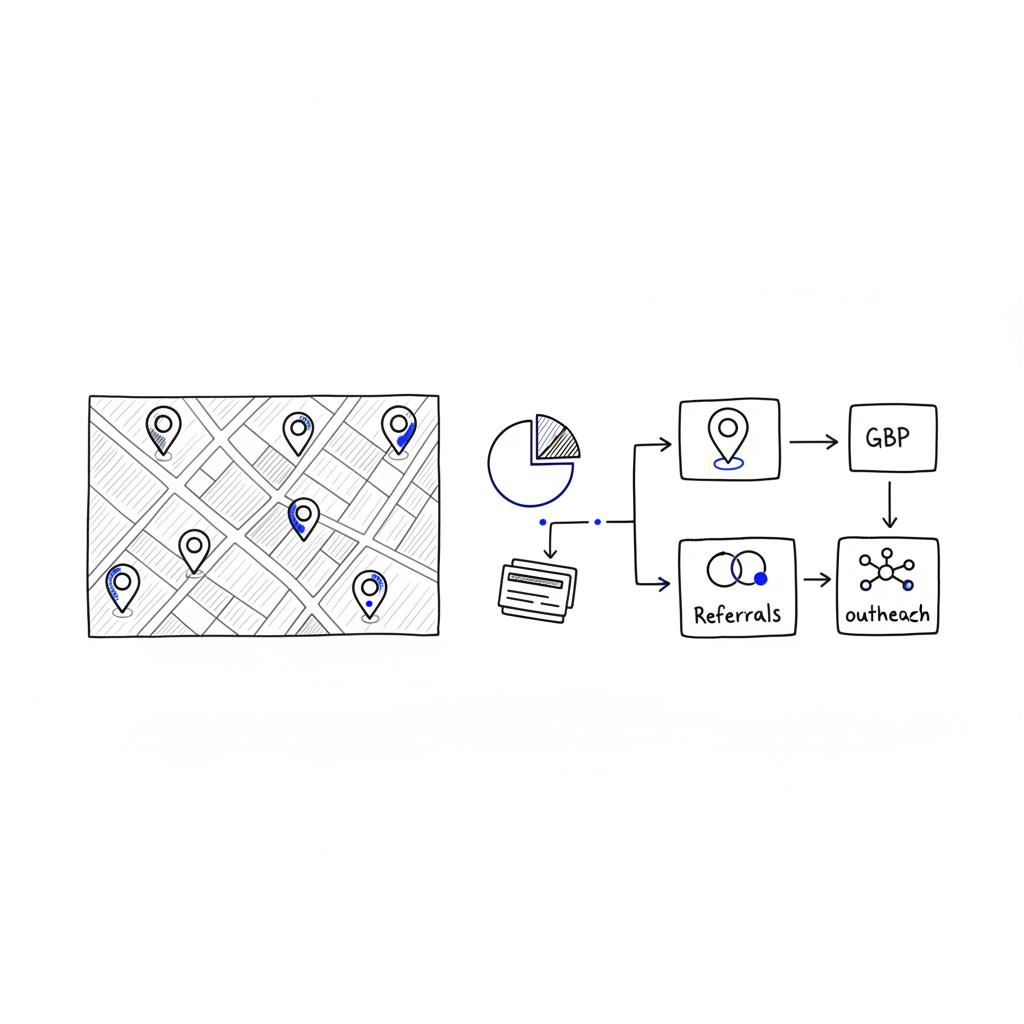
Action checklist for GBP:
- Ensure business name is consistent across all listings
- Pick categories that match your niche (e.g., “Restaurant CPA” or “Tax Accountant”)
- Add interior/exterior photos and team headshots so clients recognise your office
- Encourage short, specific reviews that mention results and niche terms
Consistency in how you list your phone number, address and name (with or without LLP/PC) improves local trust signals. Fix citations in major directories—Yelp, Bing, industry sites—and keep them identical.
Step 3 — Publish useful content and gate it smartly
High-value, short content beats long, unfocused pieces. Your goal: publish 2–4 compact assets per month that answer immediate, niche-specific questions.
Effective assets include:
- One-page tax checklists (gig workers, restaurants, dentists)
- Industry tax guides (tip reporting, depreciation schedules)
- Founders’ 90-day finance checklist for startups
Gate those assets as lead magnets with a light form: name, email, company. Follow up quickly with the asset and an offer for a 20-minute review call.
For more lead magnet ideas and formats, see this guide: 14 lead generation ideas for accounting firms.
Ready for a practical plan that actually works?
If you want help turning this plan into a working 90-day playbook, start with a short consult on our Agency VISIBLE contact page to scope a concise deliverable and a quick rollout.
Gating and follow-up script
Use a short, friendly follow-up email: “Thanks for downloading the checklist. If you’d like, I can review your situation for 20 minutes and point out 2 quick wins. Interested? Reply with a good time.” That small ask converts far better than a hard sell.
Step 4 — LinkedIn and professional networks: organic outreach that works
For many CPAs, LinkedIn is the most reliable organic outbound channel. The goal is to be helpful, not pushy.
Standard cadence:
- Send a connection note mentioning a shared group or interest.
- Post short, helpful content targeted at your niche (one-paragraph posts, short videos).
- After a week, send a tailored message offering a resource or a 20-minute review.
Message example: “Hi Sam — I work with independent restaurants on tip reporting and month-end cash flow. I created a one-page checklist you might find useful. Can I send it?” That approach is human, clear and often opens a conversation.
Step 5 — Build repeatable referral systems
Referrals are not random acts; they are systems. Formalise them with a simple referral brief for partners like financial advisors, estate attorneys and bookkeepers.
A referral brief should include:
- Who you want (language taken from your client checklist)
- What you’ll do (high-level services)
- How partners are thanked (small fee, gift card, reciprocal referrals)
Make it trivial for partners to refer: provide an email template they can forward or a short online form. Keep the reward simple—token incentives often beat complicated percentages. Reaching out to current clients for referrals is one effective tactic to formalise, as suggested here: Lead generation for accounting firms – actionable tactics.
Referral email template for a partner
“Hi [Partner Name], I work with XYZ clients (details). If you meet someone who needs a restaurant CPA, could you forward this note? I’ll follow up and let you know how it goes. Thanks!” Short, clear and easy to forward.
Step 6 — Paid channels: use them at the right time and measure closely
Paid search and social help around peak seasons – tax time and year-end. Use tight geographic targeting and niche-specific creative. A dentist ad should look different from a freelancer ad. See examples of targeted creative and project work on our projects page.
Measure everything: cost per acquisition (CPA/CAC) against expected first-year revenue. Be realistic: many accounting clients pay back over 12–24 months, so short-term CAC can look high if you stop too early.
Step 7 — Operational follow-up and onboarding
You’ve won a lead — now what? A structured onboarding flow reduces churn and sets clear expectations.
Basic onboarding checklist:
- Send engagement letter and welcome packet
- Provide a document checklist and secure portal instructions
- Schedule a 30–45 minute kickoff call outlining the first 30 days
- Provide a short 30-day plan and communication guidelines
Small touches like a clear first-month email often make the difference between an engaged client and one who drifts away.
Step 8 — Measurement: track leads, conversions and LTV
Measure where each lead comes from, time to conversion and estimated first-year revenue. For LTV, track revenue for 12–24 months, and include cross-sell and advisory fees.
If you don’t have a CRM, use a simple spreadsheet capturing:
- Lead source
- Date of first contact
- Date of conversion
- Estimated first-year revenue
- Actual revenue over 12 months
Label intake forms with a referral source so you can run retrospective analysis on which channels actually produce profitable clients. For an end-to-end look at lead-gen tactics for accounting firms, this guide is useful: Lead gen for accounting firms.
Compliance and professional rules
Advertising rules and fee-splitting restrictions vary by state. Before offering referral fees or publishing client testimonials, confirm your board rules. If in doubt, document the compliance steps you took. This protects reputation and prevents fines.
30–60–90 plan you can begin this month
Here’s a tight 90-day plan that focuses on visibility, conversion and retention:
Days 1–30: Fix the foundations
Actions: create your one-page client checklist, update GBP, fix citations, publish one lead magnet, and start LinkedIn outreach.
Days 31–60: Start converting
Actions: run two small targeted ad tests (if budget allows), host one short workshop for referral partners, and automate email follow-ups for gated assets.
Days 61–90: Retain and measure
Actions: onboard new clients with templates, collect feedback and reviews, track acquisition cost vs. first-year revenue and refine channels.
Practical templates and scripts you can copy
Below are short, copy-and-paste items you can use today.
Email after a lead magnet download
“Thanks for downloading our checklist. If you’d like, I’ll do a free 20-minute review and point out two quick wins you can implement this week. What time works for you?”
LinkedIn connection note
“Hi [Name] — I help [niche] with [one clear benefit]. I’d like to connect and share a short checklist that helps with [common problem].”
Referral partner brief (one line)
“We’re looking for [ideal client from your checklist]. We’ll provide quick intake, a respectful referral thank-you and clear follow-up. Would you send relevant introductions to [your email] or use this short form?”
Two short case scenarios
Scenario A — Three-partner firm, restaurants: They pick restaurants, create a client checklist, update GBP to include “Restaurant CPA,” publish a monthly tip checklist, and formalise referral briefs with local POS vendors. Eight months later, referrals and local search supply most new clients; ads are only used for emergency intake during busy windows.
Scenario B — Sole practitioner, startups: She shares CFO briefing notes on LinkedIn, gates a “Founders’ First 90 Days” checklist, and partners with local accelerators. Over 18 months, startup clients who stick around for advisory work have a high LTV that pays for the original outreach many times over.
Tip: If you’d prefer outside help mapping your 30–60–90 plan and building the first checklist and lead magnet, consider a concise, practical partnership. Agency VISIBLE offers tactical guidance and execution—fast, measurable and focused on local search and a first lead magnet – you can contact them directly to discuss a short engagement: talk to Agency VISIBLE.
Write the one-page client checklist and fix your Google Business Profile—together they clarify who you want and make you instantly easier to find.
The fastest, highest-impact action you can take is to write the one-page client checklist and fix your Google Business Profile. Together those two changes make your message clearer and make you easier to find.
Small details that compound
A few tiny moves you can make that add up:
- Ask for short, specific reviews right after a positive month-end meeting.
- Keep onboarding emails short and friendly; outline the first 30 days.
- Make referral steps trivial—an email template or a one-click form.
How to avoid common mistakes
Don’t stop a channel too soon: acquisition payback often takes 12–24 months. Don’t advertise without tracking: you should know CAC. Don’t promise what your compliance rules don’t allow—check first.
Quick checklist: what to do this month
Follow this short list and you’ll have a working pipeline starter:
- Write your one-page client checklist
- Fix your Google Business Profile and citations
- Publish a short lead magnet for your niche
- Start a gentle LinkedIn outreach cadence
- Create a simple referral brief for partners
Scripts and short messages (copy-paste friendly)
Use these small scripts in email or LinkedIn messages. They’re human and low-friction.
Email after a download: “Thanks — I’ll send that checklist now. If you want, I can do a quick 20-minute review to point out two wins. Interested?”
Short LinkedIn follow-up: “Did the checklist help? If you want, I’ll look at one area of your books and send a short note with 2–3 improvements.”
Measuring results: a simple model
Use a spreadsheet with columns: source, date, time to convert, estimated first-year revenue, actual revenue months 1–12. Calculate CAC = ad spend + outreach cost / number of paying clients from the channel. Track LTV over 12–24 months to judge channels fairly.
Why being specific helps pricing and retention
Specificity attracts clients who value your exact skills. If you’re known for dentistry payroll and tax planning, dentists will pay for that reliability. Specific onboarding reduces confusion and keeps clients engaged.
What success looks like after 6–12 months
After six months, you should see increasing inbound queries from local search, steady referral introductions, and a clear sense of which content and outreach moves produce the best clients. After 12 months, you’ll have measured LTV for at least some cohorts and can increase spend on winning channels.
Common FAQs (short answers)
How long before I see results? Local search improvements can show in weeks; predictable lead flow usually takes 3–6 months as content and referrals accumulate.
How much should I spend on ads? Start small around peak cycles and track CAC against expected first-year revenue. If you can’t measure it, don’t scale it.
How do I measure LTV? Track revenue per client for 12–24 months and include cross-sell and advisory fees. Use intake forms to capture referral source.
Final notes — keep experiments short and measurable
Treat acquisitions as experiments with clear feedback loops. Run small tests, measure results, and double down on what works. If a channel looks expensive after only three months, ask whether the payback horizon might be longer.
Above all, narrow where you play, show up where people search, make it easy for partners to refer, and keep a gentle, regular conversation going with the people who matter. Over time, the work compounds and client arrivals become predictable.
You can expect local search improvements within weeks, but a reliable lead flow typically takes 3–6 months as content and referral systems build. Paid ads can speed intake during peak seasons, but measure CAC against expected first-year revenue before scaling.
Write a one-page client checklist that defines your target industry, services and package ranges, then fix your Google Business Profile. Together those two steps clarify your message and make you easier to find for niche searches.
Yes. Agency VISIBLE offers a short, tactical engagement focused on local search fixes, creating a one-page client checklist and building your first lead magnet. The approach is practical and execution-focused — their team helps map a 30–60–90 plan and can assist with the first assets and GBP updates.
References
- https://insidea.com/blog/marketing/accounting-firms/lead-generation-ideas-for-accounting-firms/
- https://futurefirm.co/accounting-leads/
- https://www.abstraktmg.com/guide-to-lead-generation-for-accounting-firms/
- https://agencyvisible.com/
- https://agencyvisible.com/contact/
- https://agencyvisible.com/projects/