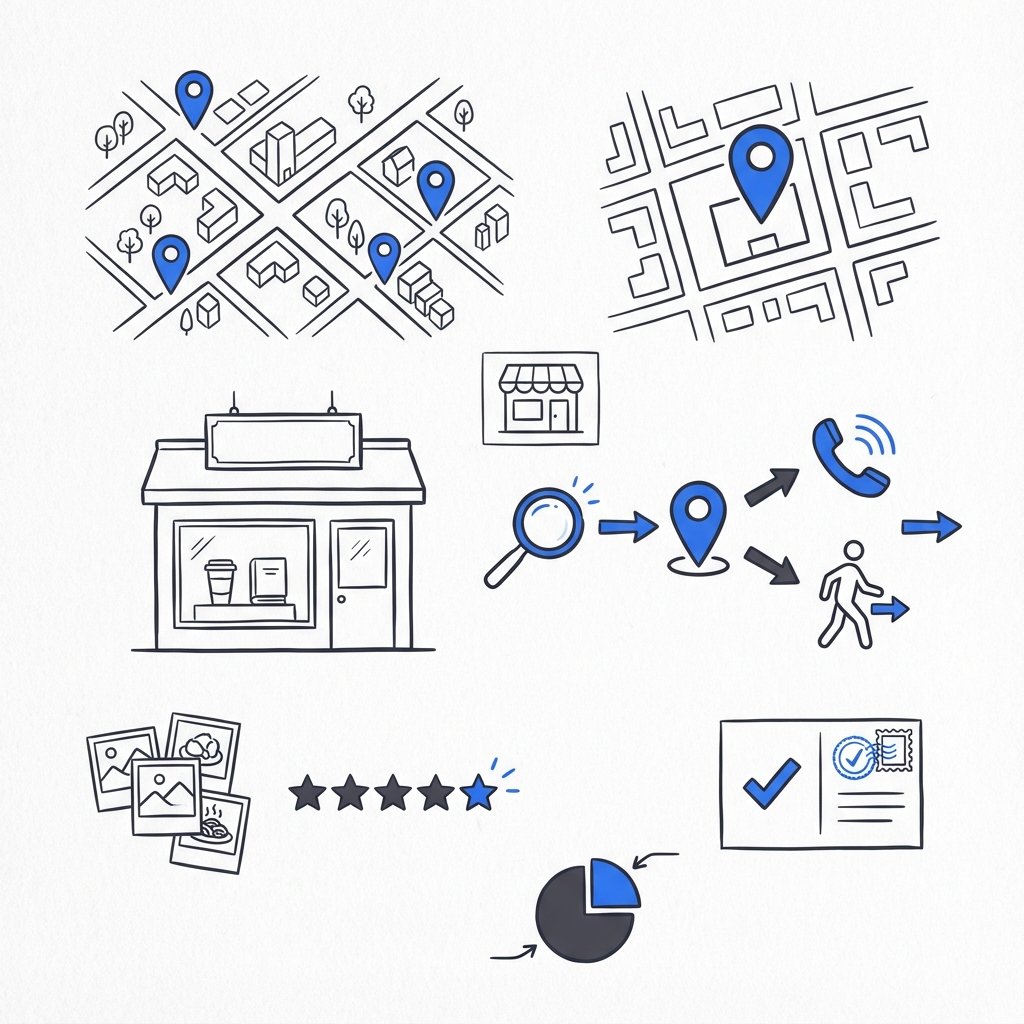
How to get more painting leads starts with being easy to find, fast to respond, and simple to trust. In 2025, painting leads come mostly from local searches, quick phone calls, and referrals – and the right mix of tidy local signals, reliable tracking, and repeatable follow-up will separate busy crews from guesswork.
Why local visibility beats loud ads
When homeowners type “painter near me” or tap a map pin, they’re already in a decision moment. That’s why painting leads from local search are higher intent than most social or awareness traffic. Make your Google Business Profile complete and current: clear service areas, accurate business hours, recent photos of finished jobs, and a few short posts that show new work. Those micro-updates tell search engines and people that you’re active – and that you care about craftsmanship.

Key local signals that drive painting leads

Photos: 6–12 clear, well-lit images of finished rooms and exterior work every month.
Reviews: Many recent, specific reviews that mention timeliness, protection of floors, and cleanup.
Service pages: Unique, short service descriptions on your website for interior, exterior, cabinet painting, and commercial work with local terms and schema markup.
Set up simple tracking before you scale ad spend
One of the fastest ways to waste ad money is to run campaigns without knowing which clicks become paying customers. For reliable measurements you need three things working together: call tracking, web events, and a CRM that records the lead outcome. With these you can calculate CPL, close rate, and return on ad spend – and make decisions instead of guessing.
Minimum tracking stack for painters
1) Call tracking: Use local-number swapping for paid ads and listings so each channel gets a unique number. That reveals which listing or ad produced the call.
2) Web events: Track contact form submissions, estimate requests, and scheduling clicks in your analytics (GA4 or equivalent).
3) CRM: Record source, job type, estimate given, close outcome, and final invoice value. Update the record when the job completes.
Quick wins you can implement this week
Prioritize a few high-impact moves rather than dozens of half-finished tasks. Try these:
1. Complete or refresh your Google Business Profile with new photos and updated hours.
2. Ask three recent customers for detailed reviews that mention what you protected, how long the job took, and whether touch-ups were included.
3. Add a single tracking phone number to any paid ads and one to your GBP so you can compare calls.
4. Draft a two-paragraph estimate template that explains scope, materials, and a simple next step.
5. Commit to responding to inbound leads within one hour during business hours.
For more tactics and a longer list of ideas see Painting Leads: Top 30 Strategies to Land More Jobs in 2025 – https://www.basecoatmarketing.com/learn/painting-leads/
If you want a quick second opinion on your tracking setup or a short test campaign, consider a brief chat with Agency VISIBLE. A quick conversation can clarify which paid channels to test first and help you set measurable KPIs – talk to Agency VISIBLE about a short measurement audit.
Which paid channels actually move the needle?
Not every paid channel is equal for painters. In 2025, search remains the top performer for conversion. Local Services Ads (LSA) often deliver fewer leads but higher intent because the platform pre-qualifies providers. Traditional Google Search text ads are great for targeted services: “garage floor coating near me” or “commercial painter for retail store.” Paid social and marketplaces are useful but more variable. For practical PPC tactics see this guide from WebFX – https://www.webfx.com/blog/home-services/painting-company-lead-generation-guide/
Where to invest first
1) Local Services Ads (LSA): Run these for exterior jobs and larger projects where verification and trust matter.
2) Targeted Google Search: Match ad copy to specific services and local queries.
3) High-quality social ads: Use for mid-ticket interior jobs with before-and-after visuals and a local call-to-action.
How to set a test budget that gives clear answers
Start with a conservative monthly test based on your local market size: from $500 in smaller towns up to $2,500 in larger metros. Run 30/60/90 day tests with clear KPIs – cost per lead, close rate, average job value, and return on ad spend. Expect to iterate: the first month is learning, the second refines, and by 90 days you should see patterns.
Sample 90-day testing plan
Month 1: Narrow keywords, set conversion tracking, and collect baseline CPL and lead counts.
Month 2: Pause underperforming ads, raise bids on converting queries, and optimize landing pages for local proof.
Month 3: Scale winning campaigns and reallocate budget from low performers.
Landing page checklist for converting visitors into painting leads
Top – clear headline with the service and location, a click-to-call button, and a photo of finished work.
Middle – three short bullets about what’s included, one short testimonial, and an estimate CTA.
Bottom – FAQ, a short contact form, and a visible guarantee about touch-ups or warranties.
Scripts and templates that raise close rates
Response speed and clarity matter. Below are scripts you can use and adapt.
Phone response script (first 60 seconds)
Greeting: “Hi, this is [Name] at [Company]. Thanks for calling – did I catch you about the [room/exterior] painting?”
Listen & qualify: Ask two quick clarifiers: “What room or surface is it? Do you have a timeframe in mind?”
Next step: “I can give a quick ballpark over the phone after two quick questions, or I can schedule a free onsite estimate tomorrow/Tuesday – which works better for you?”
Estimate template (two paragraphs)
Paragraph 1 (scope & protection): “This estimate covers [surface], including minor surface prep, [materials], two coats of finish, and protective measures for floors and furniture. Typical job time: [X] days.”
Paragraph 2 (price & next steps): “Estimated price range: $[low]-$[high]. To confirm an exact price we’ll come by for a 30-minute onsite measure and finalize details. If you’d like, we can tentatively reserve a start window for [date range].”
Follow-up sequence that turns inquiries into bookings
Many homeowners don’t book after the first call. A simple, consistent follow-up sequence lifts close rates significantly.
Follow-up flow (example):
Immediately: Thank-you text with your name, the scheduled estimate window or next step.
24 hours later: Quick follow-up call to see if they have questions.
3 days after estimate: Email with a photo of similar work, a short recap of the estimate, and an easy accept button.
1 week later: Short reminder and an offer for a small booking incentive or priority scheduling.
Pricing strategy: present value, not just numbers
Help homeowners see what’s included. Instead of leading with price alone, explain the outcome and protections: prep, number of coats, materials, cleanup, and warranty on touch-ups. Consider showing anonymous final invoices for similar jobs so buyers understand typical ranges.
Three ways to reduce sticker shock
1. Offer pricing bands rather than a single number at first.
2. Show what’s covered – “includes masking, minor drywall repair, and 48-hour touch-up window.”
3. Provide financing or staged payments for larger jobs.
Marketplaces and lead sites: use them, but don’t depend on them
Platforms like Thumbtack and Houzz can be a good source of volume – especially when entering a new neighborhood. But marketplace leads often come with higher lead fees and strong price comparison behavior. Treat them as a complement to local listing and organic work, not your only channel. See a residential-focused approach here – https://www.glasshouse.biz/blog/lead-generation-painting-residential
Offline channels that deliver the warmest painting leads
Referrals, realtor partnerships, and contractor networks often produce the best lifetime value. They arrive warmer and close faster. Build a referral program: a small gift card or discount for successful referrals can be more cost-effective than a month of ad spend.
Measurement: the numbers you must watch
Track these KPIs weekly in your CRM dashboard:
– Cost per lead (CPL) by channel
– Close rate (estimates that convert to jobs)
– Average job value by job type
– Return on ad spend (ROAS) and profit margin after labor and materials
With those numbers you can compare channels properly. For example: a high CPL from LSA might still be profitable if close rate and average job value are much higher.
Real examples that show the compounding effect
Small crews often see the biggest gains from consistent, low-cost moves. One two-person team doubled their calls in six months by updating GBP photos, asking for reviews after each job, and posting one clear service page with schema markup. Another mid-sized contractor used LSA for exterior jobs and search ads for interior work; tracking revealed LSA leads had a higher average invoice, so they invested more in LSA for exterior projects and kept search ads for volume. See examples in our projects – https://agencyvisible.com/projects/
Respond quickly to local intent: make your Google Business Profile complete, show recent photos and specific reviews, and answer calls within one hour during business hours. Pair that with a simple estimate template and a CRM to log outcomes so you can track which channels actually deliver paid work.
Common questions painters ask (and brief answers)
How quickly will I see results?
Improve your local listing and get a few fresh reviews and you may see more calls within days. Paid campaigns need 30-90 days for reliable data.
Is a CRM necessary?
Yes. Even a simple CRM that records lead source and outcome quickly pays for itself by helping you stop guessing.
What’s a reasonable CPL?
It varies by market and job type. Focus on CPL in relation to close rate and average job value rather than any single benchmark.
Advanced tactics for predictable growth
Once you have the basics, move to these higher-return activities:
1) Service-specific landing pages: Create pages for “cabinet refinishing near [city]” or “commercial retail painting” and run targeted ads to each with matching headlines and images.
2) Seasonal planning: Run slower-month campaigns for interior jobs and pre-summer push for exteriors.
3) Local partnerships: Build a referral list of realtors and remodelers and offer a simple referral fee or reciprocal recommendation.
Scripts, templates and a short checklist you can copy
Use these practical snippets to standardize your process.
Quick lead intake fields for your CRM: Name, phone, email, source (GBP/LSA/search/social/referral), job location, job type, estimated size, estimate date, scheduled start window, estimate amount, close outcome, final invoice value.
Two-sentence review request: “Thanks for choosing us! If you have a minute, would you mention the room we painted and how our crew protected your home in a Google review? It helps other neighbors find reliable painters.”
Hiring or training a first responder
Many conversions fail because the first responder is uncertain. Train one person or a subcontracted VA to answer common questions and schedule estimates. Use a short script and a clear handoff to the estimator.
When to bring in outside help
If marketing tasks are distracting the crew from work, consider a short-term engagement with a firm that focuses on setup, tracking, and initial tests. Agency VISIBLE, for example, helps small businesses set up measurement and run early experiments so crews can keep working while visibility improves. If you need a compact audit or help with a 90-day test, a short consult can speed learning without a long contract.
Prevent common pitfalls
– Don’t run ads without tracking. You’ll waste budget.
– Don’t ignore reviews. New, specific reviews change buyer behavior.
– Don’t spread thin. Test one channel well before adding another.
Checklist: first 30 days
Week 1: Update GBP, add three recent photos, and set a tracking phone number for ads.
Week 2: Ask three customers for reviews and publish one service page with schema.
Week 3: Set up CRM lead fields and start a 30-day ad test with clear KPIs.
Week 4: Review data, adjust messages, and set a 60-day plan.
Metrics to expect (realistic ranges)
Small interior jobs in small towns: CPL can be low but average job value is lower. Exterior projects have higher CPL and higher invoice amounts. In competitive metros, CPLs rise; you’ll win by improving close rate and differentiating on trust and workmanship.
How to make your estimates feel safer
Add small trust signals: short warranty language, photos of similar completed projects, and a line about how you protect the home. These details reduce friction and often increase conversion.
Wrap-up: how to make steady, higher-value painting leads
Start with visibility: a complete GBP, clear service pages, and a steady review flow. Then add tracking and a CRM so you know what’s working. Test paid channels carefully and use follow-up sequences to raise close rates. Finally, treat marketplaces and referrals as complementary channels – use them to fill slow weeks, but don’t let them replace local SEO and direct relationships. Repeat the same simple actions every week and the results will compound.
Get a short, measurable plan to generate more local painting leads
If you want help setting up the tracking, testing local ads, or building a simple CRM workflow, reach out and we’ll map a short, measurable plan together – start the conversation with Agency VISIBLE.
FAQs
How long until I see more calls?
Sometimes days for GBP updates and weeks for paid tests – meaningful results usually appear in 30-90 days depending on effort and spend.
Are online reviews really worth it?
Yes. Specific, recent reviews reduce friction and help local search algorithms show your profile to more nearby homeowners.
Should I pause marketplaces if they’re expensive?
Not immediately. Use marketplaces to supplement slow months while you grow organic leads and local visibility. Compare CPL and close rate before pausing.
If you update your Google Business Profile and add a few recent photos and reviews, you can often see more calls within days. Paid campaigns and ad tests need longer to gather reliable data—expect useful insights in 30 days and clearer direction after 60–90 days.
Start with local search: Local Services Ads (LSA) and targeted Google Search text ads. LSA often yields higher-intent leads while search ads give volume you can optimize. Complement with a small social or marketplace test if you want more mid-ticket interior jobs.
Yes. Even a basic CRM that records lead source, job type, estimate status, and final invoice value helps you calculate CPL, close rate, and ROI. That clarity prevents wasted ad spend and helps you scale the channels that actually produce profitable work.