How to get leads on Thumbtack: an honest, practical playbook
If you want to know how to get leads on Thumbtack, start with a simple truth: Thumbtack puts high-intent customers in one place. People come with projects already in mind; your job is to make it obvious why they should pick you. This guide walks through the exact steps contractors, cleaners, landscapers and other local pros use to turn those project requests into booked jobs.
Think of Thumbtack as a room full of customers who have raised their hands. When you know how to get leads on Thumbtack, you stop shouting at the crowd and start having one-on-one conversations that convert.

The single best first move
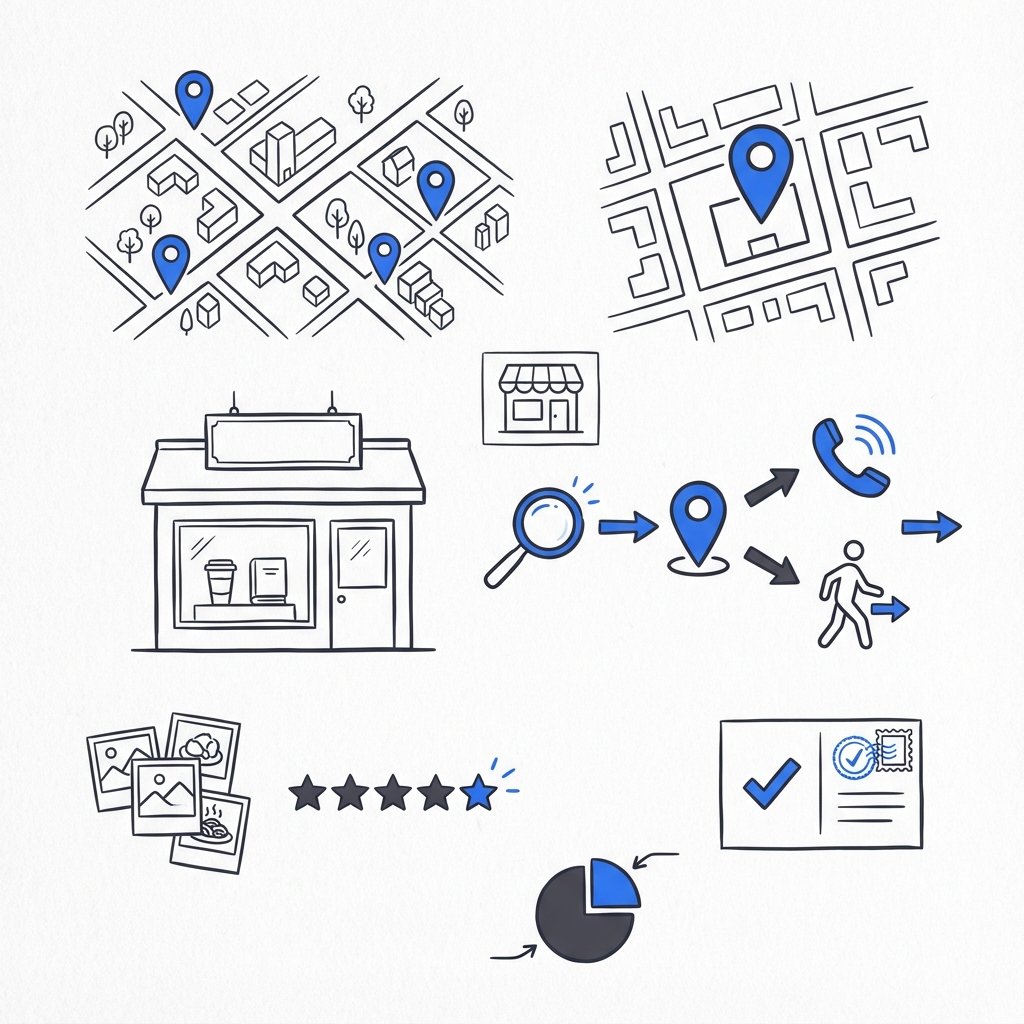
The very first thing to focus on is your profile. A complete, well-written profile is the most reliable factor that improves contact and hire rates. If you’re asking how to get leads on Thumbtack, a professional profile is where the answer begins: list accurate service categories, add multiple high-quality photos, write a human bio, and include clear pricing signals.
Profiles that read like a real person wrote them — not a sales brochure — get more replies. Simple, truthful language, concrete examples of the work you do, and obvious next steps for customers make people comfortable reaching out.
Need a quick strategy review for your Thumbtack account?
Ready to stop guessing and start testing? If you’d like a fast, measured plan for improving your Thumbtack performance, consider a short strategy session with a specialist who can help set up tracking and run your first tests. Get in touch to schedule a quick review of your profile and lead flow: book a strategy call.
Why photos matter (and how many you actually need)

One of the most practical answers to how to get leads on Thumbtack is: upload strong photos. People choose services visually; a convincing gallery communicates quality faster than any paragraph. Aim for a minimum of 8–12 photos that show finished projects, before-and-after sequences, and at least one team or work-in-progress shot that demonstrates process and care. A clear logo in your gallery can increase trust.
Quality here means clear, well-lit images that show detail. You don’t need studio shots — use natural light, tidy backgrounds, and close-ups that reveal workmanship. Each photo should tell a small story: the problem, the process, the result.
Pricing signals that actually reduce friction
Another core part of learning how to get leads on Thumbtack is handling price questions before they become friction points. Thumbtack users often expect a price signal, so give them one: a starting price, a price range, or three simple service tiers — basic, standard, premium — each with a line or two describing what’s included.
For smaller jobs, a concrete starting price can increase contact rates. For larger, complex projects, a range helps set expectations while leaving room to refine the quote after a site visit. Test both approaches and watch your conversion data.
Reply fast, reply specific — the first message that converts
Speed is measurable. If you want to know how to get leads on Thumbtack to turn into booked jobs, reply quickly and make your first message human and specific. A fast, personalized reply that references something unique from the request builds trust immediately.
Effective first replies do three things: acknowledge the project specifically, establish credibility (years of experience, similar jobs, or a short testimonial line), and offer one clear next step (a call, a visit, or a question). Try two templates and A/B test them: a short direct version, and a consultative version for higher-ticket work.
Message templates you can copy and adapt
Here are templates you can try today. Use each as a starting point and adapt the tone to match your brand voice. Both include the concrete elements that increase response rates — personalization, credibility, and a next step.
Short & direct template
“Hi [Name], thanks for the request – I can help with [specific task]. I typically charge starting from [price] for jobs like this. Can we schedule a quick call or a site visit? – [Your name], [Company]”
Consultative template
“Hi [Name], thanks for the details. I recently completed a similar job and recommend starting with a short site visit to confirm scope and options. Typical timeline is X-Y days and for jobs like this we usually estimate between [range]. Are you available Tuesday afternoon or Wednesday morning? – [Your name], [brief credential line]”
How to test your messaging
Run both message styles for several weeks. Tag each lead with the template used so you can measure which message converts best for which type of request. Over time you’ll learn which template to use automatically based on the project description.
Yes — a single high-quality, well-composed photo can trigger a decision. Many customers choose visually; a clear before-and-after or a tight close-up of professional workmanship signals care and competence. That said, a gallery of complementary images amplifies trust and increases conversion rates, so use the great photo as the anchor and build a sequence around it.
Paid features vs organic traction
Paid features on Thumbtack — lead packs and Promoted placements — can raise volume quickly. But more leads don’t always mean more profit. The critical question when deciding how to get leads on Thumbtack with paid tools is: what is your cost-per-booking relative to profit? Learn how Thumbtack’s pay-for-leads system works on their help center: how Thumbtack pay-for-leads works.
Translate credits into dollars, then convert leads into bookings and bookings into profit. If you buy leads, track each one through to outcome so you know whether paid spend is sustainable for your service lines. For small, low-margin jobs be conservative. For high-value projects you can bid more aggressively because each booking justifies higher acquisition costs. Industry analyses on lead cost ranges can help set expectations: see this overview from 7TEN Marketing and a deeper breakdown at LeadCapture for reference: Thumbtack lead cost range, detailed lead cost analysis.
Simple math every pro should run
Here’s a basic formula to calculate how much a lead can cost you:
Maximum lead cost = average job profit × conversion rate
Example: if your average profit after materials is $1,000 and you convert 1 in 5 leads, then the lead can cost up to $200 before your marketing equals profit. Use that as a ceiling while you learn your market dynamics.
Local differences: ZIP codes change everything
Thumbtack behaves differently from ZIP code to ZIP code. If you’re serious about how to get leads on Thumbtack at scale, treat every neighborhood like its own market. Some areas produce higher-ticket work or better conversion rates; others are price-sensitive and highly competitive. Tag leads by ZIP code in your CRM and compare performance by area.
Account strategy: a step-by-step plan
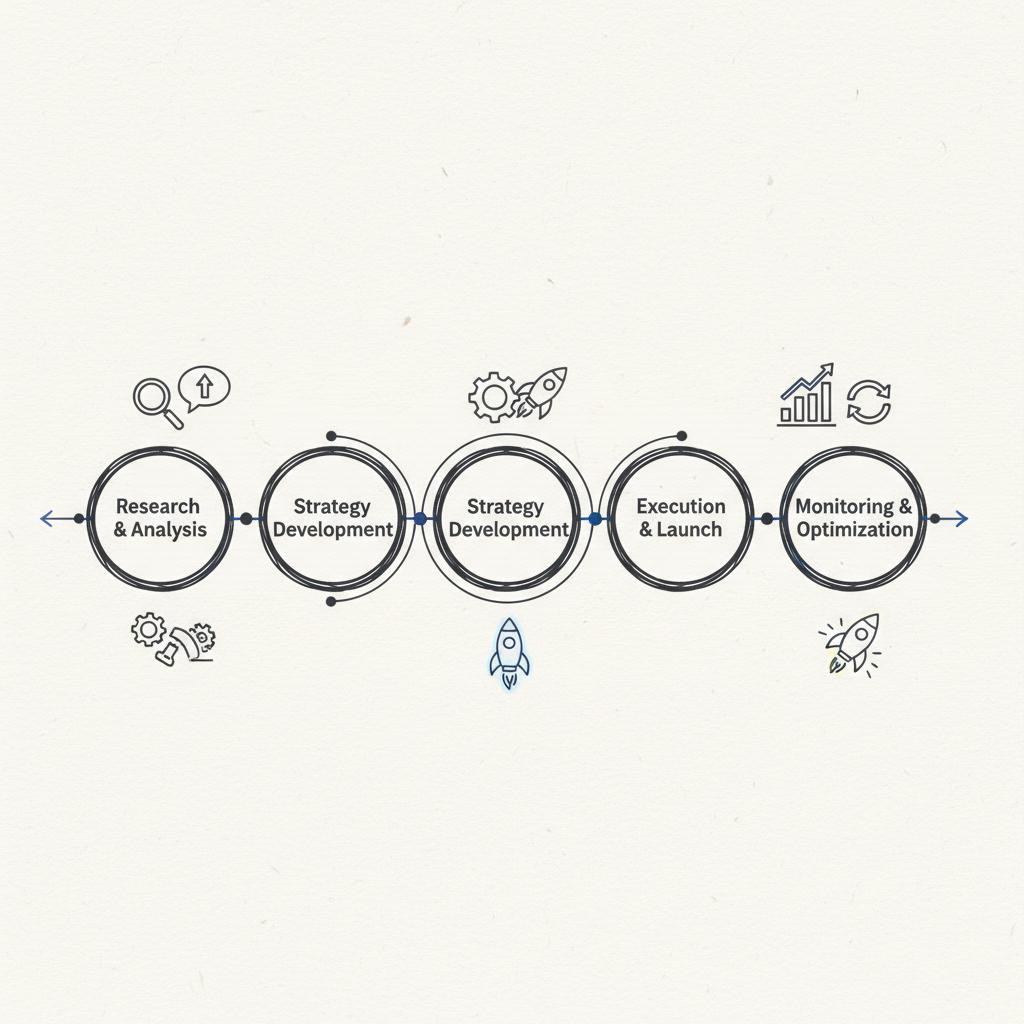
A practical account strategy keeps things methodical. Follow these steps and repeat the loop until your results are stable.
Step 1: Finish your profile and gallery, list accurate categories, and add clear pricing signals.
Step 2: Buy a small lead pack and respond fast using two tested message templates.
Step 3: Tag and track every lead in a CRM, measure conversion and cost-per-booking.
Step 4: Promote only the highest-performing services and ZIP codes once the math is proven.
How to run effective A/B tests
Limit variables. Test one change at a time — message length, pricing language, or which photo set you show — and run the test long enough to collect meaningful results. Track outcomes and be patient: a good test needs time to normalize lead volume and variance.
Real-world examples that show the path
Concrete stories help explain how to get leads on Thumbtack in realistic terms. One small remodeling firm finished their profile with 15 project photos, ran a small paid test, prioritized requests in neighborhoods they knew, and within three months had a profitable, scalable channel. See relevant case studies in our projects for examples of portfolio-driven growth.
Tagging, tracking, and real measurement
Tracking separates hobbyists from professionals. Tag Thumbtack leads in your CRM, record whether they booked, revenue per job, return customers, and referrals. Include all costs — credits, time spent messaging, and travel — then calculate cost-per-booking. Once you know that number, you can decide how much to bid and which services to promote.
Which metrics to watch weekly
Keep an eye on these KPIs:
– Leads received (by day and ZIP code)
– Contact rate (percentage of leads you reach)
– Conversion rate (leads to booked jobs)
– Average profit per job
– Cost-per-booking
These numbers tell the story of whether your Thumbtack efforts are creating a sustainable channel.
Filtering leads early: triage like a pro
Not every lead deserves the same level of attention. Triage early based on budget, timeline, and clarity. If a request looks low-margin or signals a likely no-show, conserve credits and respond with a short, clarifying message. If a lead looks promising, invest the time to send the consultative template and schedule a visit.
How to price your initial bids
Begin conservatively. Use your formula to estimate an acceptable cost-per-lead and stay below that while testing. Focus paid spend on services and areas with the best performance. Over time, scale only where the math supports it.
Review strategy: why reviews are the long game
Paid spend gets you volume quickly; reviews build sustainable organic traffic. Ask every happy customer for a review and make the process easy. Over months, a healthy review profile reduces reliance on credits and increases the chances that organic leads find you first.
Common pitfalls and how to avoid them
Many pros stumble in predictable ways. Don’t treat every lead as a win — some are time sinks. Don’t rely solely on paid features; invest in reviews. And don’t be impatient – market learning takes weeks. The consistent winners treat Thumbtack like a pipeline that needs both short-term paid feed and long-term organic nurture.
Specific tweaks that move the needle
Small changes can have a big effect. Try these actionable ideas if you want to improve how to get leads on Thumbtack quickly:
– Add a short process paragraph in your bio: explain what happens from first contact to finished job.
– Use 3-tier pricing language: Basic / Standard / Premium with a line for each.
– Reference neighborhood familiarity: say “We’ve worked in [area] for X years” when true.
– Offer one clear call-to-action: “Can I stop by Thursday to confirm scope?”
Message-and-price experiments to try this month
Set up these experiments and run them for a month or more:
– Message length split: short vs consultative.
– Pricing signal split: fixed starting price vs price range.
– Photo set split: 8 images vs 15 images.
Record results and repeat the winning variants as new baselines.
How to staff responses and scale
If leads increase, you’ll need a plan for scale. Standardize your best-performing templates, create simple intake forms, and decide which leads require owner attention versus which can be handled by a trained admin. Automation can help – but keep personalization where it matters: the first two messages and scheduling.
When to increase paid spend
Only increase spend when the numbers are steady. If cost-per-booking sits comfortably below profit, and conversion rates are consistent, expand promotions to the best-performing service lines and ZIP codes. Never scale across everything at once; promote the handful of services that produce reliable returns.
Is Thumbtack worth it long-term?
Thumbtack is not a guaranteed golden goose, but it is a channel you can measure and improve. If you follow steps to optimize your profile and test messaging, Thumbtack can become a predictable source of high-intent leads and repeat customers. That’s the practical answer to the question of how to get leads on Thumbtack over time.
Need a partner to help set up tagging and tests?
If you prefer a partner to structure tests, set up tracking, and interpret early results, it’s worth working with an experienced agency.
Agency VISIBLE offers focused account strategy and measurement to help businesses learn the local dynamics of Thumbtack quickly — they help set tagging, reporting, and a disciplined testing plan so you know when to conserve credits and when to scale. Learn more or request a consultation at Agency VISIBLE’s contact page.
Checklist: what to fix this week
If you want a short to-do list that answers how to get leads on Thumbtack, start here:
Profile: complete categories, bio, 8–15 photos.
Pricing: add a starting price or range and 3-tier options.
Messaging: implement two templates and start A/B testing.
Tracking: tag leads by ZIP, template, and outcome in a CRM.
Spend: buy a small lead pack and bid conservatively until you know your cost-per-booking.
Long-term view: nurture and referral
Thumbtack should be one part of a mixed strategy: paid to learn and scale, organic reviews to stabilize, and referral work to extend lifetime value. When you track repeat customers and referrals, you’ll see some leads are worth far more than their immediate profit – value that should change how aggressively you bid.
Summary of practical formulas
Two quick formulas to keep handy:
Lead cost ceiling: average job profit × conversion rate.
Break-even credits: (credits spent ÷ number of bookings) < average profit per booking.
Run these weekly during your tests.
Final tips from pros who use Thumbtack well
Veteran pros consistently recommend these habits: be selective with paid credits, respond within hours, personalize every reply, and ask for reviews immediately after completion. Treat leads as a funnel and refine it – that is how you sustainably know how to get leads on Thumbtack.
Take action: a 90-day plan you can follow
Week 1: polish profile, add 10+ photos, create two reply templates.
Weeks 2–4: run message A/B tests and buy a small lead pack.
Months 2–3: analyze cost-per-booking by ZIP and service, refine bids, and ask for reviews from every customer. At the end of month 3 you’ll have a clear decision to scale or conserve credits.
Closing thought
Growing Thumbtack leads is like tending a garden: prepare the soil with a strong profile, plant paid seeds to test, water with fast personal replies, and over time the organic growth will fill in the spaces. With testing, tracking, and consistent follow-up, Thumbtack can become a reliable, measurable source of customers.
Find more about our approach and services at Agency VISIBLE.
Respond as quickly as possible—ideally within a few hours. Fast, personalized replies that reference something specific from the project request increase contact and hire rates. Use a short template for quick jobs and a consultative template for higher-ticket or complex projects.
Both matter. Paid lead packs are useful to jump-start volume and to test messaging and pricing, but they cost credits and should be evaluated against actual profit per booked job. Organic leads (from reviews and a strong profile) are cheaper long-term. Start small with paid spend, track conversions and cost-per-booking, and scale paid placements only where the math is clearly profitable.
Yes — if you prefer a partner to set up tagging, reporting, and disciplined tests, an agency like Agency VISIBLE can help. They focus on measurable growth and can quickly structure experiments to show what services and ZIP codes produce the best return. If you want help setting tests and interpreting early results, consider connecting with them via their contact page.