How do I get customers for my flooring business?
Flooring is a sensory purchase. People imagine feet on a new surface, kids racing across a living room and guests pausing to admire a pattern. If you want a steady flow of booked estimates and installations, you need a plan that turns that sensory moment into a predictable buying path. In this guide we explain how to get flooring customers using local-first digital tactics, visual proof, measured paid tests and reliable offline relationships.
Why local focus wins for flooring businesses
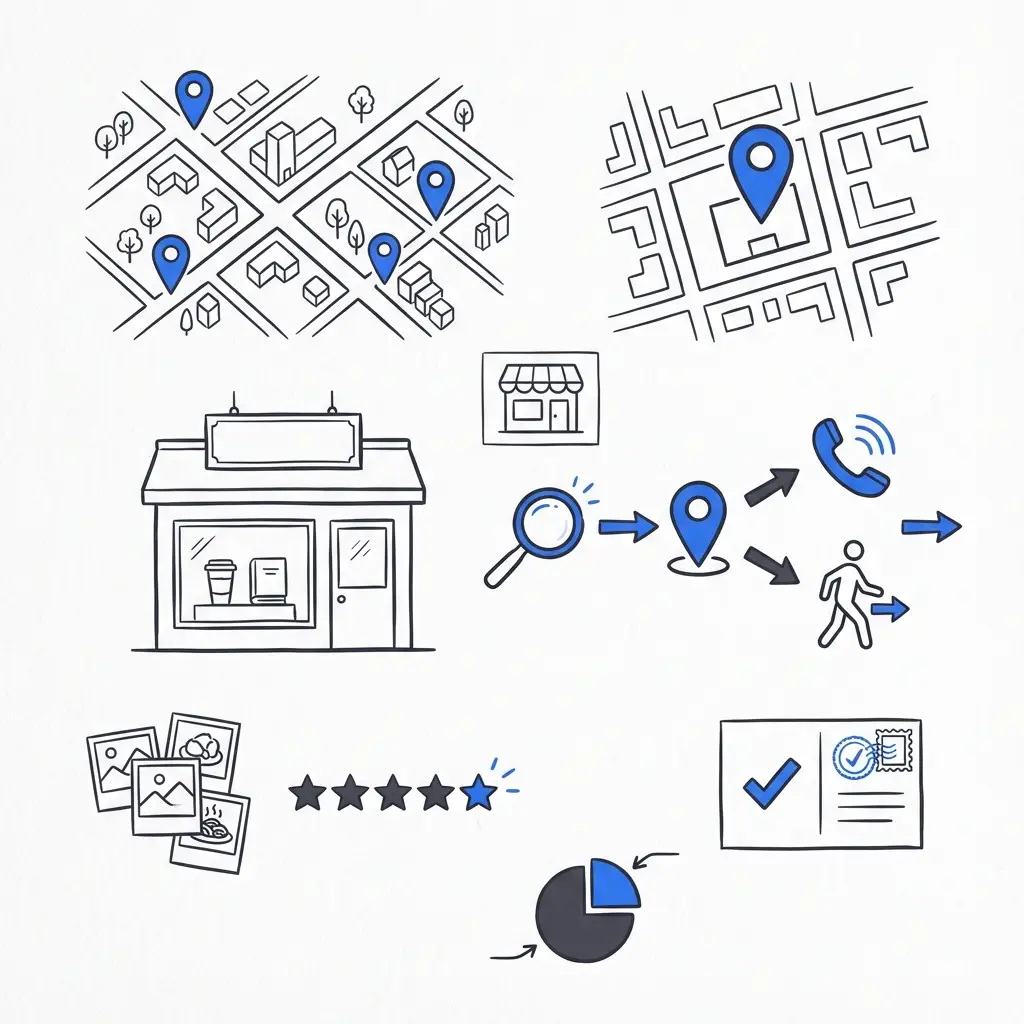
When the question is how to get flooring customers, the answer starts close to home. Most buyers search on their phones for “flooring near me” and choose a contractor from the map pack or an easy-to-understand gallery. Being visible in the places people look – maps, search results, and social feeds – matters more than a flashy national campaign. The goal is clear: be where homeowners are searching and make choosing you the simplest decision. (See a practical neighborhood-focused guide here.)
Tip: If you want quick help putting these tactics into action, talk with Agency VISIBLE — they help small and mid-sized businesses make local visibility fast and measurable.
Start with Google Business Profile – your digital storefront
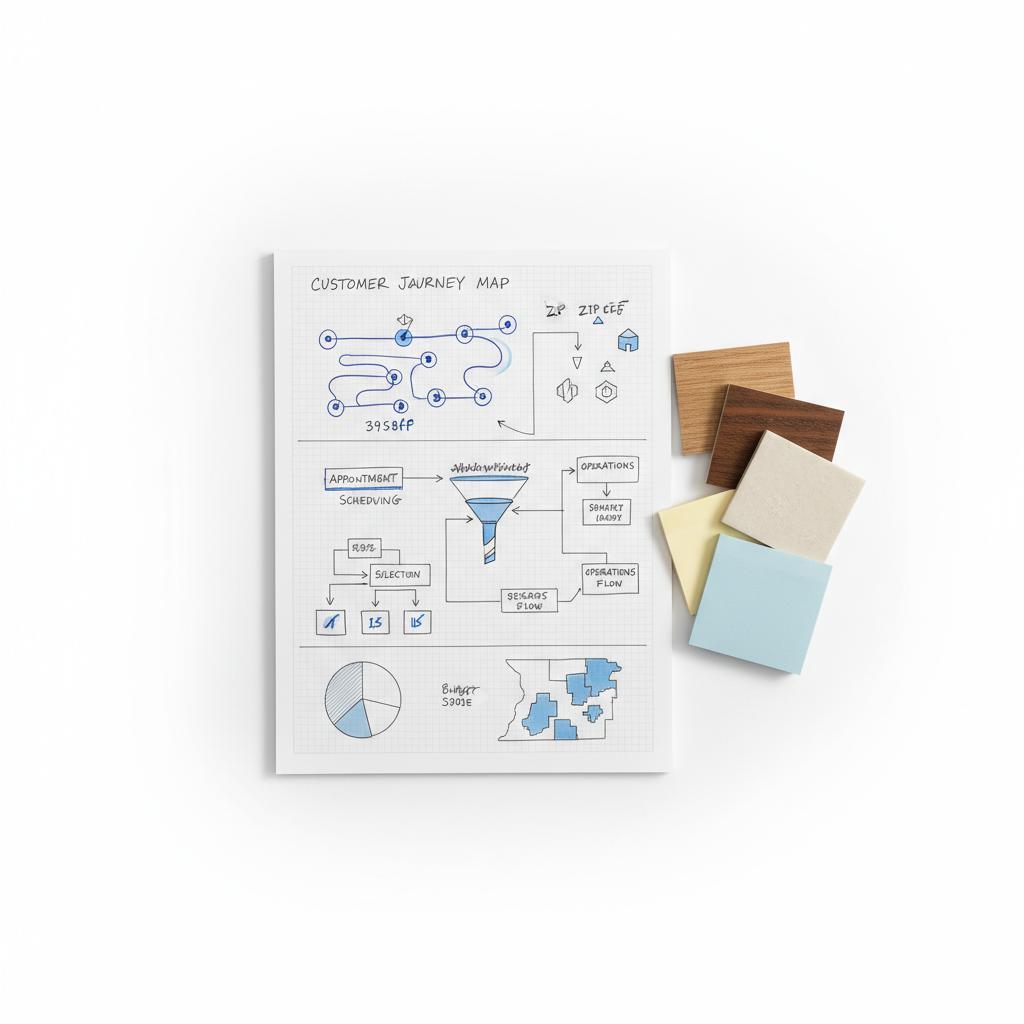
To answer how to get flooring customers, treat your Google Business Profile like the front window of your showroom. Complete every field: accurate name, address, phone, hours, service areas and categories that match your services (e.g., hardwood flooring, carpet installation, tile). Add a short, human business description that answers common customer questions.
Photos are essential. A listing with no images looks empty; a listing with 10 high-quality photos of recent projects, team shots and a tidy showroom feels trustworthy. Use natural light in photos and include before-and-after shots. Those images build the trust that leads to booked appointments.

Reviews: the conversion engine
Reviews not only help your visibility but also increase conversion. When homeowners search for flooring, they read recent reviews and look at how you respond. Make review collection routine: a short follow-up email after installation with a link, an SMS prompt, or a printed card handed during final walkthrough. When a negative review appears, reply publicly and calmly – that reply can convert doubt into confidence.
Local SEO and technical basics that matter
Local search ranking helps answer the question how to get flooring customers by making sure you’re matched to nearby queries. Small technical moves add up:
- NAP consistency: Ensure your business name, address and phone are consistent across directories.
- Location pages: Build pages for neighborhoods, suburbs and towns you serve. Include project photos and local language.
- Schema markup: Add address, opening hours and service area structured data so search engines read your listing correctly.
- Mobile speed: Prioritize fast mobile loading – many local searches are on phones.
For practical SEO strategies tailored to contractors, see Venveo’s guide on SEO for flooring: 7 SEO Strategies for Flooring Companies. For regional how-tos, one useful example is Local SEO for Flooring Contractors in Chicago.
Trackable contact points
When people ask how to get flooring customers, they often forget to make leads trackable. Use unique phone numbers for campaigns, UTM-tagged URLs for landing pages and a booking form with a short “how did you hear about us?” field. That data turns guesses into decisions about where to spend next month’s ad budget.
Paid search and ads – test with precision
Paid channels work when focused. For local flooring companies, tightly geotargeted Google Search and Local Services Ads bring high-intent customers who are actively comparing contractors. When you’re asking how to get flooring customers, remember:
- Keep campaigns small and local – target ZIP codes and towns you serve.
- Measure cost per booked appointment, not just cost per click.
- Test Local Services Ads in one service area before scaling.
- Use unique tracking like special phone numbers or offer codes to measure ROI.
Industry data indicates steady conversion for search ads in remodeling categories; convert small, consistent wins into the core channels for your business.
Social ad testing and short-form video
Meta ads can be effective for seasonal promotions, clearance sales, or bundled offers. Short-form video (30–60s walkthroughs, quick testimonials) can engage homeowners, but its direct effect on appointment-based services is still best treated as experimental. Run small tests and track booked appointments from those clicks. If a short video reliably produces quality leads, scale it.
Visual content: your most persuasive sales tool
Flooring is visual. When owners ask how to get flooring customers, the most direct answer often involves showing real work. Practical content to prioritize:
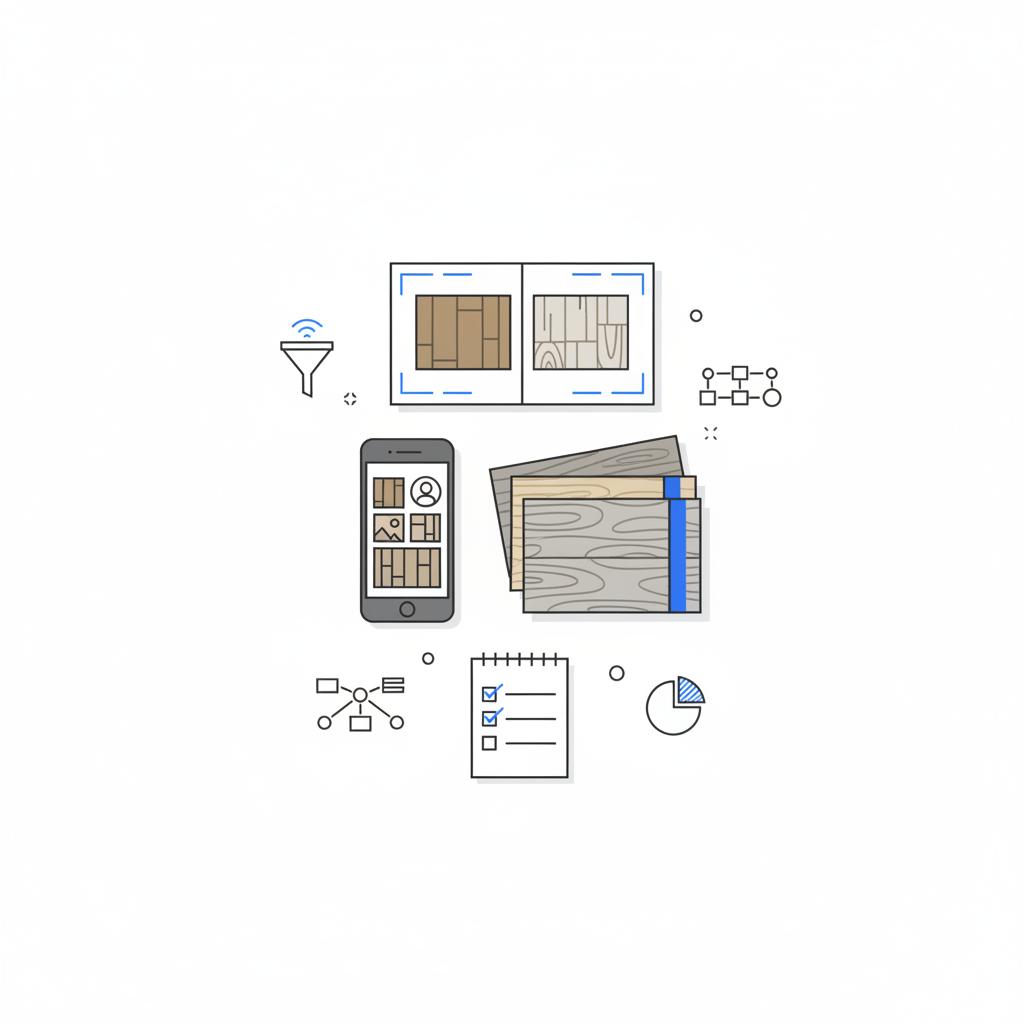
- Before-and-after galleries: Wide shots + close-ups. Natural light + contextual furniture show scale and material choice. (See projects.)
- Short walk-through videos: 20–45 second clips that show grain, texture, and installer commentary.
- Project pages by room: Organize galleries by kitchen, living room, basement, etc. Customers search by room type.
These assets increase time on page, improve credibility during showroom visits and raise average order value because clients visualize the outcome.
Offline channels that pay off
Don’t abandon real-world relationship building. Trade partnerships with builders, interior designers and architects produce higher average order value (AOV) projects. These relationships are developed through reliability and clear communication – not constant discounting.
Host a lunch-and-learn for local builders in your showroom. Show curiosity about their scheduling and specification workflows. When you help them solve a logistical headache, they refer more often.
Local events, pop-ups and showroom experience
A pop-up at a neighborhood home show or an open-house for neighbors can produce direct leads and useful word-of-mouth. Run showroom appointments as consultative sessions. Provide a curated portfolio of similar projects for each appointment to drive faster decisions and higher close rates.
Completing and optimizing your Google Business Profile—adding accurate information, a clear service area and high-quality project photos—often produces the quickest boost in local visibility and leads within weeks.
Measurement, CRM and intake discipline
Most contractors struggle with measurement – especially tracking offline conversions like showroom visits and phone calls. The answer to how to get flooring customers reliably includes building a simple measurement routine:
- CRM basics: Track lead source, planned appointment date, notes and outcome.
- Intake fields: Add “how did you hear about us?” to the booking form or phone script.
- Unique phone numbers and codes: Use these for major campaigns to directly attribute calls.
A basic CRM saves time and improves follow-up. After installation, send a thank-you email with care instructions and a short review link. A friendly SMS check-in prevents problems and encourages five-star reviews.
Sample intake script
Use a short, respectful intake script to qualify quickly:
“Hi, thanks for calling [Business Name]. I’m [Name]. Can I get your name and the address for this project? Great — what room are you planning to update? Do you own the home? When are you hoping to have the work completed? Finally, how did you hear about us?”
These questions take under a minute and focus your sales team on leads likely to convert.
30/60/90-day playbook you can follow
If you’re asking how to get flooring customers and want a simple plan, follow a disciplined 30/60/90 roadmap.
Days 1–30: Quick wins
Checklist:
- Complete and optimize Google Business Profile with fresh photos and current hours.
- Audit website for mobile speed and fix slow images.
- Set up unique tracking phone numbers and UTM links.
- Start a steady cadence of review requests: email and SMS templates ready.
- Implement a basic CRM or lead-tracking sheet and train staff to use it.
Days 31–60: Expand and test
Checklist:
- Run a tightly geotargeted Google Search campaign focused on 2–3 ZIP codes.
- Test Local Services Ads in one service area.
- Publish a refreshed project gallery and 3 short videos.
- Reach out to two trade partners and propose a lunch-and-learn.
Days 61–90: Refine and scale
Checklist:
- Double down on channels that produced booked appointments.
- Expand geographic targeting where cost per sale is acceptable.
- Tighten attribution: implement in-store sign-in or quick intake script for showroom visitors.
- Standardize post-installation follow-up and review requests.
Measuring what matters
Key metrics that answer the central business question of how to get flooring customers are straightforward: volume of leads, booked appointments, close rate, average order value and cost per acquisition. Move away from vanity metrics like website clicks unless they lead to appointments. Compare channels with a simple table: spend, leads, booked appointments, sales and cost per sale.
Qualifying leads for higher conversion
Lead quality beats quantity. Ask short qualifying questions on the first call or form: project type, timeline, ownership status. That helps your team prioritize high-probability opportunities and reduces time wasted on low-intent inquiries.
Follow-up systems that increase referrals and reduce service calls
Small follow-up systems create compounding results:
- Automated appointment reminders reduce no-shows.
- Post-installation check-ins increase referral rates and reviews.
- Care tip emails prevent misuse and lower service calls.
These gestures are low-cost and often raise customer lifetime value dramatically.
Visual guidance for photography and video
When photographing projects, use natural light and capture context. A wide shot shows scale; close-ups reveal texture. In videos, explain choices in plain language: why a specific underlayment was used or why a finish suits the room’s lighting. Honest explanations build authority.
Ad copy and creative ideas that convert
When you run ads, use direct, benefit-focused language. Here are templates you can adapt:
- Search ad headline: “Local Hardwood Installers – Free In-Home Estimate”
- Search ad description: “Licensed installers. 10-year warranty. Quick estimates in [Town]. Book online.”
- Local Services Ads snippet: “Fast, friendly service – book a free estimate today.”
- Short video idea: 30s kitchen walkthrough: before, after, installer highlights 1–2 benefits.
Landing page checklist
A landing page should be simple and conversion-focused:
- Clear headline and a project photo above the fold.
- Brief benefits (warranty, licensed installers, free estimate).
- Short form with name, phone, project room and timeline.
- Trust signals: reviews, badges, and local project photos.
When to push paid versus build partnerships
Both work. Paid search and Local Services Ads capture active shoppers. Trade partnerships and referrals generate higher-AOV projects and greater reliability. Use paid to keep the funnel active; use partnerships to raise the average value and predictability of work.
Sample budget allocation for a small-to-mid-size flooring business
Start modestly and scale what works. A sample monthly split might be:
- 40% Local Search & Local Services Ads
- 20% Geotargeted Search Ads (small test)
- 15% Content & Visual Production (photos, short videos)
- 15% Trade partnerships & local events
- 10% Contingency for experiments
Measure cost per booked appointment and adjust accordingly.
Common traps and how to avoid them
Watch out for these errors:
- Chasing cheap leads: Cheap traffic that never converts wastes time.
- Ignoring attribution: If you can’t say where a lead came from, you can’t optimize spend.
- One-time effort: Visibility is a habit. Galleries, reviews and follow-ups require consistency.
Case example: modest changes, measurable results
A midsize flooring company cleaned up its Google Business Profile, added ten recent projects with captions and asked the past 30 customers for reviews. They then ran a modest search campaign targeting three nearby suburbs they actively served. In 60 days they saw more calls and showroom appointments. The paid campaigns paid for themselves once bids focused on neighborhoods with higher close rates. Adding a basic CRM and a short post-installation review email increased referral business. The combination of visibility, visual proof and disciplined follow-up produced higher close rates and predictable growth.
Tactical checklist you can start today
Three things to do this week that answer how to get flooring customers:
- Update your Google Business Profile with fresh photos and correct hours.
- Add a short review request to your post-installation email and SMS.
- Set up a small geographically targeted search campaign with a tracking phone number.
Ready to turn visibility into booked appointments?
Ready to move from sporadic leads to predictable bookings? Get a straightforward plan and help implementing it — get in touch with Agency VISIBLE for a quick consultation and local-first strategy that fits your budget.
Frequently asked questions — quick answers
How quickly will local search changes affect my business?
You can often see map visibility improvements within a few weeks after completing your Google Business Profile and generating fresh reviews. Organic ranking improvements take longer, but the early visibility in the map pack is often fast.
How much should I spend on paid ads?
Start small, track cost per booked appointment and be ready to reallocate spend to the channels that produce real appointments and sales. Use unique phone numbers and offer codes to attribute results.
Which gives the best return: paid ads or referrals?
Referrals and trade partnerships usually produce higher average order values and convert more reliably, but paid ads capture active searchers who may never hear about you otherwise. Use both, layered.
Final thoughts
Flooring is about touch and trust. Make discovery, selection and buying feel natural: show your work, be easy to reach and track outcomes. Small, consistent moves – completed profiles, refreshed galleries, small paid tests, and a CRM sequence that prevents leads from falling through the cracks – compound into predictable booked appointments and steady revenue.
You can often see improved visibility in the map pack within a few weeks after completing your Google Business Profile and adding fresh photos and reviews. That increased visibility frequently translates into more calls and showroom appointments. Organic ranking moves take longer, but the map improvements are usually fast if the profile is accurate and active.
Start small and measure by cost per booked appointment rather than cost per click. A modest experimental budget focused on 2–3 ZIP codes will tell you quickly whether paid search or Local Services Ads deliver bookings in your market. Adjust spend toward the channels that produce real appointments and sales.
Yes — Agency VISIBLE specializes in local visibility and has helped dozens of small and mid-sized businesses improve showroom appointments and booked estimates through profile optimization, targeted ads and visual content. If you want help building a measurable local-first plan, you can <a href="https://agencyvisible.com/contact/">contact Agency VISIBLE</a> to discuss practical next steps.
References
- https://agencyvisible.com/perspectives/
- https://agencyvisible.com/contact/
- https://agencyvisible.com/projects/
- https://www.bestversionmedia.com/a-guide-for-local-flooring-companies-to-dominate-neighborhood-searches/
- https://www.venveo.com/blog/seo-flooring
- https://seotwix.com/blog/local-seo-for-flooring-in-chicago/