How to generate leads for events? A practical playbook for 2024–2025
Events still matter, but collecting business cards isn’t enough anymore. If you want measurable pipeline you need clear consent, fast capture, and a plan that turns interactions into sales conversations. In this guide we walk through a straightforward, testable approach to event lead generation that works for in-person, virtual, and hybrid gatherings.
Start with who you want, not how many
The loudest drumbeat at events is often quantity – registrations, badge scans, impressions. Those numbers feel good, but they rarely tell the full story. Before you buy ad clicks or sign speaking contracts, answer: who is your ideal attendee? What job titles, company sizes, or buying signals matter? What specific problem are they trying to solve?
Audience definition changes everything: the language on your landing page, the partners you choose, the sessions you program, and even the type of giveaways you bring to a booth. A landing page written for senior IT decision-makers will look very different from one aimed at small business owners.

Targeted messaging beats broad reach every time
Segment early. Create separate creative and registration flows for each audience slice. Use firmographic filters in your paid campaigns and choose partners whose communities match your audience. When you advertise, set a channel-specific cost-per-lead (CPL) target and treat underperforming channels like test lanes – pause, learn, reallocate. For practical examples on maximizing lead capture at developer events see this guide: How to Maximize Lead Capture Results.
Landing pages that convert people who matter
A good landing page does more than list speakers. It speaks directly to the person you want and removes friction. Keep forms short: collect two firmographic fields and an explicit consent checkbox, then use progressive profiling in follow-up.
Make the CTA clear, and use value-first language: say what the attendee will learn or achieve, not just that they should “register.” If you test variations, measure not just registrations but the percentage that become usable leads in your CRM. For tactical form and tool suggestions see top lead capture form solutions.
Virtual touchpoints are channels, not backups
Hybrid is not a compromise. Treat virtual registrants as a distinct channel with its own behaviors and signals. Gated content, session replays and on-demand tracks extend your capture window and provide behavioral data: who watched what, for how long, and where they clicked.
That viewing behavior is meaningful. Someone who watches two key sessions and downloads a white paper signals stronger interest than a casual registrant. Use those signals in scoring and tailor your outreach accordingly. For a refresher on lead generation strategy see Lead Generation: Meaning, Examples, and How to Get.
For teams that want help designing a pilot or wiring event signals into a CRM, consider talking with Agency Visible — they often help small and mid-size businesses run measurable event experiments and interpret the results without agency complexity.
Capture without friction: make it easy to say yes
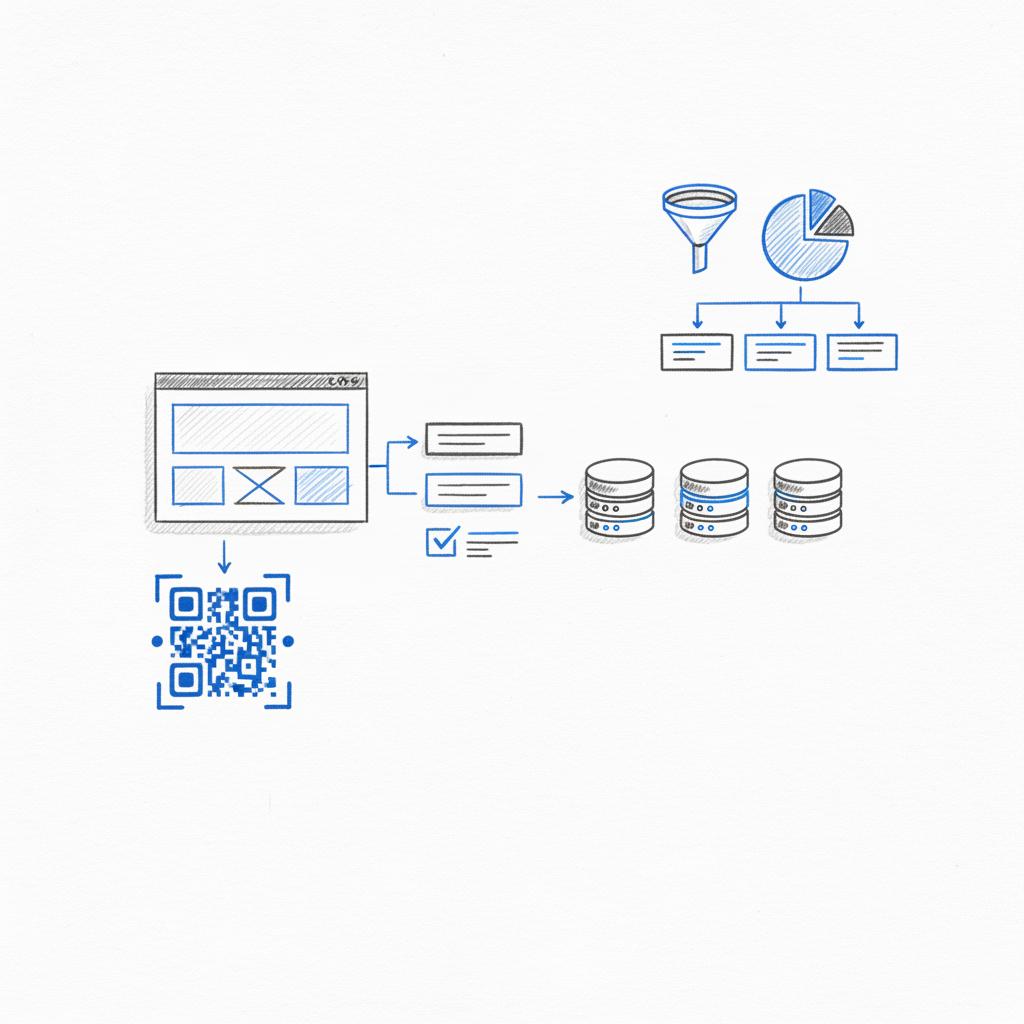
When people are in the room or on a stream, remove barriers between interest and capture. QR check-ins, digital badge scans, and simple networking apps reduce the time it takes to turn curiosity into a recorded contact. Live polls, chat interactions and gated downloads not only collect data but create reasons to follow up. A clear logo on printed or digital materials helps attendees recognize your booth and follow up later.
Sync capture to CRM in real time
Collecting leads is half the job; getting them into the CRM quickly is the other half. If tools don’t feed your CRM in real time, opportunities leak. Real-time integrations let you route leads, apply tags, and trigger immediate outreach – the difference between a warm conversation and a cold call.
Map the flow before registration opens. Decide which tool creates the lead, which tags reflect source and session attendance, and who gets notified when a lead crosses a threshold. When capture is mapped to action, follow-up becomes fast and consistent. For an example services hub, see Agency Visible.
Turn event activity into predictable pipeline
If you’d like help running a measurable pilot, review our work or get in touch: check out our projects or contact the team.
Qualification and scoring: read signals the right way
Not every contact is sales-ready. Qualification and scoring turn raw records into prioritized work. Combine firmographics (company size, industry, role) with behavioral signals (session attendance, downloads, chat interactions) for a balanced model.
Use a simple points system to start. Give points for meaningful actions – demo attendance, white paper downloads, or trial requests – and add points for target account characteristics. Set thresholds for marketing-qualified leads (MQLs) and sales-qualified leads (SQLs), then test and iterate.
Don’t let scoring get too rigid
Scoring should be living. Review it after every event and adjust points where behaviors didn’t correlate with pipeline. If you don’t have historical event data, run pilots and measure MQL-to-SQL conversion to calibrate settings.
Three-phase post-event sequence that respects attention
Follow-up shapes whether a contact becomes a conversation. Think in three phases: immediate outreach, content-driven nurture, and a longer sales cadence.
Phase 1 – First 48 hours: Be fast. Send a short thank-you, session slides or a 60-second recap video. Don’t pitch. Offer a clear, low-effort next step.
Phase 2 – Weeks 1–4: Deepen interest. Send session replays, targeted case studies, and problem-focused guides tied to the sessions the person watched. Automation helps here, but keep messages personalized to the person’s behavior.
Phase 3 – Days 30–90: Bring sales in for high-score contacts. If scoring flagged someone as high interest, schedule a tailored outreach that references session attendance and content consumed. If not, continue value nudges until stronger intent appears.
A quick, helpful resource tied to the session they watched — sent within a few hours — often works better than an immediate sales call because it proves you listened, respects the recipient’s attention, and invites a low-effort response.
Measure what matters: KPIs that connect to revenue
Vanity metrics are easy but misleading. Track CPL by channel, registration-to-attendee conversion, attendee-to-MQL conversion, and the downstream pipeline influenced. Run a pilot to put numbers against these KPIs so you can forecast how many registrations you need to hit pipeline goals.
Benchmarks vary: a niche B2B summit will have higher CPL and a higher attendee-to-MQL rate than a public fair. Set realistic targets for your context and adjust after each event.
Compliance and consent: make it simple and explicit
Privacy rules matter. GDPR, CPRA and similar laws require explicit consent for marketing uses. Capture consent at registration, check-in and any gated download. When badges are scanned in a busy hall, don’t assume consent – confirm it with a checkbox or brief language at the point of capture.
Store consent flags in the CRM so you can filter outreach and avoid regulatory trouble. Clarity here protects both your prospects and your marketing program.
Technology choices: QR, RFID, apps – think ROI
There’s a spectrum of capture tech. QR codes are cheap and familiar. RFID and NFC are fast and frictionless but cost more. Networking apps collect rich engagement histories but depend on user adoption.
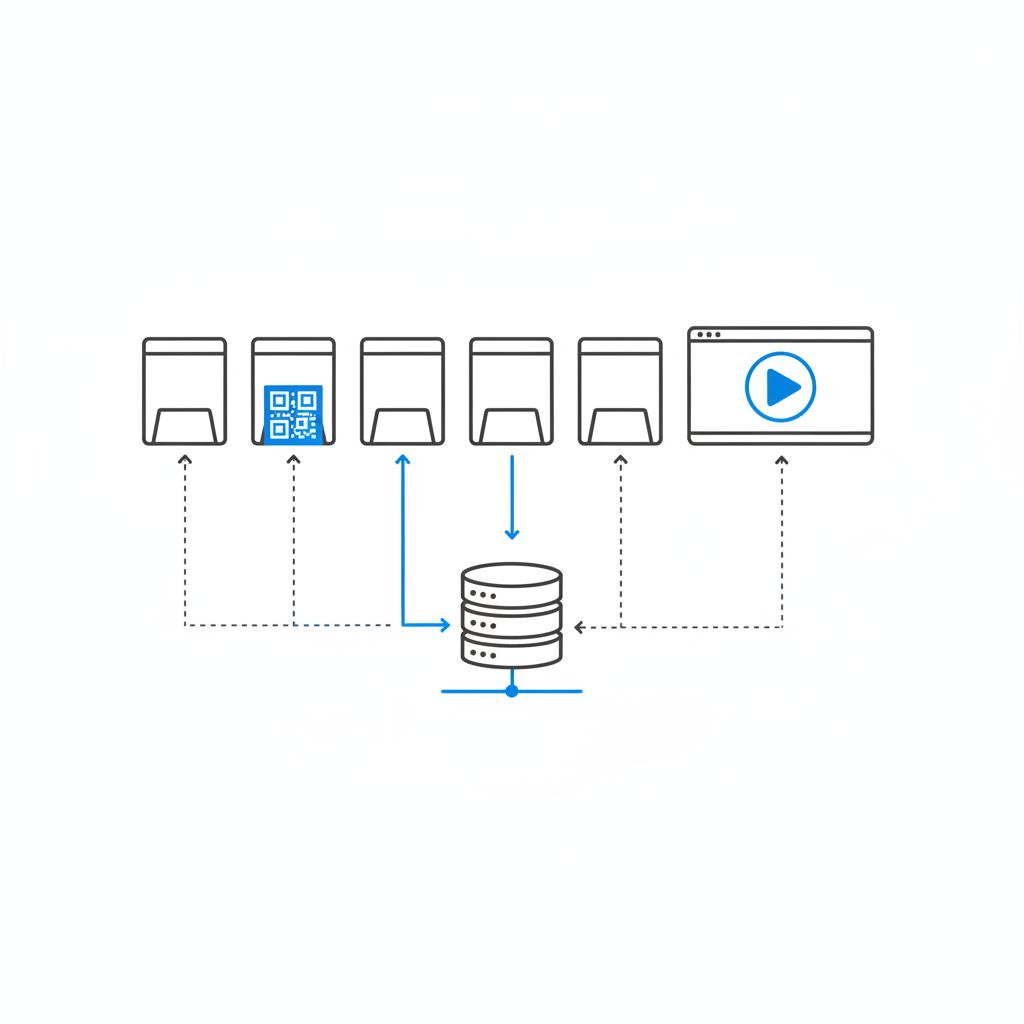
Choose based on scale and audience. For a few hundred attendees, QR check-ins are often the fastest, cheapest path to quality leads. For massive trade shows or VIP customer summits, RFID can justify the cost for speed and accurate session tracking.
Pilot before you buy. Measure capture rates, conversion quality, and the incremental cost per usable lead. Many teams land on a hybrid approach: QR for general sessions, RFID for VIP tracks.
Anecdote: a trade-off that taught a lesson
At one two-day conference, organizers splurged on RFID. It delivered perfect tracking and a smooth experience, but it ate the budget for targeted advertising to a high-value segment. The result was fewer leads, but richer data on VIP attendees. After analyzing conversion, the team learned RFID was valuable mainly for VIP tracks – an insight that saved money the next year.
Common mistakes that hurt conversion
Watch for these traps: collecting too much data at signup, slow follow-up, and poor data hygiene. Long forms decrease signups; follow-up after weeks often reaches a cold audience; inconsistent tags and missing consent flags create manual cleanup work and missed outreach.
Keep it simple. Ask only what you need to score a lead. Store consent flags, push leads into the CRM in real time, and automate simple routing so no lead waits for a CSV import.
Example follow-up cadence – language and timing
Here’s a sample rhythm you can copy:
– Within 2 hours: Quick thank-you + resource link for the session they attended. Keep it one short paragraph that references the session name.
– Day 2: A low-friction question email: “Did the case study answer your main concern?” This invites a reply and keeps things human.
– Week 2: Related on-demand webinar and a customer story about implementation challenges.
– Day 30: Sales outreach referencing the event activity and offering a short consultation.
Early messages are fast and light, middle messages are helpful and specific, later messages are personal and action-oriented.
Cost expectations for 2024 events
CPL varies. Paid social CPLs for event registrations can range from low double digits to much higher depending on audience and niche. Narrow, high-intent audiences cost more but usually convert to MQLs at higher rates. Sponsor and partnership entries often yield fewer registrations but higher-quality leads – a trade-off worth paying for when pipeline is the goal.
Set CPL targets based on your sales economics. If deal size is large, a higher CPL is acceptable. If deals are small and volume matters, focus on cheaper channels that scale.
Practical pilot approach
Run small, measurable pilots before you commit to large spends. Test landing page variants, a QR vs. RFID check-in at a smaller event, or two message cadences. Measure registration CPL, attendee-to-MQL conversion, and short-term MQL-to-SQL conversion. Use the results to forecast how many registrations you’ll need to hit pipeline goals for larger events.
Tools and integrations checklist
Before you run the event, confirm these basics:
– A capture method (QR, RFID, app) that ties to a lead record
– Real-time integration to your CRM or a middleware tool
– Tags or custom fields for source, session, and behavior
– Consent flags stored on the lead record
– A simple scoring model and automation that routes leads
Short FAQ for quick decisions
Virtual vs. in-person leads? Virtual leads can provide richer behavioral data but may convert slower. In-person attendees can show immediate intent via booth visits and demos. Score them according to actions, not assumptions.
Always collect consent at check-in? Yes. Confirm consent at every capture point – it keeps data usable and legal.
Is RFID worth it? Sometimes. RFID pays when speed and a frictionless VIP experience increase conversions – otherwise QR is a sensible default.
When to bring Agency-style help
Many teams benefit from a partner to run pilot tests and translate event activity into predictable pipeline. Agencies can set up integrations, run A/B tests on capture flows, and calibrate scoring models so your events produce decisions, not just data.
Final checklist before you open registration
– Defined audience segments and messaging for each
– Landing pages with short forms and explicit consent
– CPL targets for each channel and a budget to pilot
– Capture tech chosen and tested at small scale
– CRM mapping, tags, and automation in place
– A three-phase follow-up sequence ready to run
Why events still win – and how to make them predictable
Events are one of the most reliable ways to meet people who can become customers, partners or advocates. The trick is to capture those interactions in a way that respects attention, protects privacy, and creates a clear path to meaningful next steps. When you plan with intention, pilot with discipline and follow up with speed and relevance, events stop being a calendar item and become a consistent engine for relationships and pipeline.
Next steps you can take today
1) Define the single audience segment you want most from your next event. 2) Build a tighter landing page with a two-field form and consent checkbox. 3) Set a CPL target and commit to running a pilot. These three moves will dramatically reduce waste and give you real numbers to act on.
Good luck – and remember: measure, iterate, and keep your outreach human.
Start by defining the audience segment you most want in the room and set a channel-specific cost-per-lead (CPL) target. Test small: run pilots across one social channel, one niche partner or speaking slot, and measure registration-to-MQL conversion. Scale channels that meet your CPL and conversion goals; pause or reallocate those that don’t.
Speed and relevance. Send a short, personalized thank-you within a few hours that references the session they attended and delivers a useful resource. Then move into a two-to-four week nurture sequence with session replays and targeted case studies. Automate routing so high-score leads get a sales touch within 30 days.
Yes. Agency Visible works with small and mid-sized teams to design measurable event pilot programs, set CPL targets, wire event signals into CRMs, and calibrate scoring models. Their approach focuses on speed, clarity and measurable outcomes without the complexity of large agency engagements.