Get clear: where painting leads really come from
Finding steady painting leads feels like balancing craft and commerce. You want to spend your days making walls come alive, not chasing leads that evaporate. The most successful painters focus on the places customers already search – and then make those places work for them. In this guide you’ll get practical, low-waste moves you can start this week and a focused 30-day plan that produces clarity and momentum.
Start with your Google Business Profile — your daily storefront
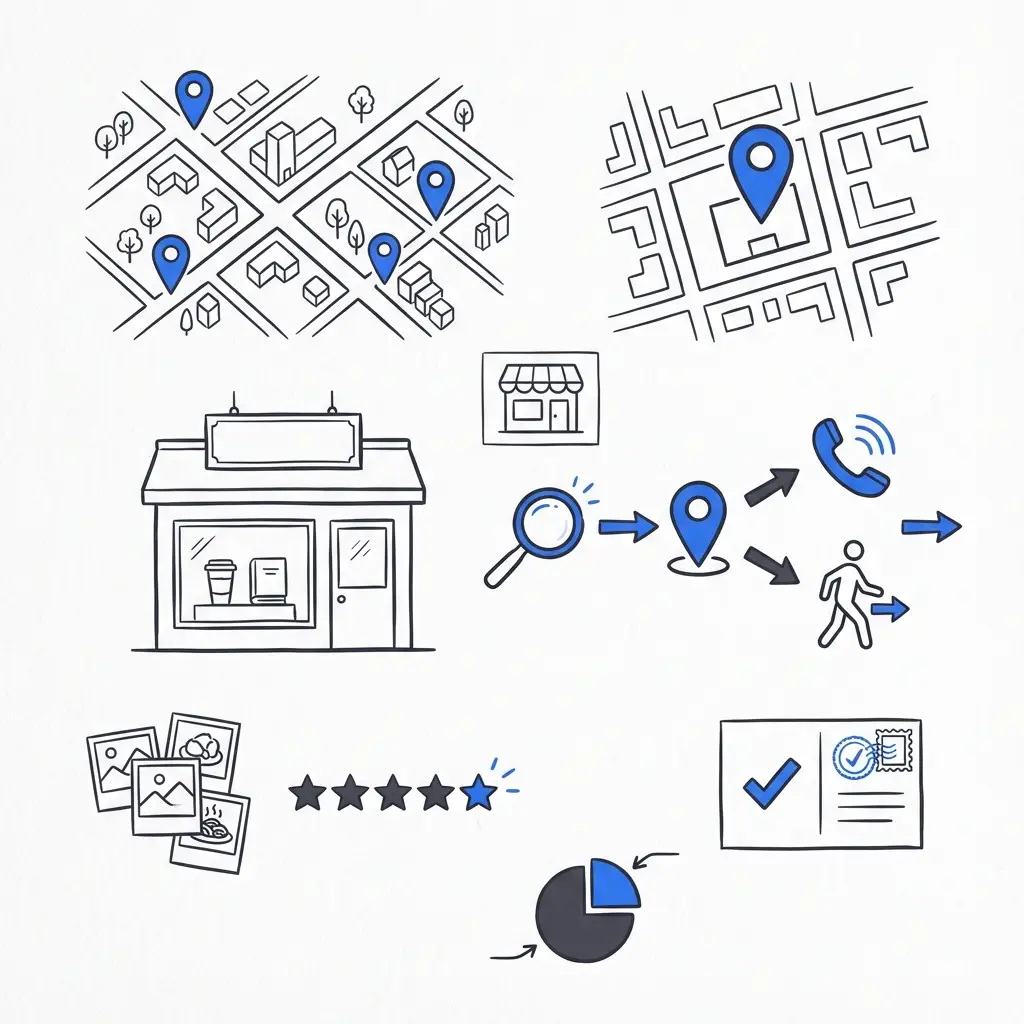
Google Business Profile (GBP) is where most local searches begin. When someone types “painting near me” or “house painters [your town]” your GBP is often the first impression. That small panel on the right of search results acts like a storefront: it shows photos, reviews, service categories, hours and quick actions. If you’re aiming for more painting leads, your GBP must be spotless and active.

Make sure your name, address and phone (NAP) match what’s on invoices and signage. Choose categories that reflect what you do – exterior painting, interior painting, wallpaper removal – rather than stuffing every possible term. Upload high-quality photos: finished rooms, detail shots, and before-and-after pairs. People make emotional judgments from images; crisp photos win trust fast. A clear logo helps customers recognize your brand.
Post regularly. A one-hour weekly habit of posting a photo and a short note keeps your profile fresh and helps visibility. Even seasonal tips – “best exterior paint prep for winter” – signal you’re active and credible.
If you want a quick, guided review of your GBP and a short checklist to implement in one afternoon, consider reaching out to Agency VISIBLE for a concise, actionable plan that fits small painting businesses — get in touch at their contact page to request a 30-minute visibility audit.
Why reviews power painting leads
Reviews are the second decisive factor. Recent positive reviews tell potential clients you’re reliable now – not five years ago. Ask for reviews naturally: when a job finishes, send a short text with a direct link to your GBP and a one-sentence instruction. A sincere follow-up gift (a digital thank-you card or a photo for their family album) can be more effective than discounts.
When you receive a review, respond quickly and warmly. If someone leaves a less-than-perfect review, reply calmly and offer to take the conversation offline. How you handle problems is often as important as the praise itself.

Use visual content and short video to show craft and process
Visual platforms like Instagram and Pinterest – and short video formats like Reels, TikTok, and YouTube Shorts – transform interest into bookings. Show process: brush strokes, preparation, the satisfying reveal of a finished room. These short, human moments turn viewers into inquiries and create steady painting leads when posted consistently.
Consistency beats perfection: a simple time-lapse that shows before, during and after will convert better than a single polished image posted once a year. Use natural light to make colors pop and tell a story with each clip: a problem, the solution you provided, and the final outcome.
Paid local campaigns: test small, track tightly
Paid ads can deliver painting leads quickly, but treat them like experiments. Industry data indicates a 2024 average cost-per-lead near $22 for local service campaigns – use that as a starting benchmark (see 2025 Lead Costs report). Run small tests first: $150–$300 over a week or two, test two different messages, and measure cost-per-lead and close-rate.
Where you send people matters. A clear landing page with a few photos, a short description of your process, and one visible call-to-action converts far better than a generic homepage. Track which ad creative and message produces the most qualified calls. Consider testing Google Local Service Ads – learn more about Local Service Ads for painters at Finish Coat Digital.
Referral partnerships often deliver the best quality leads
Realtors, interior designers, contractors and property managers put you in front of customers who need painting. One steady referral partner can produce more reliable painting leads than a dozen sporadic ads. But referrals rarely appear without an ask.
Offer a short, honest pitch and bring a small portfolio. Keep incentives transparent: a referral fee, a standard discount for partner clients, or reciprocal introductions. Follow up and be reliable – great service turns one referral into many.
Direct scripts and a meeting plan
Use a concise pitch: “We help homeowners and agents complete jobs on time with minimal disruption. Would you have 15 minutes for coffee so I can show recent results relevant to your clients?” Bring three examples that match that partner’s typical projects.
Make your Google Business Profile accurate and active, and ask for recent reviews — this combination is the fastest, lowest-cost way to increase visible, high-intent painting leads in your local area.
How to present prices and proposals to close more jobs
Clear, itemized proposals reduce negotiation friction. Show prep, paint, labor, timeline, and the total – put the total at the top and bottom. Add photos and a short note explaining recommended choices. People scan proposals; don’t make them hunt for the final number.
A simple template helps consistency: what’s included, what’s not, expected schedule, payment terms, warranty and how you handle unexpected repairs. Consistency builds trust and speeds decisions – which means more painting leads convert to booked jobs.
Track the numbers that matter
The painters who win measure: GBP calls/messages, website leads, cost-per-lead from ads, close rate, and average job value. These KPIs tell you where to spend time and money. If GBP messages convert best and cost nothing but time, prioritize keeping that profile fresh and asking for reviews.
Set a weekly review habit: one sheet that logs leads by source, cost, conversion outcome, and job value. Over time you’ll know which channels produce profitable painting leads and which are time sinks.
Example KPI sheet columns
Source | Date | Lead detail | Cost | Contacted (Y/N) | Booked (Y/N) | Job Value | Close Rate (calc)
A focused 30-day plan that produces clarity
Concentrate on three high-impact activities and execute them consistently.
Week 1 — Clean up your foundations
Update GBP, correct NAP, select accurate categories, upload 8–12 recent photos (before and after), and ask for reviews from your last 8–10 clients. Spend an afternoon making sure your phone is answered by someone who can take notes or set appointments.
Week 2 — Visual push
Post five before-and-after photos and create three short videos (before/during/after, color choice explanation, time-lapse). Post these on Instagram, Pinterest, and your GBP posts. Tag local partners and locations when appropriate.
Week 3 — Partner outreach
Meet three realtors, two contractors and one interior designer. Leave a concise portfolio booklet and follow up with a thank-you note. Ask for one direct referral opportunity (a small job or staging touch-up) to show quality.
Week 4 — Test ads and refine proposals
Run a $300 local test split across two messages: free estimate vs. color consultation. Send clicks to a purpose-built landing page. Track leads, cost-per-lead, and conversion to booked jobs. Refine your proposal template using language that closed the recent jobs.
Real case: a two-person team who followed the plan
A two-person painting team used this exact 30-day plan. Week one they tidied GBP and collected photos; week two they posted three Reels; week three they met local realtors; week four they tested $300 in ads. Within 30 days they saw more GBP calls and booked two mid-size jobs that covered the ad spend and added profit. The difference was consistency, not a single big move.
Common mistakes painters make — and how to avoid them
1) Neglecting basics: outdated phone numbers or no photos. 2) Relying on one channel only – diversify to reduce risk. 3) Not tracking results: if you don’t measure cost-per-lead and close rate, you’re guessing. 4) Vague proposals: clear line items win more work.
Practical scripts and templates you can use
Ask for a review (text)
“Hi [Name], thanks again for trusting us with your [room/exterior]. If you’re happy with the work, could you share a quick review here? [short link]. It really helps local businesses like ours.”
Follow-up text after estimate
“Thanks for meeting today, [Name]. I’ll email your estimate in the next hour – it includes prep, paint, labor, timing and warranty. I’m happy to answer questions by phone or text.”
Referral outreach email
Subject: Quick coffee? A faster way to help your clients finish homes
Body: “Hi [Name], I’m [Your Name], a local painter. I’d love 15 minutes to show a few recent jobs that match your clients’ needs and ask how we might support each other. I’ll bring a short portfolio. Thanks — [Your Name]”
Content ideas that create painting leads
Weekly: one before-and-after photo and one short reel or time-lapse.
Monthly: a short explainer on common paint mistakes and how to avoid them (this builds authority).
Seasonal: exterior prep checklists and reminders (great for GBP posts and local ads).
How to test ads without wasting money
1) Limit initial spend: $150–$300. 2) Test two messages and two audiences. 3) Use a simple landing page that matches the ad promise. 4) Track cost-per-lead and close rate and stop poor performers quickly.
How to decide where to invest time
If you need high-volume leads quickly, paid campaigns can produce them. If you want steady, higher-margin work, build referral channels. If you want scalable, low-cost long-term flow, focus GBP, reviews and visual social presence. Measure and compare over time.
Pricing and proposal guidance
Don’t hide the price. Itemize prep, repair, paint and labor. Show why a recommended paint or finish costs more (warranty, longevity, color hold). Put totals in large type at top and bottom of estimates. Consider including a short warranty paragraph to reduce buyer anxiety.
Measuring cost and return
The 2024 benchmark cost-per-lead near $22 is a guideline – local conditions change that number. Track your real cost per booked job, not just cost per lead. For example, if ads produce a $22 lead but a 10% close rate and average job value is $2,200, your cost per booked job and ROI calculation will look very different than a channel with a lower lead cost but worse close-rate.
Long-term habits that compound
One well-placed photo per week, one sincere review request after each job, and one thoughtful partner visit per month builds momentum. Small consistent actions compound into reliable painting leads and let you spend more time painting and less time chasing prospects.
Advanced tips for scaling
As you grow, document processes: how to take photos, how to ask for reviews, how to answer common questions. Standardize proposals. Consider a simple CRM or spreadsheet to track leads and follow-ups. Invest in a landing page template that converts and reuse it for different ad tests.
Tools and resources to consider
Free and low-cost tools can help: spreadsheet tracking for KPIs, Canva for quick images, and simple video tools on your phone for Reels. If you need help, look for a partner who asks to see your data and focuses on measurable results – clarity beats cleverness. For a broader list of marketing ideas for painters, see ServiceTitan’s marketing ideas.
Final checklist to start this week
– Update GBP and upload 8–12 photos. – Send review requests to last 8–10 customers. – Post a before-and-after photo and a 15–30 second reel. – Invite two potential referral partners for coffee. – If you plan to test ads, build a single landing page and limit spend to $150–$300.
Wrap-up: steady work comes from doing a few things well
You don’t need every marketing tool at once. Pick a few approaches that fit your time and strengths, do them well, measure the results, and iterate. Over 30 days you’ll get clarity; in three months momentum builds; in a year you’ll spend far more time painting and less time chasing leads. Small, consistent actions aimed at the places customers already search create dependable painting leads.
Get a 30-day visibility plan for painters
If you’d like examples and templates to use right away, check Agency VISIBLE’s project examples and templates at Agency VISIBLE projects for inspiration and practical layouts.
Quality and recency matter more than raw quantity. Aim for a steady stream: request a review after every job and collect at least 4–8 recent reviews in the past year. That tells searchers you’re active and trusted now, which helps convert painting leads into bookings.
Both have a place. Ads deliver leads quickly but cost money; referrals often produce higher-quality, higher-margin jobs. Test ads with a small budget to learn your cost-per-lead and close-rate, while building referral relationships that provide steady work over the long term.
Many painters handle the basics themselves: updating GBP, posting a weekly photo, and asking for reviews. If you lack time or want faster growth, hire a partner who focuses on measurable results and asks to see your data. Start with small experiments and require transparent reporting tied to leads and booked jobs.
References
- https://simplybefound.com/average-lead-costs-for-google-ads-facebook-ads-and-bing-ads-across-industries-in-2025/
- https://finishcoatdigital.com/painter-local-service-ads/
- https://www.servicetitan.com/blog/marketing-for-painting-contractors
- https://agencyvisible.com/contact/
- https://agencyvisible.com/projects/