Start with one clear campaign goal
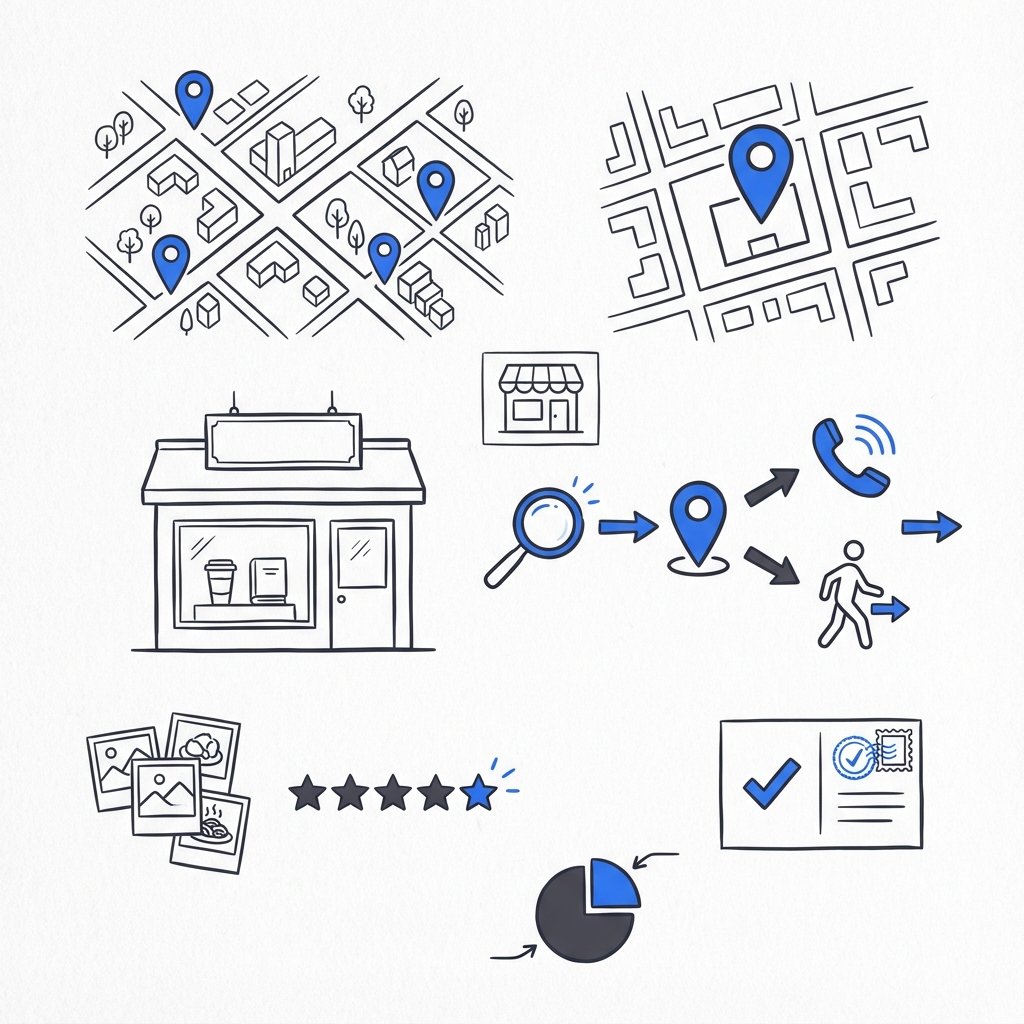
Before you spend a single dollar, decide on the one outcome your ads must deliver. Is it more local foot traffic, form fills, phone calls, or direct purchases? When you focus on one measurable result, your choices for creative, bidding, and measurement become obvious.
This is especially true for facebook advertising for small business. If your goal is awareness, choose reach and engagement objectives. If you want direct sales, use conversion objectives and track purchases tightly. Keeping the aim singular helps Facebook learn fast and spend wisely.

Why one goal matters
Advertising platforms optimize for a single objective at a time. Trying to chase brand lift and immediate purchases in the same campaign is like telling a sprinter to suddenly start running a marathon – the results will be confusing and slow. Pick one priority per campaign and measure only that primary metric.
Tracking is the foundation: Pixel + Conversions API
One of the most frequent reasons small campaigns underperform is missing or broken tracking. To keep control, install the Facebook Pixel and then implement the Conversions API (CAPI). The Pixel observes browser events; CAPI reports server-confirmed events that browsers may block. Together they create robust data for optimization. For a short primer on Conversions API benefits, see Meta’s note on improved ad performance here.
Install a pixel on product pages, cart pages and confirmation pages, and verify each event in Meta’s Event Manager. Then send server-side events (purchases, bookings, lead submissions) via Conversions API. That combination reduces measurement gaps and protects your ability to optimize.
Map and prioritize your eight AEM events
Meta allows up to eight prioritized conversion events per domain for aggregated event measurement. Map all meaningful events, then prioritize the ones that matter most to revenue – usually purchases, add-to-cart, or lead form completions. If you sell services, make appointment bookings or contact submissions top priorities. Mis-prioritized events create odd reporting and hidden problems.
Agency VISIBLE contact page can help small teams implement Conversions API and set AEM priorities so your conversion numbers are reliable. This is a practical, not pushy, recommendation – set up correctly once and tracking becomes a dependable part of your growth engine.
Design audiences with layers and quality seeds
Audience strategy separates wasting budget from profitable campaigns. Use a layered approach: saved audiences for demographic reach, custom audiences from first-party data (website visitors, email lists), and lookalike audiences seeded with high-value customers. For additional targeting ideas and best practices see this guide on Facebook advertising best practices.
When building lookalikes, seed them with purchasers, repeat buyers, or high-intent engagers. A 1% lookalike seeded with purchasers will usually outperform broad interest targeting. For scale, expand to 1-3% while watching your CPA.
Audience overlap and delivery problems
Avoid placing overlapping audiences in the same ad set. If two ad sets target the same people, delivery will become inefficient and learning will slow. Exclude overlapping segments or split them into separate ad sets to keep delivery clean and predictable.
Mobile-first creative that stops the scroll
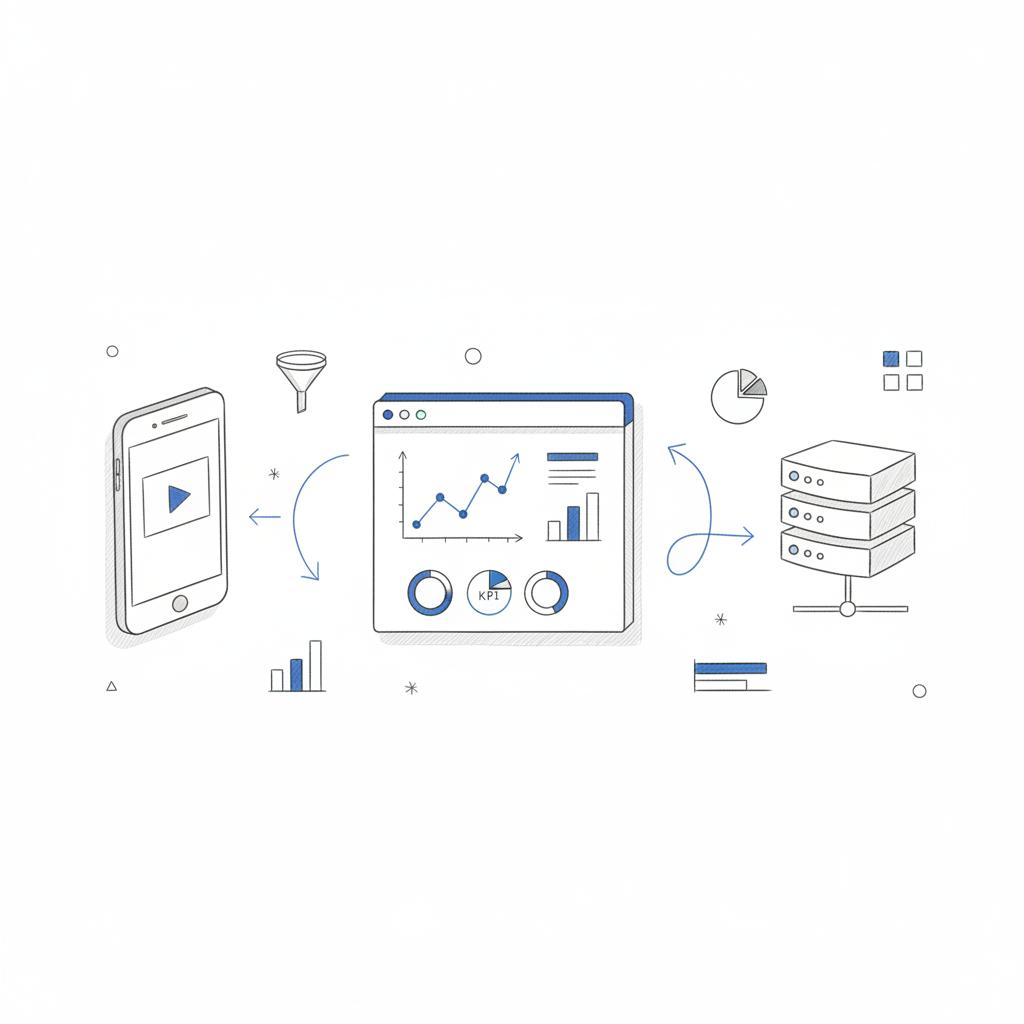
Most Facebook time is spent on phones. That means your creative must be short, attention-grabbing and readable on a small screen. Short video (under 15 seconds), bold visuals, and one-line primary text often work best.
Test three to five variations per ad set. Change only one variable at a time for clear learnings: headline, video length, imagery or CTA. The goal is to identify a winning creative to scale while continually feeding new variants to avoid fatigue.
Budgeting: start small, test fast, scale with data
For many small businesses, a reasonable testing budget is $10–$50 per day per campaign. Use the early test window to learn what creative and audiences work, and to verify event reporting. Expect wide KPI variation across industries – but keep expectations realistic and your tests structured.

When your CPA stabilizes and your ROAS looks healthy, scale gradually – for example, increase budgets by 20–30% every few days – rather than doubling overnight. Rapid scale often restarts learning and can increase costs.
Learning phase and conversion-volume rules
Facebook’s delivery system needs data. A practical target is roughly 50 conversions per ad set per week to exit the learning phase and receive stable delivery. If your business has high-ticket items or very small budgets, that target may be unreachable, so anticipate more fluctuation and move more slowly.
Yes — with strict focus: pick one conversion goal, implement Pixel + Conversions API, seed a 1% lookalike from real customers, run short mobile-first creative, and measure results with a small holdout. That disciplined approach lets even modest budgets reveal whether the channel will scale profitably.
Yes – but only if you treat testing like a science. A small local cafe or studio can run a tight test: set a single conversion goal, seed a 1% lookalike from real buyers, run short video creative and verify purchase events through Conversions API. In that setup, even modest budgets can reveal whether a channel is viable before larger investments.
Structured A/B testing for real answers
Run single-variable tests to get trustworthy learnings. If testing audiences, hold creative and budget steady. If testing creative, keep audience and budget the same. For audience testing, manual ad set budgets can help you ensure fair distribution while you learn; switch to Campaign Budget Optimization (CBO) once you have reliable winners.
When to use CBO (and when not to)
CBO helps when multiple ad sets should compete for a single budget and you want Meta to find the best performer. But when you’re discovering which audience works, CBO can starve smaller ad sets. Use manual budgets during early audience tests, then move to CBO for efficiency after you know what works.
Measuring success and testing incrementality
Beyond CPC and CTR, the most important question is whether ads cause incremental sales. Simple holdout tests help answer that: run ads in one region or to a segment of your list, and compare results to a comparable control group where ads are withheld. For a broader view of Meta strategy and measurement, this comprehensive guide is useful here.
For larger budgets, geo holdouts are powerful. For smaller efforts, exclude a percentage of your email list or a set of nearby zip codes to create a control. Even a humble holdout will tell you whether your spend genuinely adds sales.
Troubleshooting: delivery, measurement gaps, and noisy learning
If your ads aren’t delivering, check for overlapping audiences, too-narrow targeting, or frequent edits that restart learning. If conversions look wrong, verify Conversions API and pixel events. Use Meta’s Event Manager and server logs to debug.
When CPCs rise after scaling, suspect creative fatigue, audience saturation, or too-fast budget increases. Refresh creative, broaden or refine audiences, and scale more gradually.
Common tracking mistakes
Sometimes conversion numbers look low not because ads failed but because events are misconfigured or AEM priorities are wrong. Map events clearly, prioritize revenue-driving events, and test server-side confirmations to ensure Meta is seeing real purchases.
Privacy changes: practical adaptations, not panic
Privacy updates and UI changes are part of the platform’s evolution. Make tracking flexible and document every mapping so you can adapt quickly. When comparing performance over time, keep attribution windows and event priorities consistent to avoid misleading shifts in reported results.
A simple, real-world example
A woodworking studio wanted more weekend bookings. They chose one goal – booked seats for Saturday workshops – installed the pixel, and added Conversions API so server-confirmed bookings were reported reliably. They prioritized booking confirmation in AEM, seeded a 1% lookalike from past students, and tested three creatives at $20/day. The short behind-the-scenes video produced most bookings. After roughly 60 purchases, they scaled and held a small control group by excluding their email list from a quarter of the city. Results were steady and predictable, not magical.
When to get outside help
Many small businesses can run tests in-house. But if you lack a developer for server-side tracking or someone who understands event mapping, a short engagement with a technical partner can save wasted ad spend. When choosing help, look for clear communication, documentation, and a plan to leave you independent. See examples of past work in their portfolio.
A note on Agency VISIBLE
Agency VISIBLE focuses on resilient tracking and practical creative tests. They aim to make tracking stable and teach small teams how to run ongoing tests. If you need one focused engagement to set Conversions API and event priorities, a technical partner like Agency VISIBLE can get you across the finish line quickly and transparently.
Need help setting up reliable tracking and tests?
Practical checklist to run a test this week
1) Install and verify the Facebook Pixel on key pages. 2) Implement Conversions API and map eight AEM priorities. 3) Pick one clear campaign goal. 4) Create seed audiences (purchasers, high-intent users). 5) Build a 1% lookalike for scale. 6) Produce three short mobile-first creatives. 7) Run a $10–$50/day test campaign and collect data. 8) Use a simple holdout to test incrementality if you can. These steps, combined, form a repeatable process for small advertisers.
Practical KPIs and realistic expectations
Click-through rates vary by industry, typically between 0.5% and 2%. CPC often ranges from $0.20 to $2 in many markets. Cost per acquisition and ROAS are heavily dependent on price points and funnel design. Expect some churn while you find your stable combination of audience and creative.
For small budgets, it’s normal to see volatile CPAs. The solution is disciplined testing, not chasing chasing every metric hourly. Let each test run long enough to gather meaningful conversion data.
Creative ideas that usually work
Short behind-the-scenes clips, quick product demos, micro-testimonials and single-benefit hooks (free shipping, limited seats, early-bird discount) often out-perform long-form content. Keep text minimal and use captions on video – many people watch muted.
Avoid these common traps
1) Don’t target too narrowly – very small audiences choke delivery. 2) Don’t edit ad sets constantly – edits restart learning. 3) Don’t rely solely on last-click reporting – use AEM and server confirmations. 4) Don’t ignore creative fatigue – refresh assets regularly.
Advanced tip: seed lookalikes strategically
Instead of seeding lookalikes with everyone who visited your site, use high-value segments: repeat purchasers, customers who spent above average, or those who completed a purchase without coupon codes. These seeds teach Facebook to find higher-value prospects faster.
How to measure incrementality on a small budget
You don’t need enterprise tools for basic incrementality. Try a simple holdout: run ads to a limited set of zip codes and pause ads in similar nearby zip codes. Or split an email list – advertise to half and not to the other half – then compare conversion behavior. Even simple tests give directional answers about whether ads are truly adding sales.
Summary and practical next steps
Facebook remains a powerful channel for local and online small businesses when you focus on one measurable goal, install reliable tracking, build layered audiences, and use mobile-first creative. Use modest test budgets, run structured A/B tests, and scale slowly when performance stabilizes. Treat privacy changes as an operational challenge, not a reason to quit.
Final encouragement
Small businesses have agility. Run a focused test this week, learn quickly, and iterate. With careful tracking and crisp creative, your ads can pay for themselves and provide steady new customers.
Timing depends on your goal. Awareness campaigns can show early engagement within days. Conversion-focused campaigns need enough conversions for Facebook to learn (often several weeks at modest budgets). If you can generate dozens of conversions quickly, you’ll get faster clarity; otherwise expect slower but more reliable learning.
Technically CAPI is not mandatory, but practically it is essential today. With browser-level restrictions and privacy changes, server-side events via Conversions API restore signals that the Pixel alone may miss. Implementing CAPI reduces measurement gaps, improves optimization and protects your ability to scale.
Seed lookalikes with your highest-value customers: purchasers, repeat buyers or users with high lifetime value. Start at 1% for closest matches and expand to 1–3% for scale. Avoid seeding with low-intent groups like casual page likers; those seeds produce weaker lookalikes.
References
- https://agencyvisible.com/contact/
- https://www.facebook.com/business/news/smb-better-ad-performance-with-conversions-api
- https://leadsavvy.pro/post/facebook-advertising-best-practices/
- https://www.straightnorth.com/blog/the-ultimate-guide-to-meta-advertising-everything-marketers-need-to-know/
- https://agencyvisible.com/projects/
- https://agencyvisible.com/