How to advertise lawn care on Facebook marketplace?
How to advertise lawn care on Facebook Marketplace is one of the most common questions small local teams ask when they want faster, cheaper leads. If you want a clear path — from an eye-catching listing to a booked and paid job — this guide walks you through everything you need: setup, creative, pricing, messaging, ads, measurement, and the common mistakes to avoid.
When I first helped a small neighborhood lawn care team in Ohio try Facebook Marketplace, we expected a trickle. Instead we saw a steady stream of local inquiries — not because the listings were magical, but because we treated Marketplace like a neighborhood notice board tied to a real, responsive local business. That is the practical truth: how to advertise lawn care on Facebook Marketplace works when you combine clear service listings, a Business Page, a fast reply routine, and small, targeted promotion in the ZIP codes that matter.
Need a second opinion on your Marketplace setup? Agency VISIBLE offers a short audit that points out quick wins and changes that usually pay for themselves — check their quick review here: Agency VISIBLE contact.
Why Facebook Marketplace can be powerful for lawn care
Facebook Marketplace functions like a local bulletin board combined with a directory. People use it to find nearby things — and with the right setup, services like lawn care can be discovered the same way. Marketplace gives you low or no-cost placements and direct messaging; an inexpensive ad boost or a small Messages campaign can turn passive views into conversations. But success depends on execution: clean titles, honest prices, strong local photos, and an extremely fast first reply.
Marketplace isn’t a silver bullet. It’s built around products, and organic reach for services fluctuates by season and market. Still, for small lawn care businesses that need predictable leads without a big budget, Marketplace plus small-budget Meta ads can be one of the most cost-effective channels. This guide is written for owners and operators who want actionable steps to grow reliably.
How to think about this channel
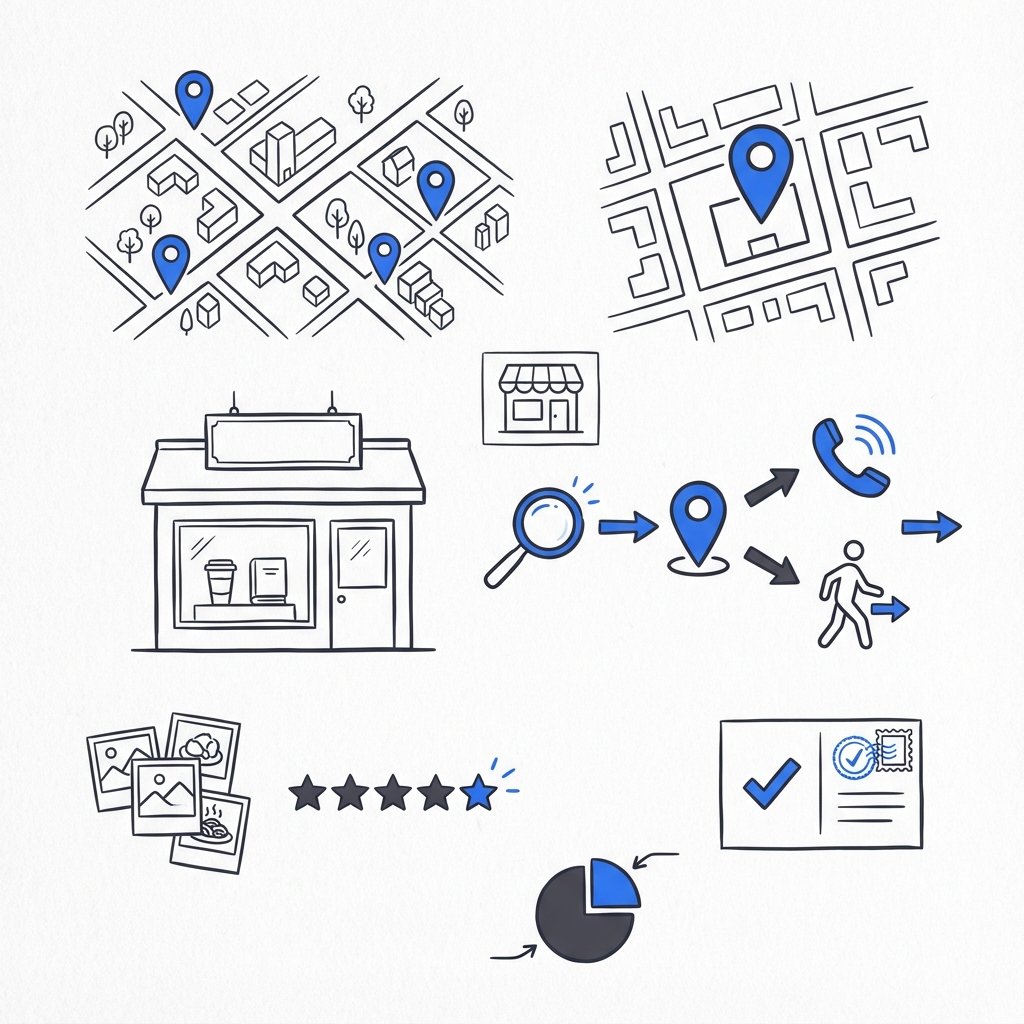
Imagine your Marketplace listing as a flyer on your neighborhood’s busiest bulletin board — the ad is the person who walks around and hands a flyer to likely customers. The flyer needs a clear headline, a few trust-building images, a simple price signal, and a single action for the reader to take. In practice that means a tidy Business Page set up with Services, a tight Marketplace title, 3–5 before/after photos, short demo video, and an easy booking link or Message CTA.
The quickest change is to make your title and price signal crystal clear: use a local service title (e.g., “Lawn Mowing — Springfield — From $39”) and include a simple CTA like Message for a Free Estimate. That alone typically increases qualified messages and reduces time wasted on unqualified leads.
Step-by-step setup: the foundation for success
1) Set up a strong Business Page
Your Business Page is the hub that Marketplace links back to. Make sure your Page has Services and Appointments enabled, display your operating area (towns and key ZIP codes), business hours, and a friendly profile photo or logo. Add a short description that states clearly what you do — e.g., “Weekly or one-time lawn mowing, edging, debris removal in Springfield ZIPs 01101–01105.”
2) Write the right Marketplace title and description
The title is scanned quickly, so keep it literal and local: “Lawn Mowing Springfield — From $39” reads far better than a vague name. Use the focus phrase sparingly: include a natural mention of how to advertise lawn care on Facebook Marketplace in your page copy or a blog snippet linked from the listing, but avoid stuffing the title. In the description tell people what you do, where you serve, your starting prices or clear next steps, and one call-to-action: Message for Quote OR Book Online. Example: “We mow, edge, and remove grass debris in 3–5 days. Basic from $39. Message for a quick quote or Book Online for a walk-through.”
3) Photos and short videos that actually sell
Three to five crisp, sunlit before-and-after photos are ideal. If you use a demo video, keep it 15–30 seconds and caption it — many people watch muted. Photos should show local yards that look like the ones you’ll service; that creates a near-immediate connection with neighborhood homeowners. Bright, warm images perform better than dark, soggy shots. Let the lawn breathe in the frame — show edge lines, a mower in action (no faces), and one neat close-up of the cut line.
4) Pricing and package clarity
Start with simple packages that make choices easy. Example tiers (adjust to your market):
Basic: Single mow from $39 — grass cut, light trimming.
Standard: Mow + edging + debris removal from $69.
Premium: Weekly maintenance starting at $99.
Publishing starting prices helps pre-qualify leads; if you prefer not to publish numbers, clearly state “Free estimate” or “Flat-rate first visit” so homeowners still get an honest signal.
Messaging and reply scripts that convert
Fast replies matter more than you might expect. Homeowners often message several providers and choose the quickest friendly responder. Have a short pre-qualification script on your phone to reply within an hour — ideally within 15–30 minutes during business hours. Here are tested scripts:
Initial automated greeting (Messages campaign)
Auto-reply: “Hi — thanks for reaching out! We’re Green Thumb Lawn Care. Is this a one-time mow or recurring service? What’s your ZIP code? Reply with that and we’ll give a quick ballpark or schedule a free walk-through.”
Human reply template
“Thanks for reaching out, I’m Alex with Green Thumb Lawn Care. Do you need a one-time mow or regular maintenance? What’s the ZIP? I can give a ballpark now or schedule a short walk-through — which works best?”
Keep follow-up questions limited to essentials: one-time vs recurring, ZIP or address, lawn size (small/medium/large), and any special needs (dogs, slopes, heavy debris). The goal is to move to booking within one or two messages.
Booking flows: reduce friction and no-shows
Make it easy to convert a message into a booked job. Options that work well:
- Use Facebook Appointments so people can pick a time without extra steps.
- Offer a short booking link (mobile friendly) that pre-fills basic info.
- Confirm by message and send a reminder via SMS or Facebook message the day before.
Example confirmation message: “Thanks — you’re booked for Thursday at 9 a.m. Technician will call when near. Expect a 30–45 minute visit for a quick walk-through and estimate. Reply STOP to cancel.”
Small-budget Meta ads that amplify reach
If you want reliable visibility, back the Marketplace listing with a tested ad. Many small teams run daily spends of $5–$15 aimed at specific ZIPs. Campaign objectives that work: Lead Generation, Messages, and Local Awareness. Messages tends to be lowest friction because it starts a chat you can qualify immediately.
Testing plan (7–14 days):
- Pick one ZIP or radius and $5 per day to start.
- Create two titles (e.g., “Lawn Mowing — Springfield — From $39” and “Spring Special — First Mow $29”) and two photo sets.
- Run A/B tests for 3–4 days, measure messages and booked appointments, then scale the winner to $10–$15/day.
When you advertise, match ad copy and the booking experience. If the ad promises “First mow $29,” ensure that option is visible during booking — mismatches destroy trust faster than almost anything else.
Targeting tips
Narrow targeting to the ZIP codes or 3–5 mile radius where you operate. Consider demographic filters only if you serve a specific homeowner profile (e.g., single-family homes). The majority of results come from precise local targeting, not broad demographic sweeps.
Creative and copy tactics that increase clicks
Make the intent explicit. If someone is searching for “lawn mowing near me,” your ad or listing should match the intent. Use these copy snippets:
Titles: “Lawn Mowing — Springfield — From $39,” “First Mow $29 — Book Online,” “Weekly Lawn Care — Local Team.”
CTAs: “Message for Free Estimate,” “Book Time for Walk-Through,” “Get a Ballpark Price Now.”
Visuals: before/after photos, a 20–30 second demo video captioned, and a simple graphic that lists starting prices (avoid heavy text overlays). Keep everything mobile-first — most users will view on a phone.
Measure the metrics that matter
Don’t get distracted by impressions. Track actionable KPIs:
- Messages/Leads generated
- Booked appointments
- Jobs completed
- Revenue per job
- Cost-per-lead and cost-per-job
Use UTM tags on external booking links so you can see referral traffic in your analytics. If you use offline conversions in Ads Manager, record which messages converted to booked or completed jobs — that closes the loop between ad spend and revenue.
Simple tracking sheet
Keep a spreadsheet with columns: Date, ZIP, Campaign, Source (Marketplace/Ad), Messages, Booked, Completed, Revenue, Notes. After two weeks you’ll see patterns: which ZIPs convert better, which titles work, and whether photos or video perform best.
Scripted follow-up to increase paid jobs
Speed and a human tone convert. Use this tested reply sequence:
Reply 1 (automated): “Thanks for reaching out — we’ll respond in a few minutes. Quick Q: is this one-time or recurring?”
Reply 2 (human within 30–60 minutes): “Hi, I’m Alex. Quick question: what’s your ZIP and is this a one-time mow or recurring care? We can come by for a quick walk-through tomorrow morning or give a ballpark now.”
If they choose a walk-through, offer two windows (e.g., Thursday 9–10 a.m. or Saturday 8–10 a.m.). The double-window decreases friction and speeds scheduling.
First visit checklist: how to turn estimates into jobs
The first in-person visit is a huge conversion moment. On every visit bring:
- A printed or digital estimate that lists what’s included in each package
- Before-photo capability (phone photos) to capture the job
- A short, friendly script to explain recommendations
- A clear payment option (card, Venmo, CashApp, or invoice)
Show the homeowner the problem areas and explain briefly why you recommend a package. If they book, confirm expectations: start time, approximate duration, and payment method.
Using reviews and user-generated content
After a completed job, ask for a quick review and permission to use before/after photos. Short testimonials and local photos are the raw material for future Marketplace posts and ads. Keep a rolling folder of your best shots and a short caption that mentions the ZIP or neighborhood—local signals matter.
Seasonality and calendar planning
Lawn care demand spikes in spring and early summer and dips in extreme heat or cold. Build a calendar:
- Late winter / early spring: awareness and waitlist-building campaigns
- Spring peak: boost Marketplace listings and run Messages ads
- Summer shoulder months: targeted offers for weekly maintenance
- Fall: leaf cleanup packages and pre-winterization reminders
Adjust budgets by month: increase spend ahead of peak months and test low-cost awareness in off-season months to maintain visibility.
Compliance and platform rules
Check local licensing and insurance requirements before advertising. Make sure your Page and listings comply with Meta’s commerce and ad policies. Rules change periodically, so run small tests and keep records of what you run. If in doubt, pause the campaign and double-check policy language or partner with an expert for a short audit.
Common mistakes and how to fix them
Most small teams stumble on a few repeatable errors:
- Vague titles and photos: Use local keywords and clear images of your work.
- Slow replies: Aim for replies within an hour during business hours.
- Mismatched promises: Ensure ad copy, booking page, and price all align.
- No tracking: Log leads and outcomes to judge ROI.
Fix these four and you’ll immediately see better conversion from the same traffic.
Detailed testing plan (copy + creative + targeting)
Run disciplined tests to learn fast. A simple plan:
- Choose one ZIP code and $5/day for 7 days.
- Create two titles (local + price vs local + offer) and two photo sets (before/after vs demo video still).
- Run A vs B for four days, review messages and booked jobs, then run the winning combination for three more days to validate.
- Increase spend slowly and test one new element at a time.
Document results in your tracking sheet and make decisions based on jobs and dollars, not just impressions.
Troubleshooting: why messages aren’t converting
If you’re getting clicks but few messages, look at the visuals and CTA. Are the photos convincing? Is the title clear? If messages are plentiful but not booking, examine your follow-up script, pricing clarity, and booking friction. Many teams find that a 15–minute tweak to their reply script doubles booked appointments.
Example campaign from practice
Here’s a tested scenario that works often: a small team targets three ZIPs in a midsize town. They list a Service on the Business Page titled Lawn Mowing Springfield with three before/after photos and a 20-second demo clip. The description lists Basic from $39, Standard from $69, and Premium from $99, and invites readers to Message or Book Online. They boost the listing for seven days with $10 per day using a Messages objective targeted to their ZIPs. They set an automated initial reply asking ZIP and whether it is one-time or recurring, then a human follows up within 30 minutes to get the address and offer two appointment windows. Over three weeks they record 38 inbound messages, 12 booked appointments, and 9 paid jobs. They tracked cost-per-lead and revenue per job to measure ROI and tweaked the title and photos based on what worked.
Examples of real ad and message copy
Use these as templates and tweak them to match your voice:
Marketplace listing title: Lawn Mowing — Springfield — From $39
Short description: We mow, edge, and haul grass clippings in Springfield ZIPs 01101–01105. Basic mow from $39. Message for a fast price or Book Online for a walk-through.
Message opener: Thanks for reaching out — do you need a one-time mow or recurring service? What’s your ZIP?
Integrating Marketplace with other channels
Marketplace performs best when it’s part of a local ecosystem: business page posts, Instagram reels with the same before/after shots, and a simple website booking page that accepts appointments. Use consistent photos and pricing across channels so prospects don’t see different offers in different places.
When to hire help
If you’re short on time, consider a short audit or a limited pilot from a partner who can run the testing and hand back clear numbers. A lightweight audit often reveals quick wins — better titles, clearer pricing, faster reply templates, and tighter audience targeting. If you prefer DIY, schedule one hour to set up the Page, list one Service, and run a $5/day test in a single ZIP.
Real measures of success
Judge success by booked and completed jobs and the revenue they produce. If a $10/day test produces three booked jobs in two weeks and each job averages $80, you’ve got a clear ROI signal. Over time, tracking cost-per-job lets you scale rationally.
Final checklist before you publish a listing
Before you hit Post, confirm these items:
- Business Page: Services and Appointments enabled
- Title: includes service + town or ZIP
- Photos: 3–5 local before/after images
- Price signal: starting prices or free estimate mentioned
- Reply script: saved and tested on your phone
- Booking flow: Facebook Appointments or mobile-friendly link
- Tracking: spreadsheet or CRM ready to log results
Ready for a focused audit and fast results?
Ready to get visible and test fast? If you want help setting a test campaign or a clear audit of your listings and ads, book a one-hour review and we’ll show you where to start: Start a quick audit with Agency VISIBLE.
Wrap-up and next steps
How you advertise lawn care on Facebook Marketplace isn’t a secret formula — it’s steady execution. Focus on a clear local listing, honest pricing, strong local images, an ultra-fast reply routine, and a simple booking flow. Run a small, disciplined test in one ZIP, measure jobs and revenue, and iterate. Over time a small, well-run presence on Marketplace plus low-budget Meta ads can become one of your most reliable sources of local leads.
Start small, keep notes, and treat your prospects like neighbors — respectful, direct, and helpful. That combination will do more for your bottom line than a million impressions without a plan.
Yes. When set up correctly — with a clear Business Page, local-focused titles, strong photos, transparent pricing, fast replies, and a small testing ad budget — Facebook Marketplace can generate reliable local leads. Marketplace works best when backed by a short Messages or Local Awareness ad aimed at specific ZIP codes and when a fast, human follow-up converts messages into bookings.
Start small: test one ZIP with $5–$10 per day for 7–14 days. Use that period to A/B test two titles and two photo sets and measure messages and booked jobs. If the winning combination produces consistent bookings, scale slowly to $10–$15 per day and expand to adjacent ZIPs. The key is to measure cost-per-job and revenue per job to judge profitability.
Many small teams can run effective Marketplace campaigns themselves using the steps and templates in this guide. However, a short audit from Agency VISIBLE can quickly reveal improvements (better titles, pricing, faster reply scripts, and targeting tweaks) and speed up measurable results. If you prefer a partner to run tests and present clear ROI, Agency VISIBLE offers focused audits and pilot campaigns.