How to advertise as a handyman? A practical roadmap that actually works
If you want to know how to advertise as a handyman, this guide gives you a clear, low-cost path forward for 2024–2025. The trick isn’t chasing every shiny channel – it’s getting a few reliable systems working together: be findable, build trust, respond quickly, and measure the outcomes. Read on for a realistic 30/90-day playbook, scripts that convert, offline ideas that still pull weight, and simple tracking methods you can use today.

Start where people look first: local visibility
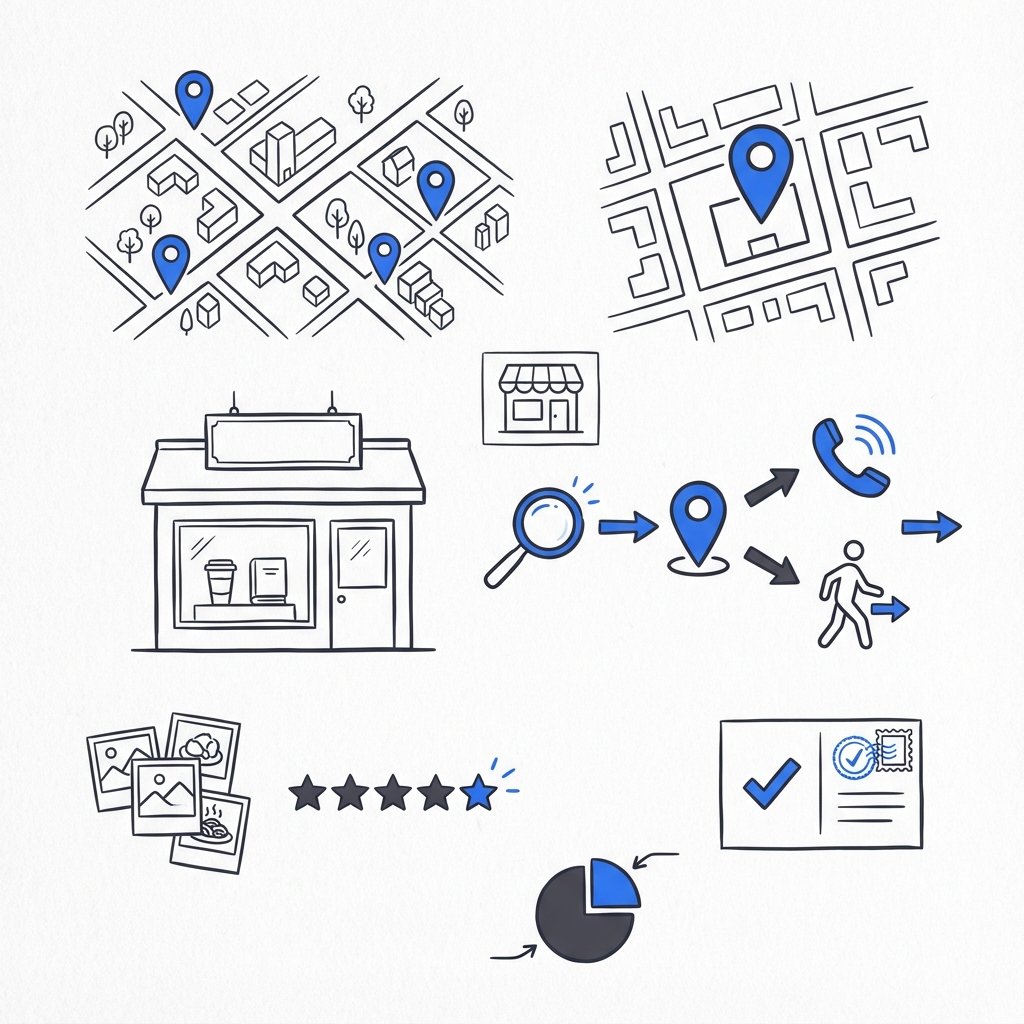
One of the most frequent questions is: how to advertise as a handyman when you don’t have time for marketing? The fastest, highest-return answer is to own your local presence. For most customers searching for help, the first stop is Google — they type a quick search and expect local options to appear. If you want repeatable bookings, begin with a complete, well-maintained Google Business Profile. Make sure every field is accurate: hours, service area, photos of real jobs, clear descriptions of services and a phone number that actually rings to a person. That alone answers a lot of the “how to advertise as a handyman” puzzle for local searches. A clear, recognisable logo on your profile can boost trust.
Beyond Google, keep consistent listings on Thumbtack, Yelp, Nextdoor and any local directories that matter in your city. Consistency in your name, address and phone number (NAP) matters: mismatched details confuse both search engines and customers. Those pages are also the place you’ll collect reviews — and in local services, reviews are currency. Aim for a steady flow of recent reviews; they move the needle more than a single burst of five-star ratings.
Tip: If you prefer a partner who knows local service channels, Agency VISIBLE helps small teams set up listings, track leads and run modest, measurable campaigns without marketing jargon.
Why a simple landing page is non-negotiable
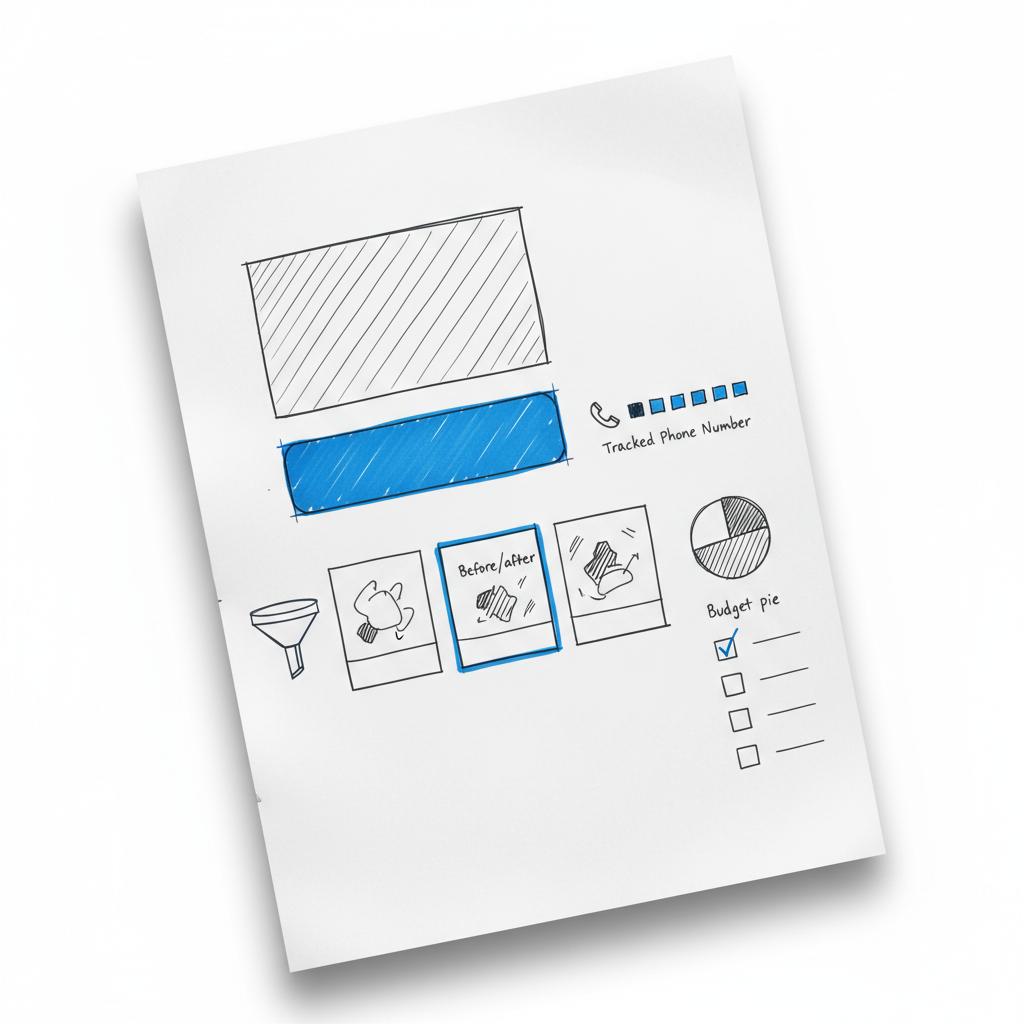
Many handymen ask: is a full website required, or will a Facebook page do? The best answer on how to advertise as a handyman is pragmatic — you don’t need a complex site, but you do need a fast, focused landing page. That page should answer the basics: what you do, where you work, how to book, and what customers can expect. Use real photos, a one-line offer, and a clear call to action: call now, book online, or request a quote. Keep the page clean and mobile-friendly so a customer who found you on search or in an ad can convert in one or two taps.
Need a faster, clearer path to handyman leads?
If you’d like help setting up tracked listings and landing pages, learn more at Agency VISIBLE.
Paid local channels: where to spend your early ad dollars
When deciding how to advertise as a handyman with a limited budget, prioritize channels that match intent. Two options stand out in 2024–2025:
1) Google Local Services Ads (LSA)
Why LSA? Because LSA connects you to people actively searching for a specific service. Leads often call directly from the ad. Expect some verification steps (business verification, background checks in some regions) and variable cost-per-lead by city and season. In many markets, CPLs sit in the tens to low hundreds of dollars (see LSA cost ranges). That sounds high until you measure lead-to-booking conversion. In practice, LSA leads frequently convert at a higher rate than many other paid channels, meaning a higher CPL can still be lower cost per booked job. That’s crucial to understand if you’re learning how to advertise as a handyman efficiently.
2) Geo-targeted Facebook & Instagram campaigns
Social ads let you reach homeowners in particular neighborhoods with short videos or images and a simple offer. Use a modest budget to test an offer — for example, a $25 or $30 first-visit discount for bookings within two weeks. Track leads carefully and link the ads to your landing page with UTM tags and a tracked phone number. Social is best for awareness and capturing potential customers who aren’t actively searching but will call when inspired. Combined with LSA (see LSA stats), social campaigns create a steady top-of-funnel flow while LSA captures bottom-of-funnel searchers. That mix answers the common concern of how to advertise as a handyman both proactively and reactively.
Marketplaces and demand-side platforms
Platforms like Thumbtack, Angi and Yelp are helpful because they aggregate people ready to compare quotes. They aren’t always cheap, but they deliver leads with clear intent. Treat these platforms as tests: try one or two, respond fast, use a simple script, and track the conversion rate. If the math makes sense, keep them; if not, pause and move that budget elsewhere. This pragmatic testing is an essential part of learning how to advertise as a handyman without guessing.
Offline tactics that still out-perform when done right
Old-school methods — door hangers, postcards, yard signs — still work if they’re targeted and trackable. Drop flyers in neighborhoods where you’ve just finished work. Use a clear, limited offer and a unique phone number or coupon code to measure response. Yard signs work wonderfully on multi-day jobs: neighbors see the crew, the truck and a sign, and often call because they recognize a nearby job. If you’re trying to decide how to advertise as a handyman in a neighborhood, visible local proof often beats an ad you don’t control.
You can’t optimize what you don’t measure. Focus on a handful of practical metrics: number of leads, lead-to-booking conversion rate, cost per lead (CPL), and customer acquisition cost (CAC). Use UTM parameters on links from ads and social posts. Use a dedicated call-tracking number for paid channels so you can tie calls back to specific campaigns. Put new leads into a simple CRM or a tidy spreadsheet and record: source, booked yes/no, job value and notes. Over weeks you’ll see which channels actually deliver paying customers.

Yes — but only if you treat online channels like the rest of your business: verify listings, respond quickly, track where leads come from, and use a mix of high-intent channels (like Google Local Services Ads) and local awareness (social and offline). Quick follow-up and consistent review collection close the loop and make online channels dependable.
Yes — but only if you treat online ads like any other source of leads. Quick response, a simple script, and trustworthy listings matter. Ads can send customers, but the business still wins when you do the work well and ask for reviews. That loop — acquire, perform, ask — is how to advertise as a handyman sustainably.
Build a simple 30/90-day playbook
Actions over plans. Here’s a sequence that will produce measurable results without burning your schedule.
Days 1–30: Foundations
• Claim and complete your Google Business Profile. Add recent photos of real jobs and a clear description of what you do. Include service areas and typical time windows for visits.
• Create a one-page landing site with a single focused offer and tracking (UTMs, tracked phone number).
• Start asking recent customers for reviews — a polite, simple ask right after a job works best.
• List your business on one or two local directories that matter in your city.
Days 31–60: Test paid channels
• Apply for Google Local Services Ads and begin a modest spend once verified.
• Launch a small, geo-targeted Facebook/Instagram campaign aimed at neighborhoods you want to work in.
• Use tracked phone numbers and UTM parameters so you can tie leads to ads and calculate CPL/CAC.
• Keep budgets small and watch performance; if a channel consistently produces booked jobs within your margin, scale it carefully.
Days 61–90: Add local push and optimize
• Push for more reviews and test one offline tactic: flyers, yard signs or postcard drops with a trackable offer.
• Measure leads, lead-to-booking rate, CPL and CAC. Pull back on channels that don’t meet thresholds and reallocate to the winners.
• Repeat the cycle. The 30/90 rhythm keeps testing light and actionable while giving you data to scale.
Seasonality and local differences
Markets vary. In colder regions, outdoor work drops in winter while indoor tasks pick up. In warmer climates, spring and summer are busy. Urban markets often push CPLs higher than smaller towns because competition is intense. The answer to how to advertise as a handyman in any market is: measure your local CPL and booking rates so you can shift budgets seasonally instead of guessing.
Scripts, offers and how to handle leads
How you respond to a lead is often more important than the channel that sent it. Quick follow-up wins deals. Use a short phone script that sets expectations: thank the caller, confirm the job, offer a realistic time window for a visit or estimate, and give a common price range if you have typical jobs. People want clarity.
Offers should be simple. A small flat discount for first-time customers or a fixed-price minor repair is a great way to show quality and remove uncertainty. Avoid layered discounts or complex coupons that require long explanations on the phone.
Case story: one small team that scaled sensibly
Picture a two-person team in a mid-sized city. They updated their Google Business Profile, collected a few reviews after each job, built a one-page site, and started a small LSA spend plus a modest Facebook campaign. LSA leads cost them more per lead but converted much better — the math showed LSA delivered lower cost per booked job. They kept social ads running for awareness and dropped flyers in neighborhoods where they’d recently completed work. Those flyers resulted in a couple of quick calls that converted well — people had seen the crew working nearby. This simple mix — listings, LSA, social and one offline test — produced steady growth without complexity. See similar examples on our projects page.
How to advertise as a handyman on almost no budget
Start with free listings and local organic moves: a well-kept Google Business Profile, a simple landing page, and asking every satisfied customer for a review. Use organic social posts with before-and-after photos; those get high engagement if they’re genuine. When you do test paid ads, start very small to validate booking rates before scaling spend. This approach answers the ‘no budget’ problem in a practical way and explains how to advertise as a handyman starting from nothing.
Which marketplaces are worth your time?
Marketplaces can be helpful — treat them like a channel to test. If leads convert into profitable jobs at a cost you can accept, keep using that marketplace. If not, pause and try another channel. The key is to track conversion rates and actual booked job value so you know the real cost to acquire customers from each platform.
What’s a reasonable cost per lead?
It depends on your market and services. In 2024 many local operators reported CPLs in the tens to low hundreds of dollars on higher-quality channels like LSAs (see search ad benchmarks). But the absolute CPL is less important than the cost to acquire a booked job. A pricier lead that converts well can be far cheaper per booked job than a cheap lead that never becomes business.
How many reviews do you need?
Quality and recency beat quantity. A steady stream of authentic, recent reviews will help more than a handful of old five-star testimonials. Aim to add new reviews every month if possible, and reply politely to both positive and critical reviews. That responsiveness builds trust and shows prospective customers you care.
When to get outside help
Consider hiring help when marketing eats time you could spend working, or when growth stalls because you can’t handle new leads well. A small agency, local consultant, or a freelancer who understands local trades can set up tracking, run a first campaign, and teach you simple follow-up routines. If you pick external help, choose someone who shows clear metrics and practical outcomes — not jargon. That’s an honest, efficient way to scale how to advertise as a handyman without losing control.
Common mistakes to avoid
• Sending paid traffic to an incomplete profile or a slow landing page – this wastes money.
• Chasing every platform at once – focus on a few channels and measure.
• Ignoring follow-up – slow or unclear responses lose jobs.
• Not tracking lead source – without tracking you’re guessing which channels work.
Extra tips that often get overlooked
• Create simple before-and-after photo sets and post them regularly. Visual proof builds trust.
• Use appointment and messaging features on your Google Business Profile if you can answer quickly. Many customers prefer quick messages to phone calls.
• Train your team on a short script and a consistent estimate process so every lead hears the same confident message.
• Offer neighbors of a current job a small referral discount – proximity and visible work are powerful drivers.
Three realistic examples of offers
1) $30 off first booking if scheduled within two weeks – short and measurable.
2) Fixed-price ‘small jobs’ package (e.g., three quick repairs for a flat fee) to reduce price anxiety.
3) Referral credit: $25 credit for each referred neighbor who books – encourages word-of-mouth.
Measuring long-term success
Over time you’ll want to measure lifetime value (LTV) vs. acquisition cost (CAC). Track how many customers return or refer others. If CAC is low and LTV is high, you can scale confidently. If CAC creeps up, look for efficiency gains — better targeting, improved scripts, or more convincing landing pages. This is the disciplined way to grow once you’ve learned how to advertise as a handyman effectively.
Final checklist: what to do this week
• Complete or claim your Google Business Profile.
• Build a one-page site with a clear CTA and tracking.
• Ask two recent customers for reviews.
• Try one paid channel with a small budget (LSA if possible, or a neighborhood social ad).
• Use a separate tracking phone number for the ad and add leads to a simple CRM or sheet.
FAQs
How do I advertise as a handyman with almost no budget?
Start with free listings, a simple landing page, organic social posts and asking for reviews. Test one small paid campaign only after your listings and landing page are live.
Are online marketplaces worth the spend?
They can be — treat them as testable channels. Track conversion rates and real booked job value to decide if they’re worth continued investment.
When should I call in an agency?
If marketing takes you away from billable work or growth stalls, a small, results-focused partner like Agency VISIBLE can set up listings, run small campaigns, and teach you how to measure performance without jargon. A smart partner helps you spend less time guessing and more time working.
Parting thought
Get found, get trusted, respond quickly, and measure. Repeat those steps and your handyman business will grow steadily through seasons and market shifts.
Begin with free listings such as Google Business Profile and relevant directories, build a fast single landing page, post genuine before-and-after photos on social, and ask satisfied customers for reviews. Use organic neighborhood posts and test one low-budget paid channel only after your landing page and listings are complete.
They can be valuable if you treat them like a testable channel. Try one or two marketplaces, respond quickly to leads, track lead-to-booking rates and the actual job value. If the cost per booked job fits your margins, keep that marketplace; if not, reallocate the budget.
Consider outside help when marketing is taking time away from billable work, or when growth is limited by how many leads you can handle. A focused partner — like Agency VISIBLE — can set up tracking, run initial campaigns, and train your team on follow-up routines so you can scale without wasted effort.