Start with clarity: decide what success looks like
There’s a simple truth at the heart of every promotion plan: if you don’t know what you want, your channels will only make noise. Before you ask how to advertise an event, ask why this event matters. Are you selling tickets, building a local meetup community, generating leads, or creating a memory people will talk about? Each answer changes the plan.
If the goal is ticket sales, measure registrations and cost per acquisition. If the goal is community, measure email opt-ins and repeat attendance. When you define the outcome first, the question how to advertise an event becomes practical: which channels will reliably move that specific number?

Choose a realistic timeline and budget
For most local or mid-sized gatherings, an eight-week schedule gives you room to create awareness, build trust, and convert. Big conferences need three to six months. Start your timeline by reverse-engineering the date: work back from when you want the first ticket sale, then schedule announcement, content, ads, and final push.
Budget is a reflection of scale and ambition. Small local events can reach goals with time and creativity; mid-sized and large ticketed events need paid reach. As you plan, keep two guardrails in place: (1) put time into creative that feels real and (2) assign at least 10-20% of your budget to measurement and tracking – without data, you’re guessing.
Mix channels the way a chef mixes flavors
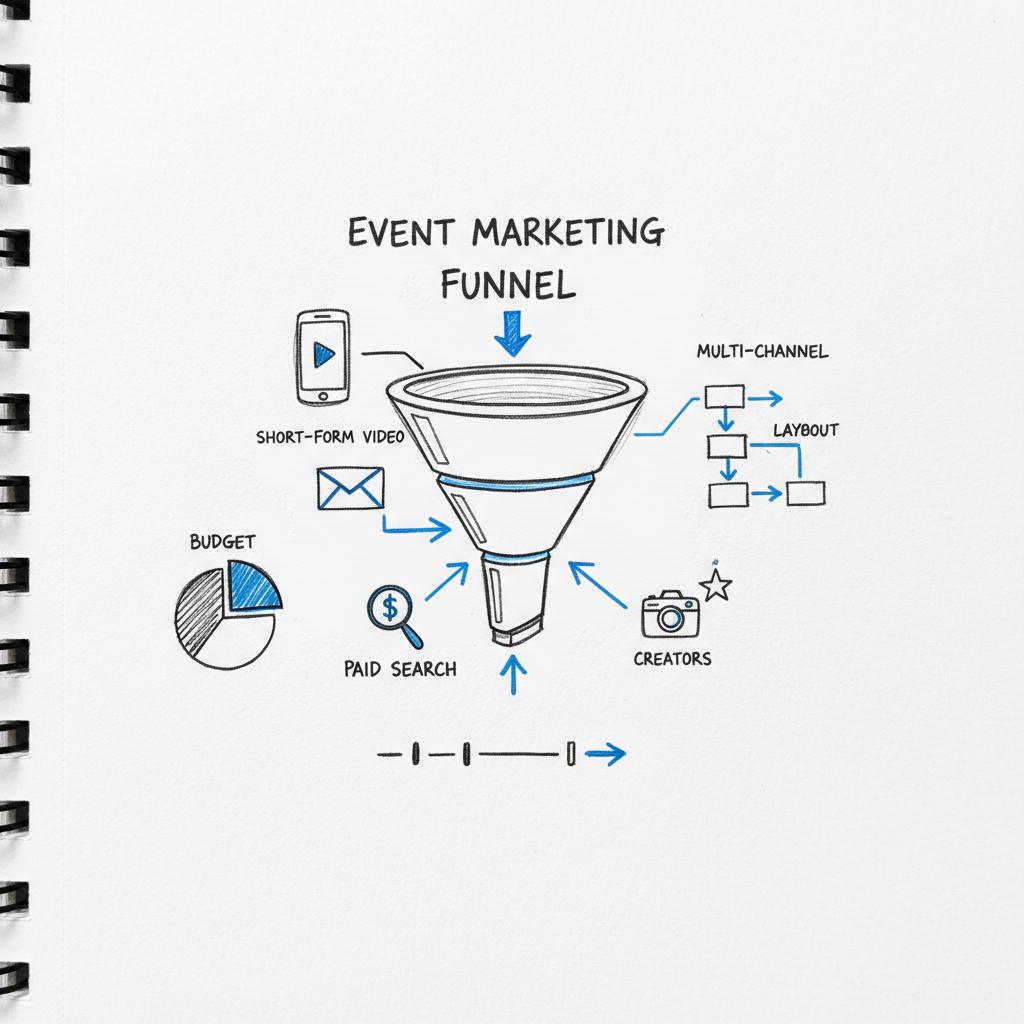
The best answer to how to advertise an event is rarely a single channel. Think of each channel as a flavor: short-form video brings warmth and personality, email converts with intent, paid media scales quickly, and event platforms capture people actively searching. The trick is balancing authenticity (organic content and creators) with reach (paid search and social). See a comprehensive list of event tactics in 16 Event Marketing Strategies for 2025.
Short-form video: immediate, human, repeatable
In 2024-25, short-form video is a core tactic for many events. A 10-30 second clip that feels human — a behind-the-scenes laugh, a quick speaker highlight, or a venue reveal — creates familiarity. Plan for a series, not a single hero video: announcement clips, speaker teasers, venue shots, and day-of micro-updates.
Practical tip: produce at least one organic clip per week plus two creator clips in the six weeks before your event to keep momentum alive. When you test, measure views, watch time, and the click-through rate to your ticket page.
Email: the quiet conversion engine
Email works best when it’s segmented. A single well-sequenced campaign far outperforms a scattershot approach. For any event promotion, build at minimum a four-step sequence: welcome, value update, social proof, and scarcity/last chance.
Write for specific audiences: previous attendees, warm leads who opened emails before, and cold sign-ups. Clear subject lines, one CTA per message, and short copy will convert better than long form. Remember: people check email faster than they commit to a purchase — so your email can be the final push. For a practical guide on event email campaigns, see Email Marketing For Events.
Paid social and search: speed and scale
Paid channels let you find people and reintroduce your message. For ticketed events, design a funnel: awareness (broad targeting), consideration (engaged viewers and website visitors), and conversion (dynamic retargeting for cart abandoners). Conversion tracking must be set up before you spend—UTMs, pixels, and thank-you pages are non-negotiable.
Paid search often captures intent: people searching phrases like “how to advertise an event” may be planners, while searches like “buy tickets [city] concert” are high intent attendees. Use search ads to capture people further down the funnel and social to create interest higher up.
Local SEO and event discovery platforms
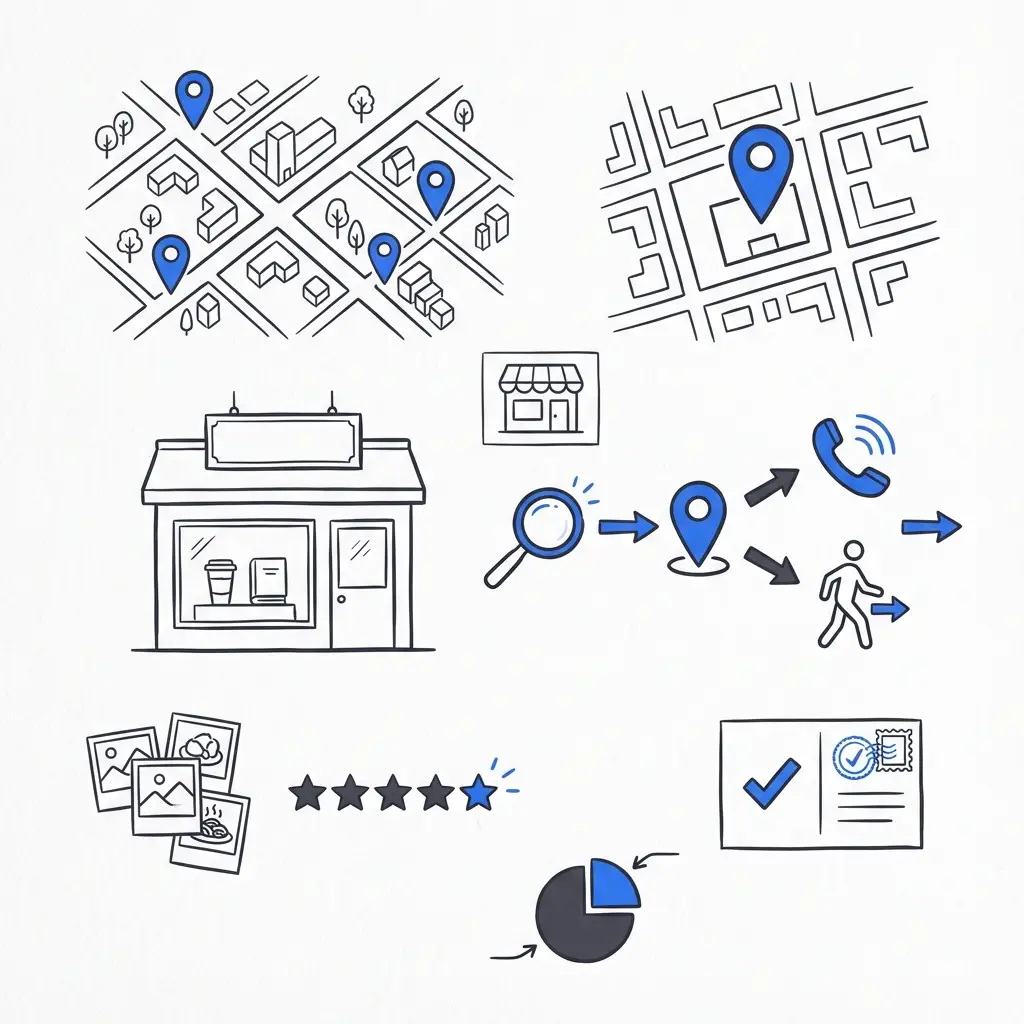
Don’t underestimate local search. Google Business Profile, structured event schema on your site, and listings on Eventbrite, Meetup, and Facebook Events increase the chance that someone actively looking for things to do will find you. For hybrid events, include details for both in-person and online attendance so searchers can discover the right option. Event pages must be fast and clear: a simple schedule, pricing tiers, FAQs, and a direct ticket link. When someone finds you via search, the landing experience determines whether curiosity becomes a purchase. A crisp logo on the event page helps build trust.
Event pages must be fast and clear: a simple schedule, pricing tiers, FAQs, and a direct ticket link. When someone finds you via search, the landing experience determines whether curiosity becomes a purchase. For tactical promotion tips, consult A Practical Guide to Event Promotion in 2024.
Measure what matters: KPIs and simple systems
Start with the obvious: registrations or ticket sales. Beyond that, track landing page conversion rates, cost per acquisition, email open and click-through rates, and retention (do attendees come back or subscribe?). Use promo codes and dedicated landing pages to trace creator and partner performance.
When you’re testing channels, use small experiments: hold back a small group from paid ads, run an A/B subject line test, or compare two creative cuts. What feels good isn’t always what sells. Measure results and iterate.
Eight-week plan: a practical, week-by-week guide
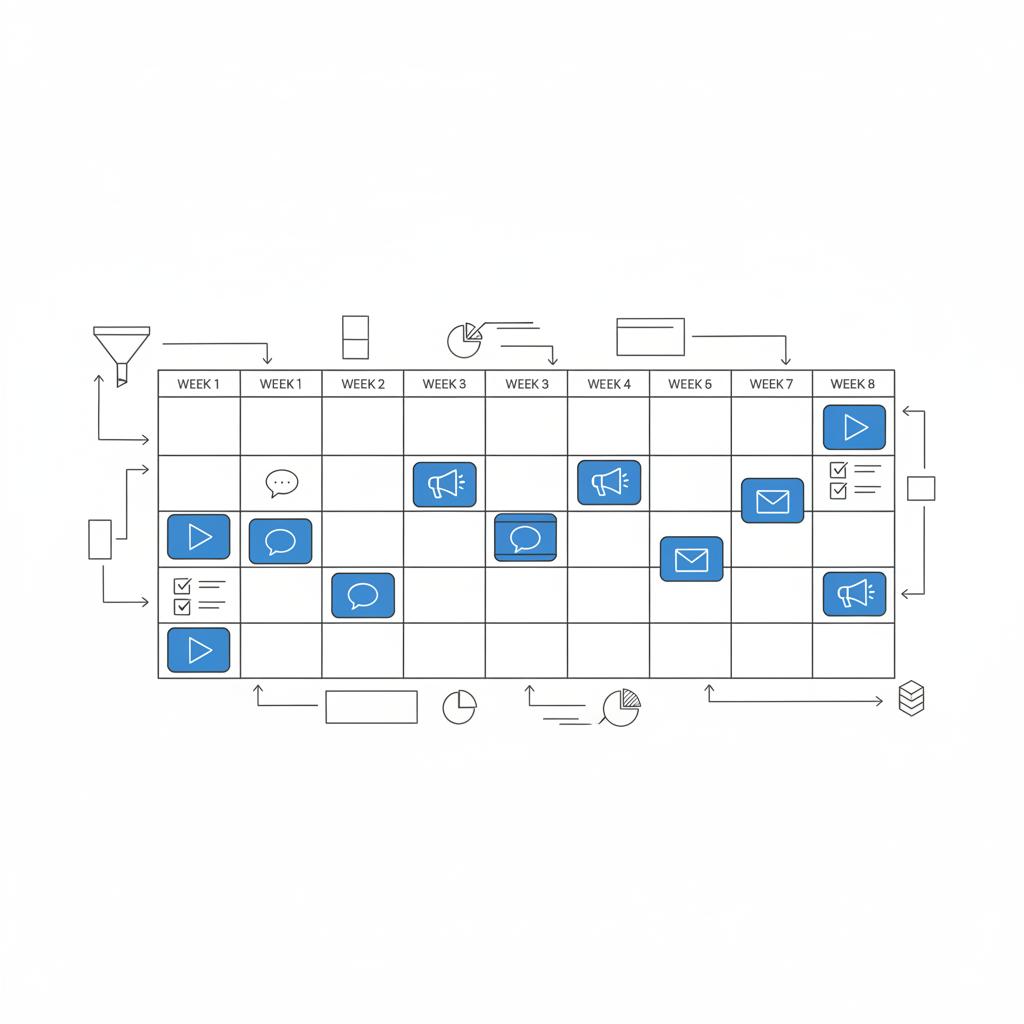
Here’s a compact example of an eight-week plan for a local festival. It’s specific, easy to copy, and built around the question how to advertise an event with clarity.
Week 8 — Launch & early birds
Announce the event publicly. Post several short-form clips that show vibe and open early-bird tickets. Send a welcome email that explains who will be there and why it matters. Publish an event page with schema and a clear ticket CTA.
Weeks 6–5 — Build trust
Release speaker or vendor announcements. Share mid-length interviews. Start paid social for people who engaged with the announcement, and arrange creator posts with local creators. Use segmented email to surface highlights for subscribers.
Weeks 4–3 — Drive conversion
Detail the schedule, release more social proof, and run retargeting ads to people who visited the ticket page but didn’t buy. Add urgency messages for ticket tiers and share practical logistics (parking, start times).
Week 2 — Reminders & practical info
Send directions, parking tips, and what to bring. Share short how-to videos for getting the most out of the event. Update paid search bids for high-intent queries and run last-minute social ads for warm audiences.
Week 1 — Final push
Highlight remaining tickets and testimonials from past attendees. Increase ad frequency for high-intent audiences and share day-of content that reduces friction: entrance times, maps, and links to mobile tickets.
Post-event — Follow-up
Immediately send a thank-you email with photos, recordings, and a short survey. Use the feedback to segment people for future invites and collect permission to stay in touch.
Creative ideas that actually move the needle
Creativity doesn’t mean expensive. Try these approachable concepts when you’re thinking about how to advertise an event:
- Micro-stories: 10–20 second creator clips that show a single small moment — a speaker’s surprising line, a vendor’s signature dish, or a crowd cheer.
- Practical mini-guides: short videos titled “How to make the most of your day at [event name]” with tips on sessions to pick and where to meet people.
- Limited discount windows: short two-day offers promoted through email and creators to spike conversions.
- Behind-the-scenes series: humanize your team with candid prep footage that builds trust and curiosity.
Working with creators and partners
Local creators are often the highest-value partnership for small events. They bring authentic attention and a built-in audience. Instead of a single large sponsorship, work with several creators who produce micro-content and share discount codes or dedicated links.
Negotiate simple deliverables: a story, a short clip, and one link back. Provide assets: a short brief, quality images, and a summary of why the event matters. Treat creators as collaborators and give them creative freedom — the best content feels natural, not scripted.
If you want a collaborative partner to help shape creative direction, sequence campaigns, and set up reliable tracking, consider working with Agency VISIBLE—a small agency that specializes in quick, measurable growth for events and local brands.
Paid search and ad strategy
Paid search often delivers the strongest ROI for ticketed events because it captures intent. Bid on a mix of branded and high-intent queries: ticket-related searches, local event queries, and “how to advertise an event” if you’re targeting event planners for workshops or B2B sessions.
Combine search with social: social creates awareness, search captures action. Keep landing pages focused and fast. If a page loads slowly or the registration flow is complicated, even the best ad will fail.
Segmentation and email sequences — templates that work
Below are compact email sequences you can copy. Each email should be short, with one clear CTA and one main idea.
Sequence for new sign-ups (4 emails)
1) Welcome: thanks + what to expect + early-bird link. 2) Value update: speaker or vendor highlight + social proof. 3) Reminder: testimonial + logistics teaser. 4) Scarcity: last-chance reminder and final CTA.
Sequence for previous attendees (3 emails)
1) Warm re-intro: “We loved having you last time” + exclusive early access. 2) VIP highlight: sessions tailored to returning attendees. 3) Personal note: ask a simple question and offer a small discount code.
Tracking and attribution you can actually use
Practical tracking starts with the obvious: UTM codes on every link, pixel installations for ad platforms, and thank-you pages that capture the sale event. Use promo codes and dedicated landing pages for creators and partners.
For attribution, use a hybrid approach: report last paid touch for short-term ad metrics and keep multi-touch data in your CRM for strategic decisions. Add a short registration question: “How did you hear about this event?” — combine that with UTM and promo-code data to reveal broad trends.
Privacy, first‑party data and the 2025 reality
Privacy changes mean we can’t rely on third-party cookies forever. First-party data—email lists, past attendees, onsite scans—becomes your most valuable asset. Focus on building your list with simple incentives, and use that list for lookalike audiences or contextual ad placements.
Contextual targeting and partnerships with publishers or creators will become increasingly important. If you can’t reach a micro-targeted cohort based on third-party signals, reach them where they already consume content related to your theme.
Practical budget guidance
There’s no perfect split, but here are reasonable starting points:
- Small local event: 60% organic & creator content, 30% paid retargeting/search, 10% measurement and tools.
- Mid-sized ticketed event: 40% paid social/search, 30% creator & organic content, 20% email & CRM, 10% tracking & measurement.
- Large conference: 50% paid amplification, 20% organic & creator content, 20% sponsorship & partnerships, 10% tracking and analytics.
Adjust the mix to your goals: sell a few high-value tickets or build long-term brand awareness.
Testing, experiments and learning—small changes, big discoveries
Run small, rapid tests. Hold a percentage of your audience out from ads for a short experiment. Try two subject lines across similar audiences. Test two versions of a 15-second clip with different hooks. Small experiments reveal what drives action.
Record your experiments in a simple spreadsheet: objective, hypothesis, result, next step. Over time you’ll build a playbook tailored to your audience.
Examples: copy and creative that convert
Use tight, specific copy. Here are quick examples you can adapt.
Social ad headline (awareness)
“A neighborhood festival for art, music, and kids — free early-bird tickets.”
Remarketing ad (consideration)
“You looked at tickets — grab the last 50 at 20% off.”
Email subject lines
“Meet the speaker who changed how small businesses grow” — for business events. “How to plan a perfect day at [festival name]” — for family events.
Common pitfalls and how to avoid them
1) Overcomplication: long forms and slow pages kill conversions. 2) No measurement: spend without tracking is guessing. 3) One-channel thinking: relying on only social or only email limits reach. 4) Ignoring creators: treating creators as ad placements instead of collaborators reduces authenticity.
Real-world story: small budget, big results
I worked on a community arts festival with a tiny budget that needed families to attend. We focused on authentic short-form video: kids playing, quick artist interviews, and one vendor’s cooking clip. Three local creators posted candid content, and we ran a small retargeting pool for viewers who watched more than half a video. The result: a warm, packed crowd and ticket goals met without large media spend.
Templates and checklists (copy these)
Event launch checklist (essential): publish event page with schema, set up UTMs, install pixels, create early-bird email, prepare 4 short-form clips, sign 2–3 creator partners, and schedule paid awareness ads.
Day‑of checklist: mobile ticket flow tested, staff briefed, signage prepared, Wi-Fi checked, photographer ready, and a designated social lead to post live updates.
Answering the big question—directly
A single, testable change—like swapping one video hook, shortening your email subject line, or adding a promo code for creator partners—often reveals scalable wins. Small experiments that measure real conversions beat big ideas that aren’t tested.
The honest answer to how to advertise an event is: combine clarity with a mixed set of channels, measure what matters, and treat creators and email as your reliability anchors. Don’t chase shiny tactics without a clear goal.
When to bring in external help
If you’re stretched for time, need stronger creative, or want tracking set up without learning ad platforms from scratch, an experienced partner can help quickly. A light, collaborative relationship—one that keeps you in the driver’s seat—often works best. See examples of our work on the projects page.
Need help promoting your event? Get a practical plan.
Want help building a balanced event campaign that sells tickets and grows your brand? Contact Agency VISIBLE for a practical conversation about strategy and measurement.
Final tips: small decisions that add up
Start small and iterate. Use short-form video to make the event feel real, lean on email as the engine that converts interest into action, and use paid media to scale what already shows promise. Collect feedback immediately after the event and keep permission to stay in touch.
Promoting an event is a mix of craft, logistics, and human connection. When you keep your goal clear and your channels purposeful, you’ll spend less time guessing and more time getting people through the door.
Further reading and resources
Use event schema generators, UTM builders, and email sequence templates to speed execution. Keep a small experiment log and revisit it before every campaign.
Now go plan with a little less nervousness and a lot more purpose – and watch your next room fill up.
For most local and mid-sized events, start promoting about eight weeks out. That gives you time to build awareness, establish trust, and convert attendees. Larger conferences usually need three to six months to allow for sponsorships, speaker announcements, and agenda development.
On a small budget, prioritize organic short-form video, local creator partnerships, event listings (Google Business Profile, Eventbrite), and a tight email sequence. These channels can generate strong engagement with modest spend; use a small retargeting budget to capture warm audiences who engaged with your content.
Yes. A light, collaborative agency relationship often works best—especially when you need creative direction, reliable tracking, or extra hands to execute campaigns. If you’d like practical help, consider a quick consult with Agency VISIBLE via their contact page to set up sequencing, creative briefs, and performance tracking.