Start with a clear question: why advertise at all?
If you’re wondering how to advertise a CPA firm, the honest answer begins with purpose: advertising for an accounting practice isn’t about flash — it’s about being found, trusted, and chosen. Firms that win are the ones that make decisions simple for prospective clients.
Advertising a CPA firm requires patience and a blend of short-term tactics plus long-term reputation-building. Below you’ll find an actionable roadmap that keeps clients’ needs at the center, shows how to prioritize channels, and includes practical steps you can apply this week.

Choose where you’ll play: niche, USP, and positioning
Most CPA firms try to serve everybody and end up speaking to nobody. A smarter approach is to define two or three high-value client segments and a single, honest USP. Ask:
- Which industries do we understand deeply?
- Which services make the most margin and the most impact?
- Where do we have referrals or a track record?
When you answer these, your messaging sharpens and advertising becomes simpler. Use phrases in your marketing that match the language your clients use — for example, “tax planning for dental practices in [city]” rather than a generic “tax services.” That clarity reduces wasted inquiries and raises conversion rates.
Define a simple USP
Your USP doesn’t need to be dramatic. It can be a specialization (rental property tax expertise), a pricing model (flat monthly bookkeeping), or a delivery promise (private equity‑ready reporting). The point is: when someone asks, “Why you?” you can answer in a single clear sentence.
Local visibility: the foundation of CPA firm advertising
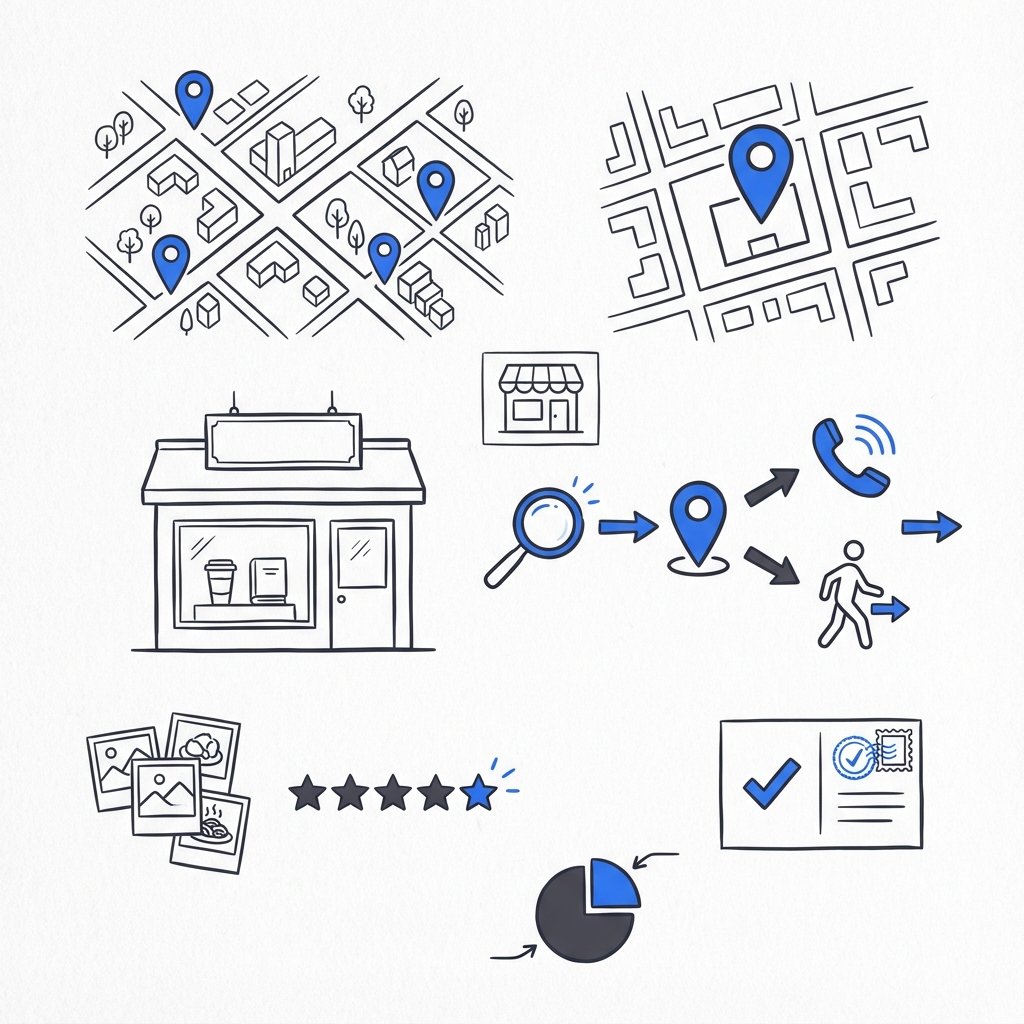
Local search is where small and mid-sized CPA firms win repeatedly. If your goal is steady, qualified leads, treat local SEO and Google presence as central to how to advertise a CPA firm; see local SEO strategies for accounting firms for practical tactics. Consider using a consistent logo across listings to aid recognition.
Key local steps:
- Claim and complete your Google Business Profile with accurate hours, services, and photos.
- Post routine updates — announcements, holiday hours, or short tax reminders — to signal activity.
- Collect reviews with personal requests after positive client moments (year‑end close, first tax savings delivered).
Consistent local listings and accurate NAP (name, address, phone) across directories reduce friction. When prospective clients search “how to advertise a CPA firm” and similar queries, a clean local footprint dramatically increases your chance to be chosen.
Content that answers real client questions
Content is the long game of advertising a CPA firm. Instead of chasing fancy assets, focus on practical tools: checklists, industry-specific guides, short videos, and concise case studies. These are the assets people actually share and return to. Pair content with proven SEO strategies for accountants like focused keyword targeting and local intent optimization: Proven SEO strategies for accountants.

Create content around the queries your clients type — e.g., “bookkeeping for restaurants in [city]” or “tax deductions for contractors.” Combine each content piece with a short call to action and an easy way to get more information (a booking link, a one‑page checklist, or a short consultation).
Short-form content ideas that convert
- 60-second video explaining a common filing mistake.
- A printable year-end checklist for small retailers.
- A case study showing cash-flow improvements for a service business.
Pair content with simple email nurture sequences so that when someone downloads a guide or watches a video, they quickly hear from you with helpful next steps.
Paid media: speed without sacrificing quality
If you need immediate leads, paid channels earn a place in how to advertise a CPA firm. Use paid search to capture intent — people searching “estate tax CPA near me” often want to talk. Use LinkedIn to target decision-makers by title, company size, and industry for higher-value B2B clients. For additional reading on digital marketing resources for CPAs, see digital marketing resources for CPAs.
Use both channels together: paid search brings volume and immediacy; LinkedIn brings precision and higher close rates. Always link ads to a landing page that continues the ad promise and asks for only necessary information to reduce friction.
Ad creative and messaging
Keep ads plain and useful. Headlines should match search queries: “Payroll & Bookkeeping for Restaurants — [City],” or “Tax Planning for Dental Practices: Free Checklist.” Avoid vague claims; give a clear next step and an incentive to contact you now.
Referral systems: make introductions work for you
Referrals are often the highest-quality, lowest-cost leads for CPAs. But informal referrals are inconsistent. Turn them into a system:
- Track referrals with a simple spreadsheet or CRM field.
- Thank referrers promptly and publicly where appropriate.
- Offer modest, ethical incentives or co-marketing like joint webinars.
Build a weekly habit: spend one focused hour cultivating referral partners. Small, consistent outreach compounds into a reliable pipeline.
If you’d like a partner to help structure your initial 90-day plan and set up local SEO, referral tracking, and targeted LinkedIn outreach, consider reaching out to Agency VISIBLE for a short consultation. They specialize in practical, measurable visibility for firms that need results without agency fuss.
Intake and qualification: protect your time
How you handle first contact determines whether paid leads become a time sink. Use a short form that asks only necessary qualifying information and follow up quickly. In your discovery call, confirm fit before promising detailed work — prospects appreciate a respectful screening process that protects both parties.
Keep the first interaction short and respectful: a pre-call form that asks 3–5 qualifying questions plus a 15-minute discovery call focused on confirming the prospect’s core problem. If fit is unclear, offer a paid deep dive or a small deliverable rather than a long free advisory session.
Keep the first interaction friendly but efficient: a short pre-call form plus a 15‑minute discovery that focuses on the prospect’s core problem. If the fit is unclear, offer a paid deep-dive or free short checklist instead of a long, free advisory session.
Measurement: what to track and why
Advertising without measurement is guesswork. Track these KPIs clearly:
- Leads by channel (organic, paid, referrals, LinkedIn).
- Conversion rate from inquiry to client.
- Customer acquisition cost (CAC) and client lifetime value (LTV).
- Return on ad spend (ROAS) for paid campaigns.
Monitor leads weekly, conversions monthly, and LTV/CAC quarterly. That rhythm keeps the team learning and prevents wasting budget on low-value channels.
90‑day starter plan: structure without overpromising
A practical 90-day plan gives you momentum without grand promises. Here’s a simple timeline:
Days 0–14: Technical and local fixes
- Audit and update your Google Business Profile.
- Fix broken links, confirm service pages match search queries.
- Verify NAP across major directories.
- Ask for 5–10 recent client reviews with personal outreach.
Days 15–45: Paid tests and short-form intake
- Launch two small paid search campaigns and one LinkedIn campaign targeting a chosen niche.
- Use short forms and a clear scheduling option.
- Refine ad copy to match landing pages and reduce drop-off.
Days 46–90: Content, partnerships, and tracking
- Publish 2–4 niche-specific short guides or videos.
- Set up a basic referral tracking system and reach out to partners.
- Begin a simple email nurture for new leads.
By day 90 you’ll have baseline metrics to inform your next steps.
Budgeting: where to spend first
There’s no one-size-fits-all marketing budget, but here are rules of thumb when deciding how to advertise a CPA firm:
- Small practices: prioritize local SEO and referral systems before broad paid media.
- Growing firms: split budget between paid search (intent capture) and LinkedIn (targeted B2B outreach).
- Specialist firms: invest in content that proves domain expertise and supports higher fees.
Always weigh lead volume against lead quality. Broad PPC gives volume but often requires more intake time. LinkedIn and referrals tend to give higher close rates and better client value.
Client intake scripts and short forms
A short intake form improves quality. Ask for essentials: business type, revenue band, key pain point, and preferred contact time. Keep the rest for a discovery call. On the call, use a short script: confirm the pain, summarize what you can offer, and agree on next steps. This keeps conversations efficient and respectful.
Content that converts: practical assets over big reports
Which content actually drives clients? Practical, shareable assets: industry checklists, short videos, and short case studies. Long whitepapers are tempting but usually don’t convert small businesses. The content should be easy to digest and easy to forward — that’s how it becomes a referral tool.
Email nurture: the underrated conversion tool
A 3‑email automated sequence can change outcomes. Start with a welcome that affirms the prospect’s need. Follow with a helpful resource. Close with a brief invitation to schedule. These small touches reduce drop-off and keep you top of mind.
Common pitfalls and how to avoid them
A few mistakes I see often:
- Treating marketing as an isolated campaign rather than ongoing activity.
- Chasing every tactic without testing or measuring.
- Neglecting mid-funnel care — inbound leads need follow-up and helpful content.
Avoid these by committing to simple metrics, a steady content schedule, and a documented referral process.
Practical checklist: actions you can take this week
- Claim and update your Google Business Profile.
- Write one niche landing page.
- Record a 60‑second video answering a common client question.
- Ask three recent clients for reviews with a personal note.
- Set up a short intake form that asks 4–5 essential questions.
Real example: small firm that found clarity
A small accounting practice stalled at $750k revenue and was generic on their site. We helped them define a niche (dental practices), rewrite service pages, update local listings, and run a modest LinkedIn campaign aimed at dental owners. Within six months organic calls doubled and LinkedIn leads converted at nearly 30%. The firm increased average client value by offering tailored cash-flow and tax planning services. This is practical evidence that clarity plus steady execution works. Read a related case study for similar projects.
Compliance and truthfulness in advertising
When advertising a CPA firm, avoid guarantees and keep claims factual. If you share pricing or outcomes, present them transparently. When unsure, consult professional association guidelines or legal counsel. Transparency builds trust – both with clients and regulators.
Creative tips that actually move the needle
Three small moves many firms skip:
- Fix the basics: speed up your site and make contact obvious.
- Use short videos where a partner answers a question in plain language.
- Document referral steps so it doesn’t live in one person’s head.
How to measure success: quick priorities
Start with lead volume and source, then conversion to client and client lifetime value. These three metrics tell whether you’re attracting the right people and whether they stick. Add CAC for monthly budgeting and a quarterly look at channel ROAS.
Small experiment: a 30‑day learning sprint
Test this: choose one niche, clean your Google Business Profile, create a short lead magnet, and run a small LinkedIn test aimed at decision-makers in that niche. Track inquiries and conversion rates, then compare to a generic paid search campaign. You’ll quickly learn which channel gives higher-value clients.
Frequently asked questions
How do I get high-quality leads for my CPA firm?
High-quality leads come from clear niche messaging, referral networks, and targeted channels like LinkedIn and industry-specific search queries. Combine helpful content with a screening intake to protect your time.
Should I invest in Google Ads or LinkedIn for accountants?
Use Google Ads to capture active intent and LinkedIn to reach specific decision-makers. Test both with small budgets and measure conversion and client value; LinkedIn often yields higher close rates for B2B niches.
What are the easiest local SEO wins for accountants?
Claim and keep your Google Business Profile active, gather authentic client reviews, and ensure address and phone are consistent across directories. Fixing these basics often yields the fastest gains.
Next steps and a gentle reminder about patience
Advertising a CPA firm compounds slowly. Quick wins with paid media exist, but the long-term gains come from consistent niche clarity, local presence, useful content, and a disciplined referral practice. Do the small things right and results follow over months and years.
Ready for a clear, measurable plan?
Ready to start your first 90 days with a practical partner? If you want a clear, measured plan built for steady growth, contact Agency VISIBLE to discuss a short, actionable engagement that sets up local SEO, referral tracking, and targeted outreach.
Final practical checklist
Before you leave, keep this quick reference:
- Pick a niche and write one focused service page.
- Fix Google Business Profile and ask for reviews.
- Run a small paid test (search + LinkedIn).
- Set a 90‑day plan and measure leads weekly.
Advertising a CPA firm is not a single campaign; it’s a steady practice of being visible, useful, and reliable. When you treat visibility as part of your service, clients find you more easily and stick around longer.
High-quality leads come from targeted messaging to a defined niche, an active referral network, and channels that reach decision-makers (LinkedIn, industry search). Combine precise content (checklists, short guides) with a short intake form and a quick discovery call to screen fit. Consistent local SEO and authentic reviews also lift lead quality over time.
It depends on capacity and goals. In-house teams are great when you have time and a steady volume of tactical work. A focused agency like Agency VISIBLE can accelerate set-up—local SEO, referral systems and a first 90-day plan—without overpromising. If you need speed and measurable momentum, a short agency engagement is often cost-effective.
Claim and fully complete your Google Business Profile, ensure NAP consistency across directories, and ask satisfied clients for reviews with a personal message. Fixing these basics often yields quick increases in organic calls and local search visibility.
References
- https://thegrowthpartnership.com/local-seo-strategies-to-help-your-accounting-firm-stand-out-in-your-city/
- https://www.getcone.io/blog/seo-for-accountants
- https://www.cpajournal.com/2025/04/28/digital-marketing-resources-for-cpas/
- https://agencyvisible.com/
- https://agencyvisible.com/projects/
- https://agencyvisible.com/contact/