How much should I pay someone to build my website is the first and most important question every business owner asks when a new site is on the horizon. That exact question – how much should I pay someone to build my website – frames every decision that follows: scope, design, features, and long-term costs.
Think of a website like a home: a single-room cottage is far cheaper than a multi-level house with a finished basement and a security system. The same principle explains why how much should I pay someone to build my website can be wildly different from one business to the next. The main drivers are scope (pages and features), design approach, integrations (payments, CRM, bookings), content and SEO needs, and hosting/maintenance choices.

Why web project costs vary so widely
Scope is the simplest place to start: do you want three pages or 30? Do you need online payments, customer logins, or booking calendars? Those features change the project from a templated job into a custom development task – each layer adds hours and therefore cost. And because business owners often discover new needs mid-project, budgets can swell unless scope is nailed down early.
Quick reality check
If you need a short answer to how much should I pay someone to build my website: expect simple brochure sites to land around $1,000, typical small business sites around $5,000-$50,000, and complex platforms or apps to start north of $20,000. But numbers without context are misleading – so read on for what each price band actually buys you and how to get accurate quotes.
Price bands: what you get at different budgets
To make the cost conversation practical, most commercial projects fall into three useful bands. These are guidelines, not rules.
$1,000-$10,000: templated or basic custom builds
In this band you’ll find theme-based WordPress builds, Squarespace sites, or small Wix projects. A typical deliverable is a 4-10 page site with a mobile-friendly layout, working contact forms, and a light SEO setup. If you provide content and images, the cost sits at the lower end. Add copywriting, photography, or many extra pages and the price rises toward the top of the band.
What you pay for here is installation, customization of a theme, basic testing, and sometimes light training so you can edit content later. For many local businesses, this is the right choice – fast, affordable, and effective.
$5,000-$50,000: custom small business sites and standard e-commerce
The middle band includes the majority of small business projects: bespoke WordPress builds, small Shopify stores, or sites with booking and payment functionality. Here you’ll see custom visual design, stronger brand alignment, and a development setup that supports growth – plus integrations with tools like design that converts, Stripe, Mailchimp, or appointment systems.
Expect better UX, professional copy or editing, and an onboarding session so your team can manage content. Agencies in this range balance quality and price and often include a short warranty period after launch.
$20,000-$200,000+: custom platforms and complex projects
At the high end are marketplaces, SaaS-style platforms, enterprise sites, or anything with multiple user roles and complex integrations. Projects here require architecture planning, advanced security and performance engineering, and a team that includes product leadership, developers, QA, and often ongoing sprint-based work.
When you’re asking how much should I pay someone to build my website and your needs hit this band, budget for project management, product strategy sessions, and longer timelines. This is where big investments translate into scalable, secure systems.
How professionals charge
Understanding payment models helps you compare proposals. Common methods include hourly rates, fixed-price quotes, and retainers.
Freelancers usually charge hourly. Rates vary a lot: $25/hr for entry-level talent in low-cost regions, $75-$150+ for experienced designers and developers in higher-cost markets. Small agencies often prefer fixed-price projects that map to a defined scope. Larger agencies may quote from $50,000 and up, reflecting larger teams and more process.
For most small businesses, a mixed approach works best: fixed price for the agreed scope and hourly charges for out-of-scope or ongoing work. That way you control the baseline cost while keeping flexibility for future tweaks.
Recurring costs you must budget for
Once a site launches, expect ongoing expenses: domain renewals, hosting, maintenance, security, and content updates. Typical annual costs:
- Domain: $10-$60/year
- Shared hosting: $50-$200/year
- Managed or cloud hosting: $500-$1,500+/year
- Maintenance and updates: $500-$6,000/year for small sites, much more for custom apps
Plus SEO and content: agencies may charge per page ($100-$500+) or sell monthly packages for ongoing growth.
Real example: the bakery site
Concrete examples help turn ranges into real choices. Imagine a local bakery that needs a homepage, menu, story, contact page, and a simple pickup ordering system. You already have a logo and photos from a friend.
Option A: A templated WordPress or Squarespace site built by a freelancer. Cost: $1,200-$5,000. Recurring: $100-$400/year. Option B: A small agency build with custom design and e-commerce for pickup orders. Cost: $7,000-$25,000. Recurring: $600-$2,000/year. Option C: A custom platform tied into inventory and loyalty features. Cost: $30,000-$80,000+. Recurring: higher hosting and maintenance costs.
Which option you pick depends on growth plans, operational complexity, and how much manual work you want to avoid.
How to get accurate quotes: the brief that saves time
Clear briefs reduce guesswork. Use this short checklist when asking “how much should I pay someone to build my website” so vendors can give realistic proposals:
- Number and type of pages
- Need for e-commerce? Which payment methods?
- Required integrations (CRM, POS, booking)
- Who provides content and images?
- Preferred CMS (WordPress, Shopify, headless)?
- Performance/security requirements (SSL, backups, GDPR)?
- Timeline and launch date
- Budget range and maintenance expectations
Ask for itemized proposals that separate design, development, content, and hosting. Fixed-price line items make comparisons easier than open-ended hourly quotes.
Ask for a line-by-line, phase-based cost breakdown (discovery, design, development, content, testing, launch). That single item makes it possible to compare vendors directly and avoid hidden costs.
The most useful single item is a clear, line-by-line cost breakdown grouped by phase: discovery, design, development, content, testing, and launch. If one vendor bundles everything and another itemizes, ask the bundled vendor for the same breakdown. It makes apples-to-apples comparisons possible.
Cost-saving levers that keep quality
If your goal is to reduce the answer to how much should I pay someone to build my website without hurting results, try these moves:
- Use a high-quality theme or template for the initial launch
- Phase the project: launch the essentials, add features later
- Limit integrations to what you truly need at launch
- Provide your own content or use a local copywriter
But never skimp on mobile UX, site speed, and checkout security – poor choices here cost far more in lost customers than they save in development fees.
Who to hire
Freelancer: great for narrowly scoped projects or tight budgets. Expect more hands-on project management from yourself. Small agency: a designer, developer, and project manager—good balance of price and service. Larger agency: full-service support, strategy, and execution but higher cost.
When choosing, ask: who will own the content and code? Confirm you’ll receive access to hosting, domain, and analytics accounts. Also check relevant examples in our portfolio – for instance see projects that match your industry.
Hiring tips and red flags
Look for a portfolio with relevant examples and references. Ask for timelines, deliverables, testing plans, and change-request procedures. Red flags include vague proposals, unrealistic timelines, or refusal to provide account access. If a vendor insists you must host with them and won’t share login details, be cautious – there are valid managed-hosting models, but ownership must remain clearly with you.
Negotiating price without sacrificing results
Negotiate for phases: fixed price for the initial scope and hourly rates for ongoing work. Consider a small paid trial to test a vendor before committing to a larger project. Ask vendors to prioritize conversion-focused pages – clear messaging, fast pages, and simple contact or checkout paths usually deliver the best return on investment.
Common platform choices and what they mean for cost
People often ask whether WordPress, Shopify, a headless approach, or a site-builder is right. Here are short takes:
- WordPress: flexible, widely supported, can be cost-effective with a good developer
- Shopify: excellent for stores with clear checkout flows, faster to launch for commerce
- Headless: offers performance and design freedom but usually costs more to build and maintain
- Site-builders (Squarespace, Wix): fastest and cheapest, but can limit customization and ownership
These choices feed directly into how much should I pay someone to build my website – Shopify may save time and money for commerce, WordPress scales well for content and custom needs, and headless architectures are an investment for future performance and flexibility.
Timing: how long should a project take?
Expect a templated site to launch in 2-6 weeks. A custom small business site usually takes 8-16 weeks. Complex platforms can take 6-12 months or more depending on scope. Ask vendors for a project plan with milestones so you can track progress.
Practical checklist when comparing quotes
Compare proposals against the following:
- Itemized costs by phase
- Who owns the content and code
- Included testing and warranty period
- Hosting and maintenance options and costs
- Clear timeline and acceptance criteria
Beware proposals that are impressively cheap but vague about deliverables – low price can hide missing items you’ll pay for later.
Tactics to reduce risk after hire
Start with a detailed contract that includes payment milestones, change request process, and acceptance criteria. Use a staging site for reviews and sign-offs at each milestone. Keep the first phase focused on high-impact pages (home, product/service, contact) so you can launch quickly and iterate from real customer feedback.
Sample brief template
Use this short brief when asking “how much should I pay someone to build my website” to collect realistic proposals faster:
- Business summary and goals
- Target audience
- Pages needed and priority
- Required integrations
- Content ownership and who supplies copy/images
- Preferred CMS and any technical constraints
- Budget range and timeline
Including a budget range is helpful; vendors hate guessing and may inflate estimates if they’re unsure of your expectations.
Tactful help: when expert guidance is worth the fee
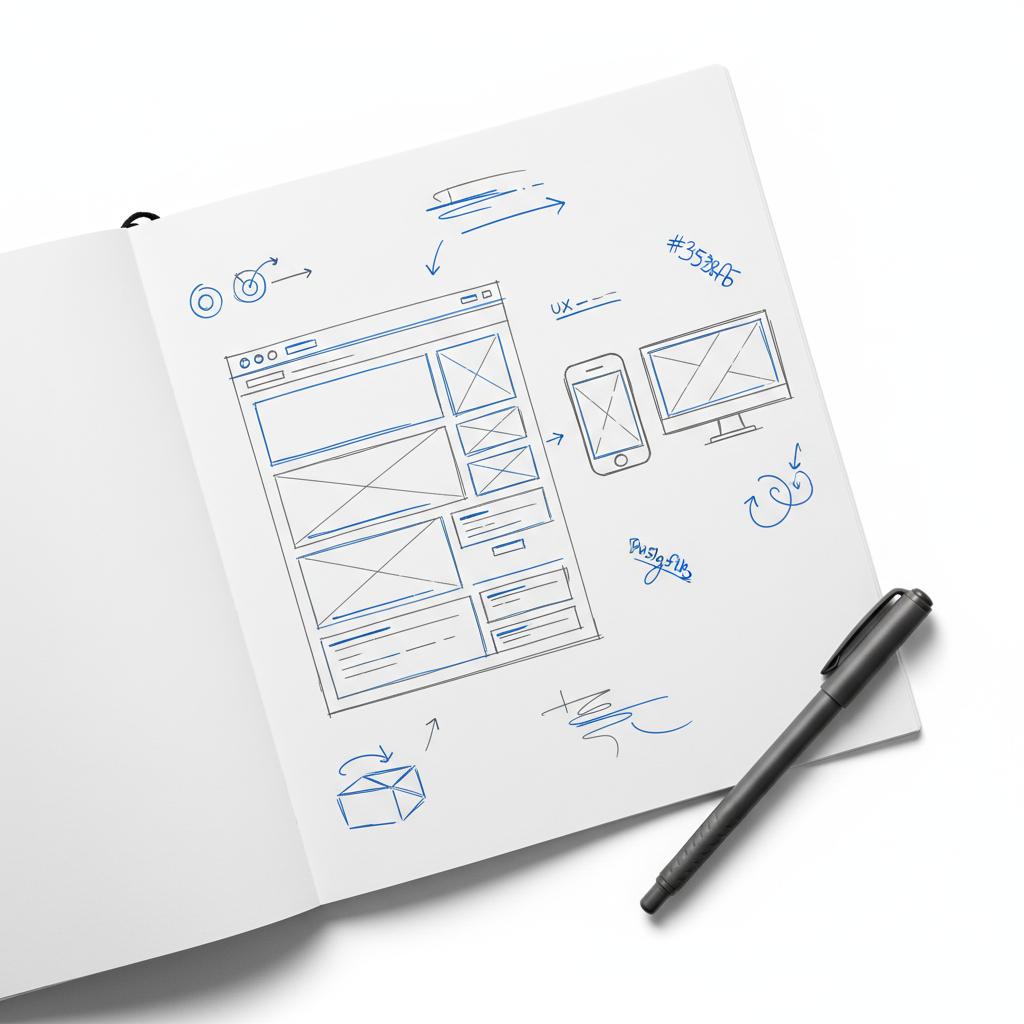
Sometimes the best use of budget is to hire an experienced small agency for guidance rather than full-service development. A short review of proposals, or a one-day strategy workshop, can save money by aligning project scope and expectations. A simple, legible logo improves recognition when you share briefs or examples.
If you’d like a practical, pressure-free review of quotes or help building a concise brief, consider talking with Agency VISIBLE for a quick consult: reach out to Agency VISIBLE for friendly, actionable guidance.
Frequently asked questions
How much should I pay someone to build my website?
That depends on goals and scope. Expect a polished small business site to cost $5,000-$25,000 in most markets, simple brochure sites for $1,000-$5,000 if you provide content, and custom platforms or marketplaces to start in the tens of thousands.
Should I pay hourly or fixed price?
For clearly defined work a fixed price is easier to budget. For open-ended or evolving projects, hourly or a retainer is reasonable. A mix – fixed for milestones and hourly for ongoing support – often works best.
Can I save money with a theme?
Yes. A high-quality theme reduces development hours while still allowing brand customisation. Remember to budget for content and testing.
Helpful negotiation scripts
Try these simple lines when you want to save money without cutting quality:
- “Can we phase this project so we launch the most important pages first?”
- “Can you itemize the design, development, and content costs so I can compare them with other proposals?”
- “I’d prefer a fixed price for launch and hourly for maintenance – can you provide both?”
Red flags to watch for
Vague proposals, no testing plan, refusal to show prior work, or unwillingness to provide account access are real warning signs. Also be wary of impossible timelines and super-low quotes that skip documentation or testing.
Measuring value, not just price
Price is a starting point; value is what drives results. Prioritize clear messaging, fast pages, mobile ease, and a simple conversion path. Spend where it improves conversion and customer trust.
When expensive is worth it
If the site is central to your revenue (e.g., a large e-commerce store or a SaaS product), higher investment in architecture, security, and performance is justified. For marketing-first needs, invest in copy, UX, and conversion-focused design rather than flashy but unfocused features.
Final checklist before signing a contract
Ensure you have: a signed contract with milestones, itemized deliverables, acceptance criteria, a testing plan, ownership of accounts and content, and a clear maintenance agreement.
Quick answers to common small-business scenarios
What if I have a tiny budget? Use a site-builder or a templated theme, provide content, and plan to phase in improvements. What if I need to scale quickly? Invest in a platform that supports integrations and automation from day one.
Parting practical tips
Ask for references, check similar projects in portfolios, and make sure you’ll have administrative access after launch. If in doubt, a short paid trial with a vendor can prove fit without a large commitment.
Resources and next steps
Gather three quotes using the same brief, compare itemized costs line-by-line, and prioritize features that directly affect customers.
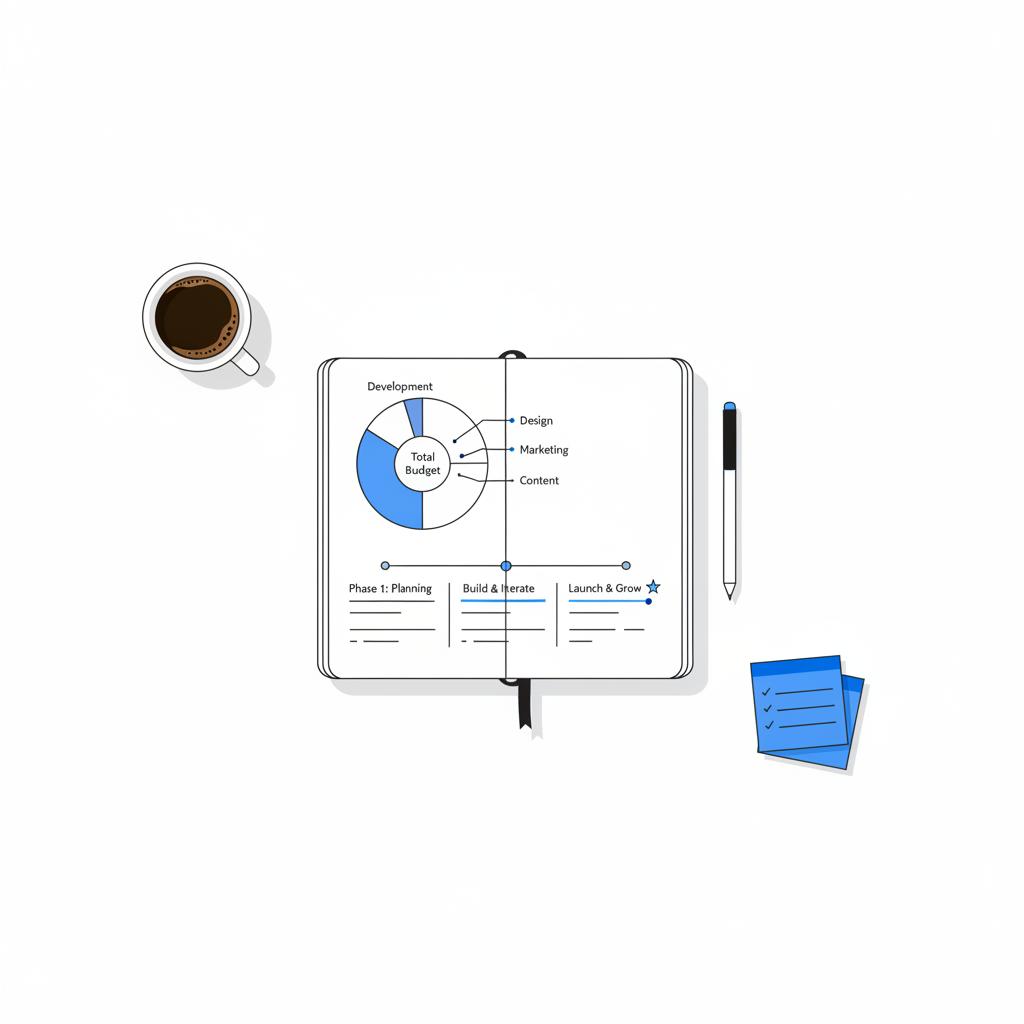
For wider context, see perspectives from industry sources like Elementor’s breakdown, Small Business Website Costs In 2025, and Forbes’ guide.
If you want an extra pair of experienced eyes on proposals, Agency VISIBLE offers brief, actionable consultations to help you decide.
Closing thought
A website is an investment in how customers see you. The right partner helps turn cost into a predictable path to more visibility and revenue. If you’re asking how much should I pay someone to build my website, use the checks and templates above to get clear, comparable quotes – and choose a partner who prioritizes results over shiny features.
Get a clear brief and honest quote review
Ready to get quotes reviewed or a brief written? Talk with a specialist who’ll treat your budget like it matters: Get expert help from Agency VISIBLE.
A polished small business website often costs between $5,000 and $25,000. Simpler brochure-style sites can be built for $1,000–$5,000 if you supply content, while complex platforms and custom e-commerce solutions often start at $20,000 and can exceed $100,000 depending on features and integrations.
Hire a freelancer for well-defined, limited-scope work or a tight budget; choose a small agency for a balance of design, development, and project management; and pick a larger firm when you need full-service strategy, brand work, or complex integrations. Consider a paid trial or short discovery to test fit before committing.
Yes. Agency VISIBLE offers brief, practical consulting to help you compare proposals and write a concise brief so vendors give realistic quotes. This kind of guidance can save money by clarifying scope and preventing costly misunderstandings.
References
- https://agencyvisible.com/contact/
- https://agencyvisible.com/projects/
- https://agencyvisible.com/design-that-converts-our-approach/
- https://elementor.com/blog/how-much-does-a-small-business-website-cost/
- https://gruffygoat.com/blog/small-business-website-cost
- https://www.forbes.com/advisor/business/software/how-much-does-a-website-cost/