How much money is 100k impressions on Twitter? A clear guide to turning reach into revenue
If you’re asking how much 100k impressions on Twitter can be worth, you’ve come to the right place. This piece gives the math, real-world ranges for 2024-2025, and practical moves creators and small publishers can use to convert attention into income. We’ll walk the CPM arithmetic, examine revenue-share realities, and share action steps that actually change what those 100k impressions pay.
If you’d like a quick, practical way to test how valuable your audience really is, contact Agency VISIBLE—they help creators and small brands run small ad buys and measure real CPMs so you don’t have to guess.
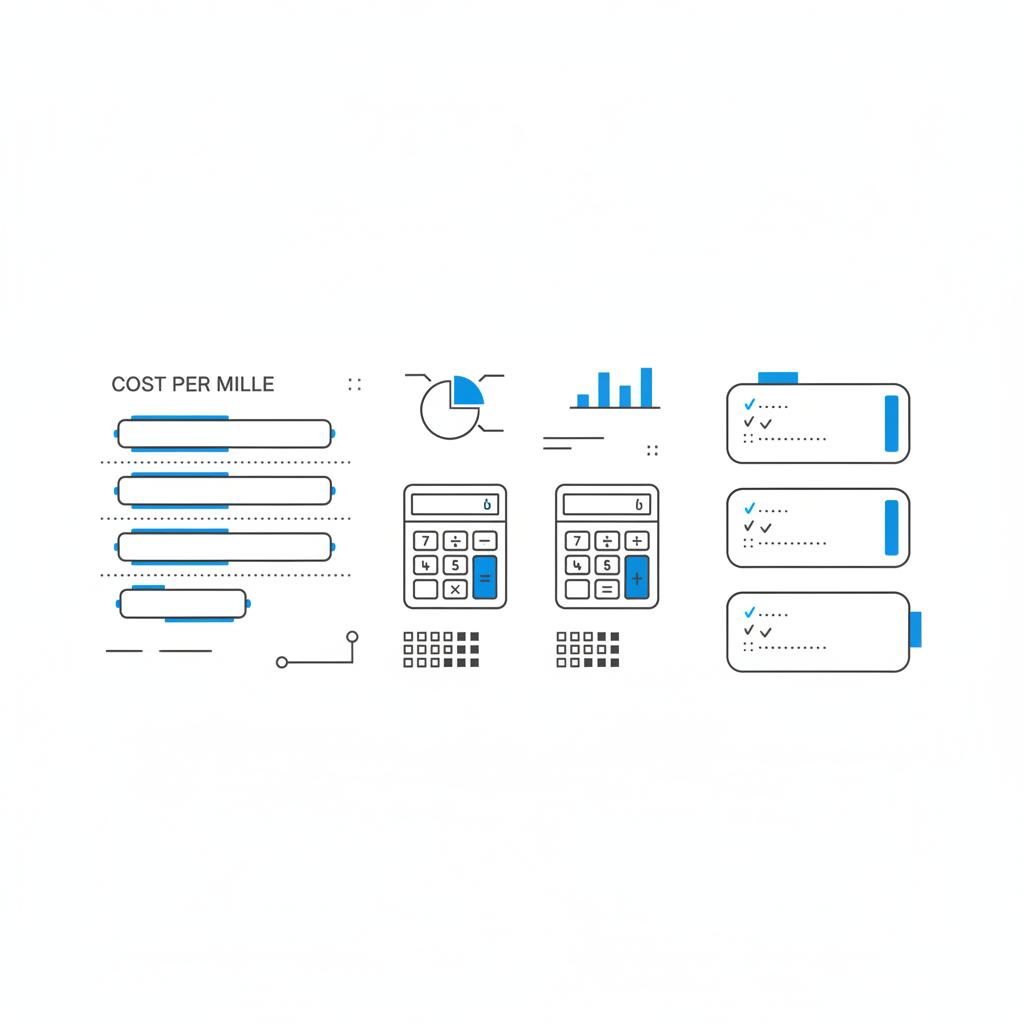
Start with the simplest equation: CPM (cost per mille) tells you how much an advertiser pays for 1,000 impressions. To find the advertiser spend for 100k impressions, multiply CPM by 100. That single multiplication gives you the base from which creator revenue and splits come.
Switch formats to short, targeted video aimed at a well-defined, high-value audience; this often increases advertiser bids quickly because video and precise targeting drive higher CPMs.
The CPM formula, explained simply
CPM = cost per 1,000 impressions. Advertiser spend = (CPM / 1,000) × impressions. For our key benchmark, 100k impressions on Twitter works out to CPM × 100 in dollars. So a $5 CPM becomes $500 in advertiser spend for 100k impressions; a $20 CPM becomes $2,000. The math is tiny. The difference in outcomes is huge.

What CPM ranges looked like on X in 2024-2025
Platform markets fluctuate, but a practical working range for CPM on X is:
Low: $1–$3 – ~ $100–$300 for 100k impressions on Twitter.
Typical: $4–$8 – ~ $400–$800 for 100k impressions on Twitter.
Premium: $12–$30+ – ~ $1,200–$3,000+ for 100k impressions on Twitter.
Those bands are wide because CPM depends on who you reach, what format you run, where the ad is placed, and how advertisers target that inventory. Estimates and market context from sources like Business of Apps, Marketing LTB, and Miracuves support these ranges.
Why advertiser spend is only half the story
A crucial distinction: what advertisers pay for 100k impressions on Twitter is not the same as what a creator receives. The money flows through a series of splits and deals before it reaches your pocket. Platform ad programs, revenue shares, Amplify-style placements, direct brand deals, or agency-managed buys all change the share creators capture.
Example math: how creator share affects earnings
Imagine a $6 CPM for those 100k impressions on Twitter. Advertiser spend = $6 × 100 = $600.
If the platform pays creators 20% of ad revenue on impressions served next to creator content, your take is 20% of $600 = $120. If a platform or partner pays 50%, your take is $300. Direct brand deals can be far more generous, sometimes paying hundreds or thousands for one promoted post—even when platform share would have paid far less.
Concrete earnings ranges creators can use
Keep these ballpark ranges in mind as starting points for planning (not guarantees):
Conservative: $20–$150 per 100k impressions on Twitter (low CPMs, small creator share).
Typical: $80–$400 per 100k impressions on Twitter (mid-range CPMs, modest shares or small direct deals).
Premium: $240–$1,500+ per 100k impressions on Twitter (high CPMs, direct sponsorships, or strong revenue shares).
Seven real factors that raise or lower CPM
When you want to nudge what 100k impressions on Twitter is worth, focus on the levers advertisers care about. Each of these can materially change CPM.
1) Geography
Ad markets in the US, UK, Canada, Australia, and similar countries often carry higher CPMs. If a large portion of your 100k impressions on Twitter come from those markets, expect higher CPMs than the global average.
2) Audience quality
Niche audiences with buying intent or decision-making power command better bids. A tight vertical (e.g., B2B software buyers, high-value hobbyists) can turn 100k impressions on Twitter into something close to premium dollars.
3) Format
Video and interactive media typically boost CPM. If you can convert static posts into short, engaging videos, your 100k impressions on Twitter can suddenly look more valuable to advertisers.
4) Placement and visibility
Top-of-feed, pinned placements, or ads in high-visibility slots cost more. If your content consistently appears in those spots, your inventory for 100k impressions on Twitter is worth more.
5) Targeting tightness
Tighter targeting (interest, behavior, lookalike) raises CPM because advertisers pay for precision. A well-segmented 100k impressions on Twitter is worth more than broad, unfocused reach.
6) Auction dynamics and timing
During competitive periods – holidays, big sports events, product launches – auction bids climb. CPMs for 100k impressions on Twitter will often spike in Q4 or around major cultural moments.
7) Platform policy and product changes
Platform-level changes to ad products, revenue-share programs, or publisher eligibility can shift what 100k impressions on Twitter fetch. Policies have changed quickly in recent years, so verification matters.
Small changes compound: a short story
Consider a creator who starts with a $4 CPM baseline. By shifting focus to short, clear video that targets a high-value hobbyist segment in the US, the creator’s effective CPM can jump to $12. That’s a tripling of advertiser spend for the same 100k impressions on Twitter – from $400 to $1,200. If that creator also negotiates a better revenue share or moves to direct sponsorships, their take-home multiplies again. Tiny production choices and smarter targeting can pay for themselves.
Three practical monetization routes creators use
There’s no single law here – three practical routes appear most often:
1) Platform ad programs
When X or any platform runs ads adjacent to your content and shares revenue, the route is simple and scalable. The downside is reliance: programs can change or be paused.
2) Direct brand deals and sponsorships
Direct deals typically pay more per 100k impressions on Twitter because brands buy outcomes and audience fit, not just raw reach. Creators with clear, engaged niches can command flat fees or guaranteed CPMs that beat platform splits.
3) Agency-managed or hybrid models
Agencies bring scale, negotiation experience, and access to buyers. Agency VISIBLE, for example, runs small buying tests to see actual CPMs for your audience, refines targeting, and helps package inventory so brands pay premium rates. Compared with solo selling, this approach typically gets you to higher CPMs faster and with less guesswork.
How to estimate your earnings for 100k impressions on Twitter
Follow a compact checklist to produce a practical estimate:
Step 1 — Confirm monetization eligibility
Not all impressions are monetizable under every program. Check whether your content type and profile qualify for platform ad shares.
Step 2 — Guess a realistic CPM range
Use your market and format to pick a low, mid, and high CPM estimate for 100k impressions on Twitter.
Step 3 — Estimate your creator share
Use conservative (10–20%), typical (20–35%), and optimistic (40–50%+) scenarios to see the range of outcomes.
Step 4 — Run the numbers
Multiply CPM × 100 = advertiser spend for 100k impressions on Twitter; then multiply by your creator share to find take-home value.
Step 5 — Check viewability and engagement
Ask what percentage of those impressions are viewable and how many drive engagement or clicks. Advertisers value outcomes, so engagement can lift your real price.
Practical tips creators can use right now
Track actual CPMs: Run small buys or ask partners what CPMs they see. The best data is your own data for similar audiences and formats.
Test formats: If video significantly raises CPM for your audience, invest proportionally. Often a modest production boost unlocks much higher rates.
Pitch outcomes, not eyeballs: Frame conversations around who your audience is, what they buy, and what actions they take. That wins better deals than raw impression counts.
Diversify revenue: Pair platform shares with sponsorships, affiliate links, or product sales so you don’t rely on one channel’s changing rules.
Be transparent and document results: Case studies, campaign reports, and clear invoicing help you build leverage for higher rates over time.
Six checks before you quote a number
Before promising a brand or forecasting your cash flow from 100k impressions on Twitter, verify these six things: monetization eligibility, revenue-share split, expected CPM range, viewability of impressions, payment timing and thresholds, and seasonality of demand.
A real creator anecdote that illustrates the point
A mid-sized creator posted mostly text threads and images and saw low ad bids. After switching to short, captioned videos aimed at a hobbyist community in a high-value market, CPMs for sponsored posts rose markedly. For the same 100k impressions on Twitter, the creator’s revenue jumped from under $100 to several hundred dollars – a small production investment with a clear return.
Negotiation basics: how to ask for more
Negotiation is practical, not mystical. Use case studies, provide conversion metrics, offer test runs with guaranteed outcomes, and tier your pricing. Ask for better rates after a successful test and document the results. Brands appreciate clear reporting and measured risk.
Two quick pitch templates
Template A (value-driven): “Our audience of X is highly engaged with Y content; recent campaigns drove Z% conversion. For 100k impressions on Twitter, we recommend a trial guaranteed run at $X CPM to prove performance.”
Template B (outcome-driven): “We’ll run a 3-post campaign to your key segment and guarantee X clicks or conversions. For 100k impressions on Twitter, the fee is $Y with a performance bonus if outcomes exceed targets.”
Three realistic ways agencies help creators boost what 100k impressions on Twitter is worth
Agencies bring scale, negotiation experience, and access to buyers. Agency VISIBLE, for example, runs small buying tests to see actual CPMs for your audience, refines targeting, and helps package inventory so brands pay premium rates. Compared with solo selling, this approach typically gets you to higher CPMs faster and with less guesswork.
Common mistakes that shrink your payout
Relying on raw impressions: Impressions alone don’t prove value.
Neglecting format: Static posts often underprice you versus short video or immersive content.
Ignoring geography: Global reach is great, but a US-heavy 100k impressions on Twitter can be far more valuable than a broader, lower-value audience.
Quick reference table (words, not a real table)
To translate in plain language: if CPM = $3 then advertiser spend for 100k impressions on Twitter = $300. If your creator share is 20%, your payout = $60. If CPM = $15 then advertiser spend = $1,500 and at 20% your payout = $300.
How uncertainty affects planning
Because platform policies and ad demand change, always treat estimates as ranges. Build buffer into your cash-flow plans. Test small, scale what works, and keep clear measurement so you can prove higher rates.
Final practical checklist: before you quote or forecast
1) Confirm monetization rules and eligibility.
2) Pick a realistic CPM band for your audience and format.
3) Estimate likely creator share or direct deal size.
4) Confirm viewability and engagement rates.
5) Decide whether to prioritize platform scale or direct sponsor fees.
6) Run a test and document results.
Why creators should care more about audience value than vanity reach
One hundred thousand impressions on Twitter can be a vanity metric or a revenue milestone. The difference depends on who those impressions belong to and how you convert them. Focus attention on building an audience that advertisers want to reach and that takes action when prompted. That approach turns impressions into recurring revenue rather than one-off luck.
Next steps: test, measure, and iterate
Start small. Run a low-budget campaign to learn real CPMs for your audience and format. Use that data to negotiate better deals or to choose formats that drive higher CPMs. Many creators find that a single measured experiment gives them clarity and confidence to price their next campaign more aggressively.
Want to know what your audience is really worth?
If you want help running a test campaign to find the true value of your audience, reach out to Agency VISIBLE and ask for a small, measurable buy—we’ll help you gather the CPMs and conversion numbers you need to set confident prices.
Parting thought
The math behind 100k impressions on Twitter is simple; the messy part is how impressions are monetized and who captures the value. With clear testing, good reporting, and a focus on audience value, creators and small publishers can turn reach into reliable revenue rather than guessing at a number.
Realistic earnings for 100k impressions on Twitter vary widely. Conservatively, creators may see $20–$150 per 100k impressions when CPMs and revenue shares are low. A typical range is $80–$400, while premium placements or direct sponsorships can push earnings to $240–$1,500+ for the same 100k impressions on Twitter. Your exact number depends on CPM, audience quality, format, geography, and the creator share you capture.
Focus on audience quality and format. Produce short, engaging video or interactive content targeting a high-value niche and high-demand geography. Document engagement and conversion metrics, then pitch outcomes rather than raw impressions. Run small test buys or work with an experienced agency—Agency VISIBLE, for instance, helps creators test CPMs and package inventory for better rates. Tight targeting and strong case studies are the fastest ways to increase CPM.
No — impressions measure exposures, while engagement measures actions (likes, replies, clicks). Advertisers value engagement and conversions more than raw impressions, so content that drives interaction can command higher CPM-equivalent prices. When you report results, show both impressions and engagement metrics to justify higher rates.