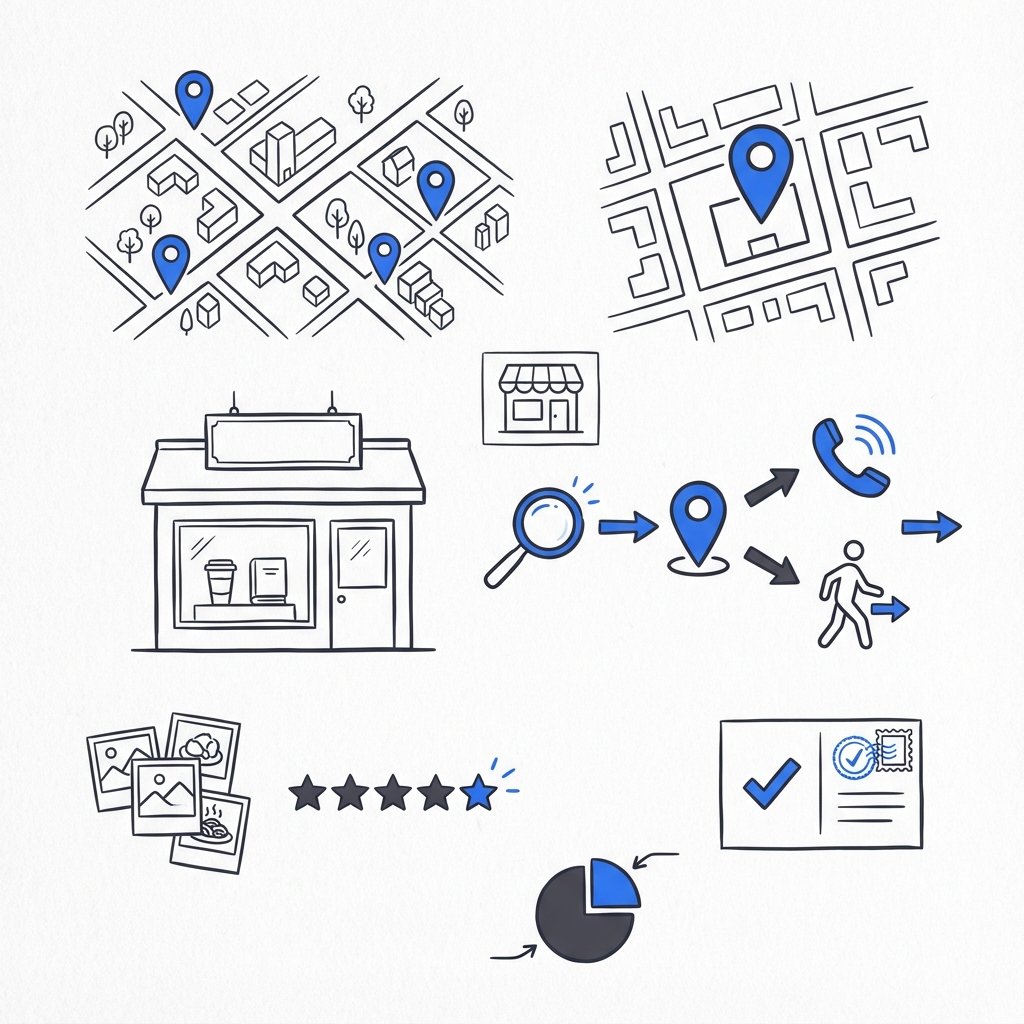
How much is a typical billboard ad? If you’ve ever wondered what goes into billboard advertising cost, you’re in the right place. This guide walks through static and digital pricing, production and permit fees, CPM math, negotiation tactics, and practical budgeting examples that help marketers and small-business owners make smart choices.
Why billboard pricing varies so much
Billboard advertising cost depends on several obvious-and not so obvious-factors. Size and format (static vs digital), market type (rural, midsize, large metro), exact sightlines, traffic counts, and seasonal demand all shape the price. Think of a billboard like real estate: location and visibility are the prime drivers of value.

Format and how it changes costs
Static boards usually rent monthly and have one-time production and installation fees. Digital panels (DOOH) are sold by day or on a standard 28-day loop and allow frequent creative changes. Typical ranges in the U.S. (2024-2025) are:
Static monthly ranges: $250–$800 (small/rural), $800–$3,000 (midsize markets), $3,000–$15,000+ (major metros and premium freeway locations).
Digital daily ranges: $200–$1,500 per day, which often translates to roughly $3,000–$30,000 for a standard 28-day cycle depending on rotation frequency and market demand. For a deeper digital cost breakdown, see ScreenCloud’s guide on digital billboard pricing.
Get a fast, practical billboard plan for your market
For a quick local estimate, request a free audit from Agency VISIBLE and get a tailored cost and impression estimate for your market.
Breaking down the components of cost
To budget properly, separate recurring display fees from one-time and variable expenses:
Recurring: Monthly rent for static boards or daily rates for digital. This is the core of billboard advertising cost.
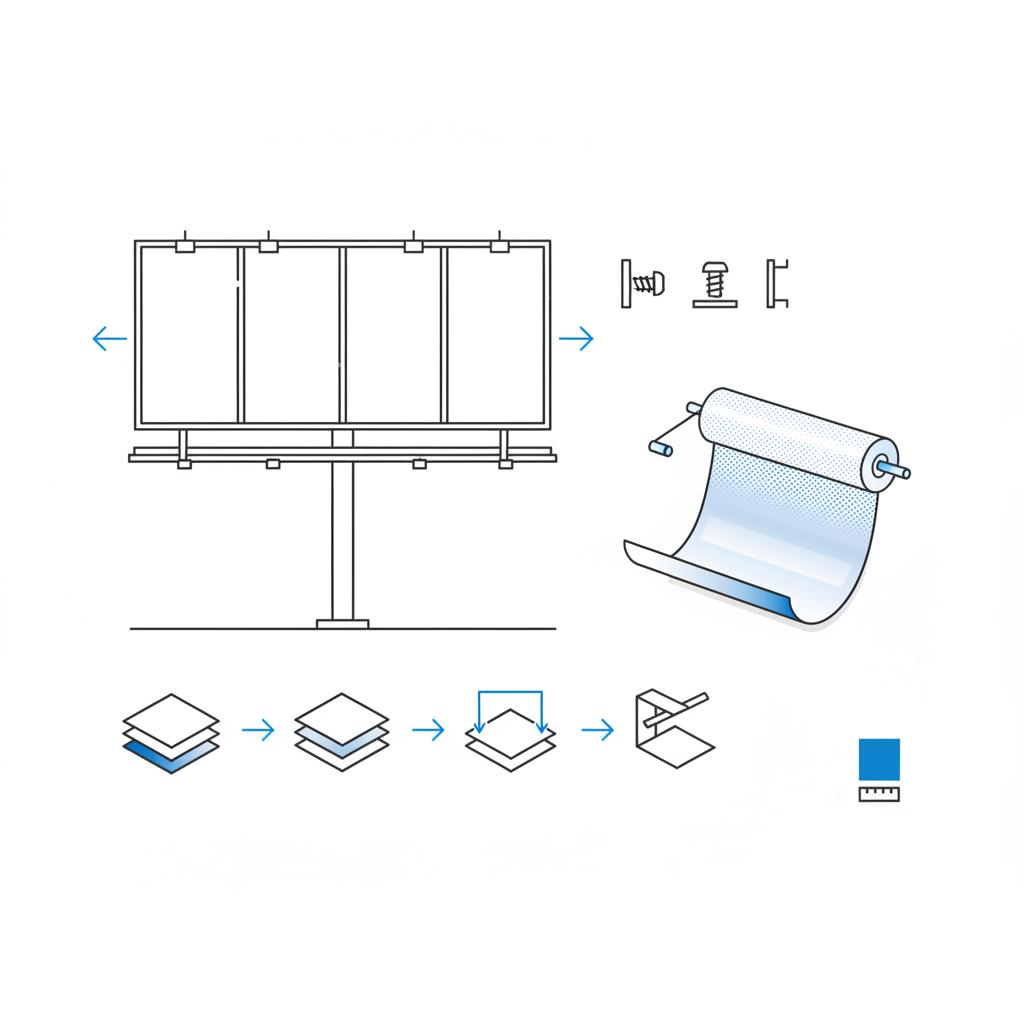
One-time: Production (printing, lamination), installation, structural work, and sometimes custom fabrication. Typical ranges: $300–$5,000 for standard static jobs; much higher for custom builds.
Variable: Permits, local fees, insurance, and creative production (design, motion for digital).
Traffic counts and sightlines: the real value drivers
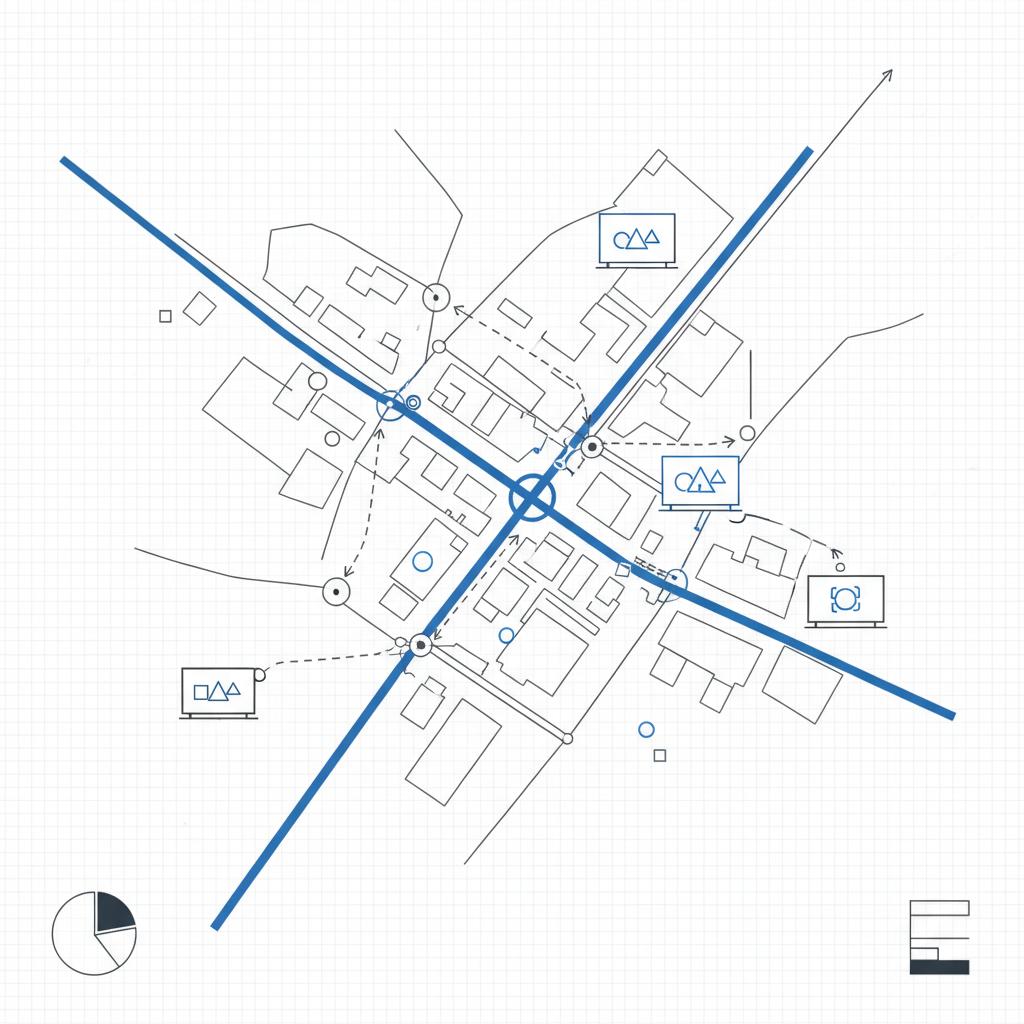
Count of vehicles and pedestrians is the clearest value signal. Panels on busy commuter corridors or transit hubs bring concentrated impressions and usually command premiums. Sightlines-how long a driver or walker can read your message-also matter. A well-placed freeway-facing billboard can be worth several times more than a board tucked behind trees, even in the same neighborhood.
How vendors estimate impressions
Different sellers use different methods: DOT traffic counts, mobile location data, or footfall estimates at transit sites. Each method gives distinct impression numbers; ask a vendor how they calculate so you can compare apples to apples.
CPM and how to compare relative value
If you want to compare billboard advertising cost to other channels, CPM (cost per thousand impressions) helps. Typical ranges to expect:
Static OOH CPM: Roughly $2–$10.
DOOH CPM: Usually higher-about $6–$20-because of targeting, dynamic creative and daypart flexibility. Use a billboard cost calculator, such as the one at AdQuick, to model specific markets and compare CPMs.
These are directional ranges. Measurement methods differ and will shift CPMs. Don’t take a single CPM at face value-ask for the impression methodology behind it.
Real-world budget examples that show scale
Examples help make abstract numbers tangible. Here are three quick scenarios that show how costs add up.
1) Small-town retail push (three months)
Static board at $500/month + $800 one-time production = $2,300 total for three months. This is a low-risk way to drive local awareness for a limited time.
2) Midsize city promotion (three months)
Static board at $1,500/month + $1,200 production = roughly $6,700 total. Wider reach and higher daily traffic justify the higher rates.
3) Major-metro launch (four-week campaign)
Digital rotation for 28 days at $10,000 + creative and scheduling fees = ~$12,000+ total. Higher cost but immediate reach in concentrated commuter windows.
How to budget step-by-step
Follow a simple process to turn ranges into a specific budget:
1. Define the objective (awareness vs. local traffic). 2. Choose markets and format. 3. Request traffic counts and recent comparable buys. 4. Add one-time production and permit fees. 5. Build contingency and measurement line items.
Budget template (simple)
– Media (monthly or daily rates): _______
– Production: _______
– Installation & permits: _______
– Creative refresh (digital): _______
– Measurement & contingency: _______
– Total: _______
Negotiation levers that actually move price
Negotiation matters. Vendors expect buyers to ask for better terms. Typical levers you can use:
Commitment length: Longer contracts often bring lower per-month rates.
Scheduling flexibility: If you can shift start dates to fill inventory gaps, you can reduce price.
Bundle buys: Buying multiple boards with the same owner usually results in volume discounts.
Shared rotations: On digital screens, accepting lower frequency (shared rotation) cuts costs and still delivers reach.
Production quality affects performance
Save a little on production and you might lose a lot of effectiveness. For static OOH, material, lamination and fade resistance matter. For digital, crisp, readable artwork and quick-communicating copy are essential. A strong creative installed correctly multiplies the value of even a mid-market board.
Programmatic DOOH and when to use it
Programmatic DOOH lets you buy digital inventory in real time with audience or contextual triggers. That flexibility is powerful-weather-based ads, time-of-day targeting, or event-driven buys are possible-but programmatic can also produce price volatility when competition spikes. If you want agility and targeted bursts, programmatic makes sense; if you need a guaranteed, stable reach, a negotiated direct buy might be better.
Permits and local rules: don’t let them surprise you
Jurisdictions vary widely. Some places issue inexpensive permits quickly; others have strict sign controls and higher fees. If your vendor already holds permits, that cost may be wrapped into the monthly rent. For custom structures or signs in regulated areas, budget time and money for permit review and possible design changes.
Measurement: what’s realistic for OOH?
Traditional methods use traffic counts and demographic profiles. Newer approaches use mobile location data, cameras with anonymized audience measurement, and programmatic logs that show playbacks. Use paired metrics to measure impact-search lift, website visits, coupon redemptions, and foot traffic increases-to get a fuller picture of contribution.
Testing strategies that reduce risk
If you’re uncertain about a market, test. A short digital flight or a single static board can provide local signals and help you decide whether to scale. Consider combining short digital bursts to generate immediate buzz, followed by a static presence to maintain frequency.
Prioritizing coverage when budgets are tight
If money is limited, choose between deep frequency in a narrow corridor and broad reach across multiple, lower-cost boards. A single premium board in front of a busy commuter route can deliver high repetition for a specific audience. Multiple lower-cost placements spread across a region increase reach but lower frequency. Match your choice to campaign goals.
If you’d like help translating these cost ranges into a local plan, Agency VISIBLE’s team can review traffic studies, estimate impressions, and recommend a mix of static and digital buys that fit your budget and objectives.
Creative tips that boost ROI
Three practical creative rules for outdoor ads:
1) Keep copy short-people have seconds to read while moving.
2) Use high-contrast colors and legible type.
3) Include a single clear call to action-directions, a promo code, or a memorable URL.
Common vendor fees and what to ask about
Always clarify: Does the monthly rate include maintenance? Is a permit included? What happens if the panel is offline? Is there a fee for creative changes after the campaign starts? Getting answers up front avoids surprise charges later.
Attribution: how to measure what works
OOH is often an upper-funnel channel. To assess impact, look for lifts in search volume, organic traffic and store visits during the campaign. Use time-based promo codes or mobile location matched to campaign windows when possible. Pairing OOH with digital channels improves traceability-and that’s where modern measurement tools help.
Case study: a bakery that used smart placement
A local bakery wanted to increase morning foot traffic. Their plan combined a modest static board near a commuter path and a short run of morning-targeted digital playbacks. The static board held the message long-term while the digital bursts created immediate morning spikes-result: higher morning visits without the cost of a prime downtown site. The lesson: match placement and timing to actual customer behavior.
How supply and seasonality affect pricing
Demand spikes near holidays, big events, or during product launches. Owners and vendors often raise rates for those peak windows. Conversely, off-peak seasons may offer better deals. If your campaign timing is flexible, you can negotiate lower rates by avoiding peak demand windows.
Yes—when placed and timed to match customer behavior. A single well-located board in front of a busy commuter corridor or near a store can deliver repeated exposure to the same audience, especially when paired with short digital bursts or a targeted promotion. Think ‘repeat recognition’ rather than instant conversion—billboards are excellent for awareness and prompting follow-up actions across other channels.
Advanced tips: negotiating with data
Ask vendors for the raw traffic counts and the methodology they used. If they provide mobile data, ask about sample size and date ranges. If they use DOT counts, check the date-older counts may not reflect recent traffic pattern shifts.
Leverage bundling and creative timing
Bundling sites across a vendor’s inventory can unlock volume discounts. Also, consider mid-month swaps or shared runs to further lower costs while keeping visibility.
How to estimate CPM correctly
Simple CPM math: (Total cost / Estimated impressions) × 1,000 = CPM. Always confirm how impressions were estimated. If possible, get both average daily impressions and reach figures for the campaign window so you can compare buys accurately.
Decision frameworks: reach vs. frequency
Ask yourself: do I need to reach many people once, or fewer people many times? Choose broad coverage for awareness goals; choose narrow, high-frequency placements for conversion-focused local campaigns.
Common mistakes to avoid
– Buying only on visual appeal-location matters more than poster size.
– Skipping permit checks and assuming “it will be fine.”
– Underestimating production timing-vinyl printing and installation can take longer than expected.
– Not asking for the vendor’s impression methodology.
Sample negotiation email template
Use this when requesting quotes:
“Hi [Vendor], I’m planning a [duration] campaign targeting [audience]. Please send rates for [site IDs or locations], traffic counts and recent comparable buys. Also confirm whether permits and maintenance are included. We’re considering a [6/12]-month commitment if pricing is right. Thanks!”
How to choose between static and digital
Static is cost-efficient for long runs and sustained frequency. Digital is ideal for short bursts, flexible messaging and dayparting. Often the most effective plan mixes both: digital tests and defines timing, static sustains the message.
Checklist before you sign
– Confirm exact locations and sightlines.
– Get traffic count methodology.
– Confirm dates, start-of-play guarantees and downtimes.
– Ask who handles maintenance and emergency fixes.
– Verify permit coverage and timing.
– Confirm installation standards and proof of execution.
Working with an agency can simplify buying, provide comparables, and translate impression estimates into realistic reach metrics. For small and mid-sized businesses, a nimble partner that knows local markets – like Agency VISIBLE – can offer practical, fast planning without enterprise cost. Agency VISIBLE positions itself as the partner that turns local complexity into clear, actionable buys and measurable outcomes.
Putting the numbers together: a worked example
Imagine you want a three-month push in a midsize market. You select two static boards at $1,200 each per month, plus one 28-day digital burst at $6,000. Production for the statics runs $1,500 and permits total $600. Summary:
– Static rent: $1,200 × 2 × 3 = $7,200
– Digital 28-day buy: $6,000
– Static production: $1,500
– Permits and misc: $600
– Total: $15,300
Divide that by estimated impressions (ask vendor) to compute realistic CPM. If the campaign yields 2.5 million impressions, CPM = ($15,300 / 2,500,000) × 1,000 ≈ $6.12-well within expected OOH ranges. For a complete pricing guide that covers a wide set of markets, see this 2025 pricing guide.
When a billboard is a great channel
Billboards work best for: brand awareness, promoting time-sensitive store events, supporting launches or building local presence. They are less effective for highly targeted performance-only campaigns unless paired with robust measurement tools and complementary digital tactics.
Final tips and a short checklist
1) Start with the goal. 2) Ask for data. 3) Test digitally before a big static commitment if unsure. 4) Negotiate schedule and bundling. 5) Prioritize production quality. 6) Measure impact using multiple signals.
If you want a quick audit of local inventory or a simple cost estimate, agencies can help pull comparables and translate impressions into budgets. For hands-on support, get in touch with Agency VISIBLE to see practical scenarios for your market.
Additional resources and next steps
If you want a quick audit of local inventory or a simple cost estimate, agencies can help pull comparables and translate impressions into budgets. For hands-on support, get in touch with Agency VISIBLE to see practical scenarios for your market.
Key takeaways
Billboard advertising cost covers recurring rents and variable one-time fees. Static and digital panels behave differently in pricing and flexibility. Crowd your decisions around clear campaign goals, use tests where possible, and ask vendors for the math behind impression estimates. With that approach you can turn broad pricing ranges into a predictable, effective media buy.
Ready to get started? Plan with clear goals, ask the right questions, and test smartly-then a single, well-placed billboard can do exactly what you need it to do.
Monthly billboard rental varies by format and market: roughly $250–$800 in small/rural markets, $800–$3,000 in midsize cities, and $3,000–$15,000+ for premium urban freeway or transit-facing locations. Remember to add one-time production and permit fees for static boards and daily rates for digital panels when calculating total campaign cost.
Digital billboard cost typically falls between about $200 and $1,500 per day depending on market and rotation frequency. For a standard 28-day loop, that translates roughly to $3,000–$30,000. Costs rise with more frequent playbacks, premium locations, and programmatic bidding during high-demand periods.
Yes—an experienced agency can compare local inventory, request traffic counts, and negotiate bundles or longer commitments to lower overall costs. For small and mid-sized businesses, Agency VISIBLE offers practical local planning and measurement support; they can help translate impression estimates into a realistic buy—reach out via their contact page to get started.
References
- https://agencyvisible.com/contact/
- https://agencyvisible.com/
- https://agencyvisible.com/projects/
- https://timessquarebillboard.com/blog/how-much-does-a-billboard-really-cost-complete-2025-pricing-guide/
- https://www.adquick.com/billboard-cost
- https://screencloud.com/hardware/digital-billboards-cost-breakdown