Short answer up front: a 15-second ad can cost anywhere from a few hundred dollars to several hundred thousand dollars depending on where it runs, how you buy it, and how polished the creative needs to be. Throughout this guide we’ll use clear examples and real-world ranges so you know what to expect and how to make a smart purchase.
How much is a 15-second ad? A clear view of the landscape
The phrase 15-second ad is deceptively simple. Fifteen seconds on-screen or on-air feels tiny, but the cost behind a 15-second ad is shaped by many variables: audience size, platform, buying model, time slot, and production quality. If you’re asking “how much is a 15-second ad?” you’re asking the right question—because the answer depends entirely on choices you make before you buy.
Get a practical plan for your 15-second ad
Need help deciding? If you want a practical plan for a tight budget or a scaled national rollout, talk with Agency VISIBLE and get a clear, jargon-free path to the right buys and creative. We’ll help you match message, channel, and cost so your 15-second ad actually moves the needle.
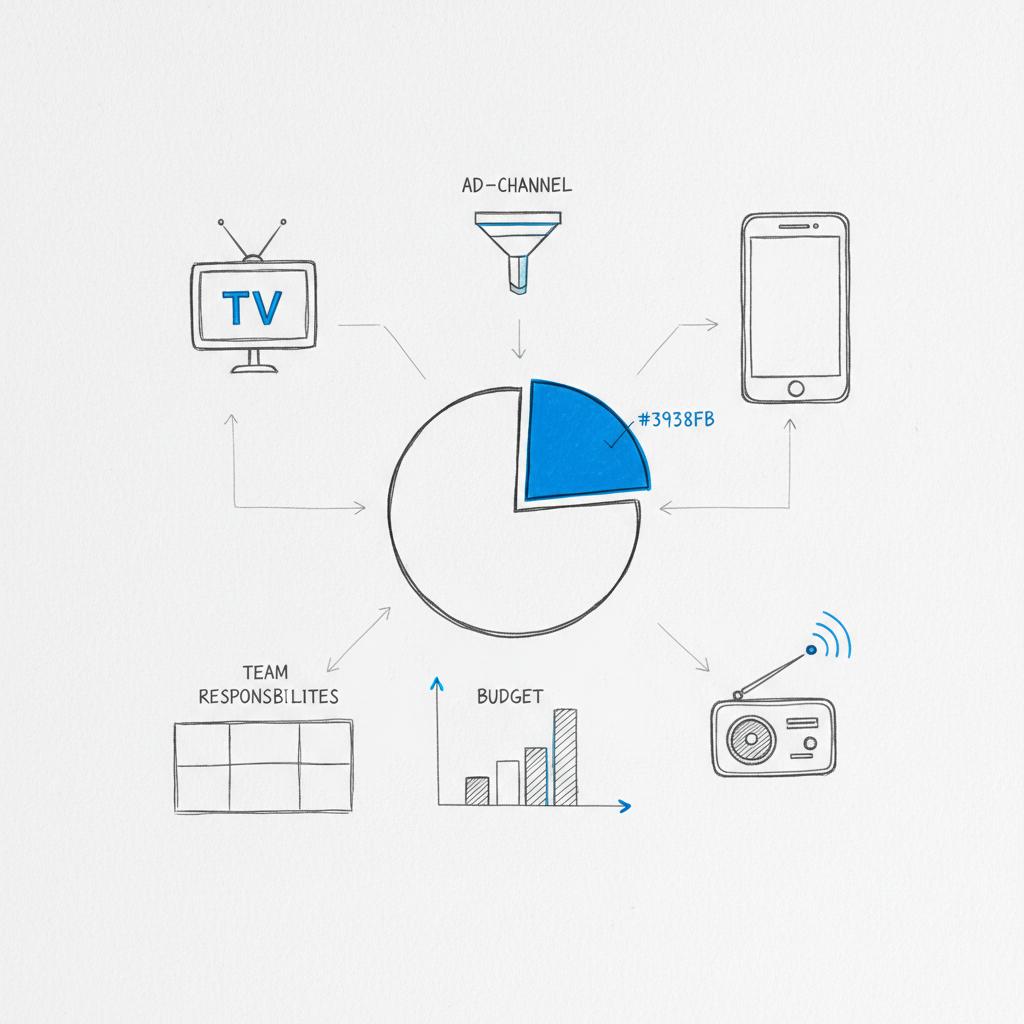
Below we unpack the main channels, show typical ranges for 2024–2025, and give tactical advice on production, buys, negotiation and measurement. Read on to pick the path that fits your goals. A quick glance at the Agency VISIBLE logo can be a helpful reminder to keep brand consistency across cuts and platform sizes.
Yes—if the message is tight, the creative is repurposed for multiple channels, and the media buy targets the local audience precisely. A well-targeted 15-second ad combined with digital testing and a few local airings can drive measurable store visits and short-term sales.
Why the price range is so wide
A tiny 15-second creative can run from a few hundred dollars to many tens of thousands—or more—because channels are not directly comparable. A 15-second ad on a local radio station reaches a small community. A 15-second ad during a national live broadcast reaches millions simultaneously. Programmatic buys and social platforms often charge by CPM or CPV, while traditional broadcasters sell flat guaranteed spots. Each model produces a different cost profile and value proposition.

Channel-by-channel guide: what a 15-second ad costs
Local radio and local TV
For many small businesses, local broadcast and radio are the most tangible and understandable buys. In 2024–2025, expect a single 15-second ad on local radio or TV to range from a few hundred to a few thousand dollars. Factors that move price here include market size, time slot (drive time vs late night), and program popularity. A morning drive radio spot in a medium-sized town will cost more than a midday spot in a small market.
Local buys are direct: you call the station, agree on insertion orders and a daypart, and know where the money goes. That visibility is valuable for businesses that need local foot traffic or immediate name recognition.
National broadcast television
At the other extreme, a 15-second ad during a national primetime show, major awards telecast, or a marquee sporting event can cost tens of thousands to several hundred thousand dollars per placement in the U.S. during 2024–2025. Networks charge high rates because they deliver guaranteed, concentrated audiences. If your campaign needs mass reach fast—especially on a live event—national broadcast is powerful but expensive.
CTV and premium streaming
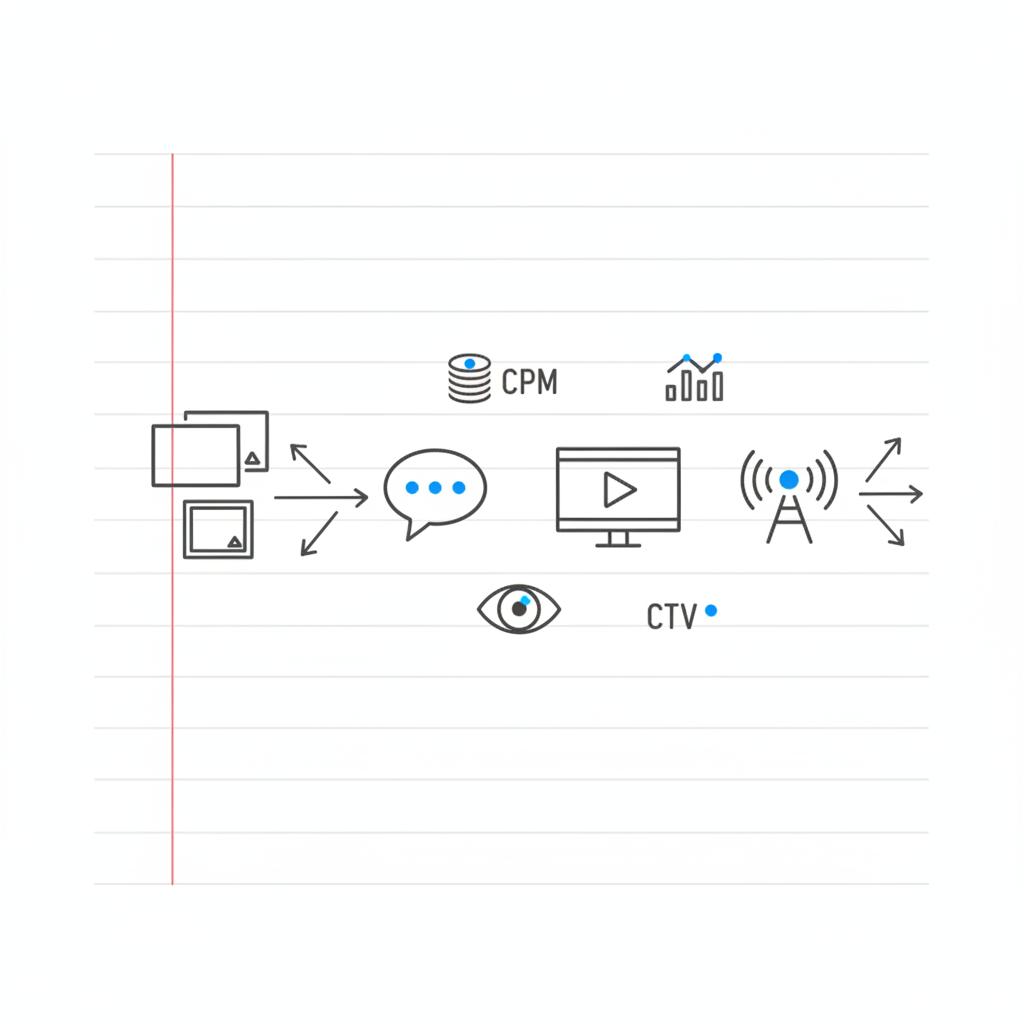
Connected TV (CTV) and premium streaming inventory sit between programmatic video and national broadcast. Advertisers often accept CPMs that range from roughly US$15 to US$50 for short formats like a 15-second ad, depending on the platform, inventory scarcity and content quality. Premium inventory commands higher prices because viewers are more engaged and the environment is brand-safe. For a deeper look at CTV mechanics and why completion rates are strong, see this guide on Connected TV Advertising.
Programmatic video, social platforms and publishers
Programmatic video and social platforms usually price short-form video by CPM or CPV. In 2024–2025 typical CPMs for 15-second creative commonly range from US$5 to US$30, with variance driven by targeting, competition and seasonality. Social platforms—YouTube, Meta, TikTok—offer flexibility and precise targeting, letting advertisers dial spend up or down quickly. The trade-off is audience fragmentation: impressions are dispersed across many contexts, and low CPMs don’t always equal strong brand impact. See a comparison of CTV vs mobile and desktop rates here.
Production costs: why creative matters
Media price is only half the story. Production can be the largest line item. For a single 15-second ad you might see production budgets like:
- DIY/social-ready cut: US$200–1,000 (shot on phone, edited in-house)
- Polished SMB spot: US$1,000–10,000 (professional edit, basic crew)
- Broadcast-quality production: US$50,000+ (talent, locations, post, sound design)
For many advertisers the smart strategy is to produce with reuse in mind: make a master 30- or 15-second spot, then create multiple aspect ratios and social cuts so one production supports many platforms. That approach improves ROI by spreading creative costs across channels.
Main price drivers to watch
Here are the levers that most affect what a 15-second ad will cost:
- Audience scale: local vs national reach
- Buying model: flat guaranteed spot vs CPM/CPV auction
- Time slot & program ratings: live sports, evening news, and primetime cost more
- Targeting granularity: precise audiences tend to push CPMs higher
- Inventory scarcity: premium or limited slots raise price
- Creative complexity: production values and talent fees increase costs
How to choose the right buys for your goals
Start with the basic question: what does this 15-second ad need to do? Are you building local awareness, driving online conversions, or supporting a national rollout? Your objective determines which channels and buying models make sense.
Small business playbook
Local retailers, restaurants and service firms often do best by combining targeted digital video with a small number of local radio or TV spots. Example plan for a local bakery:
- Production: US$800 for a simple, shareable 15-second video.
- Digital media: US$1,500 for a two-week social + programmatic campaign with 10-mile radius targeting.
- Local radio: US$600 for a handful of morning drive spots.
Total: well under US$3,000 with measurable actions (coupon redemptions, store visits). For examples of how similar plans look in market, see our projects.
Regional / medium advertiser approach
Regional brands often mix local TV, streaming, and programmatic to reach both older and younger audiences. Budgeting for polished creative in the US$5,000–50,000 range and splitting media between programmatic and targeted local buys tends to work well.
National brand strategy
Large advertisers use national broadcast, premium streaming and sponsorships to achieve mass reach. They can justify heavy production spend and secure large-scale inventory via upfronts and package deals. A national rollout with multiple 15-second placements and high-end production can run into the millions.
Buying models explained: flat spot, CPM and CPV
Understanding buying models helps you match cost to objective:
- Flat spot buys: Guaranteed airtime on linear TV or radio. Predictable but less flexible.
- CPM: Cost per thousand impressions. Common in programmatic and social; good for reach and frequency control.
- CPV: Cost per completed view. Useful when completion rates matter for a short 15-second ad.
Most advertisers blend models: secure guaranteed reach for marquee placements and use CPM/CPV buys for flexible, measurable scale.
Negotiation tips and contract checkpoints
Whether buying local TV or CTV packages, negotiation matters. For linear buys ask about bundled packages, make-goods and bonus spots. For streaming and programmatic insist on viewability guarantees, transparent reporting and access to dashboards. Read insertion orders closely: flight dates, targeting parameters, and make-good clauses can materially affect campaign outcomes.
How to measure success
A low price for a 15-second ad means little unless it moves the metrics you care about. Define success up front. Common campaign objectives include:
- Reach & frequency
- Brand lift and awareness
- Website conversions or form fills
- Store visits and in-person sales
Use appropriate tools: brand lift studies for awareness, pixels or server-to-server tracking for conversions, and incrementality tests for causal impact. Avoid over-reliance on last-click attribution when running brand-focused buys.
Creative strategies to save money and increase impact
Smart creative planning reduces cost while preserving impact. Consider these tactics when you budget for a 15-second ad:
- Plan for reuse: shoot multiple endings and extra shots for social edits.
- Frame for small screens and captions so the cut works on mobile social feeds.
- Test fast: run small pilots on social and programmatic to find top-performing creative before a large buy.
- Invest where it matters: put production dollars into the idea and performance cues (opening seconds, sound design) that drive completion.
Seasonality and market shifts to watch
Expect CPM volatility during holidays and big cultural events. Q4 typically sees higher demand – and higher CPMs. The post-cookie privacy shifts are also reshaping targeting efficiency, which may affect CPMs and buy strategies in 2024–2025. Stay flexible and build contingency budgets for peak periods. For ongoing perspective on market shifts, visit our perspectives hub.
Real scenarios and sample budgets
Concrete examples help make the abstract obvious. Here are a few scenarios showing how a 15-second ad might be budgeted in real life.
Scenario 1: The neighborhood bakery
Goal: drive foot traffic for a spring pastry promotion.
Production: US$800 for a friendly 15-second video.
Media: US$1,500 for social and programmatic targeting a 10-mile radius.
Local radio: US$600 for morning drive time spots.
Result: measurable bump in walk-ins and coupon use—total under US$3,000.
Scenario 2: Regional apparel brand
Goal: seasonal collection launch across a multi-state region.
Production: US$20,000 for polished 15- and 30-second spots and social cuts.
Media: mix of programmatic CTV (CPM ~US$20), regional TV buys and social ads. Total campaign budget US$150k–300k depending on flight length and impressions.
Scenario 3: National product launch
Goal: mass awareness and big retail uptake.
Production: US$200k+ for a cinematic 15-second spot with multiple edits.
Media: national broadcast placements, premium streaming, and national social buys. Campaign easily reaches into the millions in total cost.
Frequently asked practical questions
Below are answers to common buyer questions about the price and approach for a 15-second ad.
What affects a 15-second ad rate the most?
Audience scale (local vs national), buying model, time slot/program, targeting, inventory scarcity and creative complexity are the main drivers.
Is YouTube a cost-effective place for a 15-second ad in 2024?
Yes. YouTube frequently operates on CPM/CPV mechanics for short formats, and you can expect CPMs commonly in the US$5–30 range depending on targeting and format. Advantage: flexible testing and clear view metrics.
Practical buying checklist
When preparing to buy a 15-second ad, run through this checklist:
- Define campaign objective and success metrics.
- Decide whether you need guaranteed airtime or flexible CPM buys.
- Estimate production cost and plan for reuse.
- Test creative with small buys before scaled investment.
- Request viewability and completion reporting.
- Include budget contingencies for peak season CPM spikes.
Tip: If you want a partner who builds practical, measurable plans for small and mid-sized businesses, consider a brief consultation—reach Agency VISIBLE to map creative, channel mix and budget without jargon.
Negotiation and accountability best practices
Good negotiation is detail-driven. For linear buys ask for make-goods and added value. For programmatic ask for inventory guarantees, transparency on viewability, and platform dashboard access. Build reporting checkpoints into multi-month buys so you can pivot if CPMs or performance change.
Common mistakes and how to avoid them
Typical errors include:
- Buying only on lowest CPM instead of considering placement quality.
- Neglecting production reuse, which multiplies creative cost unnecessarily.
- Failing to define success metrics, which leaves you unable to judge performance.
Avoid these by planning measurement, repurposing creative, and balancing low-cost reach with brand-safe contexts.
Testing and iteration: the smartest use of budget
Run small test flights across channels to learn which 15-second ad creative resonates. Scale what works and re-cut for other placements. The advertisers who test and iterate usually get the best cost-per-outcome from their spend.
Looking forward: trends that may change prices
Privacy shifts, changes in platform inventory, and big cultural events will continue to affect prices. The post-cookie era can alter targeting efficiency and push some advertisers toward contextual or publisher-direct deals, which can change CPM baselines for 15-second ad inventory.
Summary checklist: what to do next
1) Pick a clear objective for your 15-second creative. 2) Decide channel mix based on scale and targeting needs. 3) Budget production with reuse in mind. 4) Start with small tests on social and programmatic. 5) Negotiate guarantees, insist on reporting, and optimize based on real metrics.
A well-planned 15-second ad can do more than you expect: start a conversation, prompt a visit, or lift brand awareness for a realistic price when matched to the right channel and creative.
Price is shaped by audience scale (local vs national), the buying model (flat guaranteed spot vs CPM/CPV), time slot and program ratings, targeting precision, inventory scarcity (premium placements cost more), and creative complexity (higher production values raise total cost).
Yes. Authentic, tightly edited creative often performs well on social and programmatic platforms. Many small businesses spend US$1,000–10,000 for a polished 15-second spot, while DIY cuts can be under US$1,000. Focus production on the idea, opening seconds, and repurposing options so one shoot serves multiple channels.
Agency VISIBLE helps businesses match creative, channel mix and buying strategy to goals and budget. They offer measurable plans that balance production reuse, targeted programmatic buys and selective local placements—contact them to map a practical, jargon-free campaign strategy.
References
- https://agencyvisible.com/contact/
- https://agencyvisible.com/projects/
- https://agencyvisible.com/
- https://agencyvisible.com/perspectives/
- https://www.aidigital.com/blog/connected-tv-advertising
- https://competeeverywhere.com/2024/01/digital-ad-prices-and-trends-heading-into-the-presidential-year/
- https://strikesocial.com/blog/how-do-ctv-advertising-rates-compare-to-mobile-and-desktop-ads/