If you’ve ever wondered how much does Thumbtack cost and whether the credit you just spent was worth it, you’re in the right place. Thumbtack’s pricing isn’t a fixed menu — it’s a live marketplace where suggested prices, pro-set maximums, customer detail, and local competition all mix to determine the final cost. The good news is that with a little data and a few tested tactics, you can make that cost predictable and profitable.
how much does Thumbtack cost — the short answer
In short: there’s no single number. Instead, expect a range. For small, local tasks you’ll commonly see lead prices in the $10–$50 band. Skilled trades and mid-value projects often land between $20–$100+. High-value or competitive categories — big remodels, multi-day events — can exceed $100–$200 per lead in busy metro areas. These are market ranges, not guarantees; city, season, and job detail all matter.

How Thumbtack charges: basic mechanics
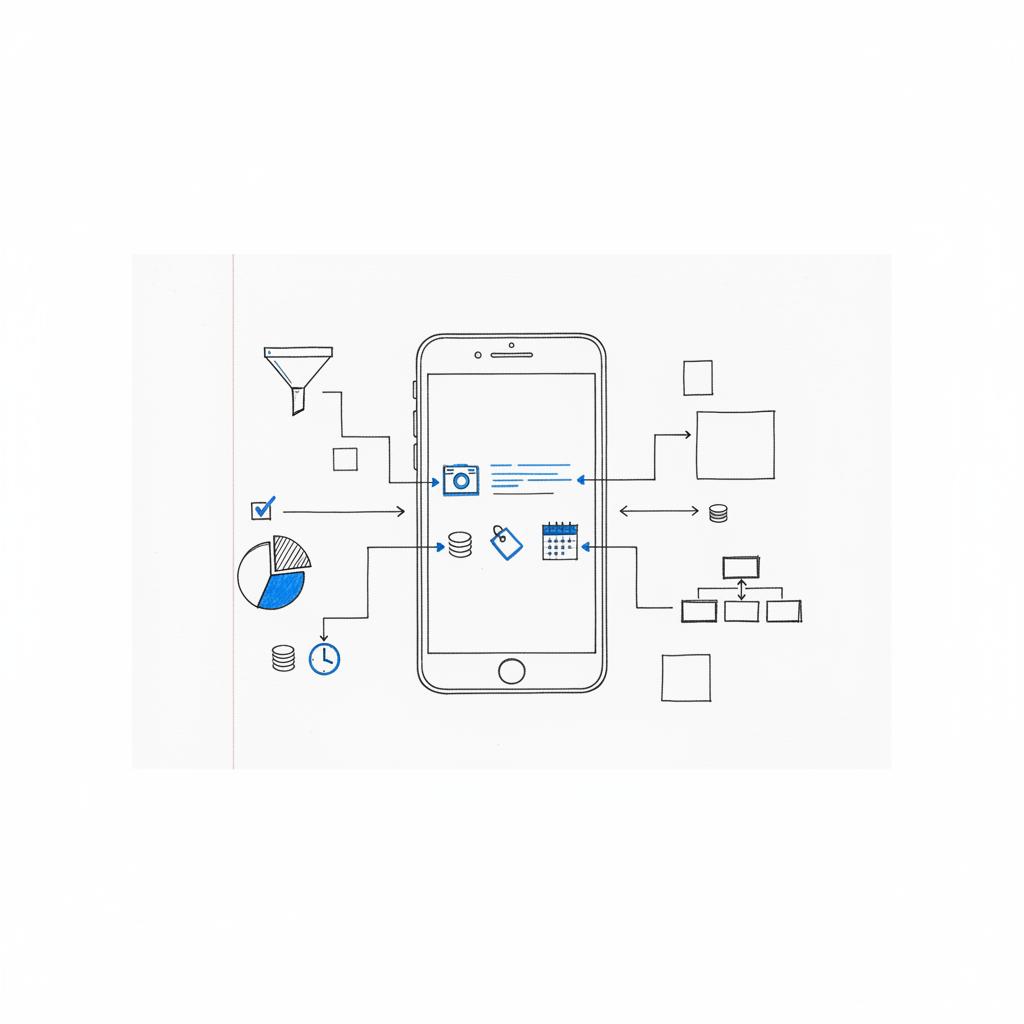
Thumbtack operates on a pay-per-lead model. Pros buy credits or pay per “opportunity.” For each lead, the platform suggests a price and invites you to set a maximum you’ll pay. When a customer posts a request, Thumbtack matches them to multiple professionals and charges whichever pros’ bids are selected to connect. That means the platform blends algorithmic pricing and pro-controlled maximums — which is why many pros see big variation in reported lead costs. Aggregated reporting and analyses — for example this piece on lead costs, a breakdown of lead pricing, and a company report — provide useful benchmarks. A clear logo on your profile can improve trust.
Tip: If you want help turning that variation into a testable plan, Agency VISIBLE can create a 30–60 day testing framework for local pros — no aggressive sell, just clear experiments paired to your numbers.
Why the model can be both frustrating and empowering
Unpredictability feels frustrating when you’re buying single leads. It feels empowering when you use the platform’s controls — max price, targeting radius, and job categories — to buy only the opportunities you want. The remainder of this article walks through the levers that affect price, real-world ranges observed in 2023–2024, exact math you can use today, and tactical optimizations that lower your effective cost per booked job.
Yes — sometimes. If you set a focused hypothesis, narrow radius, track conversion closely, and target mid-to-high value services, a 30–60 day test can show whether Thumbtack is profitable for your business. The key is tight measurement: cost per lead, lead-to-booking conversion, and average revenue per booking. If those numbers align, you can break even or profit within a month.
What determines a Thumbtack lead’s price?
Several clear forces move lead prices. Understand these and you can influence what you pay.
1) Estimated job value
Thumbtack’s pricing naturally favors jobs that look like they’ll produce higher revenue. A homeowner asking for a full kitchen remodel suggests greater potential revenue than a one-hour appliance repair. The platform prices accordingly, so premium jobs usually carry higher lead costs.
2) Local competition and supply
Like any auction, more bidders drive the price up. If many quality pros set high maximums in your area, Thumbtack will pay more to display those pros to new leads. In small towns or niche categories with few providers, you’ll often find cheaper leads because the bidding pressure is lower.
3) Customer detail and intent
Requests with photos, square footage, preferred timeline, and budget are gold. They signal intent and increase the chance of a booking — which makes them cost more. Conversely, short or vague requests are cheaper but convert less often.
4) Seasonality and demand spikes
Trades like landscaping, HVAC, and pool services fluctuate with the calendar. Demand peaks push prices up; off-season softens them. Smart pros dial spend up in peak months and conserve in slower ones.
5) Your settings
You control max lead price, targeting radius, and categories. Tighter radius and conservative maxes can reduce wasted spend; higher maxes or larger radii can increase volume but often raise cost per good lead.
Realistic price ranges — expanded with context
Because Thumbtack lacks public, standardized price tables, the best picture comes from aggregation: pros sharing invoices, market observers, and platform signals. Let’s expand the ranges with context so you get a practical sense of what to expect.
Low-value, high-volume services
Examples: small repairs, quick maintenance, one-off tasks. Typical lead price: $10–$50. These jobs often require high conversion to be profitable because the average ticket is small.
Skilled trades and seasonal services
Examples: electricians, plumbers, HVAC techs, landscapers. Typical lead price: $20–$100+. Mid-range jobs frequently show the broadest spread because supply, season, and project clarity vary so much.
High-value projects and premium services
Examples: large remodels, wedding photographers, specialized contractors. Typical lead price: $100–$200+ in competitive markets. Pros here often accept higher lead costs because the average job revenue and lifetime value justify it.
How to evaluate Thumbtack vs. other channels
Want to know whether Thumbtack is right for you? Don’t compare cost per lead in isolation. The single metric that matters is cost per booked job, calculated by multiplying average lead cost by lead-to-booking conversion rate. Compare that to average revenue per booked job and profit margin.
For example, if your average lead cost is $30 and your booking rate is 20%, your cost per booked job is $150. If your average job brings $500 and your margin is 40%, you’re profitable. If your average job is only $200, you probably lose money.
Why pay-per-lead can beat pay-per-click
Pay-per-lead means you pay when a customer expresses intent, not for clicks that may go nowhere. That efficiency can be powerful. But the downside is leads are variable — both in quality and price. Other ad models give you control over creative, landing pages, and often a steadier cost-per-action, but require more setup and ongoing optimization.
Put numbers to work: simple scenarios and math
Here are concrete scenarios you can copy, tweak, and run for your business.
Scenario A — $30 per lead, 20% conversion
– Lead cost: $30
– Conversion: 20% (1 in 5 leads book)
– Cost per booked job: $30 ÷ 0.2 = $150
– To break even, job revenue must exceed $150 after direct costs; adjust for margin accordingly.
Scenario B — $20 per lead, 10% conversion (lower-value work)
– Lead cost: $20
– Conversion: 10% (1 in 10 leads book)
– Cost per booked job: $200 — often too high for low-margin, low-ticket services unless customers recur.
Scenario C — targeted radius improves conversion
– Lead cost: $20 (narrow radius), conversion: 25% → cost per booked job = $80. Narrowing radius often improves conversion enough to make lower lead volumes highly profitable.
Practical tactics to lower effective cost per booked job
Here are field-tested optimizations: concrete, measurable, and repeatable.
Tighten your radius
Travel time kills margins and conversion. Focus on customers near your service area and you’ll see better booking rates and less wasted time.
Segment job types and bid differently
Split small, low-margin tasks from large, high-margin projects and set different max lead prices for each. This prevents overpaying for low-value work.
Ask for details up front
Profile prompts and initial messages that request photos, square footage, and budgets produce clearer, higher-converting leads. Consider pre-scripted screening questions to filter poor-fit requests quickly.
Improve response time and lead handling
Fast, helpful replies convert more leads. Pros who respond quickly with clear next steps win more bookings. Draft tested first-response templates and measure which wording converts best.
Manage your max price strategically
Lower max bids on categories with poor conversion, raise them where you consistently convert and margins allow. The platform’s flexibility lets you test this without long-term commitments.
Track and model everything
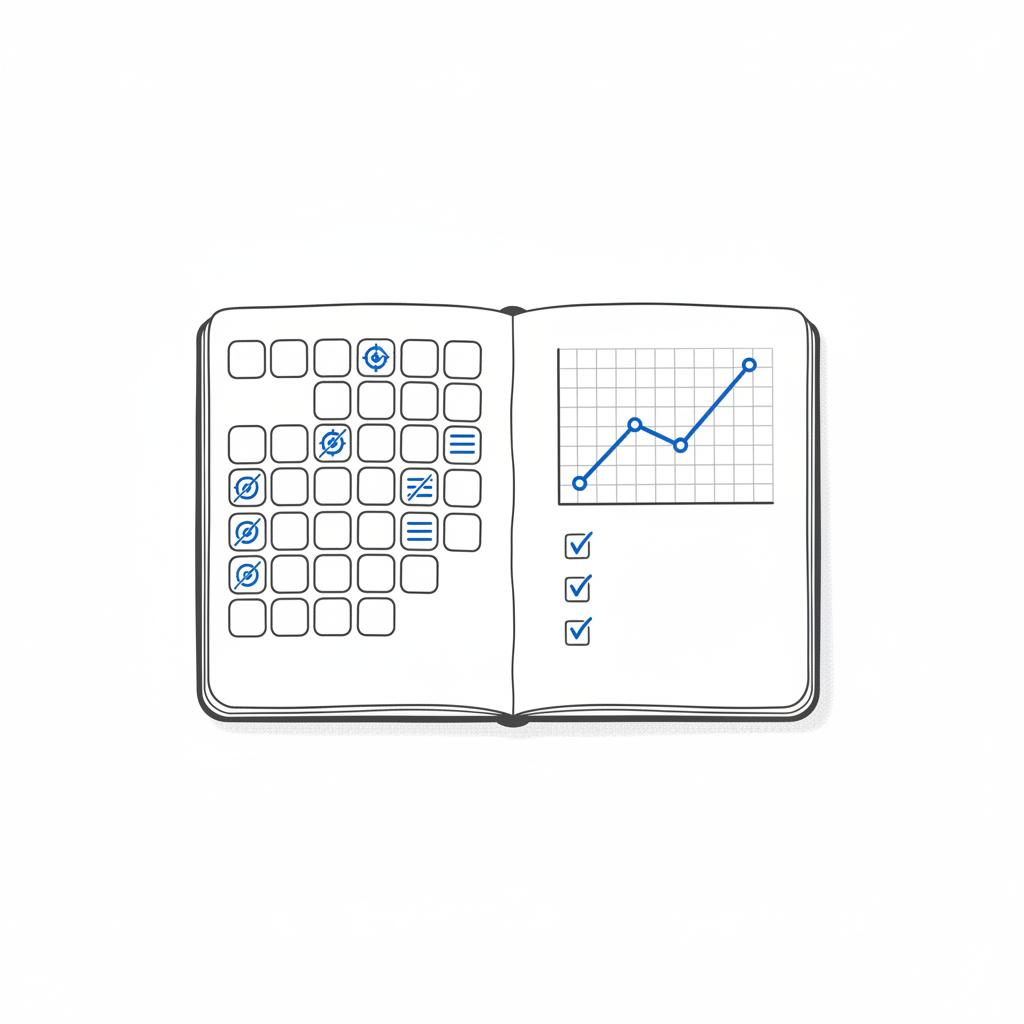
Measure: leads received, detailed leads, response times, conversion by job type, average revenue by job. When you model these numbers, you can forecast cost per booked job and make rational spend decisions. For design and conversion ideas, see our approach to design that converts.
Field anecdotes that teach real lessons
Stories from real pros show how these tactics play out in practice.
– A remodeler in the Southwest found mid-winter leads were cheap but exploratory; spring leads cost more yet converted far better. He shifted spend seasonally and bulk-messaged warm prospects from winter to convert them in spring.
– A plumber learned that leads with photos converted three times more often; he raised max bids only for photo-inclusive requests.
– A wedding photographer accepted $100–$200 leads for premium events because event clients brought add-ons and referrals that made acquisition costs profitable.
How to run a 30–60 day Thumbtack experiment
If you haven’t tested Thumbtack in your market, run a controlled experiment with a clear hypothesis.
Example hypothesis: “I can acquire a booked job averaging $500 with an average lead cost no higher than $40.”
Experiment outline:
- Run for 30–60 days with a fixed monthly budget.
- Control one variable at a time (radius, max bid, or job type).
- Track leads, detailed leads, response time, booked jobs, and revenue.
- Calculate cost per booked job and compare to break-even and profit margins.
When Thumbtack is a good fit — and when to be cautious
Thumbtack works best for pros who can reliably convert leads into booked jobs and who sell mid-to-high ticket services. If your jobs are one-off and low-value, Thumbtack can be expensive unless you keep conversion very high or customers return repeatedly.
Diversify. Don’t rely only on pay-per-lead platforms. Combine local SEO, referrals, and owned channels to balance acquisition costs and avoid overpaying for volume during peak demand spikes. You can also review related projects to see examples of how local acquisition plays out across services.
Measuring ROI: the formula you must use
Cost per booked job = (Average cost per lead) × (Lead-to-booking conversion rate). Compare that to average job revenue and margin. If you expect recurring business or strong lifetime value, you can accept a higher initial acquisition cost.
Common pro questions — clear answers
How predictable are lead costs? Not perfectly. Thumbtack is a live marketplace. You can control spend and targeting, but prices will vary with competition and demand.
Do lead costs vary by city? Yes — big metros usually cost more than rural markets.
Is there a minimum spend? Thumbtack allows daily/monthly caps so you don’t need a large upfront commitment.
Quick checklist: actionable setup steps for your first month
- Set a small, fixed monthly budget for a 30–60 day test.
- Choose one service category and narrow your radius.
- Write first-response templates and screening questions.
- Ask for photos and specifics in your profile copy.
- Track leads, detailed leads, response time, conversions, and revenue.
- Model cost per booked job and compare to break-even thresholds.
How to know you should scale Thumbtack spend
Scale when cost per booked job sits comfortably below your average job profit and you have reliable capacity to deliver. If spend increases and conversion drops, revisit targeting, response quality, and job segmentation.
Final, practical reminders
– Headline lead prices don’t tell the whole story — conversion and job value do.
– Small changes in response time, pre-qualification, and radius often move the needle more than raising max bids.
– Treat Thumbtack like a testable marketing channel: form a hypothesis, run a controlled experiment, measure, and iterate.
Putting it all together — a sample 30-day playbook
Day 1–3: Setup profiles, write three response templates, set radius to top ZIP codes.
Day 4–30: Run with a $500 test budget, set max lead prices by category, log each lead and outcome.
Day 31: Calculate cost per booked job; adjust max bids and radius for month two based on results.
Used thoughtfully and measured carefully, Thumbtack can be a stable source of customers. Used without discipline, it gets expensive fast. The choice is yours: curiosity and measurement, or guesswork and friction.
Need a hand?
Want a quick, measurable Thumbtack test plan?
If you’d like a short consultation or a 30–60 day testing plan built for your service and market, get in touch with Agency VISIBLE — simple, no-pressure guidance to make your testing efficient and measurable.
After a test, many pros discover that combinations of tighter targeting, better initial screening, and improved response templates reduce cost per booked job dramatically — sometimes by half or more in the first two months. That’s the kind of clarity every business needs before scaling.
Now that you understand the levers, you can answer the question how much does Thumbtack cost for your business — and make that answer a number you control rather than a surprise you pay for.
Lead costs on Thumbtack aren’t perfectly predictable. The platform is a live marketplace, so prices change with competition, seasonality, and how detailed a customer’s request is. You can exert control through max lead bids, targeting radius, and category segmentation, but expect variability. The most reliable approach is to run a short, controlled test, track conversion and revenue, and model cost per booked job rather than relying on headline lead prices.
Yes, but it’s harder. Low-value or one-off services need high conversion rates or recurring customers to justify typical lead prices. Tactics that help include tightening radius, pre-qualifying requests, raising response quality and speed, and segmenting job types so you don’t overpay for low-margin work. Running a test and measuring cost per booked job will tell you whether Thumbtack fits a particular low-value service.
Agency VISIBLE offers practical, no-pressure help to structure a 30–60 day Thumbtack test: setting hypotheses, creating response templates, defining tracking spreadsheets, and interpreting conversion math. If you prefer outside perspective to speed learning and avoid costly mistakes, a short consultation from Agency VISIBLE can save time and sharpen your experiment.
References
- https://agencyvisible.com/contact/
- https://agencyvisible.com/
- https://agencyvisible.com/projects/
- https://agencyvisible.com/design-that-converts-our-approach/
- https://7ten.marketing/how-much-does-thumbtack-charge-for-leads/
- https://leadcapture.io/blog/thumbtack-lead-cost/
- https://research.contrary.com/company/thumbtack