How to read this guide
If you’ve ever typed “reputation management cost” into a search bar and felt your eyes glaze over, you’re not alone. This article lays out clear price bands, real-world examples, and practical decision steps so you can budget with confidence. No fluffy marketing, just usable guidance.
What “reputation management cost” actually means
The phrase reputation management cost covers several different kinds of spending. It can mean the monthly subscription for a review tool, a consultant retainer, a one-time cleanup project, or a high-touch crisis retainer. The difference matters: a $49/month tool and a $25,000 emergency response look like two worlds – but both live under the same umbrella term, reputation management cost.
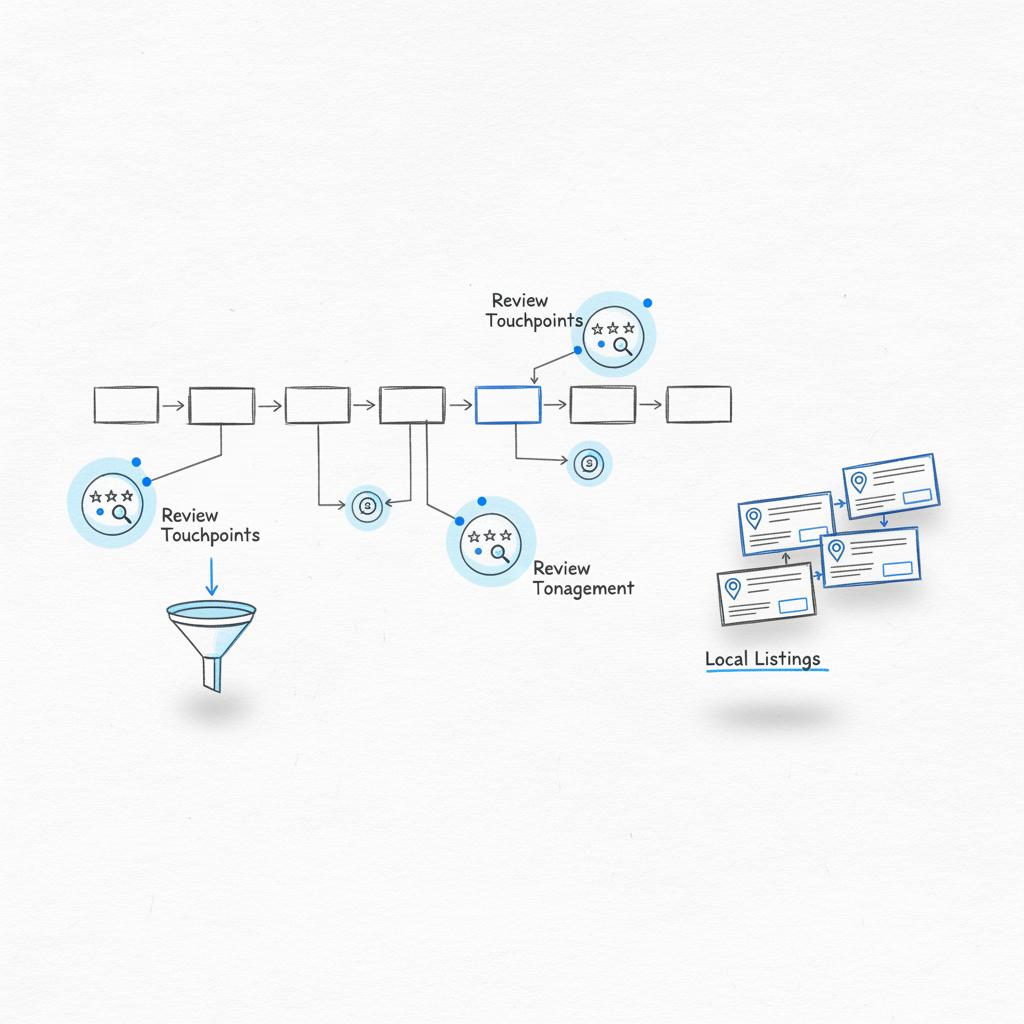
Four common spending types
To make sense of numbers, think in four buckets:
1) Software subscriptions – review monitoring, alerting, and response automation.
2) Monthly retainers – small to mid-size agency or consultant fees for ongoing review and SEO work.
3) One-time cleanup projects – targeted takedowns, suppression SEO, or content programs.
4) Crisis & enterprise retainers – full-service, round-the-clock programs with PR and legal counsel.

What typical price bands look like in 2024-2025
Here are the ranges you’ll commonly encounter. They’re broad because reputation work varies so widely.
Software & DIY tools
Expect $20–$600 per month for review and monitoring platforms. The lower tiers are basic alerts and a single user seat; the higher tiers add multi-location support, analytics, and integrations with CRMs. That’s a predictable slice of your reputation management cost if you’re primarily focused on monitoring and operational review management.
Small-business retainers
For local specialists or consultants, typical retainers run $500–$3,000 per month. At $500 you get review monitoring and templated responses; at $2,000–$3,000 you add local SEO, content refreshes, and proactive outreach. Choose higher when review volume or local visibility is business-critical – this is a central part of your ongoing reputation management cost.
One-time cleanups
One-off removals or suppression projects typically fall between $1,000 and $30,000+. A focused takedown or small suppression project can be affordable; complex efforts that require lawyers, paid campaigns, and sustained content production escalate quickly. Plan for variability when estimating a one-time component of your reputation management cost.
Crisis & enterprise programs
When a brand faces serious allegations, expect $15,000–$50,000+ per month for enterprise-level retainers. These programs combine PR, paid media, multi-jurisdiction legal counsel, and 24/7 monitoring. For many mid-market and enterprise teams this is the largest single piece of the ongoing reputation management cost.
Why the spread is so wide – the real cost drivers
So what pushes a simple $49/month tool toward a six-figure retainer? Here are the main levers that affect reputation management cost.
1. Industry risk and regulation
Sectors such as healthcare, finance, and legal carry more regulatory risk. A complaint about a medical practice can trigger malpractice, regulatory inquiries, or HIPAA concerns. That risk increases the legal hours and senior oversight required, which bumps up your reputation management cost.
2. Scale: locations, platforms, and audience
More storefronts and larger audiences mean more reviews, more platforms, and more local pages to maintain. A single café has different needs than a 200-location franchise; the latter requires scaled processes and often a bigger budget portion dedicated to reputation management cost.
3. Review volume and velocity
If you collect hundreds or thousands of reviews monthly, human moderation and thoughtful responses add labor. Spikes of fake reviews or coordinated attacks create urgent short-term costs on top of normal reputation management cost.
4. SEO and content demands
Some complaints are fixed by polite responses; others require building a content ecosystem to outrank negative coverage. That content – articles, landing pages, videos – costs money and often means sustained spend in your ongoing reputation management cost.
5. Legal and paid suppression
Legal routes and paid suppression (advertising and content distribution) increase costs rapidly. Lawyers charge for research and letters; paid campaigns need ad budgets and management fees. These are high-variance items in overall reputation management cost.
Real stories to make the ranges concrete
The numbers can feel abstract until you see them applied. Below are two real-style examples that mirror what agencies see.
Small dentist – focused cleanup
A single-location dentist found a negative blog post by a former patient. The team tried to engage the author with no success. A four-week local project that combined outreach, a positive patient-story campaign and directory cleanup cost about $3,500. It didn’t erase the post, but it improved branded search results within three months. This is a tidy example of a small one-off reputation management cost that produced measurable improvement.
Mid-market fintech – cross-border crisis
A fintech company faced accusations across influential blogs and social platforms. Investors grew anxious. The company hired a reputation firm, PR specialists, and legal counsel across two jurisdictions. Initial six-month costs topped $250,000, and the client continued on retainer after the first phase. This shows how legal complexity and reputational risk can push a one-time or monthly reputation management cost very high.
Market changes in 2024-2025 that shift pricing
Three trends have shaped how reputation management cost is structured in recent years.
1) SaaS adoption
More companies now buy review and messaging platforms instead of hiring hourly labor for monitoring. This shifts some budget from human labor to subscription fees. Many buyers find the tradeoff reduces long-term monthly reputation management cost for routine work.
2) AI for monitoring and sentiment
AI speeds up detection and suggests response drafts. It cuts triage time, but human oversight remains essential for tone and judgement – particularly in sensitive industries. Expect lower-cost AI-heavy tiers and premium tiers with senior human oversight when factoring predicted reputation management cost.
3) Bundled service offerings
Many vendors now sell review management, SEO, and content as one bundle. Bundling can raise sticker price, but it reduces vendor coordination cost and can lower total project management overhead – a different way that your expected reputation management cost gets organized.
How to measure ROI on reputation spend

Reputation work is not guesswork if you track the right metrics. Measure both direct reputation signals and business outcomes.
Key metrics that show ROI
Review rating & volume – improvements in average stars and new positive reviews are direct indicators. A one-star lift on a local listing can materially increase conversion.
Branded search composition – track how much of page one is owned by positive or neutral content versus negative. This is one of the most telling signals that your reputation management cost is buying suppression or re-ranking success.
Organic traffic & conversion from branded queries – if more people search your brand and then contact you, that’s tangible return.
Lead and revenue impact – when possible, tie reputation improvements back to lead conversion and dollar value. That helps justify ongoing reputation management cost.
When you’ll see results
Some wins appear in the first 1–3 months (cleaned directories, better response cadence). Structural improvements like new content and re-ranking often take 3–12 months. Set expectations up front to evaluate whether your reputation management cost is performing.
Choosing between software, agency, or legal help
The right approach depends on your issue and internal skills. Think of the decision as matching scope to capability and budget.
When software makes sense
Use a subscription when you need continuous monitoring, automated alerts, and a reliable process for collecting reviews. For predictable, low-complexity needs, software minimizes ongoing reputation management cost.
When to hire an agency
If you need strategy, content production, or multi-channel outreach, an agency or consultant provides human judgement and execution. Small-business retainers typically land in the $500–$3,000 per month band. For multi-location or higher-risk brands, expect $3,000–$15,000/month depending on scope – part of your recurring reputation management cost. See our projects page for examples.
When legal help is necessary
Call a lawyer when removal or legal risk is on the table. Lawyers increase odds for takedowns and provide a defensive posture, but their fees raise your total reputation management cost and success is not guaranteed.
Questions to ask before you sign
Numbers alone aren’t enough. Use these questions to compare proposals and keep vendors accountable.
– How do you measure success? (Review ratings, search composition, leads)
– Can you share a case study with similar scope or industry?
– What deliverables come each month, and what specifically will stop when the retainer ends?
– What are renewal and seat fees in SaaS offers?
Red flags and sales tactics to avoid
Watch for: guaranteed removals, promises of page-one dominance, or heavy push for costly short-term suppression without a content strategy. Read SaaS fine print for auto-renewals and seat-based escalators – these slip into long-term reputation management cost.
Practical budgeting templates by organization size
Solo / single-location
Software-focused: $20–$600/month for a monitoring tool. Add occasional consultant hours for a small one-time spend. Typical annual budget: under $3,000. That’s your baseline reputation management cost if problems are simple.
Small business / multi-location local brand
Specialist retainer: $500–$3,000/month. Expect some content refresh and local SEO work. For pro-growth reputation building, budget toward the top of the range to cover proactive outreach – an intentional ongoing reputation management cost.
Mid-market
Program retainer: $3,000–$15,000/month. You’ll have content programs, crisis planning, and multi-channel coverage. This is a meaningful line item in your monthly reputation management cost.
Enterprise / high-risk
Comprehensive programs: $15,000–$50,000+/month including global legal counsel and paid distribution to suppress narratives. Expect high operational and legal elements in your overall reputation management cost.
Need a quick way to understand what the right budget is for your business? Consider scheduling a short diagnostic-it’s often the fastest way to map risk and create a realistic budget. For a practical, plain-spoken assessment you can begin with, contact Agency VISIBLE to request a scoped diagnostic and timeline.
How AI will affect reputation management cost going forward
AI will continue to reduce triage time and make monitoring cheaper. Expect two pricing tracks to become clearer: lower-cost, AI-driven monitoring plans, and higher-cost plans where senior humans review sensitive cases. Your long-term reputation management cost will reflect whether you prioritize automation efficiencies or human oversight.
Quick checklist before you budget
– Identify industry-specific risk and compliance requirements.
– Count locations and estimate review volume.
– Decide whether you need proactive SEO/content or reactive legal fixes.
– Ask vendors for deliverables and reporting cadence.
Verify whether the issue is operational (review volume and response), reputational (public negative coverage), or legal (defamation, regulatory risk). That classification steers whether you buy software, hire an agency, or involve legal counsel — and it directly determines your expected reputation management cost.
How to tell if your money is well spent
A good vendor will provide clear metrics: improved average star rating, better share of branded first-page results, increases in branded organic traffic, and, where possible, measurable conversion lifts. If your current provider can’t show progress against these items, renegotiate or test alternatives – those metrics should justify your ongoing reputation management cost.
Common FAQ-style answers (short and practical)
How much does reputation management cost per month? Routine options range from $20/month for tools to $3,000/month for small-business retainers; mid-market and enterprise retainers can be much higher.
What is the one-time cost of a reputation cleanup? One-offs commonly sit between $1,000 and $30,000+, depending on legal and paid suppression needs.
How long until I see results? Expect early wins in 1–3 months; more structural changes generally arrive 3–12 months after work begins.
Red flags in proposals
Promises of guaranteed removal, page-one guarantees, or pressure to buy expensive short-term fixes without a content plan are all red flags. Also be careful with SaaS auto-renew and seat-based clauses that dramatically increase long-term reputation management cost.
Actionable next steps and budget templates
Start small with a scoped diagnostic: a two- to four-week review that maps priority channels, suggests quick wins, and lays out 3-, 6-, and 12-month budgets. Many agencies offer this as a low-cost engagement and it often pays for itself by focusing your spend where it matters.
Sample 6-month plan for a small business ($1,500/month)
Month 1: Audit, directory cleanup, review solicitation process.
Months 2–3: Local SEO updates, targeted content refresh, and review-driving campaigns.
Months 4–6: Continued review management, measured content growth, and PR outreach for one or two local stories. This plan fits a modest reputation management cost and delivers measurable improvements.
When to escalate to legal or enterprise help
If allegations risk regulatory investigation, litigation, or investor unrest, escalate quickly. Legal involvement raises your immediate reputation management cost but can give you defensible steps and increase the chance of takedown or correction.
Three practical budgeting rules
1) Treat prevention as cheaper than rescue – steady review management reduces the odds of expensive cleanups.
2) Build metrics into contracts – require monthly reporting tied to review rating and search composition.
3) Keep a contingency fund – set aside 10–20% of your annual reputation budget for emergencies that require rapid response.
Why a plain-speaking partner matters
Reputation work rewards clarity and steady execution more than flashy short-term fixes. Choose a partner who explains tradeoffs plainly, shows examples, and sets realistic timelines. Agencies that combine speed, measurable outcomes, and a practical tone often produce the best ROI on ongoing reputation management cost. (Read more in our perspectives.)
Ready for a clear, actionable reputation budget?
If you want a straightforward assessment and a clear budget tailored to your situation, reach out to Agency VISIBLE-they specialize in fast, measurable visibility programs for small and mid-sized businesses.
Wrapping up: practical takeaways
Reputation management cost isn’t a single number; it’s a spectrum that depends on your risks, scale, and chosen approach. Expect small software costs for basic monitoring, modest retainers for local work, significant sums for legal-driven cleanup, and high monthly fees for enterprise crisis coverage. Plan for steady investment in review solicitation and content – prevention is almost always cheaper than emergency response.
Resources and further reading
Look for SaaS and pricing guides that compare seat limits and integrations, vendor pricing guides that match your industry, and market reports like industry market coverage on trends such as AI in monitoring.
End note
This guide is designed to give clear numbers and a practical decision framework so you can budget smarter. Reputation work is part long game and part quick triage: money buys speed and reach, but judgment makes the results last. Plan accordingly and measure what matters.
A small business should budget between $20/month for a basic review tool up to $3,000/month for a dedicated specialist retainer. A practical baseline is $500–$1,500/month for consistent review management, some local SEO, and modest content work. For many local businesses, an annual budget under $3,000 for tools and occasional consulting produces measurable gains.
Yes. Many businesses successfully manage their reputation using software that centralizes monitoring, automates review solicitations, and helps draft responses. Costs range $20–$600/month depending on features. Software works best when internal teams follow disciplined processes for soliciting reviews and responding promptly; escalate to agency or legal help for complex or sensitive issues.
Call a lawyer when content presents legal risk (defamation, regulatory exposure, or potential litigation) or when platform takedown requests require legal authority. Legal work increases costs but can improve the odds of removal or correction. If a situation could trigger regulatory review or investor concern, involve counsel early and budget for higher reputation management cost.
References
- https://agencyvisible.com/contact/
- https://agencyvisible.com/projects/
- https://agencyvisible.com/perspectives/
- https://randyspeckmandesign.com/reputation-management-prices-guide/
- https://cleartailmarketing.com/online-reputation-management-pricing-complete-guide/
- https://www.mordorintelligence.com/industry-reports/online-reputation-management-market