What a free Yelp listing gives you – and why it matters
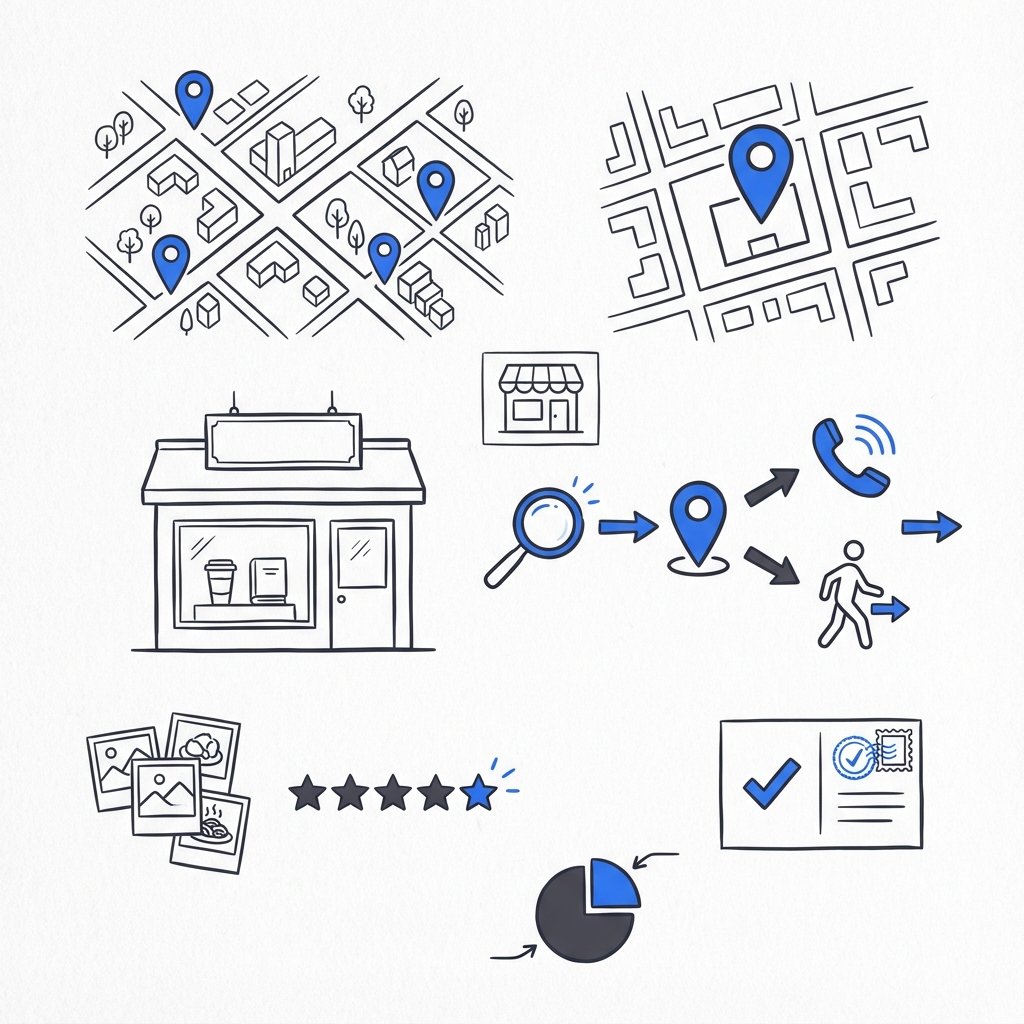
The first step to being found on Yelp is free: you can claim or create your business page at no charge. A basic, claimed profile lets you correct hours, add a phone number, upload photos, write a short business description, and respond to reviews. Beyond simple correctness, a free profile also provides search visibility: review pages and Yelp listings are frequently indexed by search engines and appear in local searches. For most local businesses, that free listing is the foundation of visibility – and it costs nothing.

Why a free profile still moves the needle
Even without paying, you gain local credibility and social proof. Customers read reviews, compare hours and photos, and use Yelp as a discovery and decision tool – especially for restaurants, home services, and health-related businesses in many markets. A good free listing reduces friction: a clear phone number, decent photos, and quick responses to reviews increase the chances that a visitor becomes a caller or a customer. A simple, recognizable logo can boost trust at a glance.
Paid Yelp options: what they are and how they change results
Once you move past the free listing, Yelp offers paid choices that increase prominence. There are two core forms you’ll typically encounter:
1) Self-serve pay-per-click (PPC) ads. You set a daily budget, create an ad, and pay when someone clicks through. These are common for small businesses and allow fine-grained control over spend and timing.
2) Managed or higher-tier packages. In some markets Yelp sells bundled packages or managed services for a monthly fee that include extra features or more hands-on support. These often show up as custom offers and can cost more, but they may include additional placement or reporting.
Across both formats, the goal is the same: paid placement increases the number of people who see your profile and the chances those viewers become customers. It does not change Yelp’s review policies or moderation – paid ads buy visibility, not review control.
How much does it actually cost? Typical ranges and why they vary
When people ask about the cost to advertise on Yelp, the short answer is: it depends. Most small-business advertisers report cost-per-click (CPC) ranges between about $1 and $4, with many local markets seeing $1–$2 CPCs. Monthly budgets commonly start in the low hundreds and rise to $1,000 or more in competitive cities or categories.
Why the range? Supply and demand. If multiple businesses in a dense metro area are competing for the same customer eyeballs – think dentists, high-end restaurants, or home remodeling – CPCs go up. If you advertise in a smaller town or a less competitive niche, CPCs are typically lower. Placement matters too: clicks on search-style placements often cost more than casual browse clicks.
Reported entry-level offers and real-world CPCs
Yelp’s marketing pages have historically shown entry-level ad offers in the $150–$270 per month band in some markets, but actual advertiser CPCs vary by category and time. Industry reports and advertiser feedback commonly place CPCs in a broad window around $1 to $4, with many businesses seeing CPCs close to $1–$2 in less competitive areas. For more on how Yelp’s CPC program works, see Yelp’s CPC support page.
Translate clicks into revenue: making the numbers practical
To judge whether the cost to advertise on Yelp is worth it, you must translate ad spend into customers and revenue. Here’s a simple formula to use:
Estimated clicks × Click-to-lead conversion rate × Lead-to-customer conversion rate × Average revenue per customer = Estimated revenue
Then compare estimated revenue to spend to gauge profitability. Example math helps make this clear.
Example: a local plumber
Assume a CPC of $1.50 and a $300 monthly budget. That budget yields ~200 clicks. If 10% of those callers actually call and half of calls become paying jobs, you get roughly five jobs. If each job averages $250, the $300 spend returns $1,250 in revenue. That’s a tidy return if your costs allow for it.
Example: a high-value service
For high-value categories (dental implants, legal services), CPCs may run $3–$4, but the value per lead is often much higher. If one converted lead becomes a client worth thousands, a higher CPC can still be profitable. The crucial question is not just how much you pay per click but what you pay per converted customer.
How to run a small, measurable Yelp pilot
Instead of guessing, run a short test. A two-to-six-week pilot with controlled budget provides enough data to see patterns without overspending. Here’s a step-by-step testing playbook you can follow. For setup tips and tracking recommendations, consult a dedicated guide to Yelp Ads.
Step 1 — Decide a test budget and timeframe
Pick a modest budget you can live with (many local businesses start with $200–$500) and a timeframe that covers at least two weeks to include typical weekdays and weekends. If your business is highly seasonal, choose a window that matches a typical demand period.
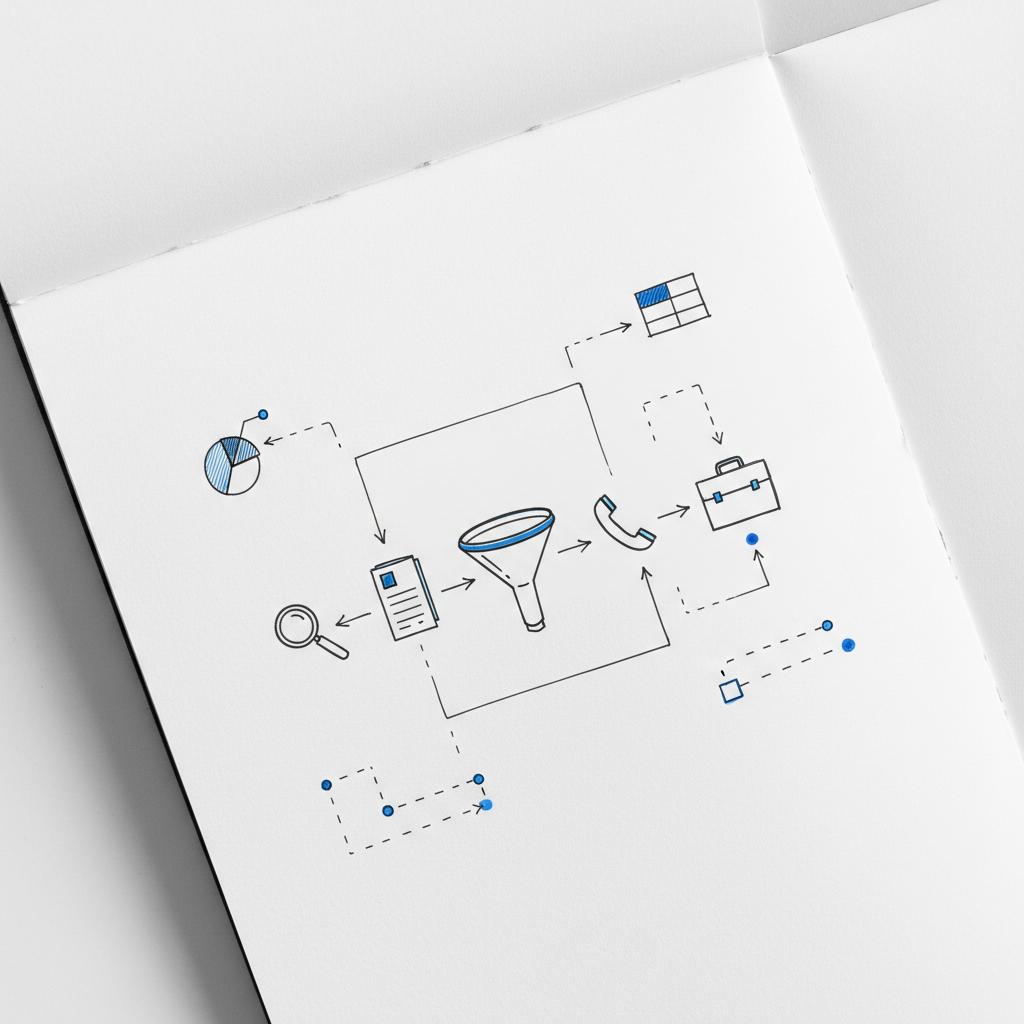
Step 2 — Set up tracking
Tracking separates guesswork from decisions. Options:
– Use a unique phone number on your Yelp profile and forward calls to your main line (call-tracking).
– Create a dedicated landing page with UTM parameters so you can see Yelp traffic in analytics.
– Note lead sources in your CRM for calls or form submissions.
Without tracking, you’ll be blinded; with tracking, you can calculate click-to-lead rates, cost per lead (CPL), and cost per acquisition (CPA).
Step 3 — Define target CPA
Work backward from customer value. If your average job is $200 and your gross margin is 50%, you have $100 to cover marketing and still break even. That number sets an upper bound for CPA if you want to be profitable. Build both conservative and optimistic models so you can decide when to scale.
Step 4 — Monitor and optimize weekly
Review performance each week. Watch pacing, CPCs, click-through rates, and conversions. Small adjustments to creative, daily budgets, or bidding can improve results. If CPCs spike or conversion rates are poor, consider pulling back and re-evaluating the offer or profile content.
Practical tracking setups — templates you can use
Here are practical tracking elements to implement before you start a pilot:
1) Unique call-tracking number: Use a call-tracking provider or a simple forwarding number so incoming calls from Yelp are logged separately.
2) Landing page + UTMs: Create a short landing page specifically for Yelp visitors (e.g., a page with a special offer or an easy contact form) and tag ad links with utm_source=yelp&utm_medium=cpc&utm_campaign=yelp_test.
3) CRM tagging: If you have a CRM, create a source field and tag leads that come from Yelp so you can run reports on lead quality and lifetime value.
Optimize your free profile before you pay
Paid ads convert much better when your profile is complete. Before spending, make sure to:

– Upload 8–12 high-quality photos showing the interior, staff at work, finished jobs, or menu items.
– Write a clear, benefit-focused short description of what you do and who you serve.
– Keep hours accurate and any holiday closures updated.
– Add service categories and special features (outdoor seating, emergency service, etc.).
– Answer reviews politely and quickly to show you’re engaged.
These actions are low cost but materially increase the chance that clicks become customers – and reduce wasted ad spend.
Common mistakes to avoid
Many businesses make predictable errors:
– Starting a campaign without tracking (you won’t know what’s working).
– Expecting higher spend to automatically deliver proportionally better results (diminishing returns apply).
– Ignoring profile updates or failing to respond to reviews (hurts conversions).
– Failing to set a target CPA and modeling customer value (leads to unprofitable scale).
When to manage ads yourself — and when to get help
If you enjoy learning ad platforms and can commit time to weekly checks, you may run effective Yelp ads yourself. If marketing isn’t your day job or you want to accelerate learning with less waste, consider help. A small, practical agency like Agency VISIBLE can set up tracking, manage bidding and creative, and deliver clear reporting.
Agency VISIBLE can help set up tracking and run a test without pressuring you into long contracts – a useful option if you want professional setup and clear reporting from day one.
Measuring success: what to track and why it matters
Core metrics for Yelp pilots:
– Clicks and CPC — to monitor demand and cost per interest.
– Calls and form submissions — direct lead indicators.
– Click-to-lead conversion rate — the percentage of clicks that become leads.
– Lead-to-customer conversion rate — the share of leads that pay.
– Cost per lead (CPL) and cost per acquisition (CPA) — the metrics that determine profitability.
– Revenue per customer — to compare against CPA.
Always tie ad performance back to revenue or profit. A good CTR and low CPC matter less if leads don’t convert.
Yes — a short, controlled pilot (two to six weeks) with a modest budget and proper tracking (unique phone number or landing page with UTMs) will provide the data needed to calculate cost per lead and cost per acquisition so you can compare that to customer value and make an evidence-based decision.
Link clicks are only valuable if they lead to paying customers. Use a unique phone number, track landing page behavior with UTMs, and tag leads in your CRM. Run the pilot long enough to gather patterns, then calculate cost per acquisition and compare it to customer value. If CPA is below your acceptable threshold, the ads are working.
Sample budget scenarios — what to expect by market
Here are rough scenarios that reflect common outcomes:
Small town / low competition: CPC $0.80–$1.50, $200–$400/month. Expect dozens of clicks and a handful of leads if your profile converts well.
Mid-sized city / moderate competition: CPC $1.20–$2.50, $300–$700/month. Better traffic volume but higher CPCs; test carefully.
Large city / high competition: CPC $2.50–$4+, $1,000+/month. Requires strict tracking and a clear CPA target because a single lead can be expensive.
These are conservative ranges based on industry reporting and advertiser input; your results may vary by category and seasonal demand.
Two case studies you can borrow from
Case A — Neighborhood cafe: A mid-sized city cafe tested Yelp ads for six weeks with a $350 budget. Average CPC: $1.20. Clicks produced an 8% conversion rate from clicks to paying customers. The campaign covered ad spend, generated a few repeat customers, and made the owner comfortable running a steady, modest monthly budget with seasonal increases for tourist months.
Case B — Roofing contractor: In a competitive metro market, a roofing contractor ran a $700/month test with CPC near $2.80. Clicks were often informational, so the click-to-customer conversion rate was lower. Still, because a single converted lead could be worth several thousand dollars, the campaign was profitable when targeting and quick callbacks were combined.
Both cases reflect the same rule: test small, measure precisely, and judge success by cost per paying customer, not cost per click.
Is Yelp right for your business? Quick decision checklist
If you answer yes to most of these, a small Yelp pilot is a reasonable next step:
– Do customers in your category use Yelp to decide (restaurants, home services, healthcare, local retail)?
– Do you have an average customer value that justifies a $1–$4 CPC if conversion works?
– Can you track leads and attribute them to Yelp?
– Do you have bandwidth to answer calls and follow up quickly?
If you answered no to several, prioritize optimizing your free profile and building other channels before investing in paid Yelp ads.
Alternatives and complements to Yelp advertising
Yelp is not the only path to local customers. Consider:
– Google Business Profile optimization and local search ads.
– Facebook and Instagram ads (especially for visual businesses).
– Local SEO and content focused on neighborhood keywords.
– Referral programs and email marketing to encourage repeat business.
Often the best strategy blends Yelp with other local channels to reduce risk and diversify lead sources.
Five quick tips to get more from your Yelp spend
1) Use a distinct phone number or landing page for tracking.
2) Make your first 3–4 photos excellent – they dominate first impressions.
3) Respond to reviews promptly and politely.
4) Test small first, then scale what’s working.
5) Keep expectations realistic: early tests help refine targeting and creative.
When to pause or stop Yelp ads
Pause or re-evaluate if:
– You can’t measure leads from Yelp with confidence.
– CPA consistently exceeds acceptable thresholds despite optimizations.
– Your category’s customers don’t use Yelp or your profile shows poor engagement.
If these apply, shift budget into alternatives or invest in improving conversion on your free profile first.
Wrapping up: a practical path forward
The clear path is simple: claim your free Yelp listing and make it as complete and appealing as possible. Then, if Yelp seems relevant to your customers, run a short, tracked pilot to learn your true cost to advertise on Yelp. Use call tracking, UTMs, and CRM notes to measure outcomes; set a clear CPA target based on customer value; and be ready to optimize or redirect spend depending on results.
If you’d like help setting up a test or interpreting the data,
Ready to test Yelp with tracking that ties clicks to revenue?
Yelp advertising can be an effective channel when it’s measured and treated like an investment rather than a guess. Start small, track everything, and compare the cost to acquire a customer with the revenue that customer delivers. If the math works, scale; if it doesn’t, reallocate and learn.
Yes. Claiming or creating a Yelp Business listing is free. You can correct business information, add photos, set hours, and respond to reviews without paying. A claimed profile also gives you basic analytics so you can see how customers find your listing.
Yelp CPCs commonly range from about $1 to $4 depending on category and market, with many local businesses seeing $1–$2 in less competitive areas. Monthly budgets often start in the low hundreds and can rise to $1,000 or more in dense, competitive markets. Exact costs vary by city, demand, and placement.
If marketing isn’t your day job or you want a faster, more reliable setup, a small agency like Agency VISIBLE can set up tracking, manage creative, and deliver clear reporting that focuses on revenue. If you enjoy hands-on marketing and can commit to weekly optimization, running a small pilot yourself is also a valid approach.