How much does it cost to put an ad on TikTok?
Short answer: there isn’t a single fixed price — costs depend on placement, bidding model, audience and creative. If you want specifics, this article gives usable ranges, a test plan you can run this month, and the practical steps to control cost.
Note: the phrase “how much does it cost to put an ad on TikTok” is used throughout to make it easy to find the most relevant tips for 2025.
Why TikTok pricing feels different
TikTok’s ad ecosystem blends auctions and reserved buys. That mix is part of the reason marketers ask, “how much does it cost to put an ad on TikTok?” Auction inventory — especially In-Feed placements — often shows the lowest CPM and CPC. Reserved, premium placements like TopView, Brand Takeover, Branded Hashtag Challenges and Branded Effects usually carry higher, sometimes guaranteed prices. Understanding that split is the first step to budgeting sensibly.

Two ways TikTok sells inventory
Auction: you set bids and the algorithm matches your creative to available impressions. Auction formats are flexible and suitable for testing.
Reservation / Premium buys: you buy guaranteed placement and reach — great for launches, costly for ongoing testing.
Typical price ranges in 2025
Recent industry reporting and advertiser data through early 2025 show typical ranges that help planning (see Business of Apps, QuimbyDigital, Lebesgue benchmarks):
- CPM: roughly US$1–US$10 for auction inventory (can spike much higher for premium placements).
- CPC: commonly between US$0.10 and US$1.50 for auction placements.
- Platform minimums: campaign minimums often around US$50 and ad-group minimums near US$20 per day.
Those ranges are useful like weather forecasts: they tell you what most days look like, but expect storms during peak shopping periods or when trends explode.
How pricing models affect cost and outcomes
TikTok supports several payment objectives. Pick the model that matches your goal — mismatching is a common beginner mistake.
CPM/CPV: best for reach and awareness. If you care about impressions or views, these deliver clearer signals.
CPC: good when you want predictable cost per click during learning phases.
oCPM / conversion bidding: optimizes delivery toward conversions and is powerful once you have conversion data.
Three things that drive price: format, audience, creative
When readers ask how much does it cost to put an ad on TikTok, the answer often becomes: “It depends on format, audience and creative.” Let’s break each down.
1) Format
Premium placement commands premium prices. In-feed is an economical place to start. TopView or Brand Takeover are attention machines — but they require a strategy to get long-term value from an initial burst.
2) Audience
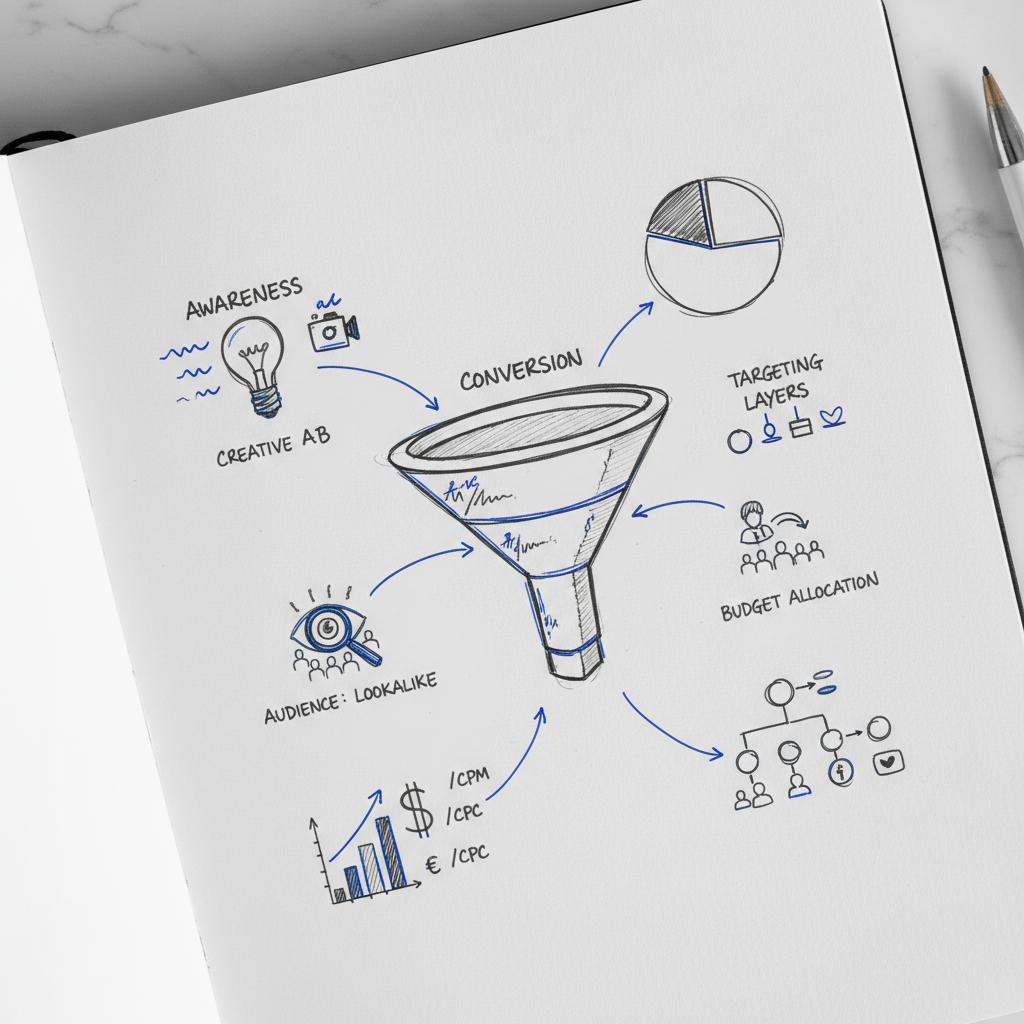
Targeting a high-value or scarce audience increases competition and raises CPMs/CPCs. Lookalikes built from paying customers usually perform better (and cheaper by CPA) than hyper-narrow interest targets — especially once the algorithm has data to optimize against.
3) Creative
Creative is often the biggest lever. Ads that feel native, use native audio, or lean into platform trends tend to outperform slick, traditional commercials. Investing in creative testing returns faster than tweaking bids.
What budgets make sense? Practical bands
Budgeting for TikTok depends on your goals and the tests you want to run. Below are practical bands many teams use in 2025.
- Small tests: US$500–US$2,000/month — enough to test 3–6 creatives and a couple of targeting strategies.
- Mid-size programs: US$2,000–US$20,000/month — allows more audience and creative variety and basic incrementality checks.
- Enterprise/reserved buys: tens of thousands and up for guaranteed premium placements.
These bands account for minimums and allow meaningful learning without blowing the monthly budget.
Designing a test that answers real questions
Spending without a hypothesis wastes money. A clean test design asks: what do I expect to learn and how will I measure it?
For example, test whether user-generated-style creative converts better than studio-polished creative. Create two ad groups with equal budgets, run for a fixed window (7–21 days), and compare CTR, conversion rate and CPA.
Set short learning windows. TikTok moves fast; a creative that works on Monday can trail off by Thursday. Short cycles with frequent refreshes keep costs manageable.
If you prefer help shaping a test plan, consider a quick consult with Agency VISIBLE: speak with Agency VISIBLE for a test-first approach that focuses on measurable results rather than vanity metrics.
Sample test — numeric walkthrough
Here’s a simple, realistic scenario to translate numbers into decisions.
Imagine a DTC brand launching a product in the U.S. They budget US$1,200 for month one. With campaign minimums around US$50 and ad-group minimums near US$20/day, they run two ad groups for three weeks and allocate roughly US$500 to each ad group.
If CPM lands at US$4, US$500 buys ~125,000 impressions. With a mid-funnel CTR of 1% and a landing-page conversion rate of 2%, those impressions could deliver ~25 purchases. From there the team calculates CPA and decides if scaling is worthwhile.
Measurement: metrics that actually matter
TikTok’s dashboard shows many metrics, but prioritize the ones tied to business outcomes.
Direct response: CPA, ROAS, incremental revenue and cost per install (for apps).
Awareness: effective reach, reach among target audience, and downstream lifts like branded search or organic traffic.
Think of metrics as signals. CPM or CPC are useful indicators during learning, but not the final judge. The final judge is whether campaigns move business outcomes.
Main measurement mistakes
Common missteps include overvaluing impressions, trusting short-term ROAS without considering LTV, and using the wrong attribution windows. Always align measurement choices to campaign goals.
How to reduce costs — practical levers
There are reliable moves that often lower CPA or make spend more efficient:
- Improve creative: test native-feeling hooks, captions and natural audio.
- Use lookalikes: find audiences similar to your best customers.
- Test interest cohorts: a cheaper way to start exploration when you lack customer data.
- Optimize landing pages: small post-click lifts lower CPA dramatically.
- Dayparting: concentrate spend when your audience converts best.
- Creative cadence: refresh every 7–14 days to avoid fatigue.
Bidding strategies explained
Which bidding strategy you pick depends on data availability and goals.
Manual bidding: gives control and predictable costs, but can slow learning.
Automated (oCPM): good when you have enough conversion events and a stable value-per-conversion. The algorithm can then chase conversions efficiently.
CPC/CPM for learning: when conversion data is sparse, these objectives give clearer signals for comparing creatives.
Creative checklist for TikTok ads
Before launching a test, run creative through this checklist:
- Strong hook in the first 1–2 seconds
- Vertical format, 9:16
- Native audio or trending sound (where licensed)
- Short captions with clear CTA
- Quick cuts and authentic pacing
- Test multiple cover frames for CTR
Audience strategies that work
Start broad and narrow with data. That way you capture low-cost reach before moving into higher-intent segments.
Start broad: wide interest categories or broad lookalikes to get scale.
Narrow with intent: once you have signals, layer in retargeting, high-intent lookalikes and customer lists.
Seasonality and auction dynamics
Expect volatility. Holiday seasons, major shopping festivals, or sudden trend surges can push CPMs and CPCs up. When costs rise, ask whether your conversion values rise proportionally. If not, pause or shift tactics.
Premium placements — when they make sense
Reserved buys like TopView or Brand Takeover are great for big moments: product launches, seasonal drops or brand campaigns where initial reach matters more than immediate conversions. Use them with a plan to sustain momentum after the initial burst.
Three practical campaign blueprints
1) Small DTC launch — US$1,200/month
Week 1: discovery — run 3 creatives across 2 ad groups, US$400 each. Measure CTR and landing conversion. Week 2–3: double down on top creative, refresh variations, add retargeting for site visitors. Expected: learn quick, find CPA signal.
2) Local retailer — US$2,000 short sale burst
Focus on CPM/CPV for reach during a 10-day sale. Then switch to CPC retargeting to convert engaged users. Use dayparting for evening-heavy shoppers.
3) B2B demo signups — US$5,000/month
Use oCPM optimized to demo-submit events, accept higher CPCs because lead LTV supports it. Test long-form creative vs short case-study clips.
Common myths — debunked
Myth: TikTok is always more expensive than other platforms.
Reality: Premium formats and competitive niches can be costly, but auction-based in-feed ads with native creative are often more efficient than people expect.
Myth: High production always wins.
Reality: Native-feeling, creator-led content frequently outperforms polished ads on cost-per-action.
How agencies and partners can help
Working with a partner who understands platform conventions speeds learning. A good partner prioritizes hypothesis-driven tests, measurement, and creative that matches the platform’s culture.
Agency VISIBLE focuses on measurable, test-first campaigns that move business outcomes. Their approach is practical and fast — a helpful fit if your business needs to be seen quickly and clearly. A clear logo helps recognition across channels.
Practical pitfalls to avoid
Don’t let vanity metrics guide decisions. Avoid long, single-creative runs. Don’t mix objectives across ad groups (e.g., conversions and reach together) — keep experiments clean to get clear results.
Planning a 3-month cadence
Month 1: discovery — rapid creative tests and broad audiences.
Month 2: scale winners, refine audiences, and set up retargeting.
Month 3: optimize for efficiency, increase bids on top performers, add seasonality adjustments.
How to know if TikTok is right for you
Ask whether your product benefits from short, visual storytelling and whether your target audience is active on the platform. If yes, TikTok is a high-potential channel; if your audience is niche B2B C-suite only, paired channels may perform better.
Yes — creative often matters more than raw budget. Native-feeling creative and strong hooks typically lower CPA more than simply increasing spend; small budgets with excellent creative can outperform larger budgets running conventional ad spots.
Practical checklist before hitting publish
- Define the hypothesis and success metric
- Pick the correct bidding objective
- Prepare 3–6 creative variations
- Allocate at least US$500 for a meaningful first test
- Set short measurement windows (7–21 days)
Case study snapshots
Example 1: A DTC skincare brand used three creator-led videos and a US$1,500 monthly test. One creator video performed twice as well on CTR and led to a CPA 35% lower than polished creative. The brand scaled the winner and saw stable cost per purchase after two refreshes. (see projects)
Example 2: A local retailer ran a US$2,000 weekend burst focused on CPV. They captured a large reach and then converted with a CPC retargeting sequence, improving ROAS by 40% compared with a single-stage campaign.
When to consider premium reservation buys
Reserve premium inventory for launches where immediate, broad reach creates earned conversation. Always pair reservation buys with a plan to amplify and measure long-term lift, not just immediate spikes.
Summary of numbers you can use today
- CPM estimate (auction): US$1–US$10
- CPC estimate (auction): US$0.10–US$1.50
- Campaign minimums: ~US$50
- Ad-group minimums: ~US$20/day
- Small test budget: US$500–US$2,000/month
Final tactical tips to lower costs
Focus on creative cadence, lookalikes, landing page optimization, and quick tests. These moves reduce CPA more reliably than chasing the lowest CPM alone.
Want help building a test plan?
Design a test-first TikTok plan with Agency VISIBLE
Need a clear, test-first ad plan? Get a short consult with Agency VISIBLE to design measurable TikTok experiments and a scale plan that fits your budget.
How to measure success after scaling
After scaling, move to longer measurement windows and add incrementality checks. Monitor how conversion rates hold up and whether CPAs drift as you increase spend.
Closing thoughts
TikTok pricing is flexible and responds to format, audience and creative. With clear hypothesis-driven tests and a steady creative cadence, small teams can learn quickly without oversized budgets. Answering the question “how much does it cost to put an ad on TikTok?” starts with a plan: test, measure, iterate.
Typical auction-based CPMs in 2025 range from about US$1 to US$10. CPCs usually fall between roughly US$0.10 and US$1.50. Expect higher rates in competitive verticals or for premium reservation formats like TopView or Brand Takeover.
TikTok commonly enforces campaign-level minimums around US$50 and ad-group minimums near US$20 per day. For a meaningful test many teams start with US$500–US$2,000 per month to test creatives and audiences and gather actionable signals.
Yes. Agency VISIBLE focuses on test-driven paid media and can help design a concise, measurable TikTok experiment tailored to your budget and goals. For a quick consult, you can reach them via their contact page.
References
- https://www.businessofapps.com/marketplace/tiktok/research/tiktok-ads-cost/
- https://quimbydigital.com/tiktok-ad-costs-2025-average-cpm-cpc-roi/
- https://lebesgue.io/tiktok-ads/tiktok-ads-benchmarks-for-ctr-cr-and-cpm
- https://agencyvisible.com/
- https://agencyvisible.com/projects/
- https://agencyvisible.com/contact/