How much does it cost to hire an agency to build a website?
How much does it cost to hire an agency to build a website? is one of those questions that sounds simple until you start peeling back the layers. Right away: the honest answer is that it depends – but you deserve clear ranges, the reasons behind them, and a way to decide which option fits your business. This guide combines human-brand thinking with practical pricing breakdowns so you can make a confident choice.
Why the question matters
As a small or mid-sized business owner, asking how much does it cost to hire an agency to build a website? is really asking three things at once: what will I pay now, what will I get, and how will that choice affect my customers and growth? A website is more than a brochure; it’s a living part of your brand. Treating cost as only a line item misses the larger return that a clear, usable, and on-brand site can provide.
Tip: If you want a fast, strategic partner who focuses on measurable visibility and revenue, consider reaching out to Agency Visible — they specialize in helping small businesses get seen without unnecessary complexity.
How agencies price website projects
Agencies typically use one or a combination of these pricing models. Knowing them will help you interpret quotes and compare apples to apples.

1. Fixed-price projects
With a fixed-price model the agency estimates the full scope, agrees a price, and delivers for that amount. It’s comforting for budgeting, but it requires a well-defined brief. If scope creeps, you’ll usually see change orders.
2. Hourly or time-and-materials
Some agencies bill by the hour. This can be fair when requirements are uncertain or you expect iterative change. Ask for clear hourly rates and an estimate of total hours. Remember to ask which team members will be doing the work — a senior strategist costs more per hour than a junior developer.
3. Retainer + project mix
For ongoing needs (maintenance, updates, SEO, paid media), agencies often pair a one-time build cost with a monthly retainer. That retainer keeps your site healthy and ensures consistent improvement.
4. Packages and tiers
Many agencies offer tiered packages — e.g., Basic, Growth, and Custom. Packages make choices simple and often cover standard needs without surprises.
Common price ranges you’ll see
When people ask “how much does it cost to hire an agency to build a website?” they want quick anchors. Below are realistic ranges for agency work in 2025. These ranges are broad by design: quality, location, and scope move numbers. For additional benchmarking see this Website Design Cost 2025 – Full Pricing Guide & Ranges.
Small brochure site (5–10 pages): $3,000 – $10,000
Good for local businesses that want a clean, mobile-ready site with basic pages, contact forms, and simple SEO setup. Expect a templated build with some customization.
Standard business site with CMS & basic SEO: $8,000 – $25,000
Includes stronger design, content support, CMS training, and on-page SEO basics. This is the range where many small businesses find balance between quality and cost.
E-commerce site: $12,000 – $60,000+
E-commerce adds payment integrations, product pages, inventory considerations, shipping rules, and more complex UX. Small catalogs on Shopify will sit at the lower end; custom platforms and complex stores push costs up.
Custom platform or large enterprise site: $50,000 – $200,000+
High customization, advanced integrations, custom backend systems, and bespoke design land projects here. These are investments for larger companies that need unique systems and high-scale performance.
Why ranges vary so much
Three projects at $15,000 can look entirely different: one might be a polished template with a few tweaks; another a custom design and third-party integrations; the third might include a year of content and SEO work. When you compare quotes, ask what’s included and what’s not.
Key cost drivers — what changes a quote most
If you want to control budgets, focus on these variables that change costs the most.
1. Scope & pages
More pages and features mean more hours — and more edge-cases to test. A simple FAQs or About page is cheap; a custom booking system or user dashboard is not.
2. Design complexity
Custom illustrations, animations, and complex UI patterns increase design time and development effort. For more on pricing approaches see this Website Pricing in 2025: A Comprehensive Guide.
3. Integrations
Payment gateways, CRM integration, booking engines, inventory systems, or bespoke APIs all add time and testing requirements.
4. Content creation
Who writes your copy, takes product photos, and sources assets? Agencies often charge extra for content strategy, photography, and copywriting.
5. E-commerce and product complexity
Product variants, subscriptions, digital downloads, and shipping rules all increase build complexity and cost.
6. Technical SEO & migration
Migrating an existing site, maintaining SEO, and building a future-proof architecture costs time – but it protects the organic traffic you already have.
7. Project management and quality assurance
Clear communication, planning, and testing are often undervalued – but they are where many projects either succeed or stumble.
Hourly rates and team composition
Understanding who will work on your project helps you read quotes. Typical agency hourly rates in 2025 generally fall in these bands:
Junior developer/designer: $40–$80/hr
Mid-level designer/developer: $80–$150/hr
Senior strategist/lead developer: $150–$300+/hr
Remember: a lower hourly rate does not always equal a lower overall cost. Less experienced teams can take longer, increasing the final bill.
How to spot value (not just low price)
When you compare offers answer these questions: Does the agency explain the user journey? Do they measure outcomes, not just deliver files? Do they include basic performance and accessibility practices? The best agencies help you think of the site as part of your growth stack. See examples of our approach in design that converts.
Step-by-step: typical agency engagement
Most agency projects follow a set of clear phases. Asking for a breakdown by phase will help you manage budget and expectations.
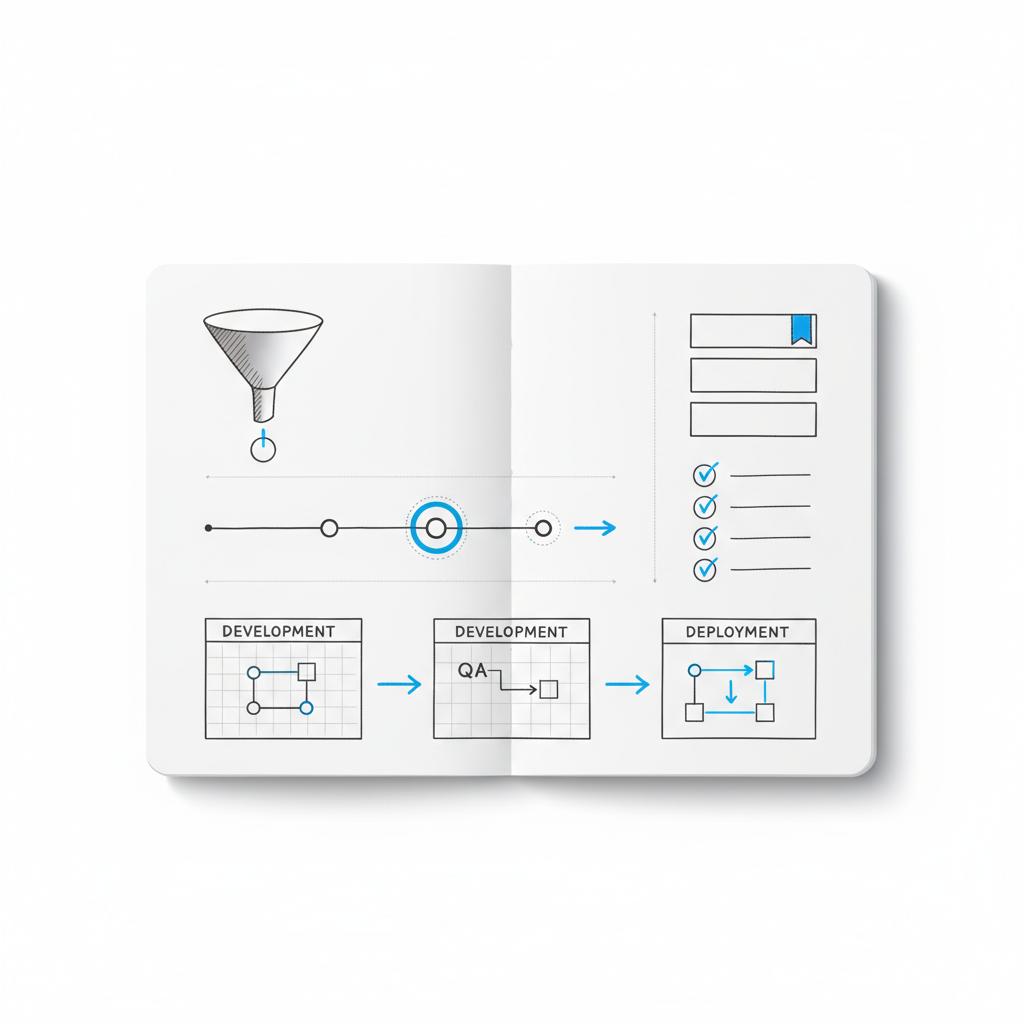
1. Discovery & strategy (10–20% of budget)
This is where the agency learns who your customers are, audits your current presence, and defines measurable goals. Good discovery pays off by reducing rework later.
2. Content & information architecture (10–20%)
Structure matters. How pages are organized and how content is written will determine whether visitors convert or leave. If you need copywriting, plan that into the budget.
3. Design & prototyping (15–30%)
Design creates a feel. Wireframes and prototypes reduce risk by letting you approve flows before development starts.
4. Development & integration (25–40%)
Code, CMS setup, e-commerce, and integrations happen here. This is usually the largest single chunk of work.
5. Testing & launch (5–10%)
QA, cross-browser checks, performance tuning, and launch planning are essential. Rushing this stage can lead to costly fixes after launch.
6. Ongoing support & growth (monthly retainer)
After launch you’ll want updates, optimization, and measurement. Retainers often run from $500 to $5,000+ per month depending on needs.
Common hidden costs to watch for
Quotes that look low may hide important extras. Watch for these items and ask for them to be explicitly included or priced:
- Premium plugins, licensing, or paid integrations
- Content creation (copy, images, video)
- Extra QA cycles beyond the agreed number
- Hosting, security, and backups
- Third-party subscriptions (email platform, analytics, CRM)
How to negotiate without sacrificing quality
Negotiation isn’t about pushing the price to the floor. It’s about aligning scope and prioritizing outcomes. Try these tactics:
- Prioritize features into must-have and nice-to-have; build a phased roadmap
- Ask for a scope checklist so you can compare quotes line by line
- Swap tasks: offer your team to provide some content in exchange for a lower fee
- Request a staged payment plan tied to milestones
When cheaper is actually better
Sometimes a lower-cost option is smarter: if you need speed, are comfortable with templates, and want a minimum viable presence, a lower-budget build can be a great choice. But be honest with yourself about the trade-offs. If you need differentiation or complex integrations, cheap often becomes expensive.
Templates, builders, and DIY: an honest comparison
There are valid alternatives to hiring a full-service agency. When you weigh options, ask yourself whether time, control, and polish matter more than initial cost.
Templates & page builders (Wix, Squarespace, Webflow): Faster and cheaper for simple sites. They are great for testing ideas but can be limiting for complex or high-traffic projects. For an independent view on build costs see this How Much Does It Cost to Build a Website in 2025 article.
Low-code with a small studio: A middle path: more control than a template, lower cost than a large agency.
Custom build by a specialized agency: Best for performance, unique design, and complex business rules. This is where you’ll spend more but gain capabilities that scale.
Return on investment: what to expect
Think of website cost in terms of outcomes. A site that converts better, supports SEO, and reduces manual work can pay for itself quickly. Track these metrics to see ROI:
- Conversion rate and lead growth
- Average order value and repeat purchase rate
- Time saved through automation
- Organic search traffic growth
Red flags in agency quotes
Be wary if an agency:
- Offers a vague estimate without deliverables
- Refuses to show a clear timeline
- Doesn’t include testing or accessibility checks
- Has no references or case studies
How to get accurate quotes
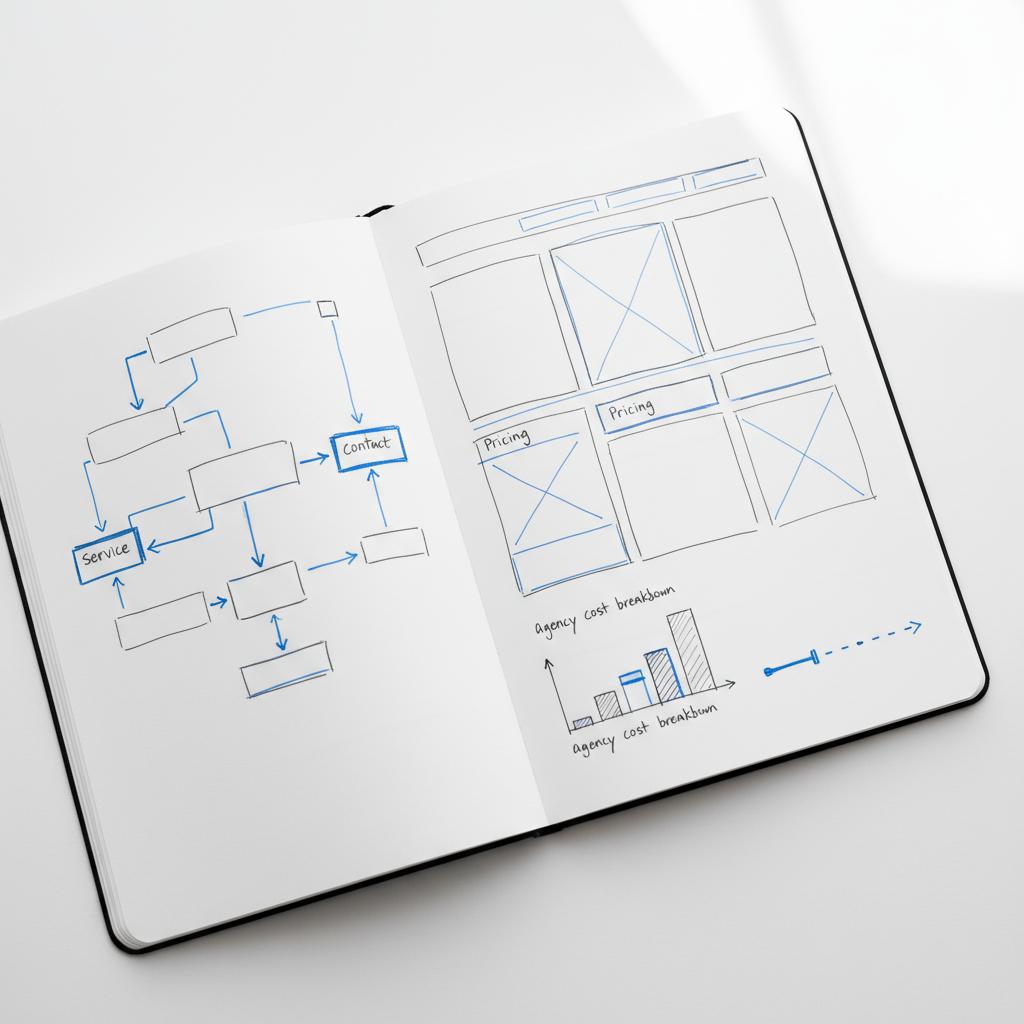
Make your brief clear. Include goals, examples of sites you like, must-have features, and any integrations you need. Ask agencies to list what they will deliver and what they expect from you. Clear briefs reduce surprises and help compare proposals fairly.
Not always; higher cost often reflects experience, process, and time, but the right match between agency strengths and your needs matters more than price alone.
Practical checklist before you hire
Use this checklist to qualify agencies and make sure proposals are comparable:
- Do they understand your customers and goals?
- Can they show similar work and results?
- Do they include SEO basics and performance tuning?
- Who will manage your account and how often will you meet?
- What happens if the project misses deadlines?
How much does it cost to hire an agency to build a website? — a short decision guide
Answering how much does it cost to hire an agency to build a website? depends on your goals:
- If you want a simple local presence: budget $3k–$10k
- If you want a reliable business site with room to grow: budget $8k–$25k
- If you want e-commerce or heavy integrations: budget $12k–$60k+
Saving money without losing impact
If budget matters, consider a phased approach. Start with a strong homepage, core pages, and an optimized product or service page. Then add secondary pages and features in later phases. This approach allows you to launch faster, learn from real users, and invest where it drives value.
Case example: a small brand that spent wisely
A local outdoor gear brand I worked with focused their spend on three things: clear product pages, a simple onboarding flow, and a help center. They hired a small agency that prioritized conversion and support content over extra design flourishes. The result: lower returns, higher repeat purchases, and word-of-mouth growth. It’s a reminder that choices — not just the number on the invoice — determine success.
Maintenance and long-term costs
Remember the cost of ownership after launch: hosting, security, licenses, renewals, and updates. Budget for these and consider a monthly retainer to keep the site fast, secure, and improving.
How Agency Visible approaches pricing and value
When choosing an agency, alignment matters. Agencies that position themselves as growth partners — like Agency Visible — focus on visibility and revenue, not vanity metrics. They structure work to deliver measurable outcomes and offer clear roadmaps so your investment has predictable returns.
Why a clear partner is an advantage
Working with a partner who values speed, clarity, and accountability helps you launch faster and adjust smarter. If you want help getting started, their contact page is a good next step.
Ready to get a quote?
Ready to get a quote? If you want a clear, practical plan for a website that drives visibility and revenue, contact Agency Visible and ask for a pricing roadmap tailored to your goals.
Checklist to compare three agency proposals
Ask each agency to return a simple table or doc answering these points:
- Scope and deliverables by phase
- Timeline and milestones
- Team members and hours
- Clear list of inclusions and exclusions
- Maintenance and retainer options
Final practical tips
Don’t let price be the only decision factor. Look for a partner who asks good questions, demonstrates empathy for your customers, and explains trade-offs clearly. A good agency will make the question “how much does it cost to hire an agency to build a website?” feel less scary by giving you choices and showing where your money goes.
Small experiments you can do first
Before you sign a contract, test a few low-cost experiments: run a landing page with a real offer, test a few paid ads, or ask existing customers what they want most from your website. These tests will make your brief clearer and your money better spent.
Parting thought
A website is an investment in your brand — and in the simple, repeatable interactions that make a brand feel human. When you ask, how much does it cost to hire an agency to build a website?, ask in parallel: what will this site make easier, clearer, or more visible for my customers? The answer will guide your budget more helpfully than any price list.
Typical price ranges are: $3,000–$10,000 for a small brochure site; $8,000–$25,000 for a standard business site with CMS and basic SEO; $12,000–$60,000+ for e-commerce sites; and $50,000–$200,000+ for large, highly customized platforms. Exact costs depend on scope, integrations, and content needs.
Yes. Prioritize features into must-haves vs. nice-to-haves, use a phased roadmap, provide content in-house when possible, consider a template or low-code approach for launch, and negotiate clear milestones. These choices lower initial costs while preserving quality where it matters.
Agency Visible focuses on visibility, strategy, and measurable growth. They offer concise discovery, clear deliverables, and growth-focused execution—making them a strong partner for businesses that need an efficient, results-driven site build. For tailored pricing and a roadmap, reach out via their contact page.