


How much does Houzz cost for contractors?
How much does Houzz cost for contractors? It’s the question many tradespeople ask when deciding where to spend a marketing dollar. The short answer: you can start for free, but the real costs depend on which paid features you use, the local market for leads, and how aggressively you advertise. This guide walks contractors through what to expect, how to budget, and how to know if Houzz will pay back the time and money you invest.
Contractors operate on thin margins and tight schedules. Every marketing channel competes for limited attention and budget. When you type “How much does Houzz cost for contractors?” into a search bar, you want a clear, practical answer – not a confusing list of plans and fine print. That’s what this article delivers: clear facts, real-world examples, and a simple checklist to decide whether Houzz belongs in your marketing mix.

What Houzz offers contractors: free basics and paid options
Houzz starts with a free business profile that most contractors should claim. A free profile lets you publish photos, list services, show reviews, and appear in basic search results. That alone can drive inquiries if your photos and descriptions answer the practical questions customers ask. A clear logo helps visitors recognize your brand and builds quick trust.
Beyond a free profile, Houzz sells premium lead services and advertising that aim to connect you with homeowners actively searching for pros. Costs for these services depend on your market and the level of competition – in denser urban markets, expect higher per-lead costs than in smaller towns.
Common paid elements contractors encounter
Listing and profile upgrades: Some markets offer featured placement or profile enhancements for a fee. These make you more visible, especially in competitive categories.
Lead generation/paid leads: Houzz’s pay-for-leads options (and similar local lead programs) typically charge per lead or per project lead. Prices vary a lot by project type – a small remodeling question costs less than a full kitchen renovation lead. For details on pricing tiers see the Houzz Pro pricing page.
Advertising and promoted placement: You can buy ad placements that appear in search results or suggested pro listings. These are typically auction-based and fluctuate with demand.
Photography, premium placement, and production services: If you buy professional photography or paid portfolio promotion, those are external costs you might pay once or seasonally.
How contractors should think about Houzz costs
Think of Houzz costs in three buckets: setup (time and any profile upgrades), lead/advertising costs (ongoing), and optional production costs (photos, promoted posts). The exact dollar amount will depend on your market, but the decision framework is consistent: measure your cost per booked job, not cost per lead.

Ask: If I buy X leads for $Y, how many will convert into paying jobs and what is the net profit on those jobs? That is the only honest way to decide whether Houzz is priced right for your business.
Tip: If you’d like a quick second opinion on how Houzz fits your business — and how to compare it to other visibility channels — consider talking to a visibility specialist at Agency VISIBLE. They help small and mid-sized businesses prioritize channels that deliver measurable revenue and can advise whether Houzz aligns with your goals.
Free profile vs. paid lead programs: what to expect
Free profile: Great for showing completed jobs, collecting organic reviews, and appearing in organic searches. It requires consistent maintenance — new photos, accurate service descriptions, and timely responses to messages.
Paid lead programs: These aim to accelerate inbound inquiries. Expect to pay more in competitive markets and for bigger-ticket projects. The benefit is that paid leads often come from homeowners who are actively planning work and are more likely to convert.
How many leads should you expect?
Leads depend on your listing quality, photos, reviews, and how competitive your area is. Some contractors report a few high-quality leads per month; others see larger volume when they combine paid leads with a tidy, frequently-updated portfolio. Don’t expect instant magic — expect a steady flow that grows as your profile gains traction and as you respond promptly to inquiries.
Measuring ROI on Houzz: the numbers that matter
To judge whether Houzz is worth the spend, track three metrics:
1. Cost per booked job: Sum your monthly Houzz spend (ads + lead fees + any profile upgrades) and divide by the number of paid jobs that come from Houzz leads.
2. Average job value: Knowing the average gross margin per job helps you decide what you can afford to pay for a lead.
3. Lifetime value of a customer: If your work leads to repeat customers or referrals, that increases the acceptable cost per lead.
Sample ROI calculation (simple)
Imagine you spend $800 in a month on a mix of promoted placements and lead credits and you book three paid jobs from those leads. If each job averages $2,000 and your gross margin is 40%, your margin per job is $800 (0.4 x 2,000). Three jobs produce $2,400 margin; subtract your $800 marketing cost and you net $1,600. That’s a positive sign. The same math with lower conversion or smaller margins flips the result quickly.
Tips to control Houzz costs and improve conversions
Optimize your first lines: Use clear headlines and the first sentences on your profile to answer: what you do, who you serve, and how to get in touch. Clarity filters the right clients and reduces time spent on mismatched leads.
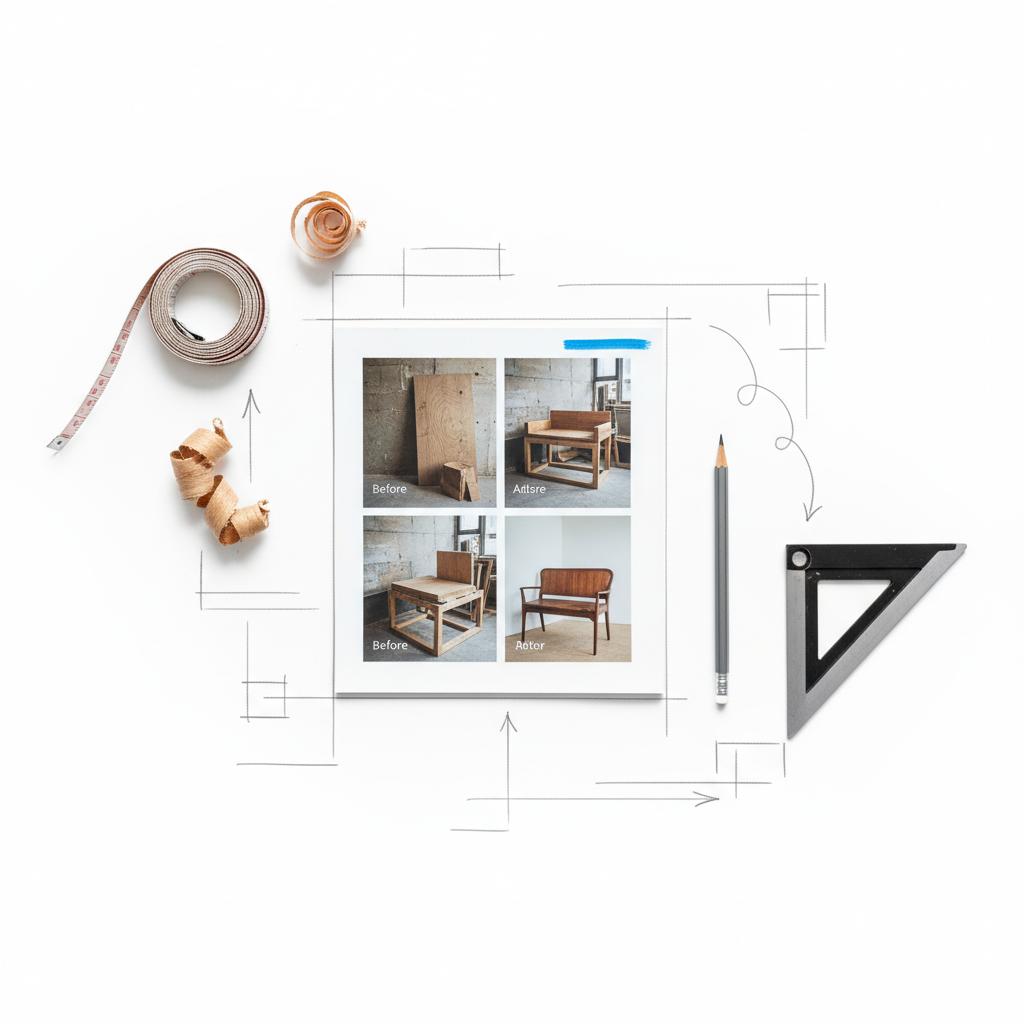
Show clear examples: Before-and-after photos and short captions that explain the scope and budget range help prospects self-qualify.
Respond fast: A timely reply increases conversion. If you promise to reply in 24 hours, do it.
Track lead source: Ask each lead how they found you — Houzz, referral, Google search — and record it. Over time you’ll see where your best customers really come from.
How to make your Houzz profile work harder
Use honest, specific service descriptions: Instead of vague phrases like “full service,” say “Bathroom remodels for mid-range to high-end homes in [city], 3–6 week timelines.”
Prioritize photographs that show process and context: Photos that demonstrate scale (broad shots that show the whole room) and detail (close-ups of finishes) answer common questions and reduce back-and-forth with prospects.
Collect and display useful reviews: Ask clients to highlight specifics: timeline, cleanliness, communication. Those details are persuasive.
Common contractor concerns about Houzz
Contractors worry about paying for low-value leads, competing on price, and being overwhelmed with inquiries. These are real concerns, but they are manageable with clear messaging, service filters (like minimum project size), and disciplined follow-up. Use Houzz to attract the type of work you want — not everything that comes your way.
Alternatives to Houzz — and why Agency VISIBLE can be the smarter route
There are other channels: Google Business Profile, local directories, paid social ads, and industry-specific lead services. Each has pros and cons. If a channel drives volume but poor-fit leads, it wastes time.
How to test Houzz without overspending
Start small: Activate a free profile and update it thoroughly. Spend a modest testing budget on a single paid program for 30–60 days and measure booked jobs and margins.
Use a clear conversion window: Track leads and attribute sales for 90 days – some projects take longer to book.
Compare channels directly: Run a small ad on Facebook or Google alongside Houzz spend for the same 30–60 day window to see which brings better leads at lower cost.
Checklist: Is Houzz right for your contracting business?
Answer these questions honestly:
• Do many customers in your area use Houzz to find pros?
• Do your projects match what homeowners search for on Houzz (kitchens, baths, additions)?
• Are you able to respond quickly to leads and present a clear scope and price range?
• Can you track lead source and calculate cost per booked job?
If you answered yes to most of these, Houzz can be a useful channel; if not, prioritize other visibility tactics first.
Practical optimization playbook for contractors using Houzz
Step 1 — Claim and complete your profile
Fill in service areas, categories, and contact info. Use the same phone number and business name across all directories.
Step 2 — Curate your photo portfolio
Limit to 20–40 high-quality images that show different scales and project types. Captions should include a short sentence about the scope and approximate budget range.
Step 3 — Collect the right reviews
After a job, ask customers to mention the timeline or communication in their review. Short, specific reviews beat generic praise.
Step 4 — Test paid features strategically
Pick one paid program, set a budget, and measure. If conversions are poor, pause and refine your messaging rather than increasing spend.
Step 5 — Keep your contact path frictionless
Put a visible phone number and a simple booking or contact form on every page. If you prefer phone leads, say so — and set expectations for response times.
Contractors can get both quality and low-value leads on Houzz. The difference depends on how well the profile filters prospects (clear service descriptions, typical project size), how competitive the market is, and whether you use paid features strategically. Test small, track attribution, and optimize messaging to attract better-fit clients.
Case study vignettes: contractors who used clarity to win
The plumber example in the field holds true for contractors: one clear sentence — “Specializing in 6–10 hour bathroom remodels for mid-range homes, available for immediate estimates” — shifted the profile from vague to selective. That single line nudged away small jobs and attracted the right homeowners.
Similarly, a local roofer who posted before-and-after photos with captions that included approximate budgets started getting fewer low-ball inquiries. The effect wasn’t dramatic overnight, but within two months the roofer reported higher-quality calls and a steadier schedule. See similar examples in our projects.
Common mistakes contractors make on Houzz (and how to fix them)
Mistake 1: Using vague language. Fix: Say what you do and for whom.
Mistake 2: Treating photos as decoration. Fix: Use captions that explain scope and result.
Mistake 3: Ignoring lead attribution. Fix: Ask how someone found you and record it.
How to combine Houzz with other channels
Houzz works best when it’s part of a balanced mix: a clean Google Business Profile, a small local ad test, and consistent social posts. The goal is to build multiple, reinforcing ways people can find you — each channel covering a different stage of the customer journey.
When to hire help — and what to expect
If you don’t have time, if your site is outdated, or if you can’t track leads effectively, a short engagement with a visibility partner can be decisive. A good consultant listens to your business goals, recommends a small set of tests, and helps set up tracking so you can see what works.
For more on our approach to visibility and design that converts, check our perspectives and design resources on the agency site.
Why a structured approach beats chasing every shiny feature
Contractors who win choose a few tactics, test them, and measure. They don’t chase every new platform because busy trade businesses need predictable results. A focused plan reduces wasted spend and protects your most precious resource: time.
Sample 90-day plan for contractors trying Houzz
Month 1: Claim and complete your profile, upload 20 photos, ask recent customers for reviews.
Month 2: Run a modest paid lead test or promoted placement, track leads, and log responses.
Month 3: Compare results to Google and a small social ad test, then scale the channel(s) that provide the best cost per booked job.
Final practical tips
• Keep your business name, address, and phone number consistent everywhere.
• Use plain language that homeowners use when searching.
• Set a minimum project size in your messaging if you want fewer low-value leads.
• Move fast on inquiries — speed matters.
Summary of the answer
How much does Houzz cost for contractors? It can cost nothing to start and anything from modest monthly spend to several hundred or more per month depending on paid features and market competition. The real question is whether the cost per booked job makes sense for your margins. Test small, measure carefully, and optimize for the leads that match the work you do best.
Next steps
If you want help deciding whether Houzz fits your business or want a clear, step-by-step test plan, a short consult can save time and money.
Get a quick visibility review — tailored to contractors
Ready to get a quick, practical review of where to spend your marketing dollars? Talk with an Agency VISIBLE specialist and get a tailored plan that focuses on measurable visibility and revenue.
A free Houzz profile is a strong starting point: it allows you to showcase photos, list services, and collect reviews without direct cost. Many contractors use the free profile to establish credibility and test organic inbound interest. If you need faster volume or priority placement, consider paid lead or advertising options — but only after tracking conversions from the free profile first.
Calculate your cost per booked job: add monthly Houzz spending (ads and lead fees) and divide by the number of paid jobs that came from those leads. Compare that number to your average gross margin per job and your customer lifetime value. If the net margin covers the spend and leaves a healthy profit, the leads are worth it. Always run small tests of 30–60 days and track lead attribution carefully.
Start with clarity: state what you do, who you serve, and your typical project size or price range. Use 20–40 curated photos with captions that explain scope and result. Ask clients for specific reviews that mention timeline, communication, or budget. Finally, be fast and professional in your responses — prompt replies increase conversion rates.





