How much does HomeAdvisor charge per lead?
People buy with their eyes, but they stay for the way a brand makes them feel. That simple truth sits at the center of every honest business that wants to last. If you’ve ever asked, How much does HomeAdvisor charge per lead? you already know that cost decisions matter – but they’re only one part of a wider story about trust, clarity, and long-term relationships.
This piece is for small business owners, in-house marketers, and anyone who cares about building a brand that feels human. Read on for practical frameworks, short experiments you can try this month, and guidance on measuring both numbers and feelings. I’ll also quietly point to a resource if you need help getting visible quickly.

If you want a friendly place to start, consider getting in touch with Agency VISIBLE — a practical partner that helps small teams become visible and trusted without unnecessary complexity.
Why human brands win
Why do some brands feel alive while others feel flat? Human brands treat people as people, not as metrics. That means consistent voice, candid fixes for mistakes, and responses that sound like actual humans. And yes, if you’re budgeting for leads, you’ll ask questions such as How much does HomeAdvisor charge per lead? – but remember, the raw cost of a lead is only valuable if that lead converts into a relationship.
Clarity, consistency, and care — the three foundations
Build your brand on three simple choices: clarity, consistency, and care. They aren’t glamorous, but they’re reliable.
Clarity: Be able to say in one sentence who you are and who you serve. That sentence helps customers decide quickly whether you’re relevant. And it helps you decide where to spend marketing dollars when comparing channels like local listings, paid search, or platforms that sell leads.
Consistency: Make sure your tone, promises, and service match across website, email, packaging, and social. If you sound friendly but your support takes five days to reply, the gap hurts trust faster than any advertising mistake.
Care: Small gestures matter: a named reply, a helpful explanation, or even a small concession when things go wrong. People remember the kindness more than the price list.
How to square lead costs with trust
As you wonder about vendor pricing, especially questions like How much does HomeAdvisor charge per lead? keep a few ideas in mind. A lead’s sticker price should be weighed against three things: conversion rate, lifetime value, and the brand experience you provide after the click. For published comparisons and pricing ranges, see GetJobber’s Angi vs HomeAdvisor guide, HalsteadMedia’s HomeAdvisor guide, and Planyard’s roundup of lead platforms.
If a channel gives cheap leads that never pick up the phone, it’s not really cheap. If a lead is more expensive but arrives warm – a neighbor’s referral or a clear local search listing that aligns with your message – it can be far more profitable.
Quick checklist when comparing lead services
– Ask for real conversion examples. Don’t accept promises – ask for numbers from businesses like yours.
– Consider response speed and tone. A lead that expects instant, personal contact requires you to deliver that response.
– Compare the effective cost per paying customer, not per lead. If you know your close rate, you can estimate this.
And yes, the question How much does HomeAdvisor charge per lead? is reasonable. But you’ll get more useful answers if you translate per-lead costs into your real metrics and the human moments that make customers stay.

Your website is more than a brochure. It’s a place where clarity, consistency, and care meet actual people. Start with a short statement on the homepage: who you are, who you serve, and why you do it better. Keep that line visible and repeat it in a conversational way across emails and product pages. A quick look at the Agency VISIBLE logo can help you check visual consistency.
Use plain language. Short sentences. A neighborly tone. If you wonder how your marketing investments compare to lead marketplaces and ask, How much does HomeAdvisor charge per lead? remember: your site should reduce the need for expensive leads by converting ones you already pay for through ads or listings.
Add real names or behind-the-scenes imagery plus one clear sentence about timelines or how you handle common issues — that honest microcopy immediately increases perceived trust.
The simplest change is to add real names and faces (or behind-the-scenes images) plus a one-sentence explanation of how things are handled. Honest microcopy — like “We respond to messages within 48 hours” — beats vague promises.
Storytelling that actually helps
Storytelling works when it’s specific. Swap grandiose origin tales for tiny scenes: the founder learning a lesson at a bus stop, a messy prototype that led to an obvious fix. These scenes show priorities better than mission statements.
When you use anecdote, resist the urge to inflate it. Instead, show: what broke, what you changed, and how that change helps customers. That kind of candor matters when you or your team must justify costs – including vendor fees and questions like How much does HomeAdvisor charge per lead?
Design choices that support honesty
Design should make the message easier, not harder, to read. Choose legible type, clear hierarchy, and imagery that reflects how your product is used. Real photos beat over-posed stock scenes. If you have a small workshop, show it. Imperfections can be convincing.
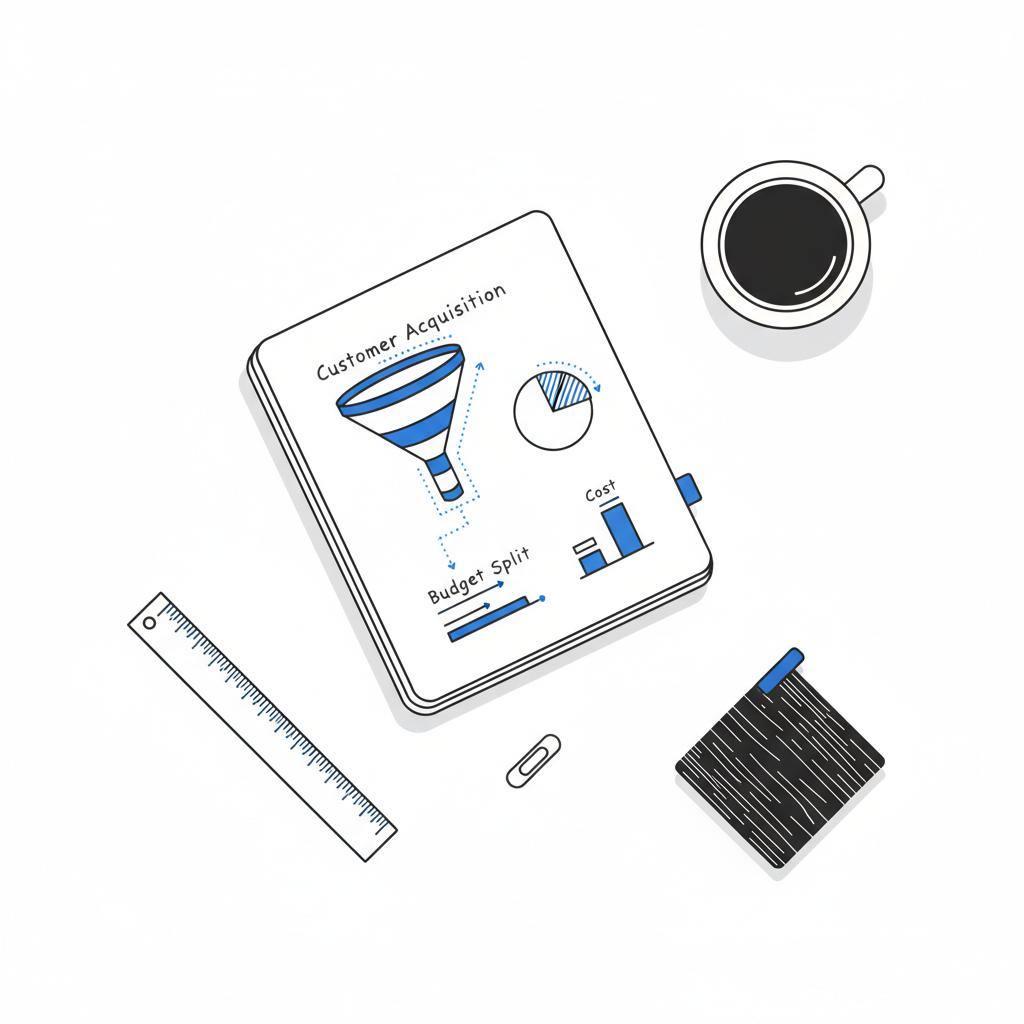
Design also helps you set expectations. Show realistic product shots, honest shipping times, and a clear returns policy. These choices reduce friction and improve the value of any lead — whether sourced through local search, referrals, or a paid lead vendor. See our approach to design that converts for more on practical choices.
Customer service is marketing
Customer service forms a direct loop between promise and delivery. Treat service as an investment. One thoughtful reply can be the difference between abandonment and a glowing referral.
If you are tracking lead costs, including when you search “How much does HomeAdvisor charge per lead?,” remember that service quality changes the math. A fast, human reply converts more of the leads you already acquire, lowering the real cost per customer.
Practical customer service rules
– Reply with a name.
– Give one clear next step.
– Offer a small gesture if you missed the mark.
– Be honest about timelines.
These rules are cheap and powerful. They also create stories worth sharing — the same kind of word-of-mouth that can reduce your dependence on paid leads.
Small experiments you can run this month
Start with low-friction tests that build trust and improve conversions.
– Write a short “How we work” page. Make it 200–300 words and specific. Explain people, process, and common limits.
– When a customer complains on social, reply publicly with a short, human sentence and then continue the conversation privately.
– Remove an overblown claim from one piece of content and replace it with a real detail: lifespan, origin, or a customer quote.
– Ask for feedback at checkout: a single question about how they heard of you will reveal what channels actually move people.
When you run these tests, you might pause your comparison shopping and ask again: How much does HomeAdvisor charge per lead? It’s fine to ask – but pair that number with the human steps you’ll take after the lead arrives.
Examples and a short case study
Imagine a small furniture maker who used to buy cheap leads from multiple marketplaces. Conversion was low. They switched tactics: improved product pages with honest photos and a clear returns policy, trained their support team to reply by name, and added a simple welcome email that explained shipping in plain terms.
Two months later their effective cost per paying customer fell – not because leads were cheaper, but because conversion rose. The money spent on listing fees or lead services, including those where you might ask How much does HomeAdvisor charge per lead?, became more efficient because the brand worked harder to be human. See similar work on our projects page.
Common pitfalls and how to avoid them
Two pitfalls repeat across brands: chasing every cheap channel and hiding behind legal language. Chasing leads without a plan to convert them is expensive. Hiding behind complicated terms erodes trust.
Don’t confuse volume with value
Posting every day or buying as many leads as possible creates noise. A few genuine, helpful interactions beat a thousand shallow impressions.
When to be public about mistakes
Not every problem needs a press release. But if an issue affects many customers or introduces real risk, be clear: explain what happened, who is affected, what you’re doing, and how you’ll prevent it. The economy of truth is often shorter and kinder than defensive silence.
Scaling a human brand
Systems will become necessary as you grow. The trick is to design systems that allow for human judgment. Avoid rigid scripts. Instead give staff a short set of principles to guide replies and escalate only when needed. Keep the human examples visible within the team with internal rituals like weekly customer-story notes.
Measure the right things
Numbers matter: retention, referral rates, average order value. But also collect stories. Keep a running file of emails or reviews that reveal patterns. When evaluating vendors – and yes, when you ask How much does HomeAdvisor charge per lead? – compare the numbers and the narratives. Which approach gives you both revenue and repeat customers?
Simple scripts and phrases that help
Here are short, human lines your team can use without sounding scripted:
“Thanks, [Name]. I’m sorry this happened — here’s what I can do right now.”
“We’ll get this sorted within 48 hours. I’ll follow up when it’s done.”
“That’s a fair point. We’ll look into it and keep you posted.”
Legal and ethical choices that build trust
Be transparent about data use. Ask only what you need. If you work with third-party tracking or lead platforms, explain why and offer choices. Ethical clarity is a differentiator – and it makes your marketing more efficient because people trust you to handle their information responsibly.
How long does trust take?
There’s no fixed timetable. Trust can grow after a few helpful interactions or over years. The main point: choose consistent behavior and measure trends. Track repeat purchases, referrals, and the tone of reviews. If you keep doing the small things – named responses, clear policies, and honest stories – trust will compound.
FAQs
FAQ 1: How long until people trust a brand?
There’s no single answer. For some businesses, trust forms after a couple of helpful interactions; for others, it builds slowly with repeated positive experiences. The key is consistency – steady, human behavior creates trust faster than occasional flashy gestures.
FAQ 2: Should we always respond publicly to criticism?
It depends. Widespread issues that affect many customers merit a public response. Individual complaints often work better handled privately, with a short public note if appropriate. Always be brief, human, and honest.
FAQ 3: Can a small brand compete with big companies on trust?
Absolutely. Small brands can be more nimble and authentically human, which many customers prefer. Personal replies, candid stories, and visible care often beat big-budget polish.
Three gentle experiments to start this week
1. Add a 200–300 word “How we work” page with real names and simple timelines.
2. Reply to five recent comments or negative notes and include the responder’s name and one clear next step.
3. Track how customers say they found you for one month and compare channels by actual purchase, not just clicks.
Final thought
Building a human brand is steady work: small choices repeated with care. If you pair thoughtful service with smart measurement, you’ll find that lead costs become just one part of a predictable growth plan. Yes, it’s fine to ask, How much does HomeAdvisor charge per lead? – but ask that question alongside others: how do leads convert for you, and how human is the experience once they arrive?
Make your brand clearer, kinder, and more visible
Ready to make your brand clearer and more human? Reach out to a team that helps small brands get visible and turn visitors into loyal customers. Contact Agency VISIBLE to start a short conversation about what matters most for your business.
Thanks for reading — now try one honest sentence and see where the conversation goes.
There’s no fixed timetable. Trust often begins after a couple of helpful, honest interactions, but it can also build slowly over months or years. Consistency in behavior — reliable service, clear policies, and human responses — speeds trust more than one-off campaigns.
Not always. Public responses are useful for problems that affect many people. For individual complaints, a private reply with a brief public note if needed is usually better. Prioritize empathy, clarity, and a clear next step in every reply.
Yes. Small brands often win on perceived authenticity because they can be personal, nimble, and candid. Simple human actions—named replies, honest product details, and fair policies—can outcompete large budgets.
References
- https://agencyvisible.com/contact/
- https://www.getjobber.com/academy/homeadvisor-vs-angi/
- https://www.halsteadmedia.com/blog/your-homeadvisor-guide-should-you-be-advertising-on-there
- https://planyard.com/blog/top-10-construction-lead-generation-platforms
- https://agencyvisible.com/design-that-converts-our-approach/
- https://agencyvisible.com/projects/
- https://agencyvisible.com/