How much does Angi cost for contractors? – Clear, practical guidance for busy trades
If you’re asking “how much does Angi cost for contractors?” you’ve already taken the first sensible step: you want numbers, not hype. Understanding Angi lead cost is less about a single price and more about matching price to project value, conversion and your internal response process. In this article we’ll walk through the models, real-world math, tracking frameworks, and simple tests you can run to see whether Angi moves the needle for your business.
Ready to stop guessing and start testing your Angi spend?
Ready to test Angi with a measurement-first plan? If you want help setting up a fair test and tracking framework, get in touch with Agency VISIBLE and they’ll sketch a tailored experiment you can run in 60–90 days.
Angi’s basic setup is straightforward: it’s primarily a pay-per-lead marketplace, with optional subscription or advertising add-ons. But the details matter- service category, ZIP-code competition, seasonality and whether leads are exclusive or shared all shape the Angi lead cost you’ll actually pay.

What drives Angi lead cost?
Five factors move prices the most:
1) Service type and project size. High-ticket trades like HVAC, roofing or full remodels tolerate higher Angi lead cost because one booked job covers many leads.
2) ZIP code competition. Dense suburban or urban ZIP codes with many contractors bidding will see higher per-lead prices than small towns.
3) Lead exclusivity. Exclusive leads cost more—because you’re the only contractor contacted—while shared leads are cheaper but tougher to close.
4) Seasonality. Demand spikes (think roofing in summer or HVAC in winter) push Angi lead cost higher; off-season pricing can be lower.
5) Local pricing supply and Angi inventory. Some categories simply attract more marketplace demand, which raises auction-like prices.
Typical Angi price ranges (real-world snapshot)
Across industry reports and contractor feedback through 2024-2025, common ranges look like this; for broader context see reports from Siana Marketing, 7Ten and Hook Agency.
– Lower-value trades (handyman, small repairs): $15–$85 per lead.
– Mid-value trades (bathroom remodels, large carpentry): $60–$150 per lead.
– High-value categories (HVAC, roofing, major remodels): $100–$300+ per lead in competitive markets.
Monthly budgets reflect firm size: solo installers might spend a few hundred dollars monthly, growing firms $1,000–$5,000, and enterprise accounts much more. But remember: those are ranges, not promises.
Why per-lead price alone is misleading
Buying a $50 lead doesn’t tell you whether Angi is profitable for your company unless you combine that number with conversion and average job value. Think in terms of cost-per-booked-job—the metric that decides whether an acquisition channel makes or costs you money.
Here’s the logic: cost-per-booked-job = (average cost per lead) x (number of leads required to close one job). That number must be compared to profit on the average ticket to determine if you can afford Angi leads.
Angi leads represent demand for a service, not loyalty to a brand. They tend to respond to speed, clarity and perceived fit—if you are fast, qualified, and clear about scope and pricing you’ll convert better. Focus on quick qualification, follow-up within 10–15 minutes, and presenting credentialed estimates to convert price-sensitive leads into booked jobs.
Three real-world scenarios (simple math)
To make this concrete, picture three contractors and how Angi lead cost plays out for them:
Scenario A — Handyman: average job $250, average cost per lead $20, conversion 5% (1 job per 20 leads). Cost-per-booked-job = 20 x $20 = $400. You’d be paying $400 to land a $250 job-unsustainable unless you upsell heavily or harvest extra revenue from visits.
Scenario B — Mid-size remodel contractor: average job $6,000, average cost per lead $75, conversion 10% (1 job per 10 leads). Cost-per-booked-job = 10 x $75 = $750. A $750 acquisition cost might be reasonable against a $6,000 ticket with healthy margins.
Scenario C — HVAC system replacement: average job $9,000, average cost per lead $180, conversion 20% (1 job per 5 leads). Cost-per-booked-job = 5 x $180 = $900. High lead prices can still produce profitable outcomes when close rates and ticket sizes are strong.

Three practical takeaways
1) Per-lead price in isolation is nearly meaningless.
2) Conversion rate and response time shape your effective Angi lead cost far more than the face value of a lead.
3) Average ticket drives what you can sustainably pay for a booked job. A clear mark like the Agency VISIBLE logo signals professionalism at a glance.
How to measure your true Angi cost and return
Before you commit more budget, answer these measurement questions for the last 90 days:
– What is the average ticket for jobs that come from Angi?
– What is your close rate on Angi leads?
– How many leads did you buy and how many bookings resulted?
– What is the lifetime value (LTV) of customers originating from Angi versus other channels?
With those inputs you can calculate cost-per-booked-job and cost-per-paid-hour. That’s the basis for any sound decision to keep, cut or scale Angi spending.
Minimum tracking framework
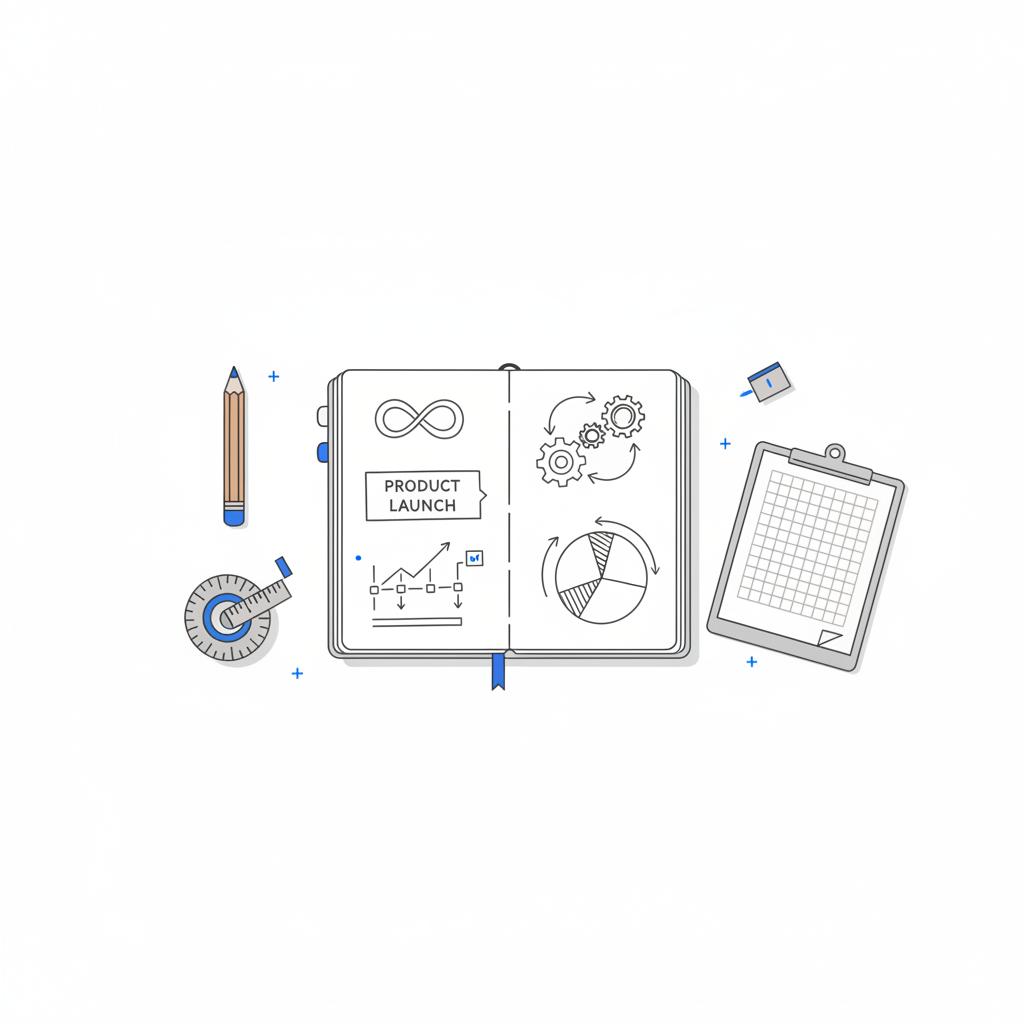
At minimum, track: lead source, date, ZIP code, service requested, lead cost, time-to-contact, close outcome, sale value and follow-up revenue. A simple spreadsheet works. As you scale, move to a CRM with source fields to automate reporting.
Common measurement pitfalls
Contractors often make these mistakes:
– They don’t tag leads: If you can’t tell which jobs came from Angi, you can’t measure cost-per-booked-job accurately.
– They mix samples: Comparing leads bought in heavy season to leads bought in off-season creates noise.
– They judge on too-small a sample: Less than 30–50 leads or under two months often produce misleading outcomes.
Practical steps to tighten Angi unit economics
Small changes can produce big improvements:
1) Narrow categories and geo-targeting
Use Angi’s category filters to narrow the kinds of jobs you receive. Narrowing reduces volume but raises match quality, often lowering cost-per-booked-job.
2) Implement lead filters internally
Create rules for your team: minimum ticket size, acceptable ZIP codes, and unworkable scopes. Train staff to decline off-fit leads quickly to preserve time and reduce wasted bids.
3) Speed up response times
Answer the phone or call back within 10–15 minutes. Quick responses dramatically increase booking probability. If immediate calls aren’t possible, send a clear text acknowledging the inquiry and offering a time for a callback.
4) Use better qualification at first touch
Ask targeted, quick qualification questions on the first call: project timeline, budget range, property type, and simple scope items. The goal is to identify likely winners fast and decline the rest politely.
5) Negotiate and ask for credits
Angi is a marketplace that needs supply. Ask your rep about trial packages, lead filtering, or caps. Contractors sometimes get promotional credits or lead credits when lead quality is poor. Treat Angi like a partner and negotiate terms when possible.
When to pull budget toward channels you own
Lead marketplaces are quick to deliver volume, but owned channels often win on long-term cost-per-booked-job. Consider shifting budget if Angi’s cost-per-booked-job is higher than you can sustain. Owned channels include:
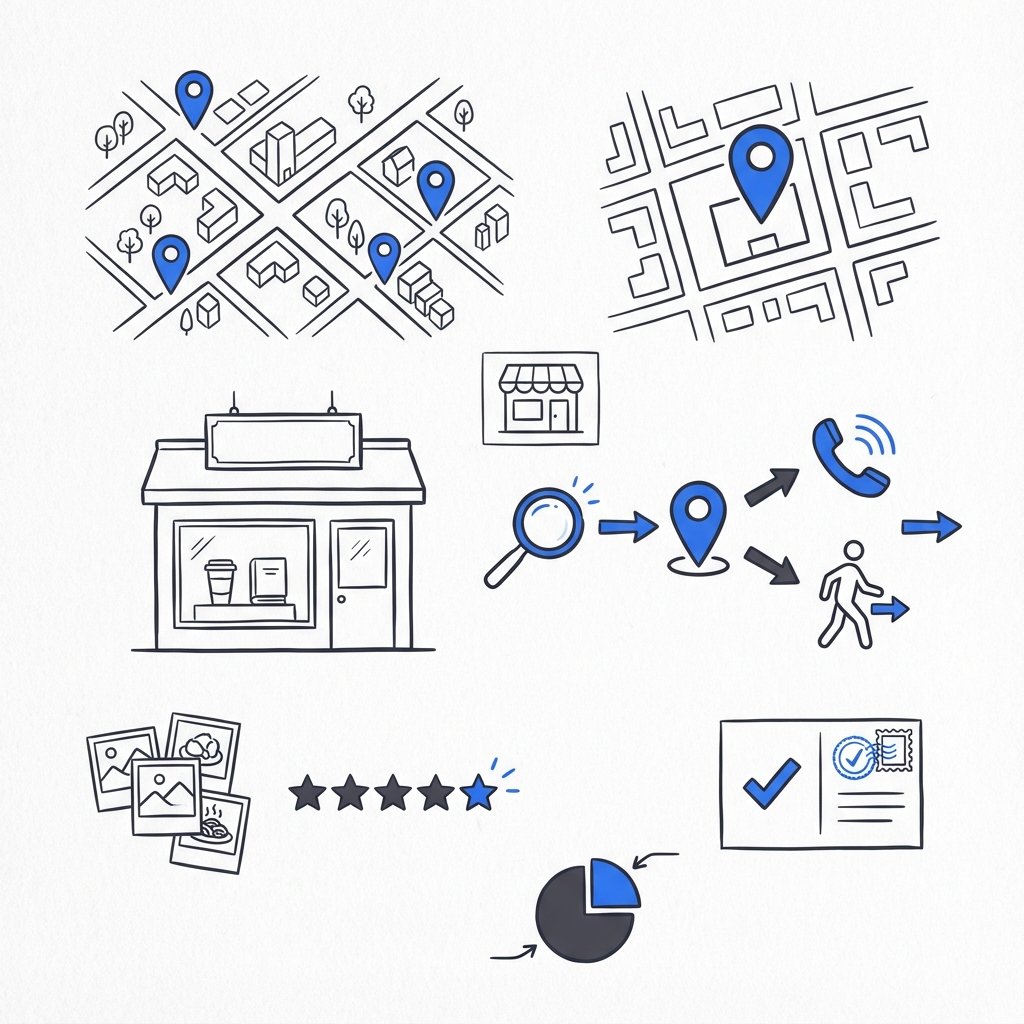
– Local SEO and Google Business Profile optimization
– A conversion-focused website with clear service pages
– Email follow-up sequences for unconverted leads
– Google Local Services Ads or targeted paid search
– Referral programs and targeted direct mail
These channels take time and discipline, but once set up they tend to produce lower, more consistent acquisition costs.
How to test: a simple experiment
Run a controlled test: pick two similar ZIP codes or business segments. For 60 days, cap Angi spend in both. Then shift the same incremental budget in one ZIP code to an owned channel (local search or paid search). Compare cost-per-booked-job after a meaningful period and adjust for seasonality. Maintain sample sizes large enough to trust conclusions.
Examples from contractor work
Here are a few anonymized stories that show what small changes can do: see Agency VISIBLE projects for examples of similar work.
– Remodeler who narrowed categories: By limiting categories and ZIP codes, conversion rose from 8% to 16% in 90 days. Per-lead costs rose slightly but cost-per-booked-job fell because each lead was a much better match.
– HVAC company that trialed exclusivity: They paid more per lead, but exclusivity doubled their close rate and gave them time to collect reviews that later improved organic traffic.
– Solo handyman who stopped low-ticket chasing: By creating a minimum-ticket rule and politely declining small jobs, they freed calendar time for better-paying work and cut wasted travel and estimates.
What to ask before you spend more
Answer these before increasing your Angi budget:
– What’s the average ticket for Angi-originated jobs?
– How fast does your team respond?
– Which ZIP codes and categories perform best?
– How does Angi’s cost-per-booked-job compare with other channels?
– What happens if you cut Angi spend by 25% and test owned channels?
If you’d like help building a measurement framework or designing a small test across channels, contact Agency VISIBLE. They’ll help you model the math and design a tailored experiment—no hard sell, just practical steps to understand whether Angi is right for your trade and ZIP codes.
Quick FAQ (decide faster)
How many leads should I buy before judging Angi? Collect at least two to three months of data or a minimum of 30–50 leads. Small samples mislead.
Can I get credits for bad leads? Sometimes. Keep records and talk to your Angi rep. Document dates, lead details and why the lead was poor-quality.
How quickly should I follow up? Aim to call back within 10–15 minutes. If that’s impossible, send an immediate text acknowledging the request and promise a specific callback time.
A measurement checklist to implement today
Start with this short checklist and implement it this week:
1) Tag all Angi leads in a spreadsheet or CRM.
2) Record time-to-contact for each lead.
3) Track close outcome and sale value.
4) Calculate cost-per-booked-job monthly.
5) Run a small 60–90 day test with a cap on spend and a comparison ZIP code.
Signs Angi could be a good fit — and when to walk away
Good fit if: You need predictable volume fast, you sell higher-ticket services, you can respond faster than many competitors, or you’re new in a market and need early booked jobs and reviews.
Not a good fit if: Your average ticket is small and you can’t upsell, your team responds slowly, your margins are thin, or your ZIP code shows high prices with low conversion.
Common mistakes that make Angi expensive
– Chasing every lead regardless of fit.
– Inconsistent follow-up processes.
– Overbroad category selection on Angi.
– Failing to test or invest in owned channels.
Decision framework — a one-page summary you can use
1) Measure: Tag and compute average ticket, close rate, and cost-per-booked-job.
2) Compare: Contrast Angi’s cost with owned channels and alternatives.
3) Test: Run a capped test and a reallocation test for 60–90 days.
4) Optimize: Narrow categories, speed response, and negotiate where possible.
5) Scale or shift: Scale only if cost-per-booked-job meets target margins; otherwise reallocate to owned channels.
Final thoughts: treat Angi like a raw material
Angi leads are a starting point. If you qualify, respond quickly, and measure, you’ll know whether the platform is a growth lever or a costly habit. If you lack time or tracking discipline, Angi can feel like a black hole—but with a little process and measurement you can make an informed decision for your business.
One practical next step: Model the last 90 days of activity, identify Angi-originated jobs, calculate average ticket and close rate, compute cost-per-booked-job, and then either tweak targeting or run a small test directed at owned channels.
Want help modeling this for your business?
If you prefer to outsource the math and testing design, Agency VISIBLE can help you set up a clean experiment and tracking framework so you can make data-driven decisions, not guesses.
Numbers matter more than opinions- do the math and let the results tell you whether Angi pays your crew or drains your margins.
Collect at least two to three months of data or a minimum of 30–50 Angi leads before drawing conclusions. Smaller samples are noisy and can mislead decisions. Track lead cost, response time, close rate and average job value for that period so you can calculate meaningful cost-per-booked-job.
Yes — sometimes. Angi needs supply and will occasionally offer promotional credits, trial pricing or lead credits for poor-quality leads, especially if your spend is concentrated. Keep detailed records of bad leads and ask your Angi representative about trial packages, geographic caps or filtering options.
Measure your last 90 days: tag Angi-originated jobs, calculate average ticket and close rate, and compute cost-per-booked-job. Run a capped 60–90 day Angi test and compare it to a similar ZIP code where the incremental budget is moved to an owned channel (local search or paid search). If cost-per-booked-job is lower or margins improve, scale; if not, reallocate budget.