Choosing the right agency can feel like picking a co‑pilot – and one of the first practical questions owners ask is about the real, bottom-line cost. Among those questions, orm cost often sits near the top: how much will reputation work add to the bill and what value will it return?
Why the question of orm cost matters
As you think through agencies, remember that orm cost is rarely an isolated fee – it’s part of a broader investment in visibility, trust, and long-term customer relationships. A focused budget for Online Reputation Management can protect a brand’s search presence, improve conversion rates, and reduce churn. But like other services, the price you pay depends on goals, channels, and the way the agency structures work.

Start by clarifying what you actually need
If your business has a few negative reviews, a single correction plan is different from ongoing reputation monitoring. Before you ask about orm cost, be specific: do you want proactive review generation, crisis response, content suppression, SEO for reputation pages, or a mix of these? Are you tracking review volume, sentiment, or how reputation drives conversions? Clear goals lead to clearer proposals – and clearer costs.
Why choosing the right agency matters more than price alone
Marketing – and reputation work in particular – touches how customers perceive you and how your team spends time. An agency that understands your operations and measures outcomes can make a modest budget feel like a smart investment. A poor match can waste funds and damage momentum, making any initial savings turn into higher long-term costs.
Look beyond slick slides and vanity numbers
Polished case studies are common. But what you really want is evidence of steady progress and a transparent playbook. Ask potential partners to show how they measure reputation improvements over time, not just short spikes in attention. If an agency brags about follower counts without connecting them to business outcomes, ask them to explain the link to revenue or retention.
Where ORM fits into a marketing plan
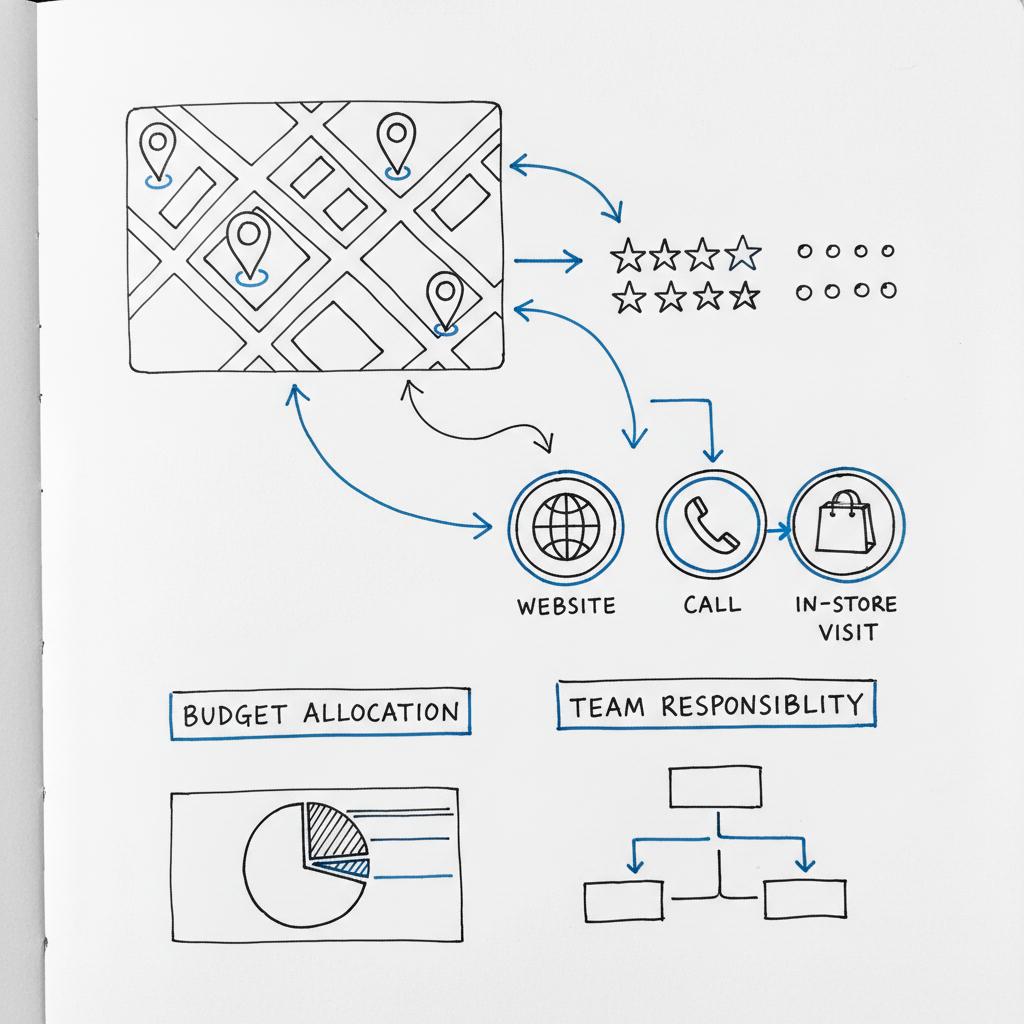
Think of Online Reputation Management as the layer that protects and amplifies everything else you do. Good SEO, paid campaigns, and content marketing all work better when customers trust your brand. That means orm cost should be considered alongside other investments, not as an afterthought. Many small businesses budget for ads, website updates, and content, then add reputation work later – which often costs more when problems are already entrenched. A clear logo in your header helps with recognition.
For examples of integrated approaches and past work, see projects that show how reputation ties to other channels.
How agencies typically price reputation services
There are common pricing approaches you will encounter when assessing orm cost:
- Retainer: A fixed monthly fee that covers ongoing monitoring, response, and small proactive efforts. This is common for continuous reputation work and provides predictable costs.
- Project-based: One-off remediation (for example, a content suppression project or a reputation clean-up after an incident). It’s good for finite problems.
- Hourly: Useful for consulting or short-term support when you need expert advice without committing to a program.
- Performance-based: Less common for reputation, but some firms tie fees to measurable outcomes like improved sentiment or review counts.
For frameworks on pricing models and how they affect vendor incentives, see Stripe’s software pricing guide.
Each model affects how an agency prioritizes work, so ask what the retainer covers and what would trigger extra charges.
What drives variations in orm cost
A few factors explain why quotes for the same package can differ widely:
- Scope of work: Monitoring + responses + review generation + content work are more expensive than monitoring alone.
- Industry complexity: Highly regulated or technical industries require more careful messaging and legal review.
- Volume of channels: Local listings, review sites, social platforms, forums, and niche review portals – managing more channels costs more.
- Speed and escalation: 24/7 crisis response is pricier than weekday-hour support.
- Geographic scale: National or multi-market programs are more complex than single-location efforts.
When an agency gives you a number, ask them to break down where the hours go so you can compare apples to apples.
Practical ranges: what you might expect to pay
While every situation is unique, a rough sense of market ranges helps set expectations. Keep in mind these are illustrative and depend on the items above:
- Basic monitoring and monthly reporting: Often $300-$800 per month for small businesses with a limited online footprint.
- Ongoing response and review management: Frequently $800-$2,500 per month depending on volume and complexity.
- Comprehensive reputation program (monitoring, proactive review generation, SEO for reputation pages, and crisis playbook): Commonly $2,500-$8,000+ per month for multi-location or higher-risk brands.
- Project-based remediation or suppression: One-time projects can range from $1,500 to $15,000+ depending on the work involved.
Remember, lower-priced offerings may use templated responses or basic tools; premium programs include strategy, testing, and integrated measurement. For recent commentary on pricing trends in business services, see this industry perspective on pricing trends for business services.
Ask for numbers that matter – not vanity metrics
When comparing proposals, ask for outcomes tied to revenue or conversions. A strong agency will report on referral traffic from reputation pages, conversion rates of visitors who read reviews, and the impact of review volume on local search rankings. If they resist discussing these things, treat that as a red flag.
Build an internal benchmark
Before finalizing a budget, understand your current conversion rates, average order value, and lifetime value. This helps you decide how much orm cost is reasonable. For example, if improving reviews by one star in local search typically raises conversions by X% in your industry, you can calculate a business case for the investment.
Chemistry, communication, and who’s actually doing the work
Skill matters, but so does working chemistry. The right agency listens, asks the right questions, and adapts to your team. Ask who will be your day-to-day contact and how senior the people doing the work are. If a proposal promises an account director but hands most of the work to junior staff, those trade-offs show up in results – and in the real orm cost you pay when things need correction.
For example, if you want a partner who combines clear reporting with hands-on execution—and someone who works well with small teams—consider reaching out to Agency Visible as a starting conversation. They position reputation work within a broader visibility plan, and that alignment helps keep orm cost tied to measurable outcomes rather than vague promises.
Transparency: how agencies should show their math
A mature agency will share the assumptions behind their pricing. Ask for a line-item explanation: hours for monitoring, hours for responses, costs for tools and subscriptions, and any ad budgets if they run paid amplification. Insist on shared dashboards and clear KPIs so you can watch how spend turns into outcomes.
How to run a pilot that teaches you something
Instead of leaping into a long contract, test with a 60-90 day pilot. Define two or three clear metrics ahead of time – for example, number of negative items addressed, change in average review rating, and impact on local search calls. Make sure the agency explains the hypothesis behind each tactic they test. A pilot reduces risk and gives you real data on what ongoing orm cost would be worth.
Watch for specific red flags in reputation proposals
Some vendor behavior signals trouble:
- Promising guaranteed rankings or review volumes without a clear plan.
- Suggesting fake reviews or shady tactics. These may produce short-term gains but can permanently damage your brand.
- Refusing to sign a reasonable scope of work or to provide client references in similar industries.
- Overreliance on a single channel (e.g., “we’ll just fix Google and you’ll be fine”). Durable programs use a mix of channels.
If you see those signs, pause and ask for clarification – and be prepared to walk away.
How reputation work ties to other agency services
Reputation efforts work best when integrated with SEO, paid media, and customer experience improvements. For example, content that rises to the top of branded searches can shape perceptions; paid ads can direct traffic to favorable messaging during a crisis; and improvements to product or service that reduce complaints are the ultimate reputation strategy. Factor these connections into your view of overall orm cost.
Pricing trade-offs to consider
When an agency gives you a number, ask what you get instead of just how much it costs. Sometimes a slightly higher retainer that includes testing, content creation, and local SEO is better value than a cheap monthly monitoring package that requires frequent add-ons. Always compare the total expected spend and the likelihood of durable outcomes.
Working with remote or distributed agencies
Many effective reputation teams are remote. Remote work can increase efficiency if communication norms are set. Decide on meeting cadences, tools for updates, and escalation rules. Good documentation prevents misunderstandings and reduces costly rework – which in turn keeps your effective orm cost down.
How to involve your internal team
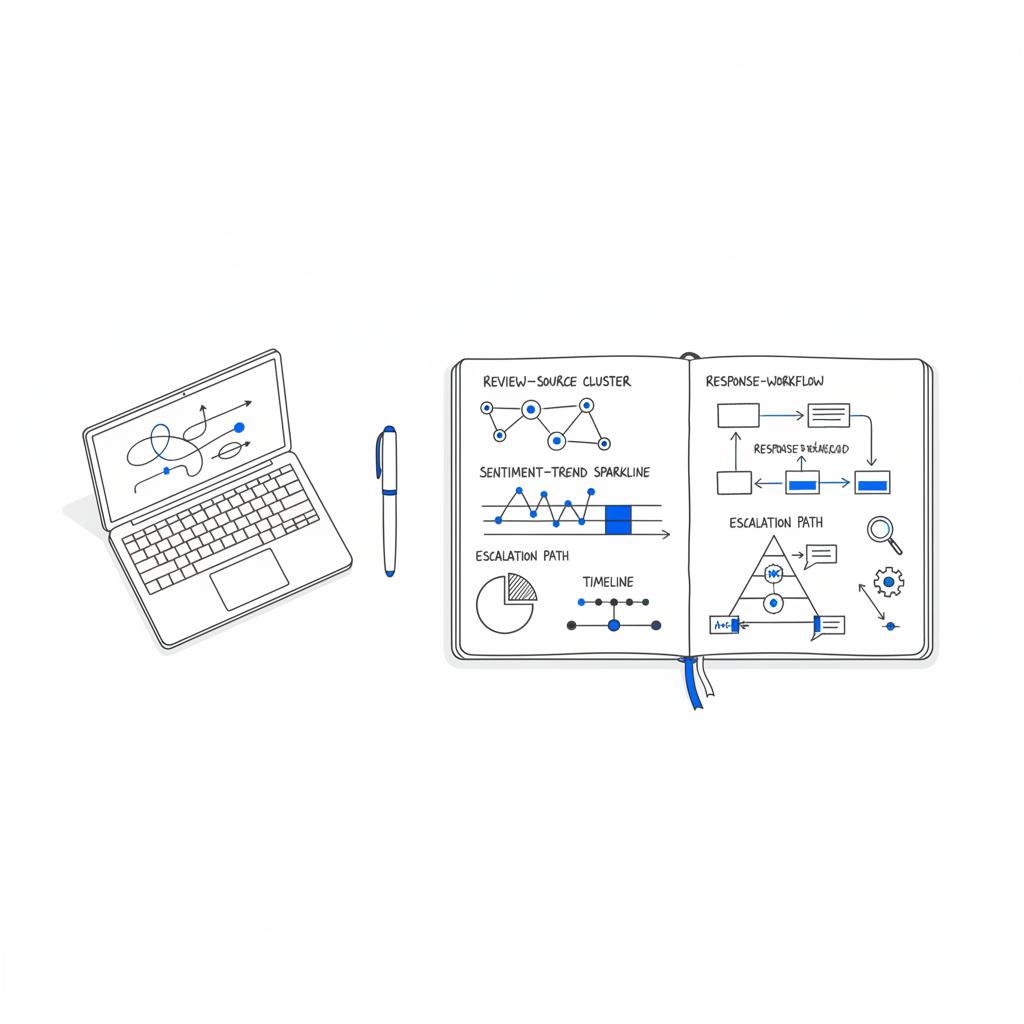
Your staff hold critical knowledge for reputation work. Bring sales and customer service into the process; ask the agency to interview front-line teams. Create a two-page playbook on lead handling and response protocols so reputation improvements translate into real sales and lower churn.
How to compare proposals fairly
Ask each agency to provide the same information: a breakdown of hours, a short pilot project, metrics they will track, examples of similar work, and a clear description of the team. Use that to compare not just price but expected outcomes. When in doubt, prefer an agency that ties work to measurable business outcomes rather than vague hourly estimates.
Common mistakes owners make when budgeting for reputation
Many leaders expect a quick fix. Reputation work compounds over time. If you spend too little, you may get surface-level improvements that don’t move conversion. If you change vendors too often, you lose momentum. The best strategy is to set clear objectives, run a disciplined pilot, and scale what proves measurable value.
Practical negotiation tips
If price is an obstacle, consider a phased approach: a short pilot, followed by a clear scaling plan if metrics improve. Ask for fixed deliverables and a cap on extra charges. You can also split work: keep strategy and coordination in-house while outsourcing execution, or vice versa, to manage costs and keep control.
Real example: a small shop that rebalanced its spend
A local furniture shop once paid a low-cost firm that generated lots of social posts but few qualified leads. They paused and refocused on what mattered: more high-intent local customers. The new partner included reputation work – local search optimization and review follow-up – integrated with staff training on follow-up. In four months the shop saw a clearer lift in weekend conversions. That shift illustrates how a strategic investment in reputation – and a modest increase in orm cost – can deliver measurable returns.
Measuring long-term impact
Don’t expect instant miracles. Good reputation work shows steady improvement in review scores, better local search rankings, and improved conversion rates for branded traffic. Track leading indicators like review response time, rate of review acquisition, and changes in sentiment analysis. Over time, these translate into lower cost per acquisition and higher customer lifetime value – making the initial orm cost an investment rather than a recurring drain.
Questions to ask during interviews
Some questions reveal depth quickly: ask about a time they changed course on a campaign, how they handled a crisis, or what failed experiments taught them. Ask who will do the actual work, and for a clear weekly time allocation. If answers are vague, ask for specifics; your budget should pay for predictable attention, not hope.
Sample checklist before you sign
Before you commit, make sure you have:
- A clear statement of work with deliverables.
- Acceptable KPIs and reporting cadence.
- Defined pricing model and change control process.
- References from similar clients.
- A pilot or trial option with exit terms.
FAQ: quick answers to common worries
How long before I see results?
Paid support can bring leads quickly; organic reputation improvements take longer. A useful evaluation window is three months for paid initiatives and six months for organic reputation work. That timeline helps you judge whether the ongoing orm cost matches value.
Can I keep part of the work in-house?
Yes. Many successful setups blend internal knowledge with external execution. Keep what you’re best at and ask the agency to fill gaps. Clear roles reduce duplication and cost overruns.
Should I sign a long contract?
If you’re unsure, choose short commitments with defined renewal terms and fair termination conditions. That protects your budget and keeps both sides accountable for performance.
Final practical tips
Budget realistically, insist on transparency, and focus on measurable outcomes. Treat an agency like a senior hire: onboard them, give access to the right people, and expect regular, honest updates. Your aim is steady, compounding progress – and a predictable answer to what orm cost should be for your business.
Yes — inexpensive options often skimp on strategy and measurement. A thoughtful agency that charges more for planning, testing, and transparency typically reduces wasted spend and produces more reliable results.
How to make the most of a pilot
Define success upfront, insist on shared reporting, and run small experiments that test hypotheses. A well-run pilot shows what ongoing orm cost will likely deliver and gives a playbook you can scale if it works.
Working with an agency for the long haul
A good long-term partner will plan for compounding work: funnel improvements, improved messaging, and better customer experiences. Those investments reduce acquisition costs and increase customer lifetime value – and ultimately make your ongoing orm cost a high-return investment.
Wrapping up
Choosing the right partner comes down to clarity of goals, transparent pricing, and a culture of measurement. When you ask about orm cost, insist on a clear scope, a small pilot, and metrics that tie work to business outcomes. That approach keeps your budget honest and helps you choose an agency that becomes a true extension of your team.
Get a clear ORM cost estimate for your business
Ready to discuss ORM and get a clear cost estimate? Talk to a team that prioritizes measurement and visibility — schedule a friendly, no-pressure conversation to map a plan that fits your goals and budget.
An ORM package typically includes monitoring of review sites and social channels, response management, proactive review generation, content or SEO work to surface positive content, and reporting. The exact mix varies by agency and by your needs — some packages focus on monitoring and responses, while others include strategic content and ongoing optimization.
A pilot of 60–90 days is often long enough to collect actionable data for paid efforts, while four to six months gives a better view for organic improvements. Agree on two or three clear metrics before you start so both sides know what success looks like.
Yes, but only if you have the time and systems to do it well. Many businesses combine in‑house handling of customer responses with agency support for strategy, review generation, and technical SEO. This hybrid model can lower ongoing ORM cost while keeping strategic control.
References
- https://stripe.com/resources/more/software-pricing-models-and-strategies-for-saas-businesses
- https://revenueml.com/insights/articles/top-4-business-services-industry-pricing-trends-2024
- https://payhawk.com/en-us/blog/business-pricing-models
- https://agencyvisible.com/projects/
- https://agencyvisible.com/contact/
- https://agencyvisible.com/