How much does a branding consultation cost? Pricing models explained
How much does a branding consultation cost? It’s one of the first questions business owners ask when they consider investing in their identity, messaging, or position in the market. The honest answer: it depends. In this guide you’ll find clear pricing bands, practical decision rules for choosing hourly, project, or retainer models, and proven steps to protect your investment so the work actually pays off.
Why the range feels confusing
The phrase branding consultation covers everything from a single hour of advice on your homepage to a full, multi-market repositioning with research, creative, and rollout. That range is why answers vary wildly. Instead of one number, think in models: hourly, project, and retainer. Each model suits different needs and budgets.

Quick map: typical pricing bands
Use this snapshot to orient yourself before we dig deeper: For current hourly benchmarks see Upwork’s guide to brand consultant hourly rates and a practical consultant cost breakdown at BigMove Agency.
Hourly: Freelancers $50–$200/hr; agencies $150–$400+/hr depending on seniority and complexity.
Project: Small, focused packages $1,000–$5,000; full mid-market identity $10,000–$50,000; enterprise programs $50,000+ up to $200,000+ for deep research and global rollouts.
Retainer: Ongoing brand support typically $2,000–$15,000 per month for SMBs; larger programs scale higher.
What drives the price of a branding consultation?

There are five consistent cost drivers you’ll see in proposals. Understanding them helps you compare apples to apples:
1. Research and insight
Primary research—surveys, interviews, user testing—takes time and specialist skills. If your project includes quantitative research, plan for a noticeable line item. High-quality research often pays off because it reduces guesswork in positioning and messaging.
2. Stakeholder interviews and facilitation
Workshops with leadership, staff, or customers need facilitation and synthesis. Expect the agency to budget senior strategist hours for planning and running these sessions and junior staff for analysis and notes.
3. Positioning and messaging
People sometimes underestimate the intellectual work here. A great messaging framework—core idea, proof points, tone of voice—requires iteration, testing across channels, and careful drafting. That time adds cost but produces the ideas your business will use for years.
4. Visual identity and production
Designing a logo is only the start. Color systems, typography, photography direction, iconography, templates, and production-ready files each take creative time and revisions. Custom photography, illustrators, and font licensing can add extra expenses.
5. Implementation and launch support
How much hand-holding do you need? A simple brand book costs less than a package that includes website design, template builds, campaign assets, and in-market launch support. Implementation is often where budgets surprise clients—plan accordingly.
Choosing the right pricing model
Match model to scope:
Hourly — Best for flexible, exploratory work or when you need piecemeal help. If scope is uncertain and you want to test the relationship, hourly lets you incrementally invest.
Project — Choose this when deliverables and outcomes are clear. You want fixed costs and a defined timeline.
Retainer — Ideal for ongoing content needs, regular campaigns, or continuous brand stewardship. Retainers provide rhythm and predictable capacity.
If you’d like a quick, practical conversation about which approach fits your business, a helpful next step is to talk to Agency VISIBLE—they specialize in clear, outcome-driven brand strategy for small and mid-sized businesses.
How much should you budget? Real examples and scenarios
Let’s translate the ranges into realistic scenarios so you can see where your project might land.
Solo founder, simple launch
Needs: name clarity, short messaging for landing page, logo for web. Typical approach: focused freelance engagement or small agency package. Budget: $3,000–$5,000.
Small local business refresh
Needs: stronger local positioning, new identity for store and menu, short messaging guide. Typical approach: a half-day workshop + identity work. Budget: $2,000–$10,000 depending on deliverables and research.
Regional business rebrand
Needs: market research, stakeholder interviews across two or three markets, full identity and templates for print and digital. Typical approach: mid-market agency project. Budget: $10,000–$50,000.
Enterprise repositioning
Needs: full-scale research, quantitative studies, multi-stakeholder alignment, messaging architecture, global rollout. Typical approach: multi-month agency engagement plus implementation teams. Budget: $50,000–$200,000+.
Common pricing structures and what they mean
Fixed-fee project
Clear deliverables, fixed cost, and timeline. Great for predictable outcomes. Check whether the proposal allows for change orders when scope expands.
Hourly billing
Flexible and transparent for time used. Good for exploratory or advisory work. Ask for clear estimates and regular status updates so costs don’t surprise you.
Retainer
Prepaid monthly capacity. Best when you need reliable, ongoing work. Confirm what a typical month looks like in hours and deliverables; ask about rollover policies and caps.
Outcome- or value-based pricing
Some firms now tie fees to results: lower base with performance bonuses, or subscriptions that adjust when KPIs are met. These require careful baseline metrics and honest alignment about measurement – useful when commercial outcomes (lead growth, revenue lift) matter most. For an overview of consulting fee models see Consulting Fees Guide.
How to evaluate and compare proposals
Price alone is a poor guide. Use these checks to compare proposals fairly:
1. Scope clarity
Is every deliverable listed? Does the proposal say how many rounds of revisions are included? A good proposal ties activities to business questions and shows milestones.
2. Who does the work?
Look for named team members and estimated hours per person. Senior strategists cost more per hour but usually reduce cycles and revisions.
3. Process and timeline
Does the timeline match your launch date? Does the process include checkpoints and stakeholder reviews?
4. Case studies and outcomes
Ask for examples that show measurable outcomes; check agency case studies such as this projects page. If an agency won’t share any samples (at least anonymized), ask why.
5. IP and deliverables
Confirm ownership of final files, source files, and any licensing. Ask about stock photography, fonts, and third-party costs that might be billed separately.
Negotiation tactics that keep quality intact
Negotiation shouldn’t mean chasing a discount as the first move. Use scope and timing to find common ground:
Phase the work: Ask for a two-stage plan—phase one for strategy and a minimum viable identity, phase two for full rollout.
Start with a discovery sprint: A short paid scoping phase clarifies needs and limits wasted work.
Adjust payment terms: Ask for milestone-based payments, smaller down payments, or capped revision rounds.
Trade deliverables: Ask if some work can be deferred or delivered as templates rather than fully bespoke assets.
Red flags in proposals
Watch out for these warning signs:
Too cheap: If a proposal leaves no room for research, iteration, or named resources, the deliverables are likely thin.
Too expensive without clarity: High price should come with a precise explanation of where time and skill are spent.
Missing team names: A proposal without named people is risky—who will actually do the work?
No process or timeline: If the vendor can’t describe how decisions will be made or how long reviews take, expect friction later.
Protect your investment: contract terms and measures of success
Include these items in the contract to reduce surprises:
Deliverables list: Exact files, variations, templates, and formats to be delivered.
Ownership and licensing: Confirm that final assets and source files transfer to you, and call out any third-party licenses separately.
Revisions and scope creep: Define included rounds and the hourly or fixed rates for additional work.
Timeline and milestones: Clear dates for discovery, deliverables, reviews, and final delivery.
Payment terms: Deposit, milestone payments, acceptance criteria, and payment window.
Confidentiality and data handling: How will your research and customer data be stored and used?
How to measure the ROI of a branding consultation
Brand work is valuable when it changes behavior—how customers perceive and purchase from you. Consider these metrics:
Awareness: Brand recall or recognition in simple surveys before and after launch.
Acquisition: Increased organic traffic, higher conversion rates on new messaging-led landing pages, or improved ad performance.
Engagement: Time on site, social engagement, and email open rates that reflect resonance with new messaging.
Sales impact: Revenue lift tied to campaigns using the new identity or messaging.
Agree early with your provider on a small set of measurable goals, and set a 60–90 day window for early performance checks after launch.
Prepare well for your consultation
Use your time (and the consultant’s) efficiently by preparing these materials in advance:
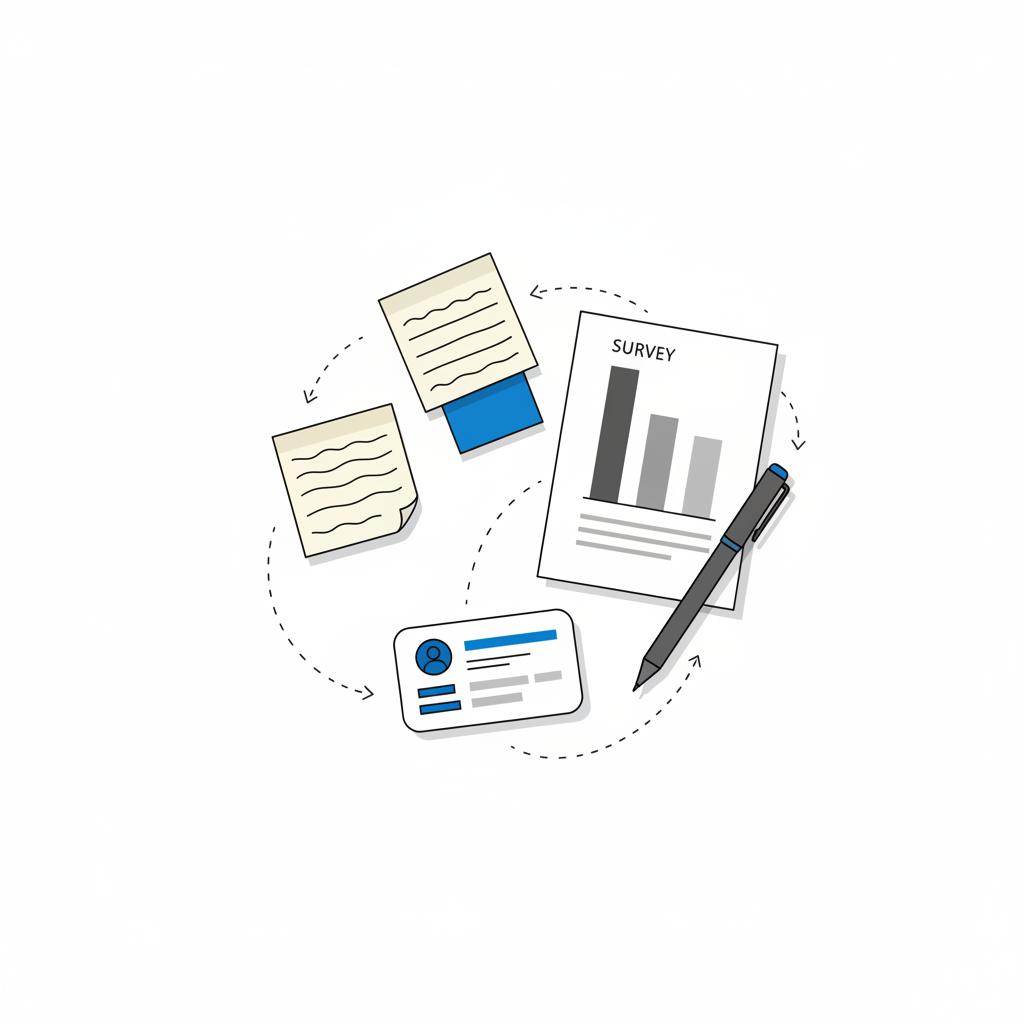
– Current brand assets: logos, color palette, photography, and templates.
– Recent marketing: top-performing campaigns, landing pages, and social posts.
– Customer insight: basic demographics, buyer personas, customer feedback, and pain points.
– Business goals: revenue targets, launch dates, or strategic priorities tied to the brand work.
– Decision-makers: identify one or two people who can approve deliverables to avoid bottlenecks.
Sample brief to share with prospective providers
Use this condensed brief to request estimates and comparable proposals:
Project title: Local coffee shop identity refresh.
Objective: Sharpen positioning for neighborhood market and increase weekday footfall by 10% in six months.
Deliverables: One brand workshop, messaging framework, new logo, color system, menu template, and social templates.
Timeline: 6–8 weeks from project start.
Budget: $2,000–$8,000.
Sample questions to ask in a proposal call
These questions reveal process and fit:
– Who will lead the strategy and who will handle design execution?
– How many rounds of revisions are included and how are change requests handled?
– Can you show examples of similar work and the business outcomes that followed?
– How do you measure success and what metrics do you recommend for this project?
Practical timeline expectations
Typical project durations by scope:
– Quick consult or single-session workshop: 1–2 days including prep and follow-up notes.
– Focused identity + messaging for small biz: 4–8 weeks.
– Full brand strategy and identity (mid-market): 8–16 weeks.
– Enterprise repositioning with research and rollout: 4–9+ months depending on scale.
Geographic differences and hiring tips
Price varies by region. U.S. and Western European rates trend higher than many other markets. Yet remote talent can offer excellent skill at a lower rate—balance cost with market knowledge and time zone fit. Also consider local agencies for region-specific launches where on-the-ground expertise matters.
When a retainer makes sense
If you need regular creative output, campaign support, ongoing messaging, or product launch coordination, a retainer creates continuity. Small-retainer packages often cover ad-hoc strategy, updates, and small design tasks. Mid-sized retainers buy a predictable number of hours per month from a cross-functional team.
Discovery sprints: the low-risk way to start
A short discovery sprint (one or two weeks) can map audiences, validate a few messages, and propose a roadmap. This reduces risk and clarifies scope for the full engagement. If you’re unsure where to invest, start here.
Negotiation example: phase to fit budget
Imagine a $40,000 proposal that feels too big. Ask to split it into a $12,000 discovery + strategy phase focused on most critical markets, followed by a $28,000 rollout if KPIs and leadership buy-in are met. This phased approach protects cash and allows you to learn before committing the full budget.
Contract checklist
Make sure your contract includes: deliverables, timelines, ownership & licensing, fees & payment schedule, revision limits, a description of included materials (fonts, images), and post-launch support period.
Common myths about branding consultation costs
Myth: The cheapest option will learn my business fast. Fact: Cheap often means less research and fewer senior hours—so you may spend more later fixing strategy mistakes.
Myth: Expensive means better work. Fact: High cost needs context; ask for outcomes and examples to verify value.
Checklist before you sign
– Do deliverables match your priorities?
– Are team members named and their hours estimated?
– Is the timeline realistic for your launch?
– Does the contract state ownership of final assets?
– Are change-order terms clear?
Real-world mini-case studies
Sarah’s café (small budget, big clarity): Sarah paid about $2,000 for a half-day workshop and a stripped-back identity. The quick work clarified the café’s voice and simplified takeout menus—small sales lift and more confident promotions. This is a classic example of a focused branding consultation delivering practical, immediate value.
Regional retailer (mid-market investment): A regional retailer invested in a three-month project with research and cross-market stakeholder interviews. The work cost six figures but created a coherent rollout plan and measurable improvements in recognition and conversion. The larger investment matched the scale and risk of relaunching in multiple markets.
How much is too little or too much?
Too little: When a quote can’t justify time for research, ideation, and clear deliverables. You want enough budget to cover thinking and quality execution.
Too much: High cost is acceptable if it’s explained and tied to measurable outcomes. If the price is high and the process or team is unclear, ask for detail or a phased approach.
People often discover that simpler messaging—clear, focused, and consistent—can outperform flashy campaigns. Good branding removes noise and helps customers quickly understand why they should choose you.
Sample scopes and price checklist
When comparing proposals, ensure each includes:
– Discovery activities (interviews, research)
– Deliverable list (assets, files, guidelines)
– Revisions included
– Timeline and milestones
– Team roster and estimated hours
– Post-launch support window
Final practical advice
Decide what success looks like before you start. Do you want better awareness, clearer messaging, or a complete identity ready for rollout? Ask providers to tie their approach to those outcomes. If you need a lower-risk start, request a paid discovery sprint. If you want continuity and execution, a retainer may be the smartest long-term value.
Where to go next
If you’re ready to explore options and want a quick, honest conversation about fits and budgets, consider reaching out to Agency VISIBLE. A short discovery sprint or a scoped pilot often clarifies next steps faster than months of guesswork.
Ready to clarify your brand budget and next steps?
Ready to clarify your brand budget and next steps? Book a short discovery call with Agency VISIBLE to map the right approach for your business and get a transparent estimate. Start the conversation.
Key takeaways
– A branding consultation can cost from a few thousand dollars to six-figures depending on scope and outcomes.
– Match the pricing model to your needs: hourly for flexibility, fixed project for clarity, retainer for ongoing work.
– Protect your investment with clear deliverables, named team members, and measures of success.
Invest thoughtfully. Ask the right questions. And make sure the work is set up so the brand can actually be used consistently across channels.
A small business with straightforward needs can often start with a focused engagement in the $1,000–$5,000 range for a freelance or small-agency package. If you need broader strategy, market research, or templates for print and web, expect to move into the $10,000–$50,000 range. Always ask for a scoped discovery sprint if you’re unsure how much is needed.
Hourly billing charges for time used and is flexible when scope is uncertain. Project fees are fixed costs for clearly defined deliverables and timelines. Retainers provide ongoing monthly capacity and are best for continuous creative, messaging, or campaign needs. Choose the model that aligns with how predictable your needs are and whether you require continued execution.
Yes—Agency VISIBLE specializes in outcome-focused brand strategy for small and mid-sized businesses and often recommends a short discovery sprint to map audiences and propose a roadmap. If you want a practical, transparent chat about fit and budget, you can <a href="https://agencyvisible.com/contact/">contact Agency VISIBLE</a> for a consultation.