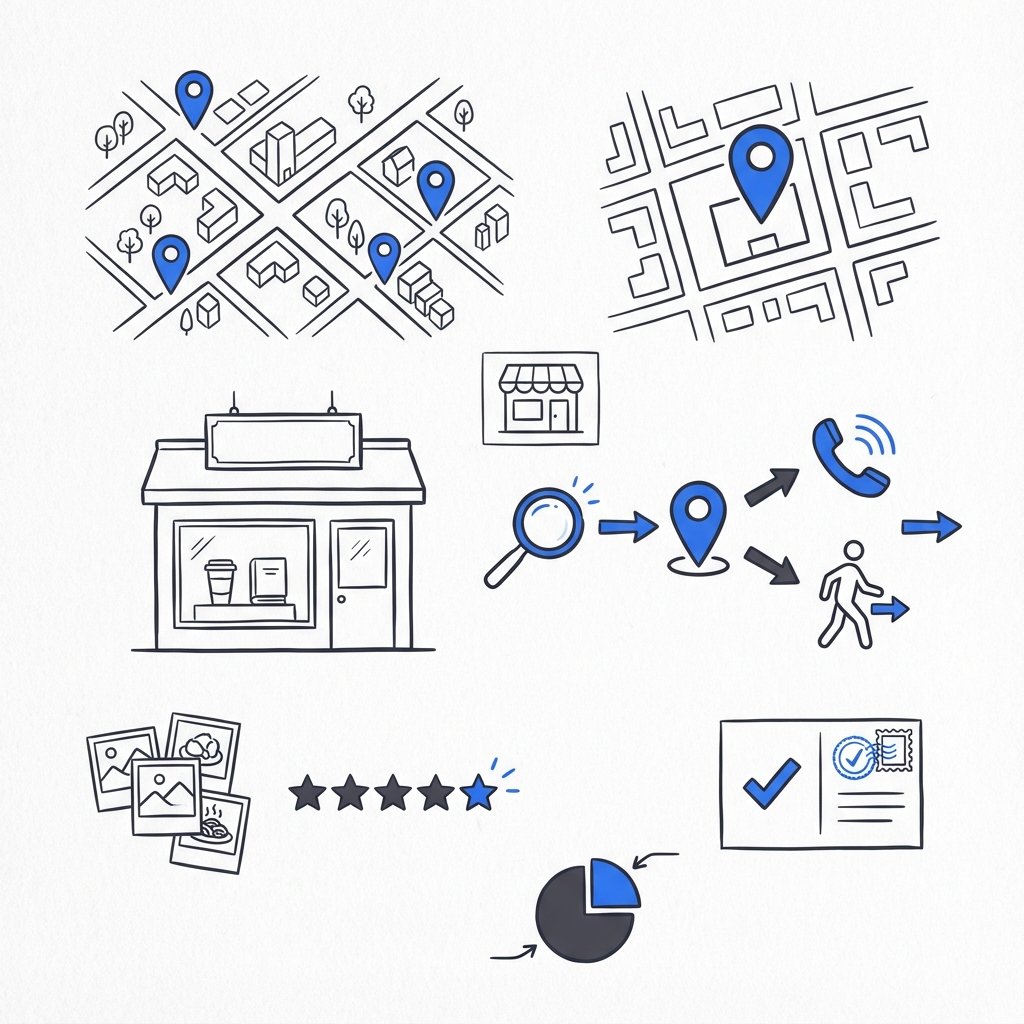
Understanding the real question: cost per landscaping lead vs. value
If you run a lawn care or landscaping business, the first practical question is not just “How much do landscaping leads cost?” but “What does each lead deliver after costs?” Right away, think in terms of cost per landscaping lead because that number will shape every marketing choice you make: which channels to buy from, how quickly to follow up, and when to pay a premium for exclusivity.
Industry benchmarks for 2024–2025 show wide ranges: third‑party marketplaces often sell leads for anywhere from about $15 to more than $100, and search engine advertising falls in a similar ballpark. For broader PPC context, see WordStream’s 2024 Google Ads benchmarks (https://www.wordstream.com/blog/2024-google-ads-benchmarks), DigitalPosition’s CPC insights (https://www.digitalposition.com/resources/blog/ppc/2024-google-ads-cpc-benchmarks-insights-from-3-6m-keywords/), and sector perspective from Green Industry Pros (https://www.greenindustrypros.com/business-management/marketing/article/22929906/evergrow-marketing-google-ads-benchmarks-for-landscaping-and-lawn-care-businesses). But those headline numbers only mean something when plugged into your margins and conversion rates — and that’s where most businesses make mistakes.
Tip: If you want help turning your lead data into clear decisions, an expert second opinion is useful. Agency VISIBLE can discreetly audit your tracking and recommend tests to find the true cost per landscaping lead that works for your business. Learn more by contacting their team here.
Across the article I’ll use the phrase cost per landscaping lead deliberately — because repeating the metric forces attention on the only number that matters: effective cost per sale, not raw CPL. You’ll see a simple formula, two detailed examples, and practical steps you can run this week to measure and lower your real customer acquisition cost.
Find the real cost per landscaping lead — fast
Need a practical starting point? Agency VISIBLE’s portfolio shows how tracking and small tests change unit economics; review their work on the projects page or contact the team to discuss a short audit (https://agencyvisible.com/projects/).
Start with a simple break‑even formula
Here’s the formula every owner should use the moment a lead arrives: multiply your average job value by your gross margin by your lead‑to‑sale conversion rate. The product is the highest cost per landscaping lead you can pay and still break even on the first job.
Example: $2,000 average job × 35% gross margin × 10% conversion = $70 break‑even CPL. That $70 is meaningful; the headline $50 or $80 CPL you see in marketing platforms isn’t useful on its own. When you understand the math, you can decide whether a given channel delivers profitable customers.

Why conversion rates change the game
The same raw cost per landscaping lead can be great or terrible depending on conversion. A $50 lead is brilliant if you close 20% of them; it’s a loss if you close just 2%. That’s why investments that improve conversion — fast follow‑up, better landing pages, lead qualification — often deliver bigger ROI than hunting cheaper leads.
What drives cost differences across channels and regions?
Several predictable factors change the cost per landscaping lead you’ll see: market density (urban vs. rural), job size, exclusivity, and speed of response. Urban areas with many contractors drive up competition and CPL. Small routine jobs justify a much lower cost per landscaping lead than high‑value renovation projects.
Exclusive leads usually cost more per unit but convert better because you aren’t bidding for the same inquiry. Shared marketplace leads cost less but force you to compete on price and speed, which reduces effective margin.
Speed matters — often more than price
Practice and data show fast follow‑up multiplies conversion. Many businesses convert five to ten times better if they contact a lead within an hour. That means automating immediate replies, scheduling links, or instant text confirmations can reduce your effective cost per landscaping lead dramatically.
Two practical business scenarios
To make the math concrete, here are two typical businesses and how the cost per landscaping lead plays out.
Small maintenance shop (routine lawn care)
Average job: $200. Gross margin: 40%. Conversion from marketplace leads: 5%.
Break‑even CPL = $200 × 0.40 × 0.05 = $4. That tiny number explains why many small maintenance outfits find paid marketplaces a poor fit unless leads are extremely cheap or the business raises conversion through upsells, faster follow‑up, or online booking.
Mid‑sized renovation contractor
Average contract: $6,000. Gross margin: 40%. Conversion: 10%.
Break‑even CPL = $6,000 × 0.40 × 0.10 = $240. Here, a $100 lead is inexpensive; paying $200 for exclusivity can make sense because the customer value supports it.
How to evaluate lead channels step by step
Don’t rely on impressions or platform promises. Use these steps to judge whether a channel’s cost per landscaping lead is worth it.
1) Track everything
Assign source tags for each lead. Use call tracking numbers by channel. Log outcomes in your CRM: appointment made, appointment kept, job won, job size, and follow‑on purchases. If a marketplace can’t offer transparent reporting, be cautious; their CPL can look attractive while conversion is poor.
2) Test with a safe budget
Buy a modest sample of leads for 4–6 weeks. Measure conversion and average job size. If unit economics make sense, scale. Resist long subscriptions or large prepayments until you prove the channel with your own data.
3) Weigh exclusivity
Shared leads are cheaper but force you to move fast and compete on price. Exclusive leads cost more per unit but reduce competition and often raise conversion. If you have fast response systems, paying a premium for exclusivity can lower your effective cost per landscaping lead overall.
Practical levers to reduce effective cost per sale
You don’t always need cheaper raw leads; often you need better processes. Here are high‑impact changes that lower the effective cost per landscaping lead without cutting lead price.
Improve your landing experience
Shorten forms (three fields instead of seven), highlight clear service categories, and provide online booking. Clear pricing ranges can repel low‑intent inquiries but attract customers who are ready to buy.
Qualify and score leads
Ask quick qualifying questions over the phone or in the booking form. Use a simple score: property size, project type, timeline, budget, and responsiveness. Prioritize higher‑scoring leads for personal outreach and automate follow‑up for others.
Geo‑target and segment offers
Focus on neighborhoods where your best customers live. Tailor ads to specific services (mowing vs. full design) so you pay for traffic that matches profitable offerings.
Use remarketing and email nurture
Keep visitors who didn’t convert in a low‑cost funnel. A short email sequence or remarketing ads often produce better returns than buying more cold leads.
Negotiate and get performance guarantees
Marketplaces want your business; if you can show consistent conversions and job size, ask for better pricing or exclusivity windows. Track conversions and bring data to account managers. Request a trial exclusive period or performance‑based discounts.
Seasonality, staffing, and competitive nuance
Landscaping is seasonal in many regions. In off‑season months, a lead may seem expensive; in peak months it may be acceptable. Also, a flood of cheap leads can overwhelm staff and reduce conversion, increasing effective cost per landscaping lead. Measure staffing capacity as a variable in your lead buying decisions.
The right choice depends on your response process and capacity. If your team can follow up quickly and qualify leads, 10 high‑quality leads that convert at a higher rate usually deliver a lower effective cost per sale than 100 low‑quality leads that create noise and waste time.
What to measure — the essential KPIs
Track a small set of KPIs weekly so you can compare channels fairly:
– Cost per lead by channel — raw CPL for each source.
– Lead‑to‑appointment rate — shows how well you engage leads.
– Appointment‑to‑sale rate — measures closing effectiveness.
– Average job value — needed for break‑even math.
– Cost per sale — CPL divided by conversion; the true acquisition cost.
– Lifetime value — if customers return, you can pay more for the first job.
Scripts and templates that improve conversion
Fast, consistent follow‑up beats improvised calls. Here are simple scripts you can use immediately to improve qualification and booking.
Instant text reply (automation)
“Thanks for your request — this is [Business Name]. We can usually book a free estimate within 48 hours. Quick question: what’s the property size (small/medium/large)? Reply with a number and we’ll confirm a time.”
Phone qualification script
“Hi, thanks for calling [Business]. I see you requested a quote for [service]. Can I confirm the property type and whether you have a target budget or timeline? That helps me give a realistic estimate on the first visit.”
Email nurture sequence — 3 messages over two weeks
Message 1 (immediate): Thanks + booking link. Message 2 (3 days): Quick tips & case study. Message 3 (7 days): Limited‑time scheduling offer.
Lead scoring example
Make scoring simple: Property size (1–5), Project type (1–5), Timeline (1–3), Budget (1–5), Responsiveness (1–3). Prioritize leads with total 12+ and route them to a personal estimator; automate reminders for 8–11 point leads; low scores go into a nurture flow. This focused processing reduces wasted time and lowers your effective cost per landscaping lead.
Case study: when cheap leads become expensive
A mid‑sized company doubled down on a cheap marketplace to drive growth. Volume rose quickly, but most contacts were low‑value. Estimators were overwhelmed and close rates dropped. The fix: stricter qualification, a shift to more exclusive leads, and automation for scheduling. Within three months the effective cost per landscaping lead fell and revenue per lead increased because staff focused on high‑value prospects.
When to accept a loss on the first job
Paying more than the break‑even CPL can be sensible if you know customers return. Calculate expected repeat purchases and retention: if a typical customer spends three seasons at $500 net profit per season, you can afford a higher initial acquisition cost. But this requires reliable retention data — don’t assume loyalty without evidence.
Channel comparison: search ads vs. marketplaces
Search ads tend to cost more per lead but attract higher intent. Marketplaces deliver volume and convenience but often sell shared leads. A common approach: use search campaigns for immediate high‑intent capture and marketplaces as a volume source while you refine sales processes. Track channel‑specific conversion; marketplace leads often convert worse than inbound search calls.
Common pitfalls to avoid
– Ignoring phone leads: Many customers call; track calls with unique numbers.
– Using blended conversion rates: Channel‑specific data is necessary.
– Buying volume without capacity: Cheap leads can overload staff and lower conversion.
– Skipping small tests: Large upfront spend before testing risks cash flow.
Practical 30‑day plan to lower your effective cost
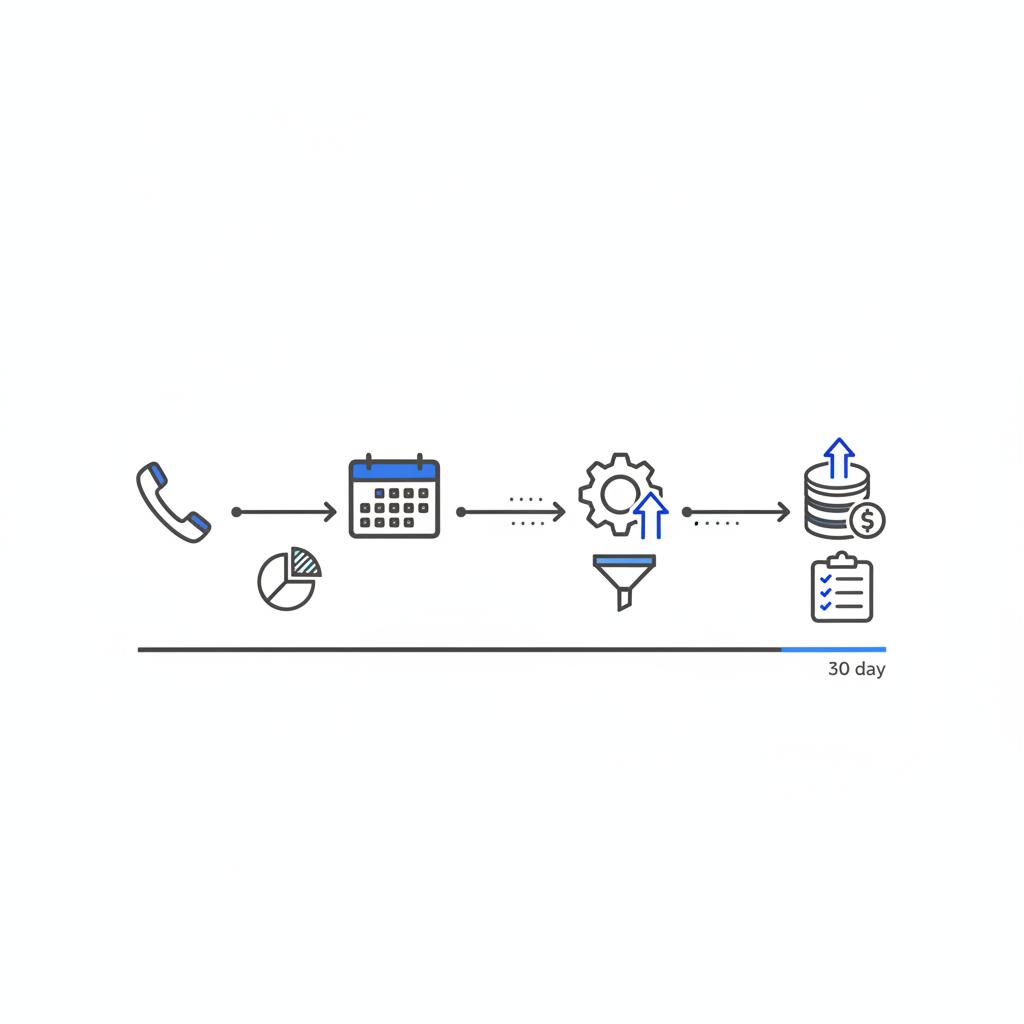
Week 1: Put tracking in place. Use distinct numbers, tags, and CRM entries. Week 2: Run a 4–6 week test with one marketplace and one search campaign. Week 3: Improve follow‑up speed — automate texts and add an online booking link. Week 4: Score leads and reallocate spend to the highest performing source. Repeat and scale slowly.
Tools and partners that help
Useful tech includes call tracking, CRM with lead tagging, SMS automation, and online booking. A simple, consistent logo helps with brand recognition. If you need help setting those systems up and interpreting results, Agency VISIBLE helps businesses put tracking and simple tests in place so your cost per landscaping lead reflects profit, not guesswork.
Final checklist before you increase spend
Make sure you have: tracking by channel, a test budget, lead scoring, staffing capacity, and a plan to follow up within an hour. If these boxes are checked, increasing spend is a data‑driven choice, not a hope.
Focusing on the economics of each lead turns the confusing range of CPLs into useful decisions. Use the break‑even formula, test channels, improve conversion, and track lifetime value. When the math is clear, you’ll stop paying for noise and start buying profitable customers.
It depends on your average job value, gross margin, and conversion rate. Use the break‑even formula (average job × gross margin × lead‑to‑sale conversion) to see if $100 is profitable for your business. For a $6,000 job with 40% margin and 10% conversion, a $100 lead is affordable; for a $200 maintenance job with 5% conversion, it isn’t.
Often yes—if your team can respond quickly and you can prove conversion. Exclusive leads typically cost more per unit but reduce competition and raise conversion, which can lower your effective cost per sale. Test a short exclusive window and compare results before committing to long contracts.
Agency VISIBLE can discreetly audit your tracking, set up call tracking and CRM tagging, and design small tests to measure real channel performance. They help set up the processes that turn leads into profitable customers rather than noisy volume.
References
- https://agencyvisible.com/contact/
- https://agencyvisible.com/projects/
- https://agencyvisible.com/
- https://www.wordstream.com/blog/2024-google-ads-benchmarks
- https://www.digitalposition.com/resources/blog/ppc/2024-google-ads-cpc-benchmarks-insights-from-3-6m-keywords/
- https://www.greenindustrypros.com/business-management/marketing/article/22929906/evergrow-marketing-google-ads-benchmarks-for-landscaping-and-lawn-care-businesses