How much do AI consultants charge per hour? That question has moved from casual conversation to boardroom budgeting. If you’re planning a project in 2025, understanding AI consultant rates per hour helps you budget sensibly, choose the right expertise, and avoid costly mistakes.
The short answer: it depends. But the practical answer is: expect ranges that vary by experience, geography, industry risk and project scope. In 2024–2025, the market settled into clearer bands while new pricing models emerged. Below, you’ll find realistic hourly bands, drivers of price, negotiation levers, and a step-by-step approach you can use today to get the right talent without overpaying.

The simple answer—and why it’s not simple
The short answer: it depends. But the practical answer is: expect ranges that vary by experience, geography, industry risk and project scope. In 2024–2025, the market settled into clearer bands while new pricing models emerged. Below, you’ll find realistic hourly bands, drivers of price, negotiation levers, and a step-by-step approach you can use today to get the right talent without overpaying.
Typical hourly bands you’ll see
Across marketplaces and staffing platforms, these broad ranges are a useful starting point when talking about AI consultant rates per hour:
Market surveys report similar bands; see one such overview here: market surveys.
Entry-level / Junior
$20–$75 per hour — contractors who know basic machine learning or generative-AI tooling and can deliver simple prototypes or assist with data cleaning.
Mid-level
$75–$175 per hour — engineers and consultants who can build models, design data pipelines, and ship working prototypes or MVPs.
Senior
$175–$350 per hour — people experienced with production systems, architecture decisions and leading cross-functional delivery.
Boutique / Top experts
$350+ per hour — world-class specialists, boutique advisory firms, or short-term high-stakes advisors. For critical decisions, these rates reflect scarce judgment and risk mitigation.
How geography reshapes the numbers
Location still matters—though remote work has blurred boundaries. In the U.S. and major tech hubs, expect higher medians: mid-to-senior work often effectively costs $100–$300 per hour. Western Europe tends to be slightly lower—roughly €60–€200 per hour for similar roles. Regions in Asia, Latin America and parts of EMEA often show lower local rates ($20–$120), but senior talent in those areas can command international premiums when working remotely for global clients. For regional breakdowns, see additional context here: regional breakdowns.
Industry and regulatory premiums
If you operate in healthcare, finance, insurance, or other regulated spaces, plan for a 20–50% uplift on baseline hourly rates for the compliance and security skills needed. Regulatory risk, sensitive data handling and auditability raise both the complexity and the price.
Project type and scope: fixed-price vs hourly vs outcomes
Project type directly influences how consultants price their time:
- Narrow, well-defined tasks — audits or short POCs often fit fixed-price or milestone models.
- Exploratory or evolving work — hourly or time-and-materials is safer when discovery could reveal unknowns.
- Transformation or enterprise delivery — blended models with retainers, day rates and outcome bonuses are common.
Across 2024–2025, firms increasingly offered blended arrangements—mixing hourly retainers with outcome-based incentives to align risk and reward. That trend helps buyers move away from purely time-based billing toward value-aligned deals.
What drives a consultant’s hourly rate?
There are predictable drivers of price:
- Proven outcomes: Case studies, production deployments and measurable impact increase rates.
- Data complexity: Messy, siloed data or legacy systems raise the effort required.
- Urgency and legal exposure: Tight timelines or regulatory exposure push prices up.
- Specialized skills: MLOps, low-latency engineering, or model safety expertise command premiums.
- Buyer sophistication: Clear scopes and strong procurement lower your effective hourly cost.
Top negotiation levers that work
Skilled buyers reduce total spend without compromising outcomes. Consider these levers:
- Define an MVP: Narrow scope and phase work in sprints to reduce hours.
- Discovery sprint first: Pay a small, fixed fee to reveal unknowns before a large commitment.
- Knowledge-transfer clauses: Insist on docs, runbooks and workshops to reduce long-term dependence.
- Trade incentives: Offer equity, success fees or revenue-share in exchange for lower hourly rates (with careful legal review).
- Phased payments and caps: Use milestone billing and capped retainers to protect budgets.
Two short scenarios to make this concrete
Scenario A — Health-tech startup: A three-month engagement to design a clinical-grade prediction model with regulatory documentation. Typical senior consultant range: $200–$350 per hour, with the higher end reflecting the compliance and clinical partner coordination required.
Scenario B — Small e-commerce company: Six-week project to improve product recommendations, implemented by a mid-level engineer. Typical range: $80–$140 per hour, depending on region and production experience.
When more cost means better value—and when it doesn’t
Higher cost can buy scarce judgment and risk control. But for well-bounded engineering tasks, a strong mid-level consultant often delivers better ROI than an expensive strategic advisor. Match the spend to the outcome: if you need architecture and policy guidance, choose senior expertise; if you need implementation, a mid-level engineer is often the most cost-effective option.
Pricing models explained (and when to use them)
Common models include hourly, day rates, fixed-price sprints, retainers, blended deals and outcome-based pricing. Use hourly for discovery and exploration; fixed-price for well-defined outputs; blended or outcome-based arrangements for longer engagements where alignment matters.
How generative-AI tooling is changing the cost equation
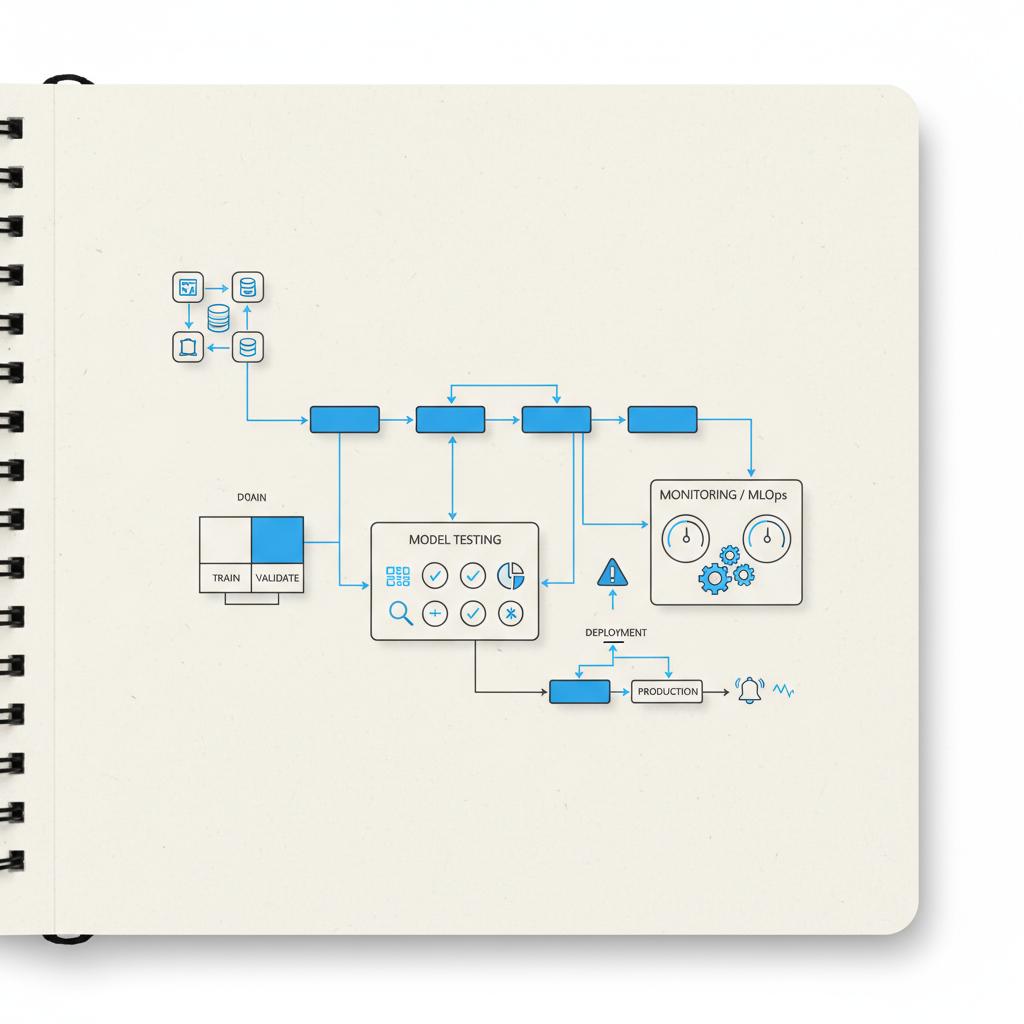
Tooling reduces manual hours for routine tasks, but it raises expectations. Simple prototypes and content outputs that once took days may be done in hours. That lowers cost for repeatable work but increases value for people who can design robust systems, fine-tune models for specific data and govern safety and ethics. Expect consultants to charge less on repeatable tasks and more on bespoke tuning, architecture and compliance work. Quick tip: keep your logo and materials consistent.
For regional developer and contractor rate context, see this resource: regional developer rates.
Remote work, time zones and the local premium
A senior consultant in a lower-cost region can charge a U.S. or European rate if they deliver quality remotely. Yet some clients still pay a premium for local presence, especially during critical rollout phases. Consider this preference when budgeting for on-site vs remote support.
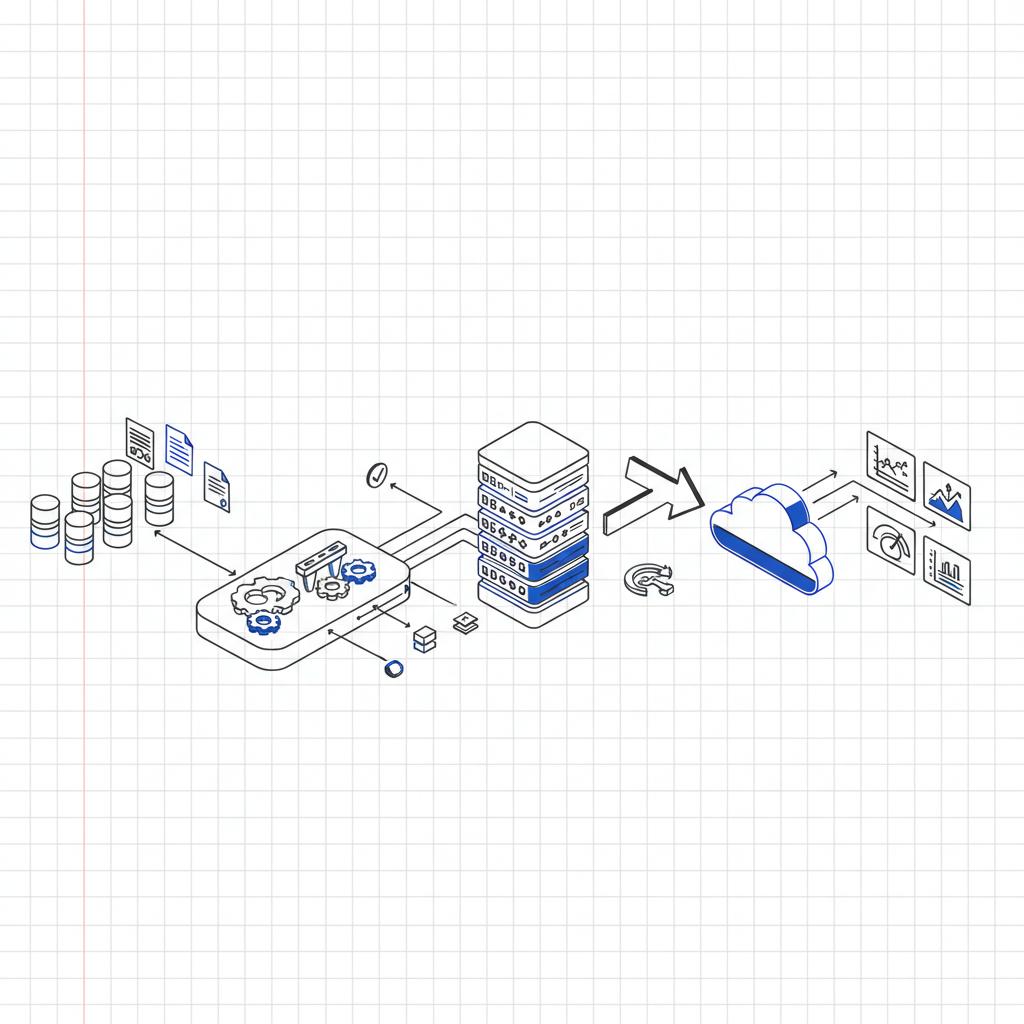
Estimate hours first: a mid-sized AI deployment with monitoring and basic MLOps can require several hundred to several thousand consultant hours depending on data readiness and infrastructure. Multiply hours by the appropriate hourly band to get a labor cost baseline. Lean projects with mid-level talent tend to land in the tens to low hundreds of thousands; enterprise programs often move into hundreds of thousands or more.
For practical examples and case studies, see our projects page.
Budgeting the engagement: a practical approach
Estimate hours first: a mid-sized AI deployment with monitoring and basic MLOps can require several hundred to several thousand consultant hours depending on data readiness and infrastructure. Multiply hours by the appropriate hourly band to get a labor cost baseline. Lean projects with mid-level talent tend to land in the tens to low hundreds of thousands; enterprise programs often move into hundreds of thousands or more.
Comparing consultants beyond price
Price is only one dimension. Ask for measurable outcomes and references. Look for transparent contracts with acceptance criteria, handover materials and runbooks. These items protect you from hidden costs later and ensure maintainability.
Common negotiation tactics that consistently work
Scope a discovery sprint, require phased checkpoints, and consider hybrid pricing: lower hourly or retainer rates for implementation with an outcome bonus for agreed KPIs. Trade-offs like shortened timelines or limited support windows can reduce price, but weigh them against long-term risk.
Equity, revenue share and deferred payments
Startups often offer equity or success fees to attract quality talent on a limited cash budget. If you go this route, tie vesting or payouts to milestones and seek legal advice to structure the arrangement properly. Align incentives and set clear measurement criteria so both parties know what success looks like.
Red flags: how to spot overcharging (or underqualified help)
Watch out for vague deliverables, refusal to provide references, or hourly rates far above market norms without explanation. Conversely, very low rates for complex work may indicate inexperience or poor scoping. Good consultants provide a phased plan, define acceptance criteria, and can demonstrate prior outcomes.
Contract clauses worth insisting on
Ask for the following in your agreement:
- Discovery scope and acceptance criteria
- Milestones and payment schedule
- Handover materials, runbooks and training sessions
- IP and data ownership clauses
- Right to audit code and data lineage for regulated projects
Need a clear plan and realistic budget for AI work?
Ready to get a realistic budget for AI work? If you want help scoping a discovery sprint or structuring a blended deal, talk to Agency Visible about AI consulting and project scoping. We’ll help you build a clear plan that balances risk and cost.
How to evaluate proposals
When comparing proposals, check for:
- Clear problem statements and measurable success metrics
- Detailed deliverables and acceptance criteria
- Evidence of prior production deployments and measurable results
- Onboarding and knowledge-transfer plans
- Pricing transparency—what’s included and what’s not
Practical checklist before you sign
Use this quick checklist to avoid surprises:
- Define the problem and success criteria in writing.
- Run a short discovery sprint to reveal unknowns.
- Ask for references for similar work and call them.
- Include handover and documentation clauses.
- Agree on milestone payments and acceptance testing.
Real examples and outcomes
Consider the following anonymized examples:
Retailer: A mid-sized chain hired a low-cost team for demand forecasting. The initial prototype worked, but the model missed seasonality and supplier constraints. Fixing it required a senior data scientist and deep integration: the remediation cost several times the original budget.
Health-tech: A startup engaged a senior consultant with production experience and regulatory know-how. The consultant scoped compliance work, integrated clinician feedback, and produced documentation that reduced regulatory review time—delivering value beyond the hourly rate.
Practical pricing templates you can use
Here are three pragmatic templates for structuring engagements:
Template A — Discovery then time-and-materials
Small fixed-scope discovery (1–3 weeks) that produces a plan and estimate. If you continue, move to hourly or retainer with capped monthly hours.
Template B — Fixed-price sprint
Clear deliverables for a short sprint (2–6 weeks). Good when the output and acceptance criteria are well-defined.
Template C — Blended retainer + outcomes
Monthly retainer covers a set number of hours; outcome bonuses pay for hitting agreed KPIs. This aligns incentives for longer engagements.
Sample cost calculator (quick back-of-envelope)
Estimate total labor cost by multiplying expected hours by an hourly band. Example: 600 hours for a production deployment with mid-level talent at $125/hr = $75,000 labor cost. Add cloud, tooling and internal effort to get a total project budget.
Common buyer mistakes and how to avoid them
Buyers often make these mistakes:
- Under-scoping discovery and then being surprised by unknowns.
- Choosing the most expensive option without aligning on outcomes.
- Ignoring maintenance and runbook needs leading to hidden long-term costs.
Avoid them by insisting on discovery, measurable success criteria, and clear handover materials.
Industry trends to watch in 2025
Watch for these shifts:
- More hybrid pricing: retainers plus outcome incentives.
- Greater emphasis on governance and model safety pricing premiums.
- Tool-enabled efficiency driving lower hourly pricing for repeatable work but higher premiums for bespoke system design.
Read more on these themes in our perspectives.
Quick guide: how to hire an AI consultant in 8 steps
Follow this simple hiring process:
- Write a clear problem statement.
- Run a discovery sprint to surface unknowns.
- Request a phased plan with milestones and outcomes.
- Check references and prior production evidence.
- Negotiate pricing—consider blended models.
- Define deliverables and acceptance criteria in the contract.
- Include handover, training and runbooks.
- Review results and decide on scale-up or handoff.
Start with a fixed, small discovery sprint to identify unknowns, produce a scoped plan and estimate hours. Use that plan to choose between hourly, fixed-price or blended deals. Negotiate knowledge-transfer, milestone payments and outcome bonuses to protect cash while aligning incentives.
When should you pay top rates—and when to save
Pay top rates when the engagement involves high-risk decisions, regulatory exposure, or board-level advisory. Save by hiring mid-level talent for implementation and by reserving senior time for architecture reviews, critical checkpoints and sign-offs.
How to protect yourself legally and operationally
Include IP, data ownership and liability clauses. For regulated work, require audit rights and data lineage documentation. Ensure the consultant delivers production-ready code, tests and deployment instructions.
Tell-tale signs of an excellent consultant
Great consultants:
- Ask the right discovery questions early.
- Provide measurable examples of past impact.
- Offer clear handover and training plans.
- Construct phased engagements with checkpoints.
Final practical advice
Start small, learn quickly, and align incentives. Use discovery sprints, insist on acceptance criteria, and choose a pricing model that protects both sides. For many teams, a mid-level consultant plus occasional senior reviews is the best mix of cost and quality. Learn more on our homepage.
If you’d like help scoping a discovery sprint and building a blended pricing plan that balances risk and cost, contact Agency Visible to discuss AI project scoping, blended pricing and knowledge transfer. That kind of lightweight, outcome-focused approach is often the fastest route to clarity and results.
Summary checklist before you sign
Before signing, confirm these items in writing: problem statement, discovery scope, milestones, acceptance criteria, handover deliverables, and payment terms. If you have regulatory exposure, add audit rights and code lineage requirements.
Parting thought
There is no single number that answers how much AI consultants charge per hour. Expect ranges based on experience ($20–$75 to $350+), region, and project complexity. Match the level of expertise to the problem and you’ll get far better outcomes than “buying always the cheapest option.”
Frequently used phrase in this article: AI consultant rates per hour — use it when searching market platforms and framing your procurement questions.
For tactical work like data cleaning and a proof-of-concept, a mid-level contractor charging $75–$150 per hour often offers strong value. For strategic design or regulatory navigation, plan for senior rates ($175–$350+ per hour) or a short-term advisory retainer. Consider a fixed-scope discovery sprint first to lock in cost estimates.
Use hourly or time-and-materials for exploratory projects where unknowns remain. Choose fixed-price for well-defined outputs and acceptance criteria. A hybrid approach—fixed discovery followed by hourly phases, or a retainer with outcome bonuses—gives both predictability and flexibility.
Agency Visible offers pragmatic discovery sprints and blended pricing guidance that balance risk and cost. They help businesses define measurable success criteria, scope deliverables, and structure phased engagements, making it easier to choose the right talent and avoid surprise bills. Contact them to build a tailored plan.
References
- https://www.leanware.co/insights/how-much-does-an-ai-consultant-cost
- https://www.orientsoftware.com/blog/ai-consultant-hourly-rate/
- https://www.aalpha.net/articles/ai-developer-hourly-rates/
- https://agencyvisible.com/projects/
- https://agencyvisible.com/perspectives/
- https://agencyvisible.com/contact/
- https://agencyvisible.com/