How many lawn care businesses fail? A surprising opening that matters
That question—How many lawn care businesses fail?—lands like an odd note at the top of a guide about earning trust online. That’s deliberate. Big, specific questions make readers curious. They also remind us that numbers and risk shape choices. When customers consider buying from a small brand, they want evidence you’ll be around to deliver. Trust is what turns curiosity into a purchase.
Trust online is fragile. It grows from small, honest things, not from loud promises. For many small businesses and creators, the path to being noticed runs straight through trust. People will buy from you, return, and recommend you if they believe you are real, capable, and steady. In the paragraphs that follow you’ll find clear, practical steps to build that belief — plain language, real evidence, consistent behavior, and a few experiments to run this week.

What this guide does: gives hands-on tactics you can use on a website, in email, and across social channels to make your business feel trustworthy and easy to buy from.
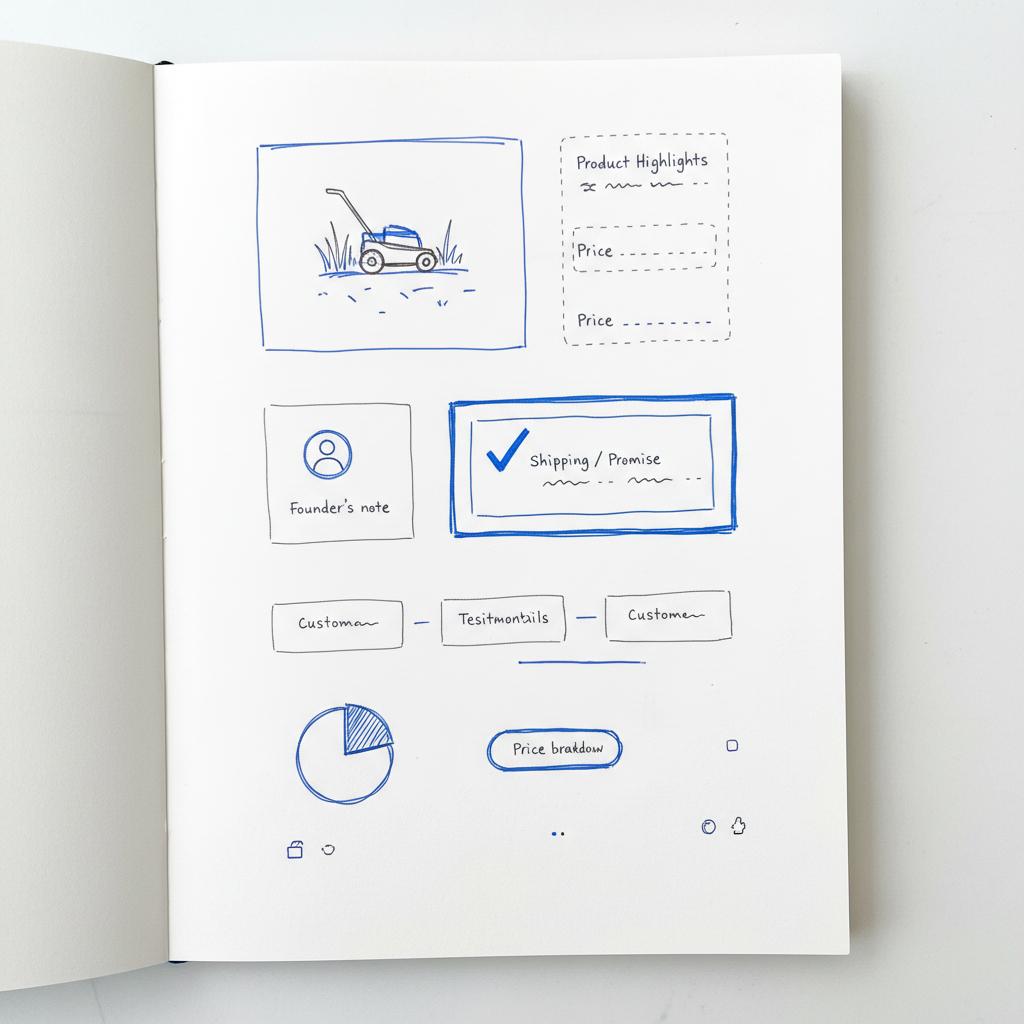
A tiny change—like replacing vague shipping text with a specific promise (“Ships in 3 business days”) combined with one short, relatable customer quote—reduces uncertainty and gives a clear expectation. That combination often raises conversions because it answers two core buyer concerns: when will it arrive, and will others like it?
Why trust matters online — in plain terms
When someone chooses a product or a service, they choose more than a thing. They choose a promise: will it arrive, will it work, will someone answer if it breaks? Online, where we can’t meet face-to-face, those questions are louder. Trust lowers friction. A trusted brand needs fewer reassurances. Visitors stay longer on a site that feels reliable and share content from brands that feel honest.
Trusted brands convert faster, get repeat buyers more often, and weather mistakes with less fallout. That’s why trust matters: it changes behavior in simple, measurable ways.
Three simple elements that build trust
1. Clarity: answer the basic questions first
Clear copy beats clever copy when someone decides to act. Make sure your pages answer: who is this for, what problem does it solve, how is it different, how do I get help? Put those answers where visitors look first: product descriptions, the About page, and the checkout flow. Short sentences and plain words work best.
Quick checklist for clarity:
– Product pages: state what it does, key specs, price, and shipping time.
– About page: one-sentence origin, what you stand for, and how you serve customers.
– Support info: visible email or chat, and a short return policy summary.
2. Evidence: show the proof, not just the promise
Evidence can be a review, a short case story, a behind-the-scenes photo, or a usage video. People trust other people’s experiences more than polished claims. Use real quotes that mention specific details rather than vague praise. If you show customer photos, add a short caption: who they are, what they bought, and why it mattered.
Short experiment: email three recent buyers and ask, “What surprised you most?” Publish the answers with first name and city initial. That tiny slice of honesty often outperforms a glossy homepage slider.
3. Consistency: make your voice and delivery steady
Consistency matters in tone, visuals, and operations. If tone swings between jokey and formal across pages, visitors get confused. If shipping times in product pages don’t match checkout, trust breaks fast. A consistent voice sets expectations and reduces doubt.
Practical website fixes that build trust
Rewrite headings for clarity
Headlines guide attention. Make them answer questions. Replace clever lines with clear promises: instead of “Feel the difference,” use “Ships in 3 business days – free returns in 30 days.” That one line answers three big customer questions and reduces hesitation.
Show the steps
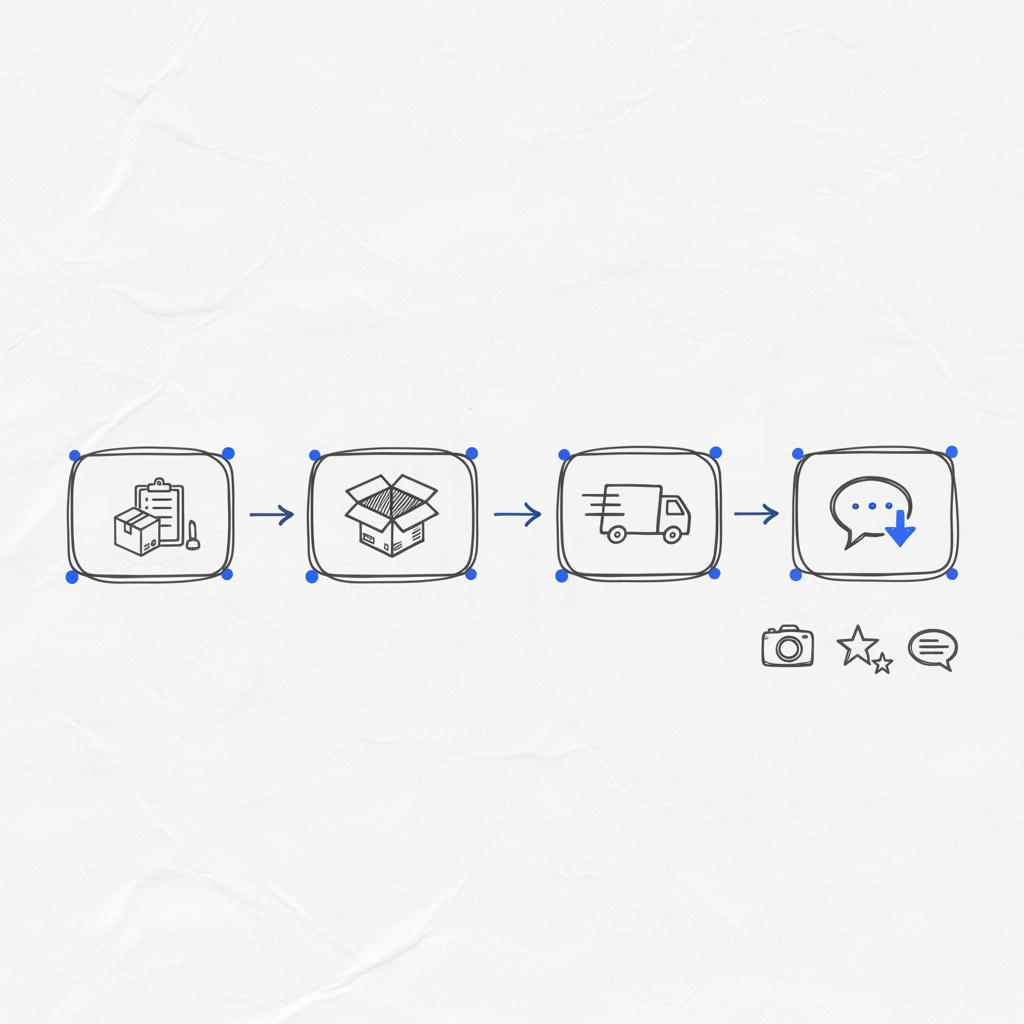
People like to see what will happen next. If you sell a service, explain the steps: inquiry → estimate → project → follow-up. Even a simple 3-step timeline removes mystery and reduces pre-sale anxiety.
Use real voice on the About page
Visitors want to meet a person, not a logo. A short founder note — 100 to 150 words — that explains why you started, one small challenge you solved, and what customers can expect is hugely persuasive. Keep it conversational.
Design that quietly supports trust
Design should help, not distract. Clean layout, readable fonts, and consistent colors signal care. Generous spacing and legible headings make a site feel calm. On product pages, use clear imagery and at least one photo showing the product in use. Avoid cluttered checkout pages; each extra choice increases abandonment. A clear logo on your site can help recognition.
Make contact obvious
Put a visible email in the footer, a short contact line on the checkout page, and a photo of who answers messages if you can. People are reassured by a name and a face (or the idea of a named person). Keep office hours short and clear so people know when to expect a reply.
Words that help — and words that harm
Certain phrases erode trust quickly: “Best in the world,” “guaranteed,” or constant urgency (“Only 2 left!”) without evidence can make readers suspicious. Instead, use precise claims and specifics: “Ships in three business days,” “30-day return policy,” and “Free replacement for defects.” Small, verifiable promises beat big, vague ones every time.
Storytelling that feels honest, not staged
Storytelling works when it shares texture: a late night of packing, a failed first batch and what you learned, a client who taught you something. Avoid dramatic arcs that feel invented. People respond to small, concrete details because they feel real.
Social proof and community as engines of trust
Community beats follower counts. An engaged audience that asks questions, posts photos, and uses your hashtag signals a living relationship. Make sharing easy: a monthly customer highlight, a simple hashtag, or an email prompt asking for a photo and a one-line tip. That kind of participation is persuasive because it’s social proof you can’t fake. For context on how reviews influence buyers, see these online review statistics and social proof examples: online review statistics, review trends, and social proof examples.
Practical experiments you can run this week
Here are simple, fast tests you can run in a few hours. Try just one at a time so you can learn what moves metrics.
1) The founder note edit: Write a 100-word founder note. Replace your current About page intro with it for two weeks and measure time on page and click-through to product pages.
2) The three-customer testimonial: Ask three recent buyers, “What surprised you most?” Display the answers on a product page and watch conversion rates.
3) The shipping promise test: Change vague shipping text to a specific promise—“ships in 3 business days”—and check cart abandonment over 30 days.
Templates: words you can copy and tweak
Short founder note (100–150 words)
Example: We’re a two-person studio that started in a garage because we wanted simple, long-lasting tools. We make each product by hand, pack orders within three business days, and answer emails within 24 hours on weekdays. If something arrives wrong, we’ll replace it or refund you—no fuss.
Simple product page line
Example: Ships in 3 business days • 30‑day returns • Free replacement for defects.
Post-purchase email ask
Example: Hi [Name], thanks again for your order. Could you tell us in one sentence what surprised you most? Your note helps others — and we often include a tiny thank-you in our next package.
How to measure trust — simple metrics that matter
You don’t need a complex analytics stack. Watch these signals: time on page (longer is usually better), cart abandonment (lower is better), repeat purchase rate, and direct inquiries. Run one change at a time and compare the prior and post period. Even a few percentage points of improvement in conversion usually beats a site redesign that doesn’t address clarity or evidence.
Use short surveys as well. A two-question pop-up after purchase — “How easy was checkout?” (1–5) and “What surprised you most?” (free text) — gives both quick numbers and qualitative insight.
An ethical note about reviews and incentives
Authentic reviews matter. Don’t buy praise or fabricate testimonials. If you offer a discount for feedback, say so. A trustworthy approach is to invite customers to help shape a product rather than asking only for praise.
Handling mistakes so trust deepens
Mistakes will happen. The key is the response: a clear apology, an explanation of what happened, and a remedy (refund, replacement, or another fix). Follow up to ensure satisfaction. That follow-up is often where trust deepens — people remember how you behaved when things went wrong.
Examples from the field
Stories help. Here are three short examples that show the wide reach of simple trust-building moves.
1) The baker who admitted a mistake
Maria, a neighborhood baker, posted about a failed batch and what she learned. The post was human, small, and invited suggestions. She gained new local customers who felt they were part of her story.
2) The soap maker who added a note
A maker of handcrafted soap started including a small note with each bar describing the scent and a storage tip. Customers began sharing those notes on social media. The clarity on ship times and packaging also reduced pre-sale questions and led to repeat buyers.
3) The local design studio
A studio published short, plain case stories: what was broken, what they did, and the result. They used screenshots and simple numbers. Prospects who read those pages were more likely to call because the work felt believable.
The role of a thoughtful partner
Sometimes a fresh pair of eyes helps. A designer focused on clarity, a writer who chooses simple words, or an agency that specializes in honest brand storytelling can speed things up. See Agency VISIBLE’s recent work in their projects and learn more on the homepage.
Agency VISIBLE has helped small teams clarify messaging and craft stories that feel human — focusing on voice, systems, and measurable results. If you’d like a quick conversation about how to make your messages clearer, reach out to Agency VISIBLE via their contact page.
Small daily habits that build trust
Trust isn’t a single action. It’s small, steady habits. Respond to emails quickly, update shipping times when they change, and share one honest behind-the-scenes image a week. Over time, those habits add up.
Common mistakes I see — and how to fix them
Here are typical traps and how to escape them:
– Trap: Fancy language that hides details. Fix: Rewrite with short sentences and clear bullets.
– Trap: Hiding shipping policies deep in pages. Fix: Put a short shipping promise on product pages and in checkout.
– Trap: Treating customer photos as marketing shots. Fix: Add a caption that explains who the customer is and how they use the product.
Content ideas for the next 90 days
Plan a simple rhythm: weekly behind-the-scenes post, fortnightly customer highlight, and monthly case story. That schedule keeps content fresh and shows ongoing activity — both trust boosters.
30-day plan
Week 1: Publish the founder note and update product page shipping lines.
Week 2: Run the three-customer testimonial experiment and publish results on a product page.
Week 3: Share two behind-the-scenes photos and one process video.
Week 4: Send a post-purchase survey and compile the best quotes.
When to bring in outside help
Bring in help when you’re stuck or when small changes aren’t moving metrics. A partner can audit clarity, rewrite key pages, and set up simple measurement. They should focus on practicality: clearer messaging, better evidence, and small systems that scale.
Quick scripts for customer service
Use short, human replies. Here are three templates:
– Acknowledgement: Thanks for getting in touch, [Name]. We’re looking into this and will update you within 24 hours.
– Apology and remedy: I’m sorry this happened. We’ll send a replacement right away or fully refund—what would you prefer?
– Follow-up: Just checking in to make sure the replacement arrived and that everything’s right. Thanks for your patience.
How to keep improving
Treat your website and communications as experiments. Make one small change, measure, and learn. Over months, those small improvements compound. The goal isn’t perfection; it’s a steady increase in clarity and connection.
Short checklist to use now
– Add a 100-word founder note.
– Make one shipping promise specific (days, not vague).
– Ask three customers what surprised them and publish answers.
– Add a visible contact email and office hours in the footer.
Wrapping up — the core idea in one line
Trust grows from small, honest acts repeated over time: clear language, real evidence, consistent delivery, and quick, fair handling of mistakes.
Want a quick clarity audit?
If you want a friendly audit of clarity and messaging, contact Agency VISIBLE for a quick conversation about the simplest moves that typically raise conversions.
Start small: publish a 100‑word founder note, make one shipping promise specific (for example, “ships in 3 business days”), and ask three recent customers what surprised them. Use those real comments on product pages. These three moves often improve time-on-page and reduce cart abandonment quickly.
Sharing a brief, honest explanation of a problem and what you did to fix it usually increases trust rather than harming it. Customers expect human behavior; a candid apology plus a clear remedy (refund, replacement, or fix) shows responsibility and often deepens loyalty.
Bring in an agency when small changes aren’t moving metrics or when you need a fresh perspective to clarify messaging and systems. Agency VISIBLE focuses on clarity and measurable growth and can quickly audit your copy, evidence, and customer paths — then suggest practical fixes you can implement fast.