How do you advertise yourself as a contractor? Clear steps that bring steady local clients
How do you advertise yourself as a contractor? If you want the short version: make it easy for people to find you where they’re already looking, make choosing you frictionless, and measure what actually brought the job. That single sentence hides a lot of practical detail. Below is a plain-speaking, step-by-step plan you can use today to build a steady pipeline of local work.
Why local discovery matters more than fancy marketing
Most homeowners don’t want to be dazzled—they want a nearby pro who shows up, knows the neighborhood, and does the job right. Local search and direct referrals are the channels that lead to quick, high-intent calls. That’s why this guide focuses on simple, high-return actions: a complete Google Business Profile, a review strategy, targeted search ads, real-work social content, and low-cost offline tactics. For more marketing ideas, see 10 marketing strategies for construction.
Start with your single most important discovery asset
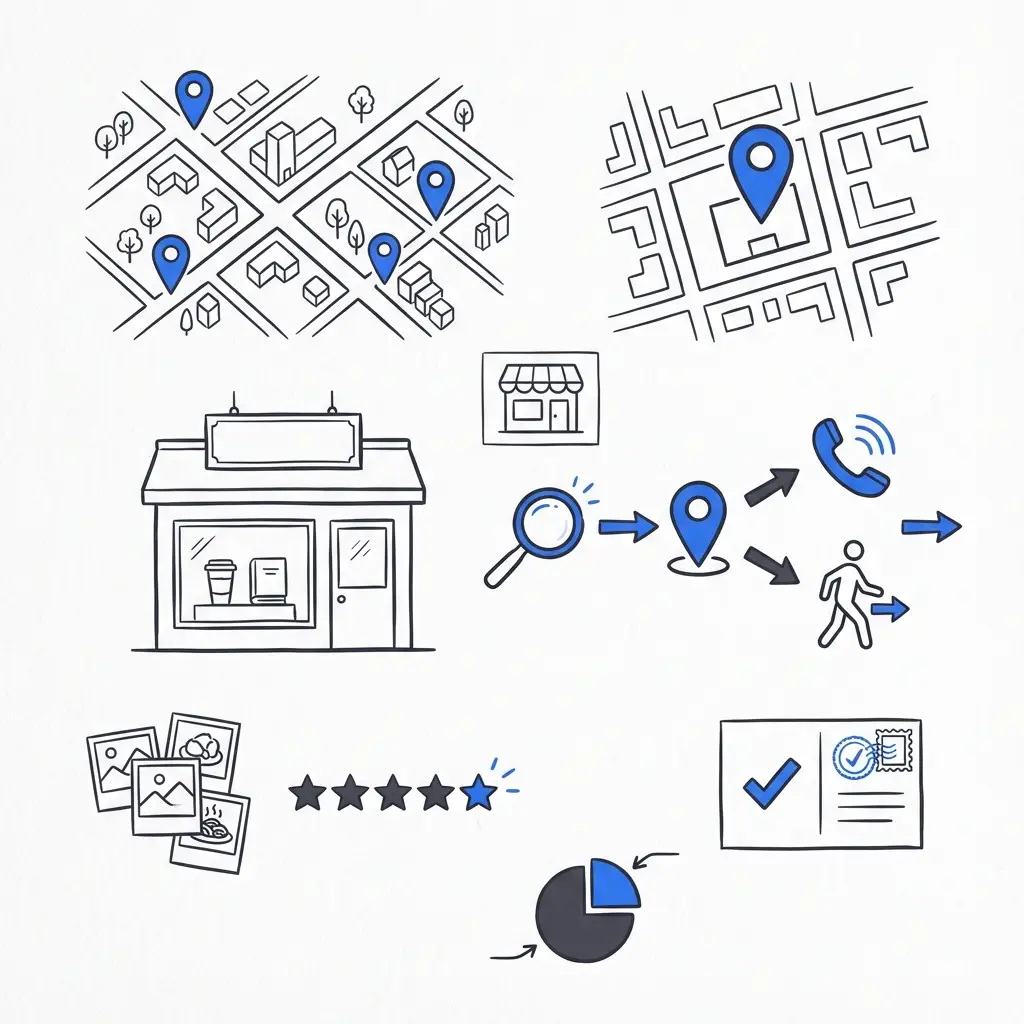
Your first, best place to focus is your Google Business Profile. For many trades—electricians, plumbers, roofers, painters, carpenters—this profile appears before anything else in local searches and maps. Make it complete and useful: consistent name, address, phone; correct service categories; a few honest photos of finished work; and a clear service description that includes the neighborhoods you serve. See this Google Business Profile guide for a concise checklist.
Quick checklist for your Google Business Profile (do these today):
• Verify your business and keep NAP (Name, Address, Phone) consistent everywhere.
• Choose precise service categories (e.g., “emergency plumber”, “kitchen tiling”).
• Upload 5–10 photos of finished jobs—not staged stock images.
• Add short posts or updates when there’s news or a recent job.
• Enable messaging and check it daily; respond within a few hours.
• Use recent photos and respond to reviews to show activity.
If you want a second pair of eyes, a quick visibility review can reveal small fixes that pay off quickly. Agency VISIBLE offers practical reviews tailored for trades—if you’d like a short review of your listing and review strategy, request a free visibility check at Agency VISIBLE’s contact page.
Collect reviews like a strategy, not a hope

Reviews are the trust currency of local services. A string of recent, named reviews matters more than a handful of five-year-old five-star notes. Make leaving a review a low-friction step right after the job finishes: a short SMS link, a printed card with a QR code, or a one-click email link. A clear logo helps customers remember you.

Scripts and templates you can use
SMS/Email review request (one-click link):
Hey [First name] — thanks again for having me. If you’ve got a minute, could you tell other homeowners how the [service] went? Here’s a quick link: [one-click review link]. Thanks — [Your name / Business]
Printed card after a job:
Thanks for hiring us. Scan this QR to tell neighbors about your experience. It helps small businesses like ours and keeps us honest.
Respond to reviews—good and bad. A respectful reply to a complaint (what happened and how you fixed it) reassures future customers more than a string of perfect but silent reviews.
Local search: on-page basics that actually help
People search with phrases like “plumber near me” or “kitchen tiling in [town]” because they want someone who comes quickly and knows local rules. On-page local SEO doesn’t need to be complicated. Do these practical things:
• Create service pages that combine trade + place (“bathroom tiling in Springfield”).
• Add simple local schema so search engines understand where you work.
• Keep your contact details visible on every page.
• Use short headlines that match common search phrases.
When to pay for visibility: paid search and geo-targeted ads
Paid search and geo-targeted campaigns catch people when they’re actively looking. Compared to social media, search ads reach a more actionable audience. For most contractors a small, focused search campaign aimed at particular zip codes or neighborhoods produces higher-quality leads than broad, brand-y social campaigns.
Simple paid search playbook:
1. Start with a small daily budget (e.g., $10–$25/day) focused on high-intent queries: “emergency plumber near me”, “roof repair [city]”.
2. Use location targeting to include only the neighborhoods you serve.
3. Create 2–3 tight ad texts that match search intent (emergency, estimate, next-day availability).
4. Send clicks to a single, focused landing page that includes your NAP, quick booking option, and a prominent call-to-action.
5. Track calls and form submissions with UTM tags and call tracking so you can attribute bookings to the campaign.
How to measure without losing your mind
Measurement doesn’t need to be complicated. Start simple:
• Use call tracking to see which ads or listings produced phone calls.
• Tag links with UTMs so you can tell which campaign sent the visitor.
• Capture source when you book the appointment and keep that with the invoice so you can calculate cost per booked job.
Make a small dashboard (a spreadsheet is fine) showing calls, booked jobs, and revenue by channel. Run paid tests for a few weeks, then scale spend on the channels that actually book jobs.
Offline still wins: referrals, vehicle signage, and community trust
Don’t ignore the human touch. Neighbor-to-neighbor word of mouth, referral cards left after a job, or a readable magnetic sign on your truck create a trust loop digital ads can’t fully replace. Be seen where homeowners get supplies—local hardware stores, trade meetups, and neighborhood community boards.
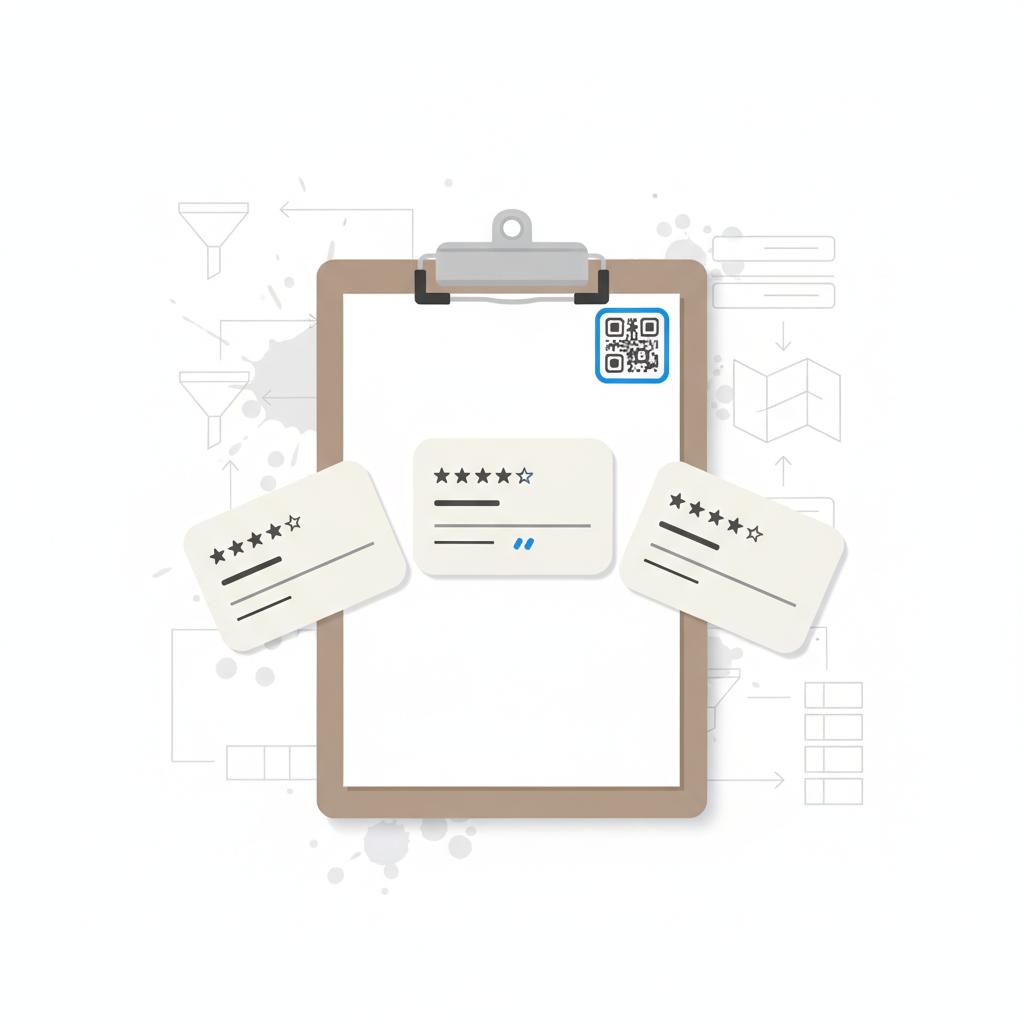
Referral program idea (simple and clear): Offer a $50 credit on the next job for a referral that becomes a booked job, or hand out a card that says “Refer a neighbor and earn $50”. Keep the terms simple and follow up quickly. People will recommend someone they trust; make recommending you effortless.
Social media done the right way
Social channels are best for showing real work, not selling. Short clips—before/after, a five-second fix, or a quick tip—build steady trust. Pick one platform that fits your audience. For older homeowners, Facebook and Nextdoor still deliver. For younger homeowners and visual proof, Instagram and TikTok are excellent.
Content calendar for busy contractors (monthly):
Week 1: One before/after photo set.
Week 2: One short video (30–60s) showing part of the job or a tip.
Week 3: Customer testimonial clip or quote card.
Week 4: A short “who we are” post—team, approach, equipment.
Consistency beats perfection. Real work, clear captions, and a call-to-action like “Book a quick estimate” are enough.
Complete and verify your Google Business Profile, ask one recent happy customer for a review with a one-click link, and ensure your phone number is clickable on mobile—those three steps often produce calls within days or weeks.
Local Services Ads (LSA) vs. traditional search ads
LSAs and search ads both work; which is better depends on market size. In small metros, LSAs may deliver more high-intent, vetted leads because they sit at the very top of results. In larger metros, there’s enough volume for both platforms to produce customers. Run side-by-side tests for a few months and compare cost per booked job to know which one is better for your market. For a deeper perspective on how these channels interact with Google’s broader stack, see Google’s Big 4 for Contractors.
Technical fixes that cut friction
Small technical improvements make a big difference in conversion:
• Make phone numbers clickable on mobile.
• Speed up load times on service pages.
• Use clear headlines: service + area.
• Offer simple appointment booking or a quick callback form.
If using paid campaigns, use tagged URLs and basic call tracking to attribute bookings properly. These steps turn a guess into a measurable result.
Real small-business examples
A one-person painter in the Midwest boosted calls by doubling down on a complete Google profile, posting two short TikTok videos a month, and asking for reviews at job close. Six months later, calls from the profile doubled and his schedule filled with small interior jobs.
A roofer in a coastal small city leaned on offline tactics—truck signage, flyers at supply stores, and a home-show booth—while keeping a tightly managed Google Business Profile focused on emergency repairs. He received a steady stream of neighborhood referrals and saw a spike after the home show weekend.
Budget guidance: a practical split
How much should you spend on ads versus organic work? There’s no single answer. A safe starting plan many contractors use:
Month 0–3 (foundations)
Focus: Google Business Profile, review collection, and two local service pages.
Paid: Small geo-targeted search test ($200–$600/month).
Month 3–6 (test and measure)
Focus: refine landing pages, review flow, and social content.
Paid: Increase spend on campaigns that show a reasonable cost per booked job.
Scripts and templates you can use this week
Cold SMS to past customer for review:
Hi [Name] — hope you’re well. If you were happy with the work we did at [address or job], could you tap this link and leave a quick review? It really helps small trades. [link]
Voicemail to new lead (leave this if no answer):
Hi, this is [Your name] from [Business]. I got your message about [service]. I can be there on [day/time] — call me at [phone] and we’ll confirm. Thanks!
What to measure and how often
Track calls, messages, booked jobs, and the revenue from those jobs by source. Weekly check-ins on call volume and quality, then monthly review on booked jobs and cost per job is a good cadence. If you do paid search, review ad-level data weekly in the first month and then every two weeks after that.
Common contractor questions answered
How soon will I see results? Quick wins (profile updates and new reviews) can generate calls within days or weeks. On-page SEO and organic changes take several weeks to take effect. Paid search can deliver leads immediately once the campaign is live.
How many reviews do I need? Focus on recency and detail. A steady flow of recent reviews mentioning the service and neighborhood is more persuasive than a large stack of old five-star ratings.
Should I focus on social media? Use social to show your work and build trust. It’s not usually the primary source of instant, high-intent leads, but it helps homeowners feel comfortable hiring you when they can see your craft and customer care.
Scaling: when to bring help
If you start getting more leads than you can handle, prioritize: hire reliable help, expand your booking hours, or bring a dispatcher/virtual assistant to qualify leads. This is a good problem to have—just make sure your process for estimating and booking scales with demand.
Common measurement mistakes to avoid
• Not tracking source: if you don’t capture where the lead came from, you can’t optimize.
• Spending more before a channel proves cost per booked job.
• Treating social likes as the same as booked appointments.
Weekly action plan you can use
Monday: Check Google Business messages and respond.
Tuesday: Ask one recent customer for a review.
Wednesday: Post one short social clip or photo.
Thursday: Review paid campaign performance (calls and bookings).
Friday: Update one service page or add a job photo.
Long-term view: steady visibility beats one big push
Marketing for local contractors is cumulative. Small, consistent actions—fresh reviews, a readable profile, short social clips, and occasional paid tests—add up to predictable months on the calendar. Keep the human elements central: be courteous, clean up after the job, and follow up. Humans remember—and they tell others.
Want a quick visibility check that actually helps?
If you want a practical, measured plan rather than a flashy pitch, get a short visibility review and practical next steps at Agency VISIBLE. Start by asking for a quick review of your business profile and review strategy here: Request a visibility review.
Closing practical checklist
Do these five things this week:
1. Complete and verify your Google Business Profile.
2. Ask one recent customer for a review with a one-click link.
3. Post one before/after photo to your profile and social channels.
4. Run a small geo-targeted search ad test for your top service.
5. Track every lead source and record it at booking.
Marketing for contractors is about reducing friction, building trust, and measuring what works. Start small, test, and let steady results build your reputation and your schedule.
You can often see calls within days to a few weeks after completing and verifying your Google Business Profile and adding recent photos and a couple of reviews. Quick wins include enabling messaging, adding clear service categories, and asking one recent customer for a review. On-page SEO and organic changes typically take several weeks to show in search rankings.
Start with strong organic foundations—complete Google Business Profile, review collection, and a few local service pages. Run a small geo-targeted search ad test ($200–$600/month) to see demand in your area. Paid search can bring immediate leads, but measure cost per booked job before increasing spend. Use paid ads to accelerate lead flow when you need immediate work or to test new neighborhoods.
Yes. Agencies like Agency VISIBLE offer practical visibility reviews and measured plans that identify quick wins—like profile fixes, review workflows, and landing page changes—that often increase local leads quickly. If you prefer tactical advice rather than a flashy pitch, request a short visibility review at Agency VISIBLE’s contact page.
References
- https://core6.marketing/blog/marketing-strategies-for-construction/
- https://webrunnermedia.com/insights/the-google-business-profile-guide-for-contractors/
- https://agencyvisible.com/contact/
- https://contractormarketingpros.net/blog/google-big-4-contractors/
- https://agencyvisible.com/
- https://agencyvisible.com/projects/