How to advertise your venue: start with a local foundation
Advertising a venue is both practical and emotional. To advertise your venue effectively you must make it easy to find and simple to imagine: useful pages, clear photos, accurate event data, and a way for prospects to act quickly. The steps below walk through what to do, how to measure it, and what to test first. For context on industry direction, see Unique Venues’ look at positive trends.
Why the local foundation matters
When planners search, they judge quickly. A page that answers capacity, AV, layout and pricing questions will win more inquiries than a generic listing. To advertise your venue well, build transparent, dedicated pages for each booking type: weddings, corporate meetings, private dinners, shoots and public events. Each page should include a clear headline, a strong hero image, capacity tables, a floor plan, and one call to action.
Start the first paragraph of each page with your location phrase and the words people search for—phrases like venue for hire in [neighbourhood]—and keep the page focused on real visitor questions. This is the fastest way to make sure searchers find and trust you when they look to advertise your venue in local searches.

Pages that work: structure and copy
Good venue pages answer questions before they are asked. Use headings and short paragraphs. Include:
- Capacity charts (standing, seated theatre, banquet rounds).
- Sample layouts or downloadable floor plans.
- List of included services and optional extras: AV, furniture, cleaning, and security.
- Accessibility info and nearby parking/public transit.
- Clear pricing cues or ranges and average booking values.
- High-quality photos showing different setups.
If you want to advertise your venue to several audiences, create separate landing pages for them and ensure each page uses the right local keywords naturally in title tags and meta descriptions.
Event markup and why it matters
Search engines and calendars love structured data. Add JSON-LD event schema for public shows, open houses and availability listings to help your events appear in search and calendar results. If you aren’t comfortable editing code, use a CMS plugin or ask a developer to add a simple JSON-LD snippet with name, date, location, price and image.
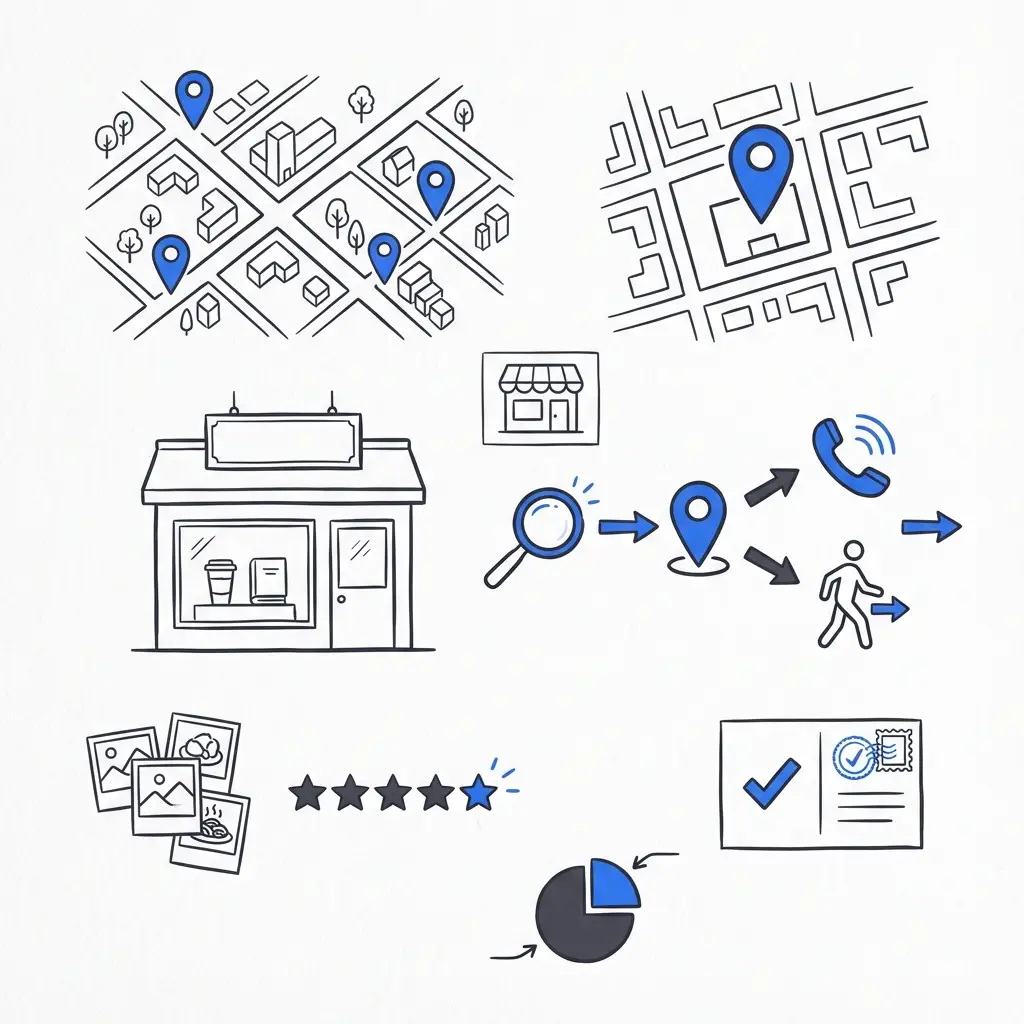
Claim and care for your Google Business Profile

Your map listing is often the first real impression. When people want to advertise your venue they’ll check hours, photos and reviews before calling. Complete every field, select accurate categories, keep photos fresh, and respond to reviews – especially critical ones – with calm, helpful replies. A clear agency logo increases recognition in profile listings.
Post short updates to your profile about open houses or sample setups. Profile posts show activity and can increase clicks to your site or directions requests.
Marketplaces: Eventbrite, Peerspace and more
Marketplaces are discovery engines—list there even if you prefer direct bookings. They bring people actively searching for space and add structured backlinks that help SEO. Treat each marketplace listing like a mini landing page: clear copy, professional photos, synced calendars, and transparent cancellation terms. For venue operators, this practical guide on running a profitable venue offers useful parallels: Running a profitable event venue.
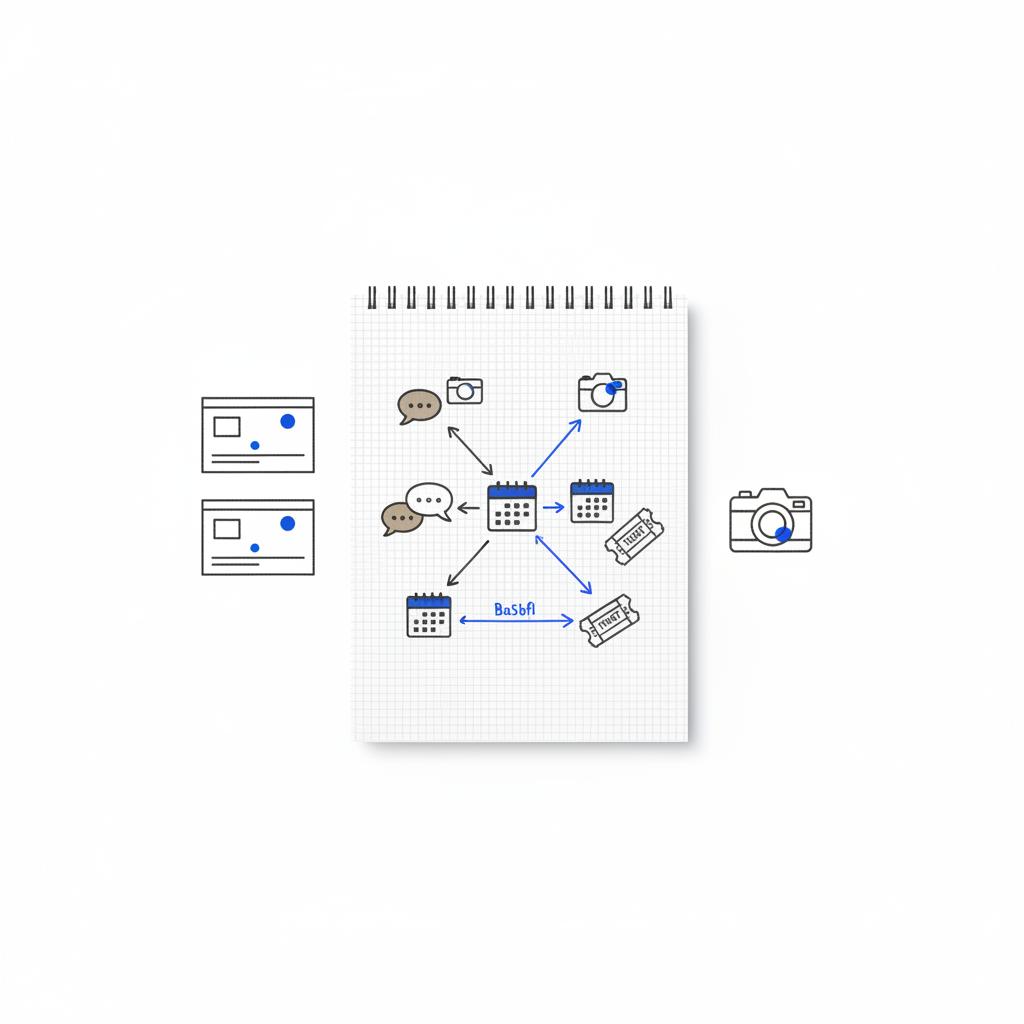
Test promoted listings if available but measure leads with UTM tags and compare conversion rates to decide where to invest. If a marketplace brings a lot of inquiries but few bookings, refine the listing or try a different platform.
Social content that helps prospects imagine events
Social media is not a place for brochure-speak. To advertise your venue on social, show the space in action. Use short-form video as your primary format: walkthroughs, time-lapses, vendor setups and a quick tip from the manager. Authentic, human content converts better than polished ads because it helps people imagine their own event in the room. For hybrid and multi-channel approaches see Swoogo’s hybrid events marketing strategies.
Examples: a 15-second reel of the room being flipped from a conference to a wedding; a time-lapse of lighting being set; a vendor testimonial about working with the space. Repost user-generated photos and tag vendors to increase reach and credibility.
One quick tip if you want help shipping these tactics faster: agencies like Agency Visible often do short engagements to claim profiles, publish clear pages and make a single promo reel—small actions that quickly improve how you advertise your venue without long contracts.
Use LinkedIn for higher-value corporate bookings
LinkedIn is where HR managers, operations leads and event buyers look. Share case studies, client testimonials, and short posts about how you solved logistics challenges—these build credibility and lead to more valuable bookings.
Partnerships that actually send leads
Strong vendor partnerships are a multiplier. Caterers, planners, florists and photographers recommend venues regularly. Host a simple vendor open house, invite top planners to breakfast, or offer a small referral fee for closed bookings. The point is consistency: keep showing up for partners and they will bring clients.
Paid campaigns: test then scale
Paid ads can generate fast leads, but measurement is essential. Before you spend, set up tracking: conversion goals in analytics, UTMs on every link, and optionally a call-tracking number for phone leads. Focus on cost-per-lead and lead-to-booking rates – not impressions or clicks alone.
Practical ad testing plan
Run a short experiment: promote a venue tour night or weekday discount. Create two landing pages with different copy or photos. Run small budgets for 7-14 days. Compare cost per lead and quality – then scale the winner. If LinkedIn yields more large bookings than Instagram, reallocate budget accordingly.
Offline tactics that win the big bookings
High-value bookings often happen face-to-face. Invitation-only tours, open houses and vendor dinners let buyers experience the space. Set a simple table, run a sound check, and present case studies. Leave a concise printed brochure for corporate buyers; a tidy, well-made brochure can be more persuasive than a long email.
Measurement: mapping the lead-to-booking funnel
Define your funnel stages and capture simple metrics at each step: source, site visits, inquiry, viewing and booking. Track:
- Number of leads per source (Google, Instagram, Eventbrite, LinkedIn, referrals).
- Cost per lead by channel.
- Viewing conversion rate (lead -> viewing).
- Booking conversion rate (viewing -> booking).
- Average booking value and customer acquisition cost.
With these numbers you can answer practical questions about where to invest. If a channel brings many leads but low booking rates, retrain your team on qualification, refine the listing, or change the offer.
Target channels where professionals search (LinkedIn, local business networks), publish a concise corporate events page with capacity, AV specs and a downloadable brochure, host invitation-only tours for HR and event managers, and track lead quality—this helps you prioritize and win higher-value bookings.
30/60/90 plan: concrete tasks you can complete
Here’s a realistic timeline to start advertising your venue with momentum:
Days 1–30: quick wins
– Claim and complete your Google Business Profile.
– Publish at least three dedicated pages (weddings, corporate, private).
– Post one short promotional reel showing a recent event.
– Invite three regular vendors to a casual meet-and-greet.
– Start asking recent clients for reviews and post responses.
Days 31–60: test channels
– List events/availability on two marketplaces.
– Set up UTM tracking and a call-tracking number for ads.
– Launch a small paid test (venue tour night or weekday discount).
– Host a small open house for local planners and run a LinkedIn outreach campaign.
Days 61–90: scale what works
– Increase spend on the best-performing paid test.
– Build a content calendar: one short video weekly and one LinkedIn story biweekly.
– Formalize vendor partnerships and track referrals.
– Create a simple playbook for lead response and follow-up.
Budget: where to allocate limited dollars
Start with practical tools: a call-tracking number, a landing page tool, event calendar plugin, and a small photography/video shoot. For ad spend, begin with modest tests and move budget to channels that show predictable cost per booked event. Remember: visuals and data tools often pay for themselves in better conversion and faster follow-ups.
Real-world case studies and examples
Two short examples demonstrate the approach. A riverside venue focused on weekday corporate offsites and published three pages with meeting capacity tables and downloadable brochures. They claimed their Google listing, posted two reels, listed on Peerspace, and ran modest LinkedIn ads. Within two months they had steady qualified leads and traded some budget toward LinkedIn and local breakfasts for planners. Over a year weekday bookings increased enough to pay for a part-time events manager.
Another boutique wedding venue encouraged couples to upload favorite photos after each wedding in exchange for a small thank-you. The result: a rich gallery used in reels, PDFs and social, and more viewings that converted through referrals and past clients.
Practical templates and short scripts
Use simple scripts for responses. A prompt booking reply might read:
“Thanks for reaching out – we’d love to host your event. Our space holds up to 120 seated or 200 standing. Are you planning a ceremony, a seated dinner, or a rehearsal? We can share a floor plan and available dates.”
For review responses:
“Thank you for your feedback and for hosting with us. We’re glad the AV worked well – we’ll make a note of your request for earlier load-in next time.”
Advanced tips: SEO, schemas and analytics
Place local keywords in page titles, H1s and meta descriptions naturally. Use event schema for public shows and open houses. Set up goals in Google Analytics (or your analytics tool) for form submissions, phone clicks, and booking confirmation pages. Keep UTM tags consistent across campaigns so channel reporting is trustworthy.
Content ideas that drive organic reach
– “Day-in-the-life” reels showing a morning setup.
– “Before & after” videos of room transformations.
– Vendor spotlights with short interviews.
– Case studies on unusual requests and how they were solved.
Common questions answered
How much should I spend on ads?
Start small. Run short tests with clear goals, measure cost per lead, and increase spend only on channels that prove efficient.
Is Peerspace or Eventbrite better?
Both are valuable. Peerspace is strong for hourly creative bookings and shoots; Eventbrite is for ticketed public events. Test both and track which leads convert better.
Are reviews important?
Yes. Reviews reduce uncertainty and help convert hesitant buyers – respond thoughtfully and encourage clients to leave short notes after events.
Three small experiments you can run this month
1) Instagram reels vs. a boosted post: post one reel showing a room flip and boost a pinned post with the same images—compare inquiries.
2) Two landing pages: one with pricing ranges and one without—see which gets more qualified forms.
3) Marketplace listing A vs. direct listing: track lead quality from Peerspace and Eventbrite and compare to direct site inquiries.
Checklist: quick things to complete this week
- Claim Google Business Profile and upload 8-12 photos.
- Publish at least one dedicated page with capacity and a PDF floor plan.
- Create a 15-30 second promo reel for social.
- Set up UTM templates and a basic goal in your analytics tool.
- Ask two recent clients for reviews and respond to any recent reviews.
How to qualify leads quickly
Ask three quick questions when a lead arrives: event date windows, estimated guest count, and event type (wedding, corporate, private). Use these to prioritize viewings and to create follow-up templates tailored to event type.
Scaling a repeatable program
Once you have consistent numbers for cost per lead and conversion rates, create a quarterly plan with exact targets: expected leads per month, viewings, bookings, and average booking value. Assign simple tasks each week: one vendor outreach, one promotional reel, one marketplace check-in.
Legal and operational notes
Make policies clear: deposit schedules, cancellation terms, insurance requirements, and load-in/load-out windows. Publishing these details reduces uncertainty and saves staff time when answering common questions.
Closing perspective: hospitality as marketing
Marketing a venue is hospitality in action. Quick replies, honest photos, and thoughtful follow-up convert casual interest into bookings. Keep experiments small, measure everything, and put people first.
Resources and next steps
If you want a short partner engagement to speed this work, consider a focused setup to claim profiles, publish clear pages, and make a promo reel. See Agency Visible or review their projects for examples of short engagements and outcomes.
Want quick visibility for your venue?
Remember: the best advertising is the kind that helps someone imagine a night in your space and then makes it painless to say yes.
Budgeting depends on venue size and goals. Start with modest, measurable tests: a small ad budget for a 2-week campaign ($200–$800 depending on market), a professional photo and a short video shoot ($300–$1,000), and practical tools like call-tracking and a landing page subscription ($20–$100/month). Track cost per lead and only scale channels that deliver a reasonable customer acquisition cost for your average booking.
Both platforms have value. Peerspace works well for hourly creative bookings and photoshoots, while Eventbrite is a strong channel for ticketed public events and shows. Use both as discovery channels, but track which platform’s leads convert to bookings and prioritize the one that consistently brings higher-quality enquiries.
Yes. A short engagement with a focused agency can claim your profiles, structure your venue pages, set up tracking and produce a single promotional reel—actions that often yield quick, measurable improvements. If you’re interested in a practical partner, <a href="https://agencyvisible.com/contact/">Agency Visible</a> offers short-term setups designed to get visibility fast.
References
- https://www.uniquevenues.com/blog/the-future-is-bright-5-positive-trends-shaping-the-event-venue-industry/
- https://www.getplacez.com/2024/12/30/running-a-profitable-event-venue-essential-strategies/
- https://swoogo.events/blog/hybrid-events-marketing-strategies/
- https://agencyvisible.com/
- https://agencyvisible.com/projects/
- https://agencyvisible.com/contact/