How do lawyers advertise their services?
How do lawyers advertise their services? is a question every solo attorney and small firm asks when they want steady growth without risky ad spend or ethical missteps. In this guide you’ll get practical, compliance-aware tactics for 2024-2025 – from local visibility and content that answers real questions to paid search, reputation work, and a 90-day test plan you can implement today.
Start where people actually look: local visibility
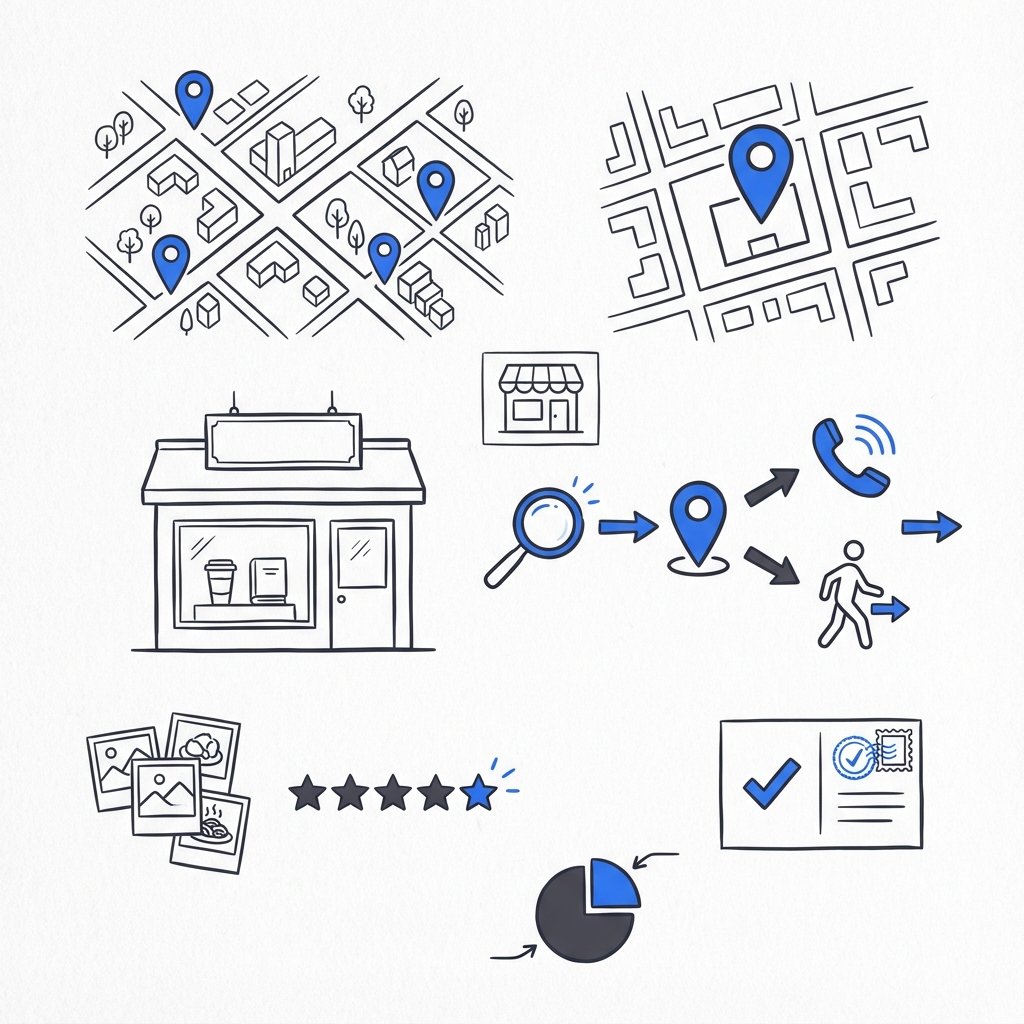
Most people seeking legal help start close to home. They type in phrases like “immigration lawyer near me” or “family law attorney [city],” and they click the map results first. That means if you want to answer the question how do lawyers advertise their services? well, local visibility is the first place to invest your time.

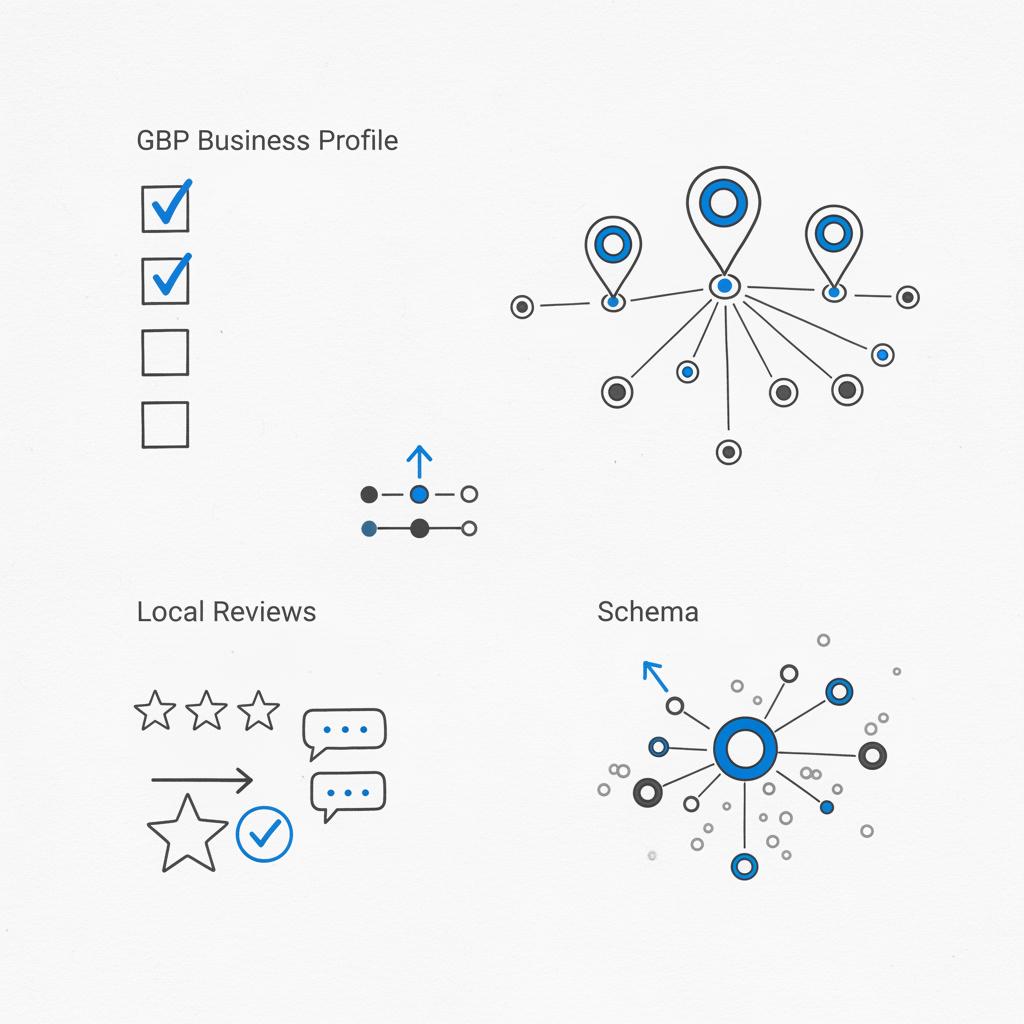
Claiming and fully completing your Google Business Profile is the classic low-effort, high-return step. Make sure your profile lists accurate contact details, hours, clear practice areas, and a concise description written in plain language. Upload photos of your office, your signage, and non-identifying images of your team to humanize the listing. If bilingual staff are available, say so – it reduces friction for callers.
Consistency matters: list your firm name, address, and phone (NAP) the same way across directories to avoid confusing search engines and prospective clients. Add schema markup on your website to highlight practice areas and office locations; that helps search systems interpret your pages and match them to local queries.
Practical checklist for local visibility
Quick wins:
– Claim and complete Google Business Profile (GBP)
– Use the same NAP across all citations
– Add schema for localBusiness and lawyer/practiceArea
– Post a short FAQ or local court info on your site
All of this answers a simple underlying question: when someone searches how do lawyers advertise their services?, are you showing up where they click first?
Reviews and reputation: build trust carefully
Verified client reviews influence clicks and calls. But legal advertising rules vary by state. Some bar associations limit how you solicit testimonials or prohibit paid endorsements. So ask: how do lawyers advertise their services? They ask the bar first – then they set up ethical review practices.
There are ethical, effective ways to encourage feedback: make the process easy, explain to clients how reviews help others, and include a direct link to your profile rather than scripting or paying for content. When a review appears, reply professionally. If a negative review arises, invite the reviewer to continue the conversation offline and never disclose confidential details publicly.
Here is a simple request template you can use — adapt for your jurisdiction:
“If you’re happy with our work, a short review on our Google profile helps others find us. Here’s the link. Thank you for trusting us.”
That keeps the ask neutral and avoids guiding the client’s wording.
Content that answers real questions — plain language wins
People searching for lawyers are often anxious. They want clear answers: “What happens next?” “How much will this cost?” “How long will it take?” Creating content that answers those questions directly is one of the best ways to show up when potential clients search how do lawyers advertise their services?
Write practice-area pages and blog posts for humans, not for search engines. For example, a family law page could explain the first five steps in a custody case, typical timelines, and a simple list of documents to bring. A personal injury page might explain medical liens and how settlements usually work. These pieces reduce fear and make it easier for a prospective client to decide whether to call.
Types of helpful content
– Short procedural guides (“What to do after a car crash”)
– Local court guides and timelines
– Plain-language FAQs on fees, timeline, and process
– Case studies (carefully anonymized and compliant)
Regularly publishing local-focused content — city pages, Q&A posts about local courts, or summaries of recent rulings — signals relevance to search engines and shows prospective clients you know the local system.
Targeted paid search when you need leads fast
Paid search answers the urgent question many firms have: how do lawyers advertise their services when they need immediate leads? The short answer: precisely, and with tight budgets.
Legal keywords are costly. That means you must narrow who sees your ads. Focus on a handful of high-intent queries that match your geographic reach and core practice strengths. Use negative keywords to exclude irrelevant traffic and reduce waste.
Track conversions from day one. Use call tracking numbers or landing pages with clear contact forms so you can tell which ads generate real calls. If a campaign produces clicks but no calls, test the landing page message, form fields, and the clarity of the call-to-action.
Paid search ad copy rules to keep ethics in mind
Avoid absolute promises and outcome guarantees. Many state bar rules forbid implying a guaranteed result. Instead, state your experience, credentials, and the process you follow. Sample compliance-friendly ad lines:
– “Experienced family law attorney in [city] — free consult”
– “Personal injury cases: no fee unless we recover”
– “Business law counsel for startups — clear fees & timelines”
Each example tells a prospect what you do and how to act — without promising outcomes.
Social channels with purpose
Not every platform suits every practice. Answering the question how do lawyers advertise their services? requires picking platforms where your audience already spends time.
LinkedIn works for corporate counsel, business law, and professional referrals. Use short posts that demystify a legal point or summarize a recent change in law. Facebook and Instagram can be useful for community awareness and consumer-facing practices like family law, personal injury, or immigration. Use them to boost local recognition and for remarketing to website visitors.
Paid social is good for awareness and retargeting, but remain careful: don’t use sensational language or client photos without explicit consent. Ads that promise results or exploit vulnerability can violate bar rules.
Offline tactics that still move the needle
Offline tactics complement digital work. Networking with other lawyers, speaking at continuing legal education events, sponsoring local civic activities, and building relationships with community organizations generate referrals that digital channels can’t always reproduce.
Radio, local print, and targeted direct mail can work in certain markets – especially where the audience consumes local media regularly. Make offline advertising measurable: use dedicated phone numbers, unique landing pages, or QR codes so you can track which channel produced the call.
Ethics at the center: what to watch
Regulation shapes language, channels, and permitted tactics. The ABA Model Rules 7.1 and 7.2 set guardrails against false or misleading statements and regulate solicitation. Many states follow these rules; some are stricter on testimonials, endorsements, and paid contacts.
Before launching an ad or campaign that uses client stories or testimonials, check state bar guidance such as this 50-state overview of state bar rules on AI-generated ads. Where bars restrict certain testimonials, adjust your approach. Record approvals and keep an internal compliance checklist to ensure ad copy and landing pages meet local rules.
AI and advertising: helpful, but verify everything
AI can generate ad variations and personalized messages quickly, but it can also introduce inaccurate claims. If you use AI to draft ads or web copy, always have a lawyer review and approve the final text. Keep edit logs and avoid letting AI invent credentials, case outcomes, or guarantees. For recent guidance on AI ethics in legal practice see the Florida Bar summary of ABA guidance.
Practical 90-day test-and-learn plan (detailed)
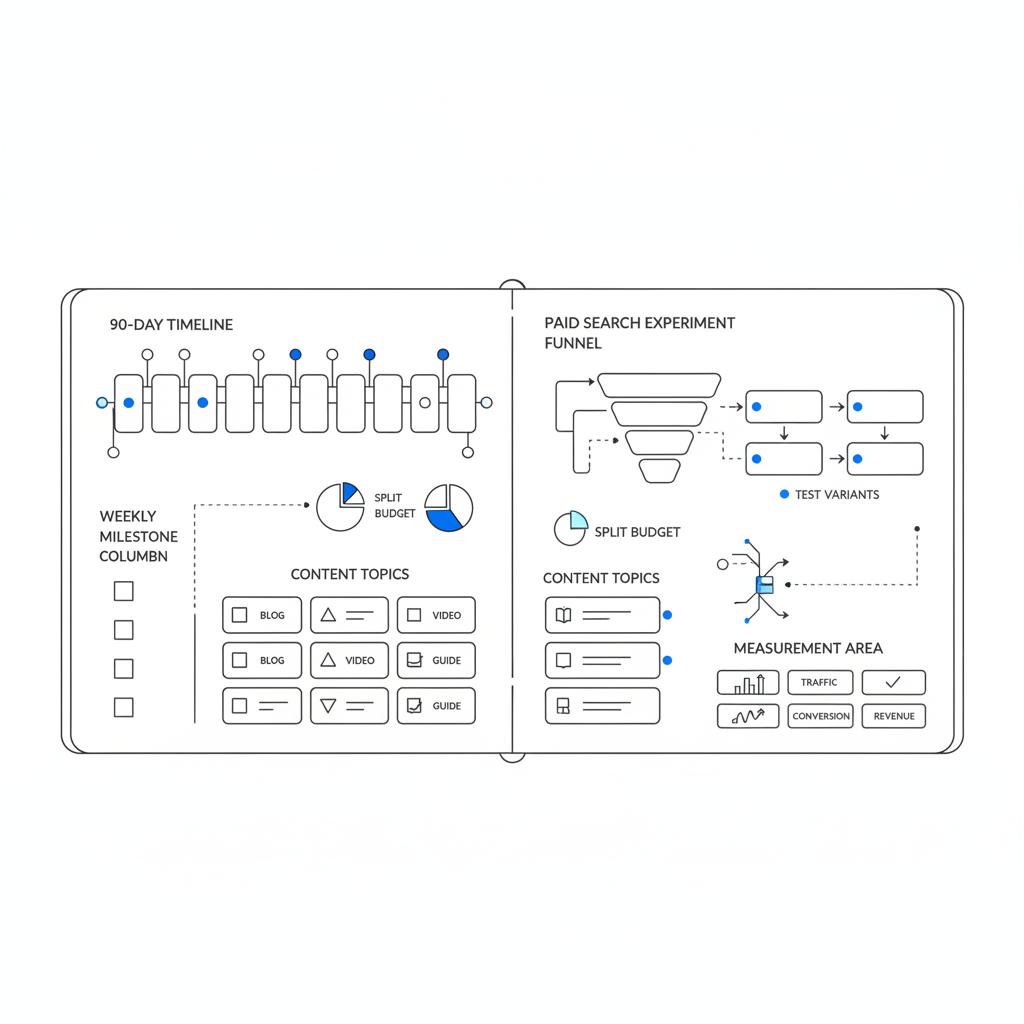
Testing avoids guesswork. Below is a practical 90-day plan that answers the core question: how do lawyers advertise their services? It’s structured to build foundations first, then test paid tactics, reputation, and measurement.
Week 1–2: Fix the foundations
– Claim and complete your Google Business Profile.
– Confirm consistent citations across the web (lawyer directories, bar listings, Yelp).
– Make sure your homepage and practice-area pages answer: Who do you serve? How do you work? How can they contact you? Add clear CTAs.
– Add schema markup (localBusiness, attorney, practiceArea) where possible.
Week 3–6: Launch a small paid search test + local content push
– Pick one core practice area and one or two geographic targets.
– Build or refine a focused landing page that answers the prospect’s top questions and has a single, clear CTA.
– Start a modest Google Ads campaign with tight geotargeting and negative keywords.
– Publish 3–5 short local-focused content pieces (city pages, local court guides, FAQs).
Week 7–10: Reviews and reputation
– Set up a respectful, non-coercive process to ask satisfied clients for reviews.
– Add call tracking numbers for paid campaigns and unique landing pages for each channel.
– Respond to reviews professionally and document your responses for compliance.
Week 11–12: Evaluate and refine
– Review KPIs: cost per lead, website conversion rate, and lead-to-client conversion.
– Cut low-performing keywords and reallocate budget to what drove calls.
– Document learnings and prepare the next 90-day plan.
Here’s a real example to make it concrete: a small immigration firm ran ads for “immigration lawyer [city]” and “green card help [city].” It tested two landing pages — family-based petitions and employment-based petitions. Within 90 days the firm learned which page converted better and which queries produced callers ready to book consults. That quick learning cycle answered the practical question of how do lawyers advertise their services? in that market.
Landing page checklist — convert callers from curiosity to contact
A landing page should remove friction. Use this checklist to improve conversion:
– Clear headline describing who you help
– One short paragraph explaining the process
– Bulleted list of documents or likely next steps
– Visible phone number and a short contact form
– Social proof: awards, associations, or anonymized reviews (compliant)
– A short FAQ addressing cost and timelines
– A privacy note if you collect personal data
Measurement: what matters and how to track it
Good measurement is simple: tie performance to decisions. Track cost per lead, conversion rate from visit to contact, and the percentage of leads that become clients. If possible, track lifetime value of a client to evaluate whether higher-cost channels pay off.
Use call tracking, form tracking (with source tags), and a simple CRM field that asks new clients: “How did you hear about us?” Collect that systematically for 90 days and analyze trends.
State-specific rules and a compliance checklist
Lawyers must respect state bar rules. Before any campaign:
– Check your state bar’s advertising and testimonial rules
– Have a lawyer-review process for ad copy and landing pages
– Avoid promises and guaranteed outcomes in language
– Keep records of client permissions for any use of their story
Doing this helps answer the central concern of many firms: how do lawyers advertise their services while staying within ethical bounds?
AI tools and ad drafting — a safe workflow
If you use AI to help generate ad copy or landing page drafts, layer in human review. Follow these steps:
– Use AI for first-draft ideas only
– Have a licensed attorney review and edit every output before publishing
– Keep an edit log showing the final approved text and who approved it
– Avoid automatic personalization that could be seen as solicitation without consent
Examples of compliant ad copy and messaging
Compliant ads focus on experience, process, and clear calls to action. Examples:
– “Family law attorney in [city] — 20+ years experience. Call for a consult.”
– “Personal injury claims — contingency fee, free case review.”
– “Business formation help — flat-fee packages for startups. Learn more.”
Each example gives a prospective client a clear next step without promising outcomes.
Common pitfalls and how to avoid them
We see the same mistakes across firms. Avoid these common traps:
– Over-promising results in headlines
– Using unverified client stories without consent
– Running broad paid campaigns without negative keywords
– Failing to track calls and form conversions
Addressing these pitfalls answers another practical piece of the question: how do lawyers advertise their services? – by avoiding the errors that waste budget and risk violations.
Where to spend first: budget allocation guidance
For many small firms a balanced first 90-day budget might look like this:
– 40% on local SEO and content (GBP, citations, schema, local pages)
– 40% on targeted paid search (narrow geographic and query focus)
– 10% on reputation and review systems (tools or staff time)
– 10% on testing social or offline channels
This mix keeps the firm visible today (paid search) while building organic strength for the future (SEO and content).
Tools and vendors: what to look for
When choosing tools or agencies, look for clear service agreements, measurable KPIs, and experience with legal advertising compliance. Ask potential vendors how they handle:
– State bar compliance for each market
– Call tracking and measurement
– Content creation and editing by licensed attorneys
Many firms find it useful to work with an agency that understands the legal landscape and can run tests quickly without risky promises. If you’re curious about professional help, consider reaching out to a partner that balances compliance with growth – see Agency VISIBLE’s projects. A clear logo improves local recognition.
Many firms find it useful to work with an agency that understands the legal landscape and can run tests quickly without risky promises. If you’re curious about professional help, consider reaching out to a partner that balances compliance with growth – see Agency VISIBLE’s projects. A clear logo improves local recognition.
For a careful, compliance-focused approach you can explore contact options with Agency VISIBLE, a firm that specializes in measurable visibility work for small and mid-sized businesses including law firms.
Case study snapshots: small wins that scale
Short, focused efforts can compound. Here are two brief examples (anonymized):
– A mid-sized family law practice refined its GBP and published three local court guides. Organic calls from local queries rose 28% in three months.
– A small immigration office launched a tightly targeted paid search test and a focused landing page. Within 60 days they found their highest-value queries and reduced cost per lead by 34%.
These examples show how answering the operational question — how do lawyers advertise their services? — is less about flashy campaigns and more about disciplined testing and measurement.
Handling sensitive cases and vulnerable clients
When advertising for sensitive practice areas, be especially careful. Avoid language that pressures or promises quick outcomes. Use respectful, informative content that explains rights and next steps. For advertising that targets immigrant communities, for example, offer clear, language-accessible pages and avoid any language that could confuse or alarm readers.
Scaling a small firm’s marketing efforts over a year
After an initial 90-day test, scale what works. A simple roadmap for the next 9 months:
– Months 4–6: Double down on successful paid keywords and expand content around top-converting topics.
– Months 7–9: Build referral partnerships and publish longer-form content or webinars.
– Months 10–12: Evaluate expansion into nearby markets or broader awareness channels if ROI supports it.
Through this approach, firms answer the big question — how do lawyers advertise their services? — with a repeatable playbook that grows predictably.
Templates and scripts you can use today
Review request email (neutral, compliant):
“Thanks again for trusting us with your case. If you found our help useful, we’d appreciate a short review on our Google profile — it helps others find us. Here’s the link: [link].”
Phone intake script (short):
“Thanks for calling [Firm Name]. Who are you calling for, and what city or court is involved? We offer a short free consult to understand the basics; can I book that now?”
Frequently asked compliance questions
Can I use client photos or stories in ads? Only with explicit, documented consent and in compliance with your state’s rules. Avoid photos that could identify a client without permission.
Are lead-generation forms allowed? Yes, but be careful with the wording and data collection. Make privacy practices clear and minimize data collected on the initial form.
Start with local foundations: claim your Google Business Profile, fix consistent citations, publish a focused landing page, and run a narrow paid search test with call tracking. Keep ad copy compliant, use respectful review requests, and measure cost per lead and conversion to decide what to scale.
Measuring ROI and deciding when to scale
Decide which channels to scale based on cost per lead and lead quality. A channel with higher cost per lead but higher conversion to clients — and higher lifetime value — can be the right choice. After 90 days, reallocate budget to the channels producing booked consults and paid engagements.
Common myths about legal advertising, debunked
Myth: Only big budgets win. Fact: Small, focused campaigns and strong local SEO can drive steady, high-quality leads.
Myth: Testimonials always cause trouble. Fact: Testimonials can be valuable when collected and presented in compliance with state rules.
Myth: Social media is a must. Fact: Only if your prospective clients use it; for some firms, targeted referrals and LinkedIn are far more effective.
Final practical tips before you launch
– Start small and measure everything.
– Keep a compliance reviewer in your process.
– Use tight geographic targeting and negative keywords for paid search.
– Make it easy for clients to leave reviews without scripting their words.
Remember: when clients search how do lawyers advertise their services?, they want straightforward answers and easy ways to contact you — not marketing slogans.
Next steps and a short checklist
– Claim and complete GBP
– Fix your NAP citations
– Launch a small paid search test with tracking
– Set up a respectful review request process
– Document state-specific rules and build a compliance checklist
These actions form a practical roadmap for any firm asking, how do lawyers advertise their services?
Further reading and resources
Look up your state bar guidance on advertising, review the ABA Model Rules 7.1-7.2, and consider simple tools for call tracking and local citation management. If you need help executing a measured, compliant program, some firms choose an external partner with legal advertising experience and clear measurement disciplines – see agency perspectives for examples. For a broader legal-ethics survey see AI and Attorney Ethics Rules: 50-State Survey.
Ready for measured, compliant growth?
Ready for measured, compliant growth? If you want a partner who balances ethics and measurable visibility, contact Agency VISIBLE to discuss a practical 90-day plan tailored to your firm.
Wrapping up
Marketing for law firms is about being visible where people look, answering their immediate questions, and treating every interaction as a chance to build trust. Focus on local visibility, useful content, targeted ads, and careful reputation work — and you’ll see steady, sustainable results.
It depends on your state’s bar rules. Many states allow testimonials but place restrictions on how they’re solicited and displayed; some bars prohibit paying for endorsements. Always check local guidance before using a client’s story, get explicit written consent, and avoid scripting the content. When in doubt, have an attorney review the testimonial for compliance.
Paid search can deliver leads quickly — often within days — but results vary by market and keyword cost. For small firms, a tightly targeted campaign with clear landing pages and call tracking usually shows meaningful signals within 30–90 days. Track cost per lead and conversion rates closely and shift budget to the queries that produce booked consults.
Use AI as a drafting tool only. Have a licensed attorney review every AI-generated ad, web page, or client-facing message for accuracy and compliance. Keep logs of edits and approvals, avoid allowing AI to create claims about outcomes or credentials, and ensure any personalization complies with privacy and solicitation rules.
References
- https://lafleur.marketing/blog/navigating-state-bar-rules-on-ai-generated-ads-a-50-state-overview
- https://www.floridabar.org/the-florida-bar-news/aba-issues-first-ethics-guidance-on-a-lawyers-use-of-ai-tools/
- https://www.justia.com/trials-litigation/ai-and-attorney-ethics-rules-50-state-survey/
- https://agencyvisible.com/projects/
- https://agencyvisible.com/contact/
- https://agencyvisible.com/
- https://agencyvisible.com/perspectives/