How do landscapers find clients?
Finding steady, profitable landscaping leads today is a mix of being visible where people search and building real-world relationships that compound over time. The core ideas are simple: show up clearly in local search, use paid ads with strict discipline, cultivate referrals and reviews, and track everything so your budget creates profit, not noise. This guide gives clear, practical steps you can use whether you run a one-person crew or manage a growing team.
Why local visibility still wins
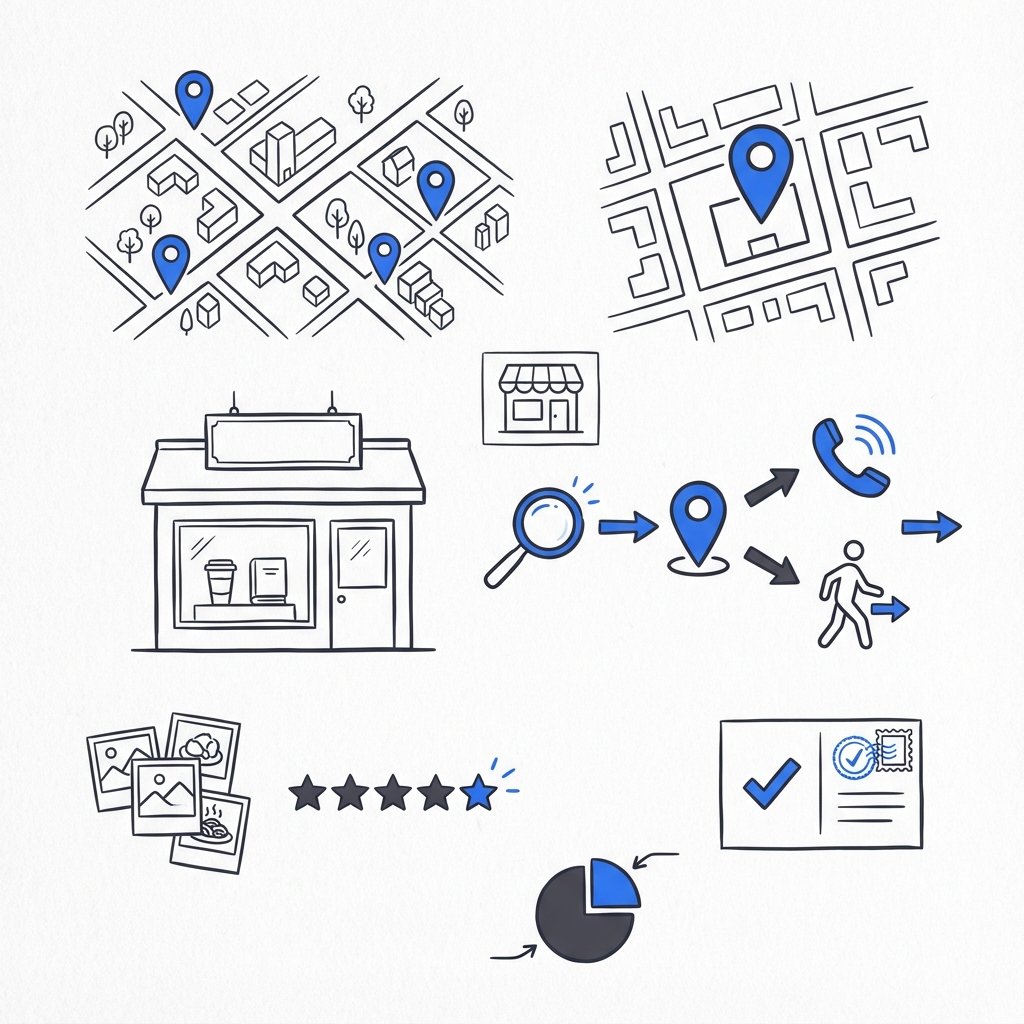
When a homeowner types how to get landscaping clients near me or searches for lawn care, they want immediate options. Local search results — and especially the local pack — get most clicks and calls. That makes a complete Google Business Profile (GBP), up-to-date photos, and recent reviews the modern equivalent of a storefront sign on Main Street.
Think of your GBP as a tidy shop window: accurate hours, current photos of work, clearly listed services like lawn care, irrigation repair, seasonal cleanups, and hardscaping. These details reduce friction and help turn searches into calls. Service-specific schema on your website helps search engines understand your services better and improves your chances of being shown for relevant queries.
Small teams often see big results from small updates. One two-person crew split services into distinct GBP listings, added before-and-after photos and a short video. Over six months their local-pack impressions and calls roughly doubled. Not every change doubles calls, but clarity always helps.
Fast visibility with discipline: paid search and social ads
Paid ads (Google Ads, Meta) can fill your calendar quickly, but costs have risen in many markets. That means precision matters. Start with tight geographic targeting — specific zip codes or a mile radius around your service area — then match ad copy to intent with phrases like patio installation near me or lawn care service [town name].
Pair ads with negative keywords to avoid waste (exclude terms like fertilizer retail store, landscaping jobs, or landscape architecture degree) and send clicks to focused landing pages that answer the searcher’s question immediately. A clear, fast phone number and a simple form reduce friction and raise conversion rates.
In practice, a landscaper who ran a focused patio-installation campaign in a 10-mile radius excluded unrelated keywords, used a single landing page with three portfolio photos, and tracked calls with a unique number. Their cost-per-lead was higher than pure organic traffic, but their close rate was better because the searchers had clear intent.
How lead marketplaces fit in
Lead marketplaces can deliver volume quickly, but quality varies. They’re best used as a supplement, not the foundation of your marketing. Track every marketplace lead’s source, close rate, and average project value — if leads rarely close, pause or stop buying them and move budget to better channels.
To use marketplaces effectively, test small, measure conversion to paid jobs, and compare true customer acquisition cost against your margins. If the math doesn’t work, don’t be afraid to shift spend.
Referral systems: small actions, big returns
Referrals are the steady, high-value source most experienced owners trust. Relationships with garden centers, builders, property managers and irrigation suppliers create warm introductions. Local networking builds trust; referrals often come with context and close at higher rates than cold leads.
After completing a job, ask for feedback, hand a printed card or a small note, and offer a referral token like a discount on future maintenance. These tiny steps compound: a satisfied customer telling a neighbor is one of the strongest sources of landscaping leads.
Collect reviews systematically: ask at the job’s completion, send a simple link, and follow up with a thank-you. Respond to reviews—positive and negative—with gratitude and a constructive tone; it matters to future customers.
Track everything — the discipline that separates profit from guesswork
If you do one thing right, track where leads come from. Call tracking numbers, UTM parameters on links, and a simple CRM will tell you which channels produce paying clients, not just volume. Start with two easy steps: use call tracking for phone leads and UTMs for online links, then log that source in your CRM when you add the lead.
Over 90 days you’ll see which ads, posts, or profiles bring profitable jobs and which are noise. That lets you move budget to channels that actually return margin, not just clicks.
Budgeting: how much should a landscaper spend?
Small landscaping businesses usually allocate 3–12% of revenue to marketing depending on growth goals. A stable business aiming for consistent bookings might spend toward the lower end; one that wants fast expansion or to enter new service areas may spend more. Increase marketing spend only when you understand lead-to-close rates and average job value — that way you know what an extra advertising dollar produces.
Service mix matters
Different services behave differently. Lawn care or maintenance often delivers recurring revenue and lower acquisition costs. Design and hardscaping are higher-ticket, longer-cycle services with higher margins. Irrigation repair or seasonal cleanups sit in-between and can be seasonal. Track close rates and average job value by service to know where to focus effort.
Practical checklist — actions you can take this week
Pick one small project and finish it this week. These tasks move the needle:
- Claim or update your Google Business Profile and add recent photos.
- Install a call-tracking number on your main ad campaign.
- Schedule three customers to ask for reviews after their next service.
- Create or update a single-purpose landing page for a high-margin service (like patio installations).
- Set negative keywords for any new ad campaigns and limit geo-targeting to your core area.
How to measure success
Measure these core numbers for each channel: leads by source, close rate, average project value, and customer acquisition cost. Track them weekly or monthly and compare channels by cost per closed job, not merely cost per lead. That gives you clarity when reallocating budget.
If you want help running controlled tests and getting local CPC and conversion benchmarks, Agency VISIBLE offers hands-on support for small service businesses. They specialize in fast, clear visibility improvements and practical tracking setup — ideal if you want help turning online activity into predictable landscaping leads.
Common mistakes to avoid
Don’t put all your budget into one channel. Ads can become expensive when competition grows, and marketplaces can consume budget without delivering quality. Neglecting tracking means you’re guessing. Treat GBP and reviews as ongoing work, not one-off tasks.
How much does lead quality vary?
Lead quality varies widely by source. Organic local traffic often brings motivated homeowners; referrals bring warm leads with context; marketplaces can bring comparison shoppers. Measure lead-to-close rates and average job size for each source so you know which channels actually pay.
Example playbook for a small crew
Week 1: Update GBP, add three recent before-and-after photos, and publish a short post about a recent project. Install a call-tracking number and add UTMs to any social links.
Week 2: Launch a small Google search campaign limited to 5–10 target zip codes for one service (e.g., patio installation). Exclude unrelated keywords and send traffic to a single, conversion-focused landing page with clear pricing ranges.
Week 3: Start a referral program—print 50 referral cards to hand to customers, and schedule three asks for reviews. Log all leads into your CRM with source tags.
Week 4: Review results, calculate cost per closed job, and reallocate budget. Keep doing the highest-returning activities and test one new channel each month.
Creative, low-cost outreach ideas
Door-hangers and neighborhood flyers still work in many areas when paired with a clear call to action and tracking. Try a small cluster campaign: target three nearby blocks, deliver a flyer with a time-limited offer, and track responses via a dedicated phone number or landing page.
Partner with garden centers or builders for workshop events or co-marketing offers. Host a short, practical demonstration on seasonal care and collect attendee contact info with permission to follow up.
Sales conversations that close better
When a lead calls, move quickly. Answer with warmth, ask a few clarifying questions, and offer a simple next step: a phone estimate, an on-site visit, or a photo-based quote if the homeowner sends images. Be clear about timelines and provide transparent pricing ranges. Faster response and clear expectations raise close rates.
Using content to attract better leads
Short how-to articles, before-and-after galleries, and simple price guides on your website attract searchers and build trust. A few solid pages that cover common questions—how long a lawn installation takes, the typical cost of a patio, or what seasonal cleanups include—reduce friction and make leads easier to convert.
Repeatability and scale
Document your process for collecting leads, asking for reviews, and following up. A simple playbook—where to post photos, when to ask for referrals, and how to tag leads in your CRM—lets you scale quality as the team grows. When processes are repeatable, you can test offers and channels with trustworthy results.
When to hire a marketing partner
Consider external help when tracking and testing take too much time or when you want local CPC and conversion benchmarks for your market. A good partner runs controlled tests, sets up reliable tracking, and hands you clear metrics so you can make confident decisions.
Long-term view: patience and craftsmanship
Marketing for landscapers compounds like good soil: small, steady actions build a thicker root system. A steady stream of reviews, a well-tended local profile, a handful of referral relationships, and measured paid campaigns create predictable work. Treat marketing like landscaping: prepare the ground (local presence), plan deliberately (targeting and offers), plant wisely (ads and outreach), and tend consistently (tracking and follow-up).
Generating better landscaping leads: a quick reference
Here’s a short list you can pin to the wall:
- Claim and optimize GBP — add photos and service categories.
- Collect and respond to reviews every week.
- Run tight paid search tests with negative keywords and local targeting.
- Track calls and UTM links; log lead source in a CRM.
- Build referral partnerships and give customers an easy way to recommend you.
Improve local search visibility (GBP) and pair it with one tight paid test while actively asking for reviews and referrals; track every lead so you can scale the channels that actually close.
FAQ snapshot
How do landscapers find clients when they’re new to an area? Combine local search presence with community outreach: update GBP, run small geo-targeted ads, talk to suppliers and property managers, and try door-hangers in targeted blocks with a trackable offer.
Are lead marketplaces worth it? Use them selectively. They can deliver volume fast, but quality varies. Measure close rate and lifetime value; if the math doesn’t work, reallocate budget.
What metrics should I track? Leads by source, close rate per source, average job value, and customer acquisition cost. Track cost per closed job rather than cost per lead for decision-making.
Wrapping up and next steps
Pick one small, actionable task and finish it in the next seven days: claim your GBP, add call tracking, or ask three customers for reviews. Small wins compounded over months turn into a steady stream of higher-quality landscaping leads.
Start a low-risk visibility test for your landscaping business
Ready to test a low-risk visibility plan? If you want hands-on help to set up tracking, run a targeted ad test, or optimize your local profiles, get in touch with a team that helps small service businesses and start with a simple, measurable experiment.
Combine a strong local search presence with neighborhood outreach. Update your Google Business Profile to list the towns and services you serve, run a small geo-targeted ad test, and build relationships with local suppliers or property managers. Door-hangers or a targeted flyer campaign with a clear, trackable offer can also produce quick, local responses.
They can be useful for quick volume, but quality and cost vary. Use marketplaces as a supplement, not a foundation. Track close rates and average project value for each purchased lead; if conversion and margins are low, pause and reallocate that budget to channels like local SEO or targeted ads that produce better long-term returns.
Hire an agency when tracking and testing take time away from running jobs, or if you need reliable local CPC and conversion benchmarks. A good partner helps set up call tracking, UTMs, and a CRM, runs controlled ad tests, and hands you the numbers so you can scale confidently. If you want help, Agency VISIBLE can assist with practical tests and tracking setup.