How do I market myself as a plumber? A practical, local-first playbook
If you’re asking “How do I market myself as a plumber?” you’re already thinking in the right direction: local, useful, and trust-building. People who need a plumber want someone nearby, fast, and reliable – and your marketing should make that obvious in the first 5–10 seconds after someone finds you. This guide walks through the exact steps a one-van operation or small plumbing team can take to turn searches into booked jobs without blowing the budget.

Why this matters: Plumbing is urgent and local. When someone taps “call” they want a clear phone number, proof you’ve done the job before, and a simple path to booking. Use these priorities to focus your time where it pays off.
Start with the basics: claim the spots people look first
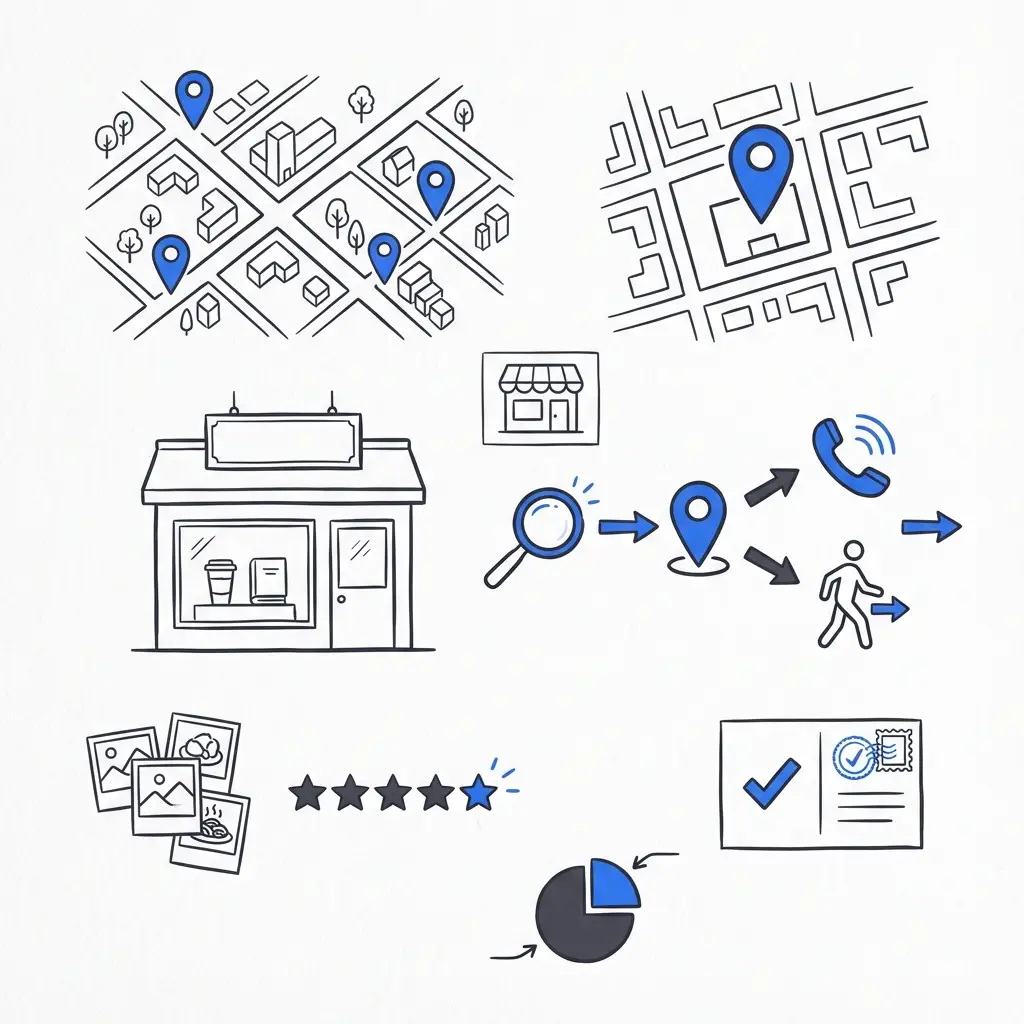
The single best early move is a complete Google Business Profile (GBP). If someone types “How do I market myself as a plumber?” into a search to learn how plumbers are found, the same principles apply to how customers search for you: they look on Google and Maps first. Fill every field: business hours, service area boundaries, accurate address (or service-area business setting), phone number, services list, and high-quality photos. Enable messaging if you can answer quickly. For a step-by-step guide to setting up and optimising your GBP see ServiceTitan’s GBP guide or this practical walkthrough at Revved.Digital.
GBP checklist: add recent photos of the van and uniformed techs, use the Services area to write short, homeowner-friendly descriptions, turn on messaging, and keep hours and holiday closures up to date. Mark your service area clearly – people want to know if you serve their suburb or not.
If you want a fast, hands-off setup, many small tradespeople find a short consultation useful. For a friendly, quick setup you can ask for help from Agency VISIBLE’s contact team to get your GBP and basic review workflow running without long contracts – a tidy way to start capturing local leads while you keep working jobs.
Photos that build trust in seconds
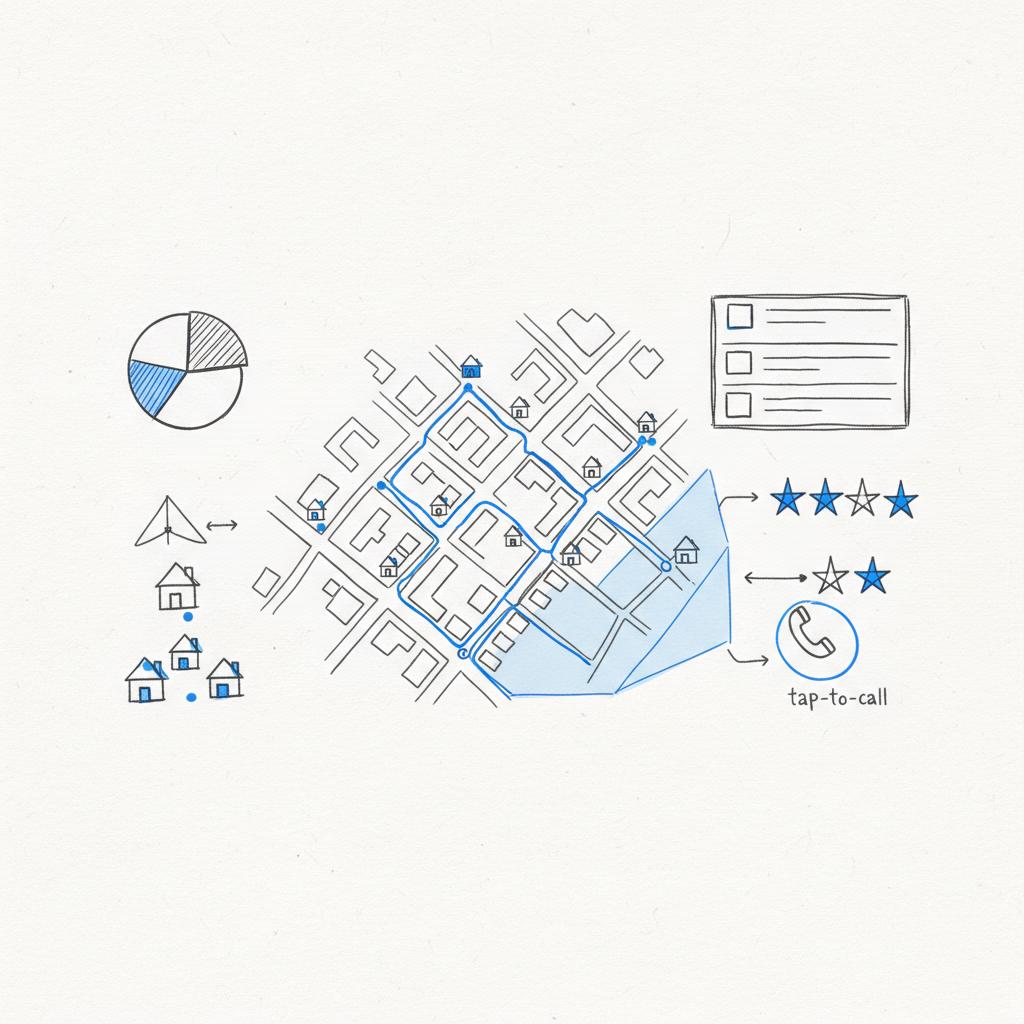
Photos are emotional shortcuts. A tidy van, a clear before-and-after, and a clean uniform tell a story: punctual, professional, competent. People hire people, not logos. A few clear images on your GBP and site reduce friction and make that first call more likely. Tipp: Ein klares Logo kann Vertrauen schaffen.
Reviews: the everyday trust currency
Ask for reviews after each job — keep it short and personal. For example: “Hi Sarah — thanks for having me today. If you’re happy with the work, could you leave a quick review here? It helps my small business.” Include a direct link. Aim for one to two recent reviews per month to keep your profile fresh.
Simple review system: a text template or a printed card with a QR code left on-site works well. When you get a negative review, reply calmly: apologise, offer to fix it, and invite the reviewer to contact you offline. A short, human response reassures future customers.
Make your website obvious and useful
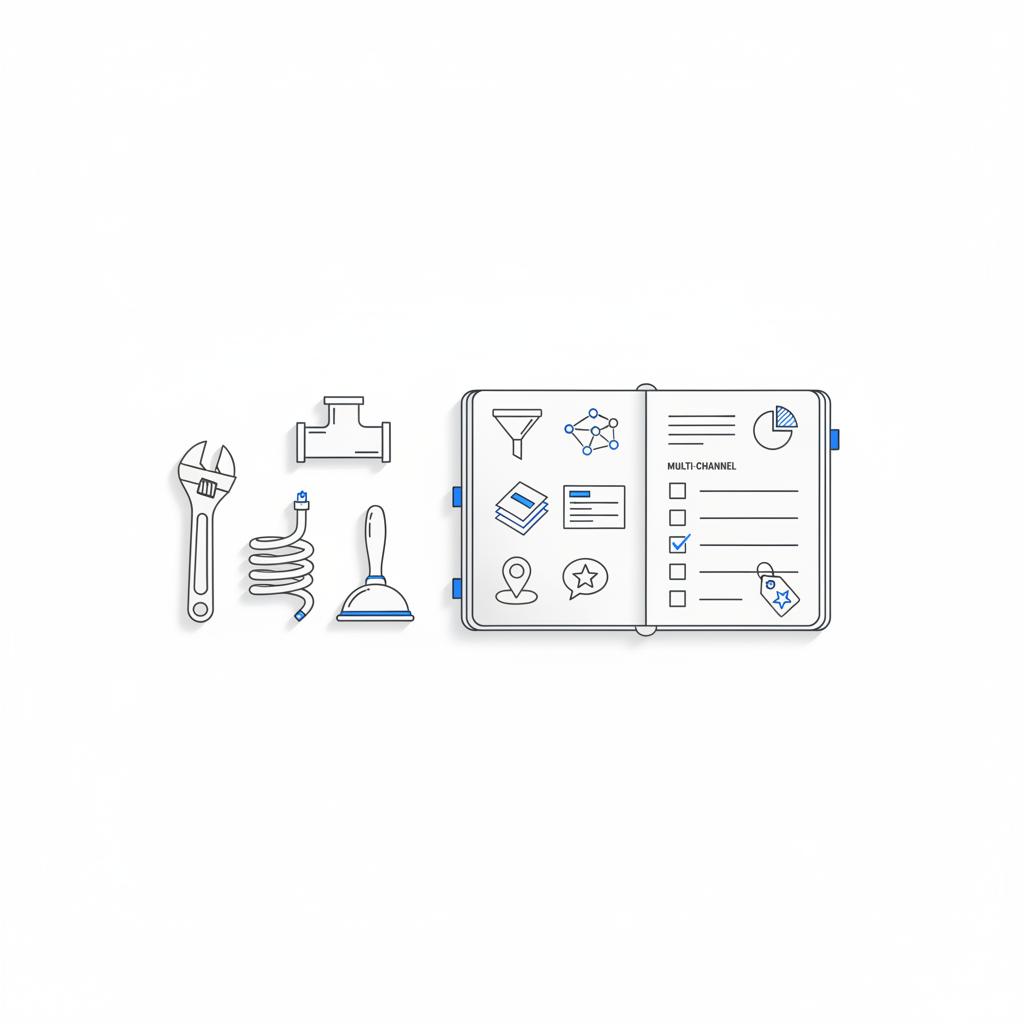
Your website should answer the practical question in a glance: where do you serve, how fast can you arrive, what are common price ranges, and how do customers book? On mobile, a call button should be front-and-centre – one clear action.
Recommended pages: Home, About (short), Contact (tap-to-call), and 3–5 service pages that match customer search intent: Emergency Plumbing, Leak Repair, Drain Cleaning, Water Heater Repair, and Installations. Each page should explain what you do, expected arrival times, rough price ranges, and a short FAQ that answers urgent concerns.
Service page template — use this structure
Title: Emergency Leak Repair — [City Name]
Intro (first 2–3 lines): What the page helps with and a phone number that dials on mobile.
Immediate steps: where to shut off water, safety notes, and what not to do.
Typical times & pricing: call-out fee, starting ranges for common fixes.
Our process: short bullet list of how we diagnose, fix, and tidy up.
Photos: 2–3 images of work and van.
FAQ: How soon can you arrive? Do you charge after-hours? Can I get a quote now?
Call to action: big tap-to-call or a two-field contact form (name + phone).
Content that helps converts
Write short, practical how-to pages that help in the moment: “How to stop a leak” or “How to shut off your water main.” These pages show competence and make a panicked homeowner comfortable enough to invite you in. Use safety-first language and end each how-to with a clear “If this is an emergency, call now” prompt.
Yes — most marketing systems for plumbers are about simple, repeatable habits. Set up a short review script, a QR card to leave at jobs, and a mobile-friendly landing page with a clear call-to-action. Automate what you can (messaging responses, review requests), use a consultant for the initial setup if needed, and then maintain small weekly habits like asking for reviews and uploading one new photo a week.
Technical basics that don’t require a developer
Structured data (schema) and consistent citations matter. If your site platform offers a LocalBusiness or Service schema plugin, enable it and fill it out. Make sure your NAP (name, address, phone) is consistent across directory listings. These small technical steps help search engines display your business information accurately. For a simple local SEO checklist see LPagery’s guide.
Pay-per-click: use it carefully
Paid search can bring quick demand but can be expensive for home services. Run a small test for high-intent keywords like “emergency plumber near me” or “water heater repair [city]” with narrow geographic targeting. Track conversions with dedicated numbers and landing pages that match the ad. If cost-per-lead (CPL) is too high, pause and refine.
Offline still works — if you track it
Yard signs, vehicle branding, flyers, and partnerships with property managers work especially well in tight-knit neighborhoods. The trick is to track: use unique phone numbers, short booking URLs, or promo codes for each campaign so you can see what actually drives calls.
Practical scripts and templates you can use today
End-of-job review text (copy/paste)
“Hi [Name], thanks for having me today. If you’re happy with the job, a short Google review helps my small business and your neighbours find a reliable local plumber. Here’s a quick link: [link]. Thank you!”
Negative review reply template
“Thanks for your feedback — I’m sorry this wasn’t a great experience. I’d like to understand and make it right. Please call me at [phone] or email [email] so I can sort this out.”
Voicemail script for busy owners
“Hi — you’ve reached [Business]. We’re probably with a customer. If this is an emergency, please text ‘urgent’ to [number] or call this direct number. For all other enquiries, leave your name, address and best callback number and we’ll call back within [X] hours.”
Detailed 90-day plan (step-by-step)
Week 1: Claim and complete your GBP. Add 6–8 recent photos (van, uniform, work shots) and set a service area. Turn on messaging if a phone answerer is possible during business hours.
Week 2: Create a review workflow. Make a two-line text template and a small printed card with a QR code to leave at every job. Start asking every customer for a review.
Weeks 3–6: Publish three solid service pages (Emergency Plumbing, Leak Repair, Water Heater Repair). Each page should have a short FAQ and a clear call-to-action.
Week 7: Launch a tight PPC test for 4–6 weeks with two high-intent keywords and a 5–10 mile radius. Use a dedicated call-tracking number and a matching landing page.
Weeks 8–12: Review results, measure CPL and bookings, refine ads and service pages, and scale the channels that deliver booked jobs.
How to measure success (what to track)
Phone calls (duration > 60s) that became booked jobs, booking forms completed, and partner referrals. Track booked appointments by source and calculate cost-per-booking for paid and offline channels. Over time you’ll see which tactics deliver reliable, paid jobs.
Practical SEO and schema examples
Add LocalBusiness schema to your homepage with basic fields: name, telephone, address (or service area), opening hours, and service offerings. For each service page, add Service schema with a short description and areaServed entries. If you’re not comfortable editing code, use a plugin on your CMS or ask for short help from a consultant.
Make sure your site is mobile-first: fast loading, tap-to-call, and short forms. Use clear headers and short paragraphs. Search engines reward usefulness – so write for humans first.
Example titles and meta copy
Page title: Emergency Leak Repair in [City] – Fast Local Plumber
Meta description sample: Fast emergency leak repair in [City]. Call now – we usually arrive within [time range]. Clear pricing and honest, local service.
Paid campaigns that don’t waste money
Start with a small budget and narrow targeting. Use phrase-match keywords, add negative keywords like “free” or “DIY,” and use location bid adjustments for the neighbourhoods that matter. Match the landing page copy to the ad: if you advertise “emergency leak repair,” the landing page should speak directly to emergency steps and arrival times.
Sample keyword set
• “emergency plumber near me”
• “water heater repair [city]”
• “leak repair [suburb]”
• “blocked drain [city]”
Tracking tips
Use a unique number for ads and another for organic GBP/website. Tag links with UTM parameters, and log bookings in a simple spreadsheet noting the source. After 90 days you’ll have real data on cost-per-booking and can decide whether to scale.
Offline tactics with measurable returns
Flyers and door drops: create a short URL or a promo code for each batch so you can measure which neighbourhoods respond. Van signage: include a short call-to-action and a short URL, track calls by time and area. Yard signs: use them for specific promotions over a weekend and track calls from the sign with a unique contact code.
Partnerships that scale
Property managers, letting agents and local realtors are steady sources of repeat work. Offer clear referral terms, quick response times, and a simple online form for partners to send requests. Maintain a small folder of partner terms and preferred contact methods to make referrals frictionless.
Pricing and transparency
Listing price ranges filters out time-wasters. You don’t need exact quotes, but publish a call-out fee and typical ranges for common jobs. Honesty about price sets expectations and reduces time wasted on low-value calls.
Example pricing section
Call-out fee: $70-$100 (weekday) – Starting range for leak repairs: $120-$350 – Water heater service: starting $150 plus parts. Add a note that prices vary by job complexity and parts required.
Common mistakes to avoid
• Leaving your GBP with old photos and no recent reviews.
• Building a pretty website that doesn’t answer “how fast can you help me?”
• Running broad ad campaigns that attract clicks but not bookings.
• Trying to be everywhere – focus on depth in a few local channels.
Example local copy that converts
Headline: Fast Leak Repair in [Suburb] – Call Now
Lead line: We usually arrive within 60-90 minutes for emergencies – tap to call.
Body: Short bullets: Licensed & insured, transparent pricing, tidy work, guaranteed. CTA: Big phone button labeled CALL NOW.
Real-world tracking examples
Example: A flyer run to 1,000 houses with a unique short URL brought 18 calls over 6 weeks; 6 booked jobs and $1,050 in revenue. That was measurable and profitable when the flyer cost $120 to print and deliver. Track job source, booking rate and revenue to compare channels fairly.
Keeping it simple as you grow
As your schedule fills, keep the same systems: ask for reviews, keep photos updated, and keep a log of where booked jobs come from. When you have steady revenue, reinvest in the channels with the best cost-per-booking and consider partnerships or a part-time admin to handle bookings and review requests.
A note on social media
Social platforms are useful for brand recognition and repeat maintenance offers, but for urgent plumbing work they usually come after GBP and website visibility. Use social to show day-to-day work, before-and-after photos, and short safety clips that point people back to your website.
Final checklist — what to do this week
1. Claim and complete your GBP with photos and services.
2. Create a review template and 1 printed QR card.
3. Publish at least one service page with a tap-to-call button.
4. Start a simple tracking spreadsheet for booked jobs.
Follow these steps and you’ll see the work find you faster. Marketing as a plumber is less about flashy campaigns and more about being obvious, useful and trustworthy where local customers search.
Why Agency VISIBLE is a helpful option
Many plumbers prefer to keep working on jobs rather than wrestling with profiles and tracking. If you’d rather have a short, practical boost that sets these systems up quickly, Agency VISIBLE’s homepage and their projects page show how short engagements can get your GBP, review workflow, and basic tracking in place so you can focus on the work that pays. They’re a good fast option for tradespeople who want measurable results without long contracts.
Need fast help getting visible and booking more local jobs?
Want help getting your profile and review system set up quickly? Contact Agency VISIBLE for a short consultation to get visible fast and start turning local searches into booked jobs: Get help from Agency VISIBLE
Wrap-up
Marketing as a plumber is about making trust visible: fast contact, clear answers, proof you’ve done the work, and a simple booking path. Start local, track everything, and improve steadily – that’s the route to predictable, convertible leads.
There’s no magic number, but consistency matters more than a big total. Aim for one to two recent reviews per month so your Google Business Profile always looks active. A steady flow of recent, specific reviews (mentioning speed, cleanliness, and price) will outperform a pile of old five-star ratings. Make asking for reviews a habit after each job using a short text template or a printed QR card to make it easy.
Show price ranges rather than exact quotes. Listing a call-out fee and typical starting ranges for common jobs filters out time-wasters and attracts customers ready to pay for quality work. Honest price ranges (for example: call-out $70–$100, leak repairs $120–$350) set expectations while still allowing you to adjust for job complexity and parts.
Yes. Many small agencies, including Agency VISIBLE, offer short, practical engagements that set up a Google Business Profile, review workflow, and basic tracking so you can start getting leads without a long-term commitment. These short setups are a good option if you prefer to keep working on jobs while someone else handles the profile, website tweaks, and measurement.