Start with the question that matters: how to market a lawn care business in your town
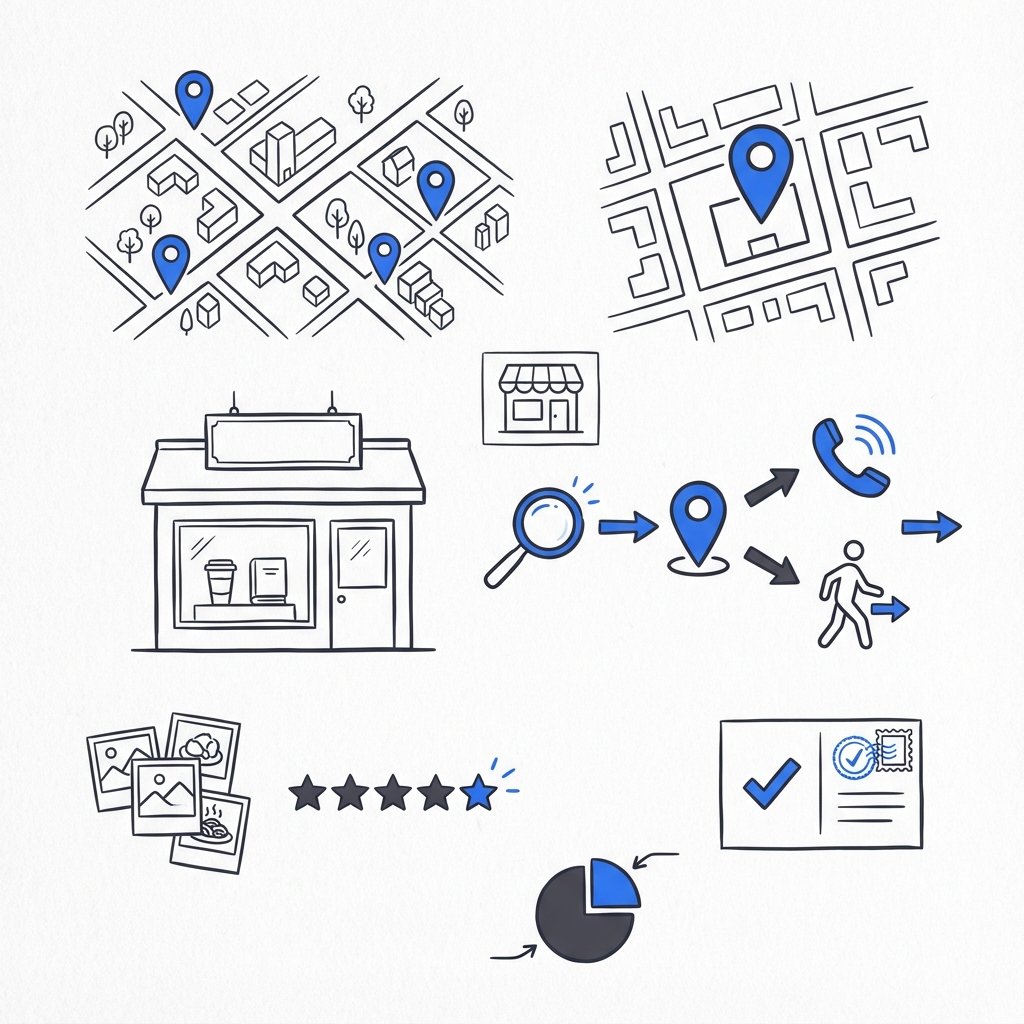
If you’ve ever wondered how to market a lawn care business, the short answer is simple: be visible where people are looking and make it effortless for them to book. Local visibility — showing up in search, on maps, and on a neighborhood page that feels familiar — turns a moment of intention into a phone call, a booked service, or a recurring customer.
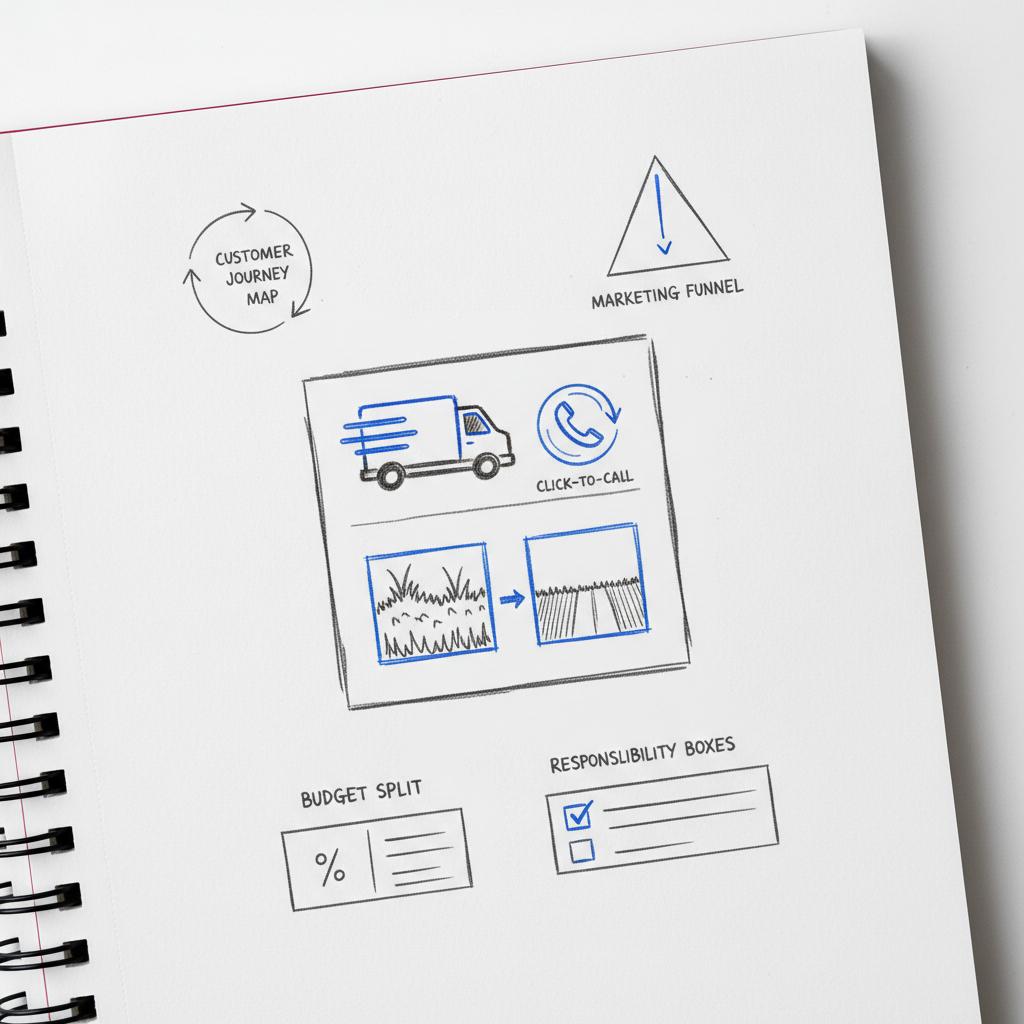
Local homeowners don’t browse lawn care for fun. They look when they need a mow, a cleanup before a party, or an emergency fix after a storm. That moment of intent is short. If your listing, website, or local page doesn’t answer immediate questions—Do you service my street? What’s a ballpark price? Can I call now?—you lose the lead to a competitor who did. A clear, recognizable logo can help build trust when someone finds your listing.
Why this matters now
The competitive advantage for small lawn care businesses comes from practical improvements that are fast to implement and measurable in weeks, not months. These are the same channels homeowners use when intent is highest: search results like “lawn care near me,” your Google Business Profile (GBP), and location-specific pages on your site. Prioritizing those places reduces wasted spend and increases bookings.
Tip: If you want a quick consult on a local plan that fits your budget and schedule, teams like Agency Visible are built to design measurable local campaigns and can help you translate small changes into steady revenue – no big ad blitz required.
Make your Google Business Profile work for you
How to market a lawn care business starts with claiming and optimizing your Google Business Profile. GBP appears at the moment someone searches a town plus a service – and it often drives calls and requests without visitors ever clicking deeper into your website.
What a complete profile looks like:
- Accurate contact info and hours – set the hours you actually answer phones.
- Service list and brief descriptions – use plain language and neighborhood names.
- Recent photos – show real work, your team, your van, and before/after shots, not just stock photos.
- Answers to common questions – short replies to FAQs like “Do you use organic fertilizer?” or “Do you mow weekly?”
- Reviews and replies – encourage reviews and respond to them politely and promptly.
Small change, big effect: one two-person crew that updated photos and set realistic hours saw inbound calls climb within three weeks. The only cost was time.
GBP tracking and call data
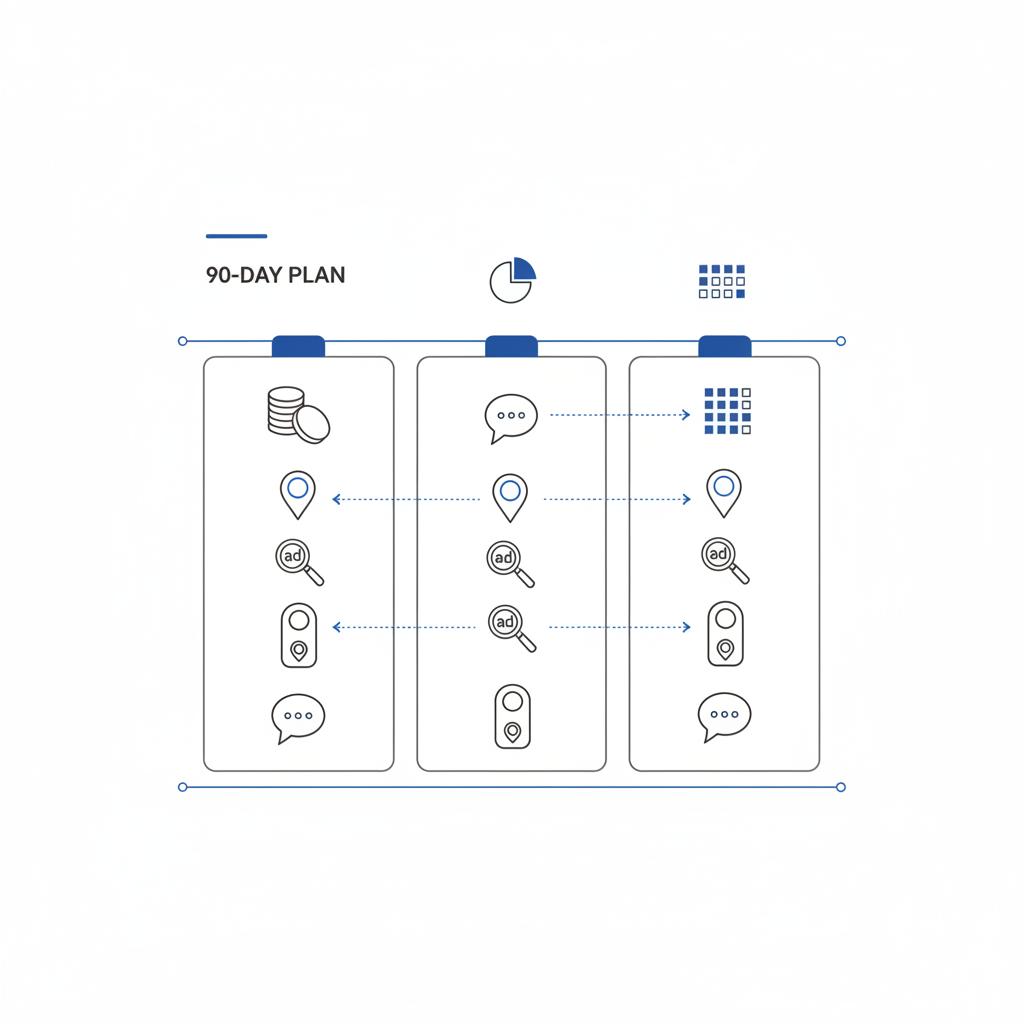
Link call tracking to your GBP so you know how many calls come from that listing. Use a unique forwarding number if you run neighborhood door-hangers or direct mail to measure offline responses. If calls spike after a photo update or a post, you just proved a small change moved the needle.

Claim and optimize your Google Business Profile: add 6–8 recent photos, set hours you actually answer, add a short service list with neighborhoods, and add a click-to-call button. Pair that with one targeted door-hanger in a nearby neighborhood and a unique phone number—measure calls for two weeks and you’ll see what moves the needle.
Create location pages that convert, not just rank
One-page websites aren’t enough when your service area covers several towns or neighborhoods. Location pages do double duty: they help search engines match your business to local queries and they reassure visitors that you know their neighborhood.
What to include on each location page:
- Local landmarks – mention parks, schools, or well-known streets so visitors feel seen.
- Short price ranges – a ballpark for a typical mow (e.g., $30-$65) reduces friction.
- Recent job story – one paragraph about a recent yard you serviced there with a photo.
- Common yard challenges – shade, drainage, slopes; describe your approach in one or two sentences.
- Clear CTA – click-to-call, a short booking form, or an appointment button.
When someone searches “Springfield lawn mowing” and lands on a page that mentions their park and gives a price range, trust builds instantly. That trust increases the chance they’ll call that day.
Local content that actually helps
Use a short testimonial from a customer in that specific neighborhood. Add before/after images and a short FAQ tailored to typical local questions. Avoid long, SEO-stuffed paragraphs – aim for clarity and utility so the homeowner gets the answer in under 20 seconds. For additional strategy ideas based on industry surveys, see Top Marketing Strategies for Lawn Care Businesses.
Paid search: targeted, measurable, and intentional
Paid search still wins when used sparingly and smartly. People who type queries like “lawn mowing near me this week” often want fast service; they have high intent. But paid clicks cost money – the landscaping category saw average CPCs near $3.60-$3.70 in 2024 – so be precise. For a broader overview of effective landscaping marketing tactics, see 9 Best Landscaping Marketing Strategies in 2025.
How to run a cost-aware Google Ads test:
- Start small: test with $10-$25 per day in a tight geographic radius.
- Bid on urgent phrases: “this week,” “same day,” “emergency lawn care” plus your service area.
- Send traffic to a focused landing page: one-page experience that lists services, a short price range, and click-to-call.
- Use call tracking: a unique forwarding number for the ad to attribute phone leads.
- Measure CPA vs. first-visit revenue: if CPA exceeds expected first-visit revenue, tighten targeting or pause.
When you measure, paid search becomes a predictable tool for filling immediate gaps – not a magic faucet.
Sample ad copy ideas
Use urgency and geographic signals:
- “Same-week lawn mowing in [Town Name] – Book today, slots limited.”
- “Emergency cleanups after storms – local crew, quick response.”
- “Spring cleanup + fertilization – limited slots for [Neighborhood].”
Offline tactics that still deliver
Direct mail, door-hangers, and neighborhood flyers aren’t dead. They work when you target carefully and track responses. Typical response rates land between 0.5% and 2% – meaning 5-20 responses from 1,000 pieces in a well-chosen area. For a list of practical landscaping marketing tactics, see 20 Landscaping Marketing Tactics to Grow Faster.
How to make door-hangers pay:
- Strong offer: discounted first mow, bundled cleanups, or a seasonal check at a reduced rate.
- Clear CTA: unique phone number or short URL with a promo code.
- Limit the run: create urgency with a deadline.
- Follow-up: capture numbers and send an SMS reminder or a quick call if they respond.
Example door-hanger message: “Spring cleanup + fertilization check – book by April 30 for $20 off. Call 555-222-0199 or visit shorturl.com/spring-yard“. Use a real unique number and URL to measure the channel.
Email and SMS: keeping customers coming back
Retention beats acquisition for steady revenue. Email open rates for service industries often sit in the 20-30% range; SMS engagement is much higher. Use each channel for what it does best.
Practical sequence for new customers:
- Day 0 (after service): Thank-you email with a photo and a short note about what was done.
- Day 14: Short educational email about next seasonal need (fertilization, aeration).
- Four weeks before next window: SMS reminder with one-click confirm or reschedule link.
- Quarterly: Newsletter with tips, before/after images, and a referral reminder.
Templates you can use today
Email — Thank you (short):
Hi [First Name],
Thanks for letting us take care of your yard today. We attached a before/after photo and logged the visit. If you noticed anything we missed, reply to this email and we’ll make it right. Want to book the next visit now? Click here to confirm: [one-click link].
SMS — Appointment reminder:
Hi [First Name], this is [Company]. We’re scheduled for [Date]. Reply YES to confirm or CALL to reschedule. Thanks!
Make your website a conversion engine
Site conversion rates for lawn care typically sit in the low single digits. You can lift conversions with a few simple UX changes that reduce friction:
- Mobile-first click-to-call in the header.
- Short booking form requiring only name, address, phone, and a brief note.
- Visible price ranges on service pages.
- Social proof – recent reviews and before/after galleries.
- Live chat or quick booking buttons for same-week requests.
Offer three clear package choices on the booking form – weekly, biweekly, seasonal – and show a short explanation of each. Packages speed decisions and increase average order value.
Price for predictability, not confusion
Transparent pricing builds trust. Show per-visit ranges for typical yards and offer tiered packages for customers who want predictability and savings. Use price anchoring – list a comprehensive seasonal plan alongside a simpler plan so customers can compare value at a glance.
Example pricing structure:
- Small yard mow: $30-$40
- Average yard mow: $40-$55
- Large or complex yard: $55-$85
- Seasonal plan (spring-fall): price per visit shown
Referral programs and partnerships
Referrals and local partnerships are low-cost ways to grow. Offer a simple credit or discount for a referred neighbor and give partner businesses a clear tracking method.
Partner ideas:
- Local nurseries and garden centers
- Hardware stores and landscaping supply shops
- Property managers and real estate agents
Give partners a referral code or a tracked number and reward them when the lead books and pays. Track everything in your CRM so you can see which partners send repeat business.
Measure everything and adjust
Measurement is the secret that separates guessing from growth. Start with these basics:
- UTM tags on web campaigns.
- Unique forwarding numbers for ads and offline pieces.
- CRM entry for lead source and outcome.
- Weekly review of calls, form fills, and booked jobs.
If a channel’s cost-per-lead is higher than a new customer’s expected first-visit revenue, either improve conversion or reallocate the budget. Seasonality matters: test and learn early in the season and scale what works.
A 90-day, week-by-week plan you can run now
This plan focuses on quick, measurable wins and repeats what works:
Month 1 — Build the foundation
Week 1: Claim/update your Google Business Profile. Add 6–8 recent photos, set accurate hours, and reply to reviews.
Week 2: Create 2–3 location pages with short local anecdotes, price ranges, and a booking CTA.
Week 3: Run a small paid-search test targeting urgent keywords in a tight radius. Use a unique call tracking number.
Week 4: Design a door-hanger for one neighborhood with a clear offer and a unique URL or phone number.
Month 2 — Test messaging and retention
Week 5: If paid search produced leads, double down on the highest-performing keywords and pause low performers.
Week 6: Begin an email and SMS sequence for new customers: thank-you email + SMS confirmation flows.
Week 7: Launch a small referral offer for existing customers with trackable codes.
Week 8: Review the numbers and optimize location pages — add a short testimonial and a second image.
Month 3 — Scale what works
Week 9: Expand door-hanger distribution to a second neighborhood where you saw good early traction.
Week 10: Add more location pages for adjacent suburbs and reuse the best-performing microcopy.
Week 11: Run a second paid search burst for the neighborhoods that produced the best CPA.
Week 12: Assess your 90-day results and allocate budget to the channels that delivered profitable leads.
Scripts and microcopy you can use tomorrow
Use short, confident language. Here are scripts for phone, voicemail, and SMS that often convert better than long-winded answers:
Phone script (first contact):
“Hi, this is [Your Name] with [Company]. Thanks for calling — are you looking for a same-week mow or a seasonal plan?”
If they say same-week: “We have openings on [Day]. We can do a standard mow for about $[range] depending on yard size. Can I get your address to confirm?”
Voicemail script:
“Hi, you’ve reached [Company]. We’re sorry we missed you. Call us at [number] or go to [short URL] to request the next available slot. If this is urgent, please mention ‘same-week’ and we’ll call back quickly.”
SMS quick confirm:
“[Company] appointment for [Date]. Reply YES to confirm or CALL to reschedule. Questions? Reply with a message.”
Landing page checklist that turns clicks into bookings
- Headline with clear offer and location
- Short price range
- Click-to-call button above the fold
- One short paragraph explaining what you do
- One testimonial and one before/after image
- Short booking form (name, address, phone)
- Call tracking and UTM parameters
Common pitfalls and how to avoid them
Don’t hide prices behind long forms. Don’t skip tracking. Don’t treat paid ads as unlimited – raise budget only when conversion improves. Standardize your tracking so you can answer “Which channel produced that customer?” with confidence.
Sample budgets and expected outcomes
Use small tests and judge by lead quality, not clicks. Example monthly starter budget for a small 2–3 crew operation:
- GBP & local SEO: mostly time – $0-$300 one-time for photos and copy.
- Paid search test: $300-$700/month targeted to urgent keywords.
- Door-hangers/direct mail: $150-$400 for a focused run of 1,000 pieces.
- SMS/email tools: $15-$50/month.
Expect some channels to perform better than others. Measure and reallocate.
A short case study (what steady growth looks like)
A family-run lawn care business in the Midwest optimized their GBP, added three neighborhood pages, distributed door-hangers in two subdivisions, and launched SMS reminders. Over three months they saw inbound calls increase, booked more repeat seasonal plans, and hired one additional crew for the summer. The growth was steady and measurable – driven by small, tracked actions rather than a single large ad spend. Agencies like Agency Visible specialize in helping local businesses apply these same measured tactics if you want an outside partner to help implement them. See their work at Agency Visible projects.
Measurement essentials: what to track
Track these KPIs every week:
- Calls from GBP and tracked numbers
- Form submissions and booking rate
- Paid search CPA
- Door-hanger short-URL or phone responses
- Customer lifetime value and repeat-booking rate
When CPA is above the first-visit revenue, adjust. When a channel’s conversion rate improves with a small change (photo, price visibility), scale that change.
Bonus: a short audit checklist
Quick wins to check this week:
- Claimed GBP with current hours and 6+ photos
- One click-to-call button on mobile
- Two location pages with price ranges
- Active reviews and replies
- Unique phone number for any door-hanger or mail runs
Wrapping up: prioritize intent and remove friction
Marketing a lawn care business isn’t about flashy ads. It’s about being present when someone needs a mower, a cleanup, or a quick fix. Prioritize channels where intent is highest – GBP, local search, and targeted paid ads for urgent requests – and remove friction from booking with clear prices, short forms, and click-to-call. Learn more at Agency Visible.
Get a Practical Local Marketing Plan for Your Lawn Care Business
If you want a short audit or a local campaign built for measurable results, reach out to get practical help and a clear plan to increase bookings: Contact Agency Visible.
Take small, measured steps. Test for a few weeks, measure the result, and double down on what works. That approach fills schedules, reduces wasted spend, and builds a local reputation that pays off season after season.
Start small and test. For a small 2–3 crew operation, begin with $300–$700/month on a tightly targeted paid search test aimed at urgent keywords in a tight geographic radius. Measure cost-per-lead and compare it to expected first-visit revenue. If CPA exceeds what a first visit is worth, tighten targeting, improve the landing experience, or reallocate budget to local pages and GBP improvements.
Keep it simple: a compelling, time-limited offer (discounted first mow or a bundled spring cleanup), a unique phone number or short URL, a deadline, and one or two images that reflect your work. Use a tracking number or code so you can measure response, and follow up quickly with SMS or a call to warm leads.
Use simple, consistent tracking: UTM tags on web campaigns, unique forwarding numbers for offline pieces, and a CRM field that records lead source at intake. Ask callers "How did you hear about us?" and always log that answer. Compare the cost of each channel to the revenue and repeat value that those customers provide to determine where to spend more.
References
- https://webrunnermedia.com/insights/landscaping-marketing/
- https://www.yourgreenpal.com/blog/top-marketing-strategies-lawn-care-businesses-insights
- https://www.northone.com/blog/small-business/landscaping-marketing-strategies
- https://agencyvisible.com/contact/
- https://agencyvisible.com/
- https://agencyvisible.com/projects/