How do I get customers for my roofing business?
If you want predictable growth, start with roofing lead generation. When a homeowner types “roof repair near me” they want a fast answer, a clear phone number, and visible proof that you do great work. Small and mid-sized roofers can turn that immediate intent into booked inspections and signed contracts without huge budgets – if they focus on a few simple, repeatable systems.
Why roofing lead generation matters right now
Roofing lead generation isn’t a buzzword; it’s the lifeline of your company. In the first 10% of this article we’ve already mentioned the phrase because it’s the pulse of modern customer acquisition for roofers. A steady approach to roofing lead generation smooths out the feast-or-famine cycle and makes your crew’s calendar more predictable.
Here’s the short truth: homeowners search, compare, and call. If you’re easy to find and you show proof, they call you. That’s the core of roofing lead generation – visibility plus proof equals phone calls.
Ready to turn more leads into booked inspections?
Ready to accelerate results with a simple plan? If you want help setting up a local ads test, cleaning up your listings, or building a follow-up system that actually books inspections, contact Agency VISIBLE to start a short, practical engagement that gets measurable results.
1. Start where people look first: local search and listings
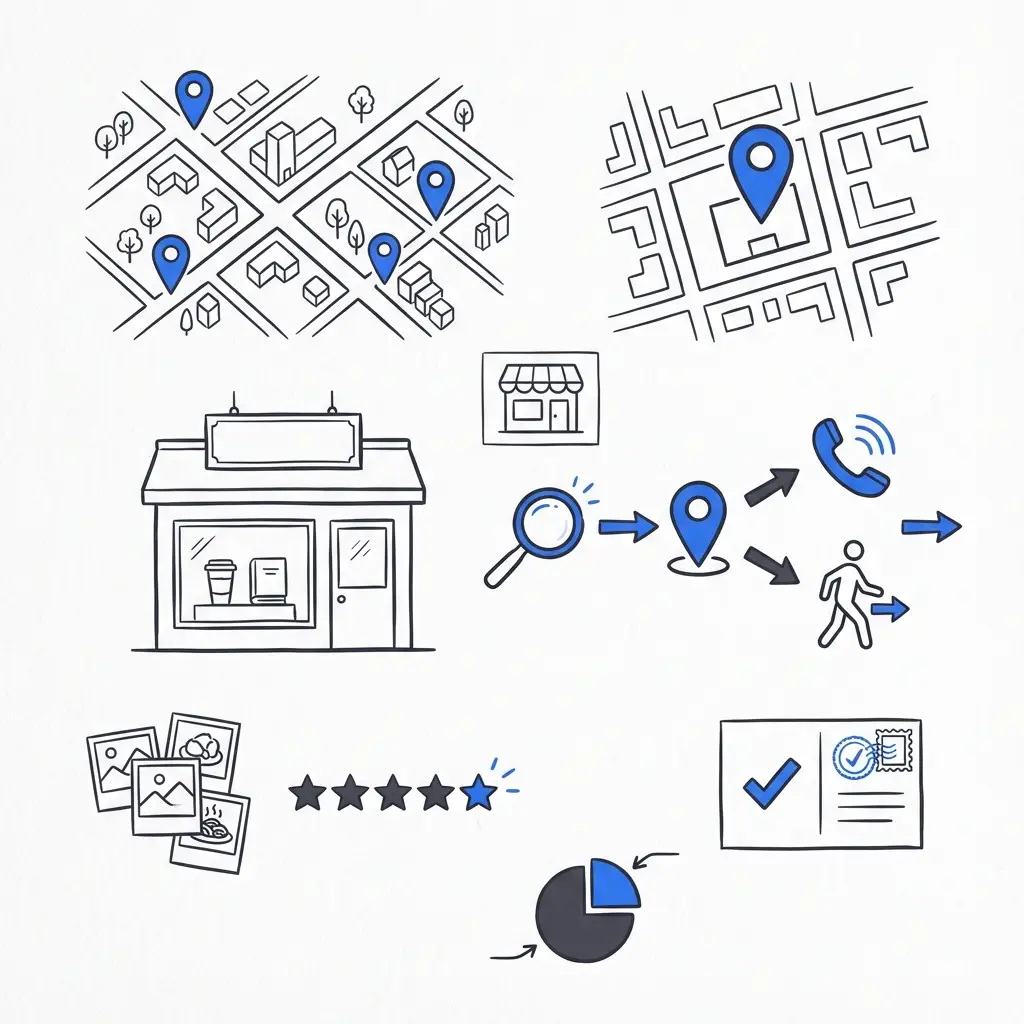
When a roof leaks, people search on their phone. “Roofing lead generation” begins with being visible in local search and on your Google Business Profile (GBP). Claim your listing, confirm your address and phone number, and keep hours accurate. Post recent photos of finished jobs, write a crisp description that mentions your city or service area, and reply to questions and reviews quickly. This basic step often delivers the fastest return for the least money.
Quick checklist: GBP basics
Do this now: claim profile, add 5 fresh photos, reply to the most recent review, list services (emergency tarping, replacement, repairs), and enable messaging if possible. These items are small but they materially improve roofing lead generation because they increase trust for emergency searches.

2. Paid search and social: control the volume
Local listings help people find you. Paid search and social let you control volume. Google Ads targets people actively searching for roofing help and often creates the fastest path to calls. Facebook and Instagram build demand – showing before-and-after shots, short testimonials, and videos of your crews in action.
Use search for intent-driven queries and social for awareness and retargeting. A smart split leans into search first, with social supporting and retargeting visitors who didn’t call on first sight. That mix improves roofing lead generation by both catching people who need work now and keeping you top of mind for those who will need work in a few weeks.
Pro tip: call-only and mobile-first ads
Most homeowner searches are on mobile. Use call-only or call-extension campaigns so a phone call is just one tap away. When the call connects quickly, lead-to-booking rates climb and roofing lead generation becomes more efficient.
3. Lead vendors and marketplaces: use them as a dial
Lead marketplaces can flood your phone fast, which helps during slow stretches or when you want immediate volume. But they raise costs and create competition – other contractors often call the same homeowner. Treat vendor leads like an emergency fuel: useful in bursts, risky as a long-term foundation.
Measure lead vendor performance by cost per booked job and close rate, not by cost per lead alone. A higher-cost lead that converts to a replacement job can be more profitable than a cheap lead that never shows.
4. Proof is your best salesperson: reviews, photos, and video
If people choose proof over price, you must give them proof. Roofing lead generation improves dramatically when you show recent before-and-after photos, drone shots, and short testimonial videos. Ask for a photo and a review after each job. Make it easy—send a text with a simple link and one-line instructions. When you collect visual proof, use it everywhere: GBP, website, social ads, and your CRM’s follow-up emails.
How to ask for reviews without sounding pushy
Keep it personal and quick: “Thanks, Jane—your roof looks great. Could you snap one photo and leave a quick line about our team? It helps neighbors find us.” A friendly ask gets far more responses than a generic template.
5. Convert leads into booked inspections: a simple CRM and follow-up
Roofing lead generation means nothing if leads don’t become inspections. You don’t need an expensive CRM; you need repeatable actions. Capture leads in one place, send an immediate text confirming receipt, offer a next-available time, and follow up by phone within a set window.
A reliable sequence looks like this: immediate text confirmation, one confirmation email with a short checklist, an appointment reminder the day before, and a follow-up call within 24 hours after inspection if they don’t convert. Add a 2-week and 6-week nurture for leads that didn’t close—small nudges keep you top of mind.
Avoid this common trap
Don’t let leads sit in an email inbox. A single text or call can be the difference between a booked inspection and a lost job. Tighten your process and measure follow-up times as part of your roofing lead generation metrics.
6. Measure what matters: a 30/60/90 action plan
A short plan with clear KPIs turns guesses into action. Track calls, booked inspections, close rate, and cost per booked job. In the first 30 days, tidy your GBP, launch a small ads test, and set up a simple follow-up flow. By 60 days, track where good leads come from and shift budget toward those channels. By 90 days, aim for a steady cost per booked job and a repeatable process for peak season.
Why a plan helps roofing lead generation: it forces measurement and makes trade-offs visible – speed vs. cost, quantity vs. quality, short-term volume vs. reputation.
7. Trade-offs every owner must weigh
Every owner must decide three trade-offs: speed vs. cost, quantity vs. quality, and short-term volume vs. long-term reputation. Paid ads buy speed. Organic local presence buys cost efficiency. Lead vendors buy impatience. The right mix depends on margins, crew capacity, and market seasonality.
Choose based on capacity
If your crews are booked, don’t buy more immediate leads—nurture them instead. If you can scale quickly, paid search can grow revenue fast. Roofing lead generation succeeds when your marketing aligns with your operational reality.
8. Seasonality and storm readiness
Roofing is spike-driven: storms create sudden demand. Have an overflow plan—an on-call roster, a triage script to separate emergencies from estimates, and a way to communicate timelines. If you can respond quickly and manage expectations, you protect margins and reputation.
Plan staffing and subcontractor relationships ahead of season. Some companies create a roster of trusted subs; others cap daily lead intake and use automated follow-up to hold extra leads until crews free up.
Storm script basics
Keep it simple: “Is there active leaking? Can you send a quick photo? We can schedule an emergency tarp today or a full inspection within X days.” A single triage question can prioritize the right jobs and protect crew time.
If you’d like a tidy way to test a local ad campaign or build a follow-up sequence without the overhead, consider talking to Agency VISIBLE. A short engagement can set up a system you run in-house—no long contracts, just practical steps that improve roofing lead generation and booked inspections.
9. Budgets and splits that make sense
Start modest. Small companies often test paid channels with $1,000–$3,000 per month. Mid-sized firms might invest $3,000–$15,000 to scale. A common starting split is 60/40 favoring search (people actively looking) with social handling awareness and retargeting. Track cost per booked inspection and shift budget where performance proves it.

Remember: budget is more than ads. Invest in quality photos and short videos—a drone shot or a two-hour photographer can improve conversion across listings, site, and ads. For guidance on how design supports conversion, see design that converts.
10. How much does a roofing lead cost?
There’s no single number. Expect wide variation by market and timing. Repair leads in suburban markets may run under $100 from search; urban or storm-affected areas can push $200–$400 or more. Replacement leads cost more but often deliver higher ticket revenue. Track cost per booked job and cost per closed sale to know actual value. For benchmarks, see industry benchmarks for roofing leads, how much a roofing lead costs, and the average cost per lead report.
11. Real examples that show what matters
A two-truck Midwest crew doubled booked inspections in 90 days without doubling ad spend. Their secret: meticulous Google Business Profile cleanup, asking every satisfied customer for a photo and review, and simple ad headlines tuned to emergency search intent. That combination boosted credible visibility and made roofing lead generation pay off fast.
A mid-sized East Coast firm invested in paid search during hurricane season and used a small vendor to fill gaps. They kept margins by prioritizing replacement work and by training office staff to triage and book efficiently. The combination of rapid response and clear expectations kept conversion rates high. See our case studies for similar examples.
12. Small tweaks with big impact
Little changes often produce big results: use call-only ads for mobile searches, make it easy for homeowners to text photos, and push short video testimonials. Organize a proof library so estimators can quickly show similar jobs on-site—this moves decisions forward.
Checklist of high-impact tweaks
Do these first: enable call extensions, set up an automatic text confirmation for new leads, ask for a photo at job completion, request a review via text, and keep a shared folder of photos tagged by job type and location. These small habits compound into measurable gains in roofing lead generation.
13. When to bring in outside help
Several teams, including clients of Agency VISIBLE, find value in short, focused projects that hand back the systems to the in-house team. Consider a short engagement that sets your process and trains staff rather than handing over long-term control. Ein kurzes, sichtbares Logo hilft oft, Vertrauen zu schaffen.
14. Common mistakes and how to avoid them
Typical errors are easy to fix: relying solely on paid leads, ignoring reviews and proof, and having weak follow-up. Simple fixes—update your GBP, collect photo proof, and automate immediate text confirmations—solve most leaks in the lead funnel. Use vendor leads sparingly and always track true cost per booked job.
15. Measuring success and benchmarks
Decide what success looks like: booked inspections per month, a consistent close rate, or a target cost per closed sale. Track calls, texts, booked inspections, no-show rate, and close percentage. Combine these with ad spend to compute your real cost per closed sale and adjust accordingly.
Suggested early benchmarks
For a small company, aim for X booked inspections per week per active truck and a close rate that supports your margins. Track and update these numbers monthly—local data outranks national averages for roofing lead generation.
The quickest, highest-impact change is collecting and sharing recent visual proof—before-and-after photos and short homeowner testimonials—and pairing that with an immediate text confirmation workflow; together they increase trust and reduce no-shows.
16. The right questions to ask every month
To make better decisions, ask: What is the local cost per lead? Which ad copy and keywords produce the best booked inspections? How do we staff for the next storm? Run tests, measure, and iterate. Marketing is iterative—learn fast and adjust.
17. A simple 30/60/90 checklist you can use
30 days: claim and tidy GBP, ask three recent customers for photos/reviews, run a small search ad test, and set up a text-confirmation flow.
60 days: analyze lead sources, shift budget toward high-quality channels, add social retargeting, and refine ad headlines.
90 days: stabilize cost per booked job, document follow-up scripts, and prepare a seasonal staffing plan.
18. Final tips that make a difference
Keep processes simple, measure what matters, and treat every lead like a story you can tell a neighbor. The most reliable gains come from consistent, small improvements rather than chasing the latest marketing fad. Roofing lead generation is about being visible when it matters, proving you’ve done great work, and responding quickly.
One-week action plan
Claim an unclaimed listing, ask three recent customers for photos/reviews, or set up an automatic text reply. Track booked inspections for 30 days and measure the change—small actions often have outsized results.
With steady attention to listings, paid channels, proof, and follow-up, roofing lead generation stops being a hope and becomes a repeatable system that keeps crews busy without burning cash.
You can often see visibility improvements within days after claiming and updating your Google Business Profile. Real increases in steady leads and booked inspections usually appear over several weeks as you add fresh photos and reviews, but emergency searches can bring calls almost immediately.
Paid leads can be worth it when used strategically—for quick volume during slow months or to test demand—but measure success by cost per booked job, not cost per lead. Use paid channels together with strong local listings and proof to keep overall acquisition costs sustainable.
Collect and display recent photo and video proof, ask for reviews after each job, and respond to enquiries within an hour. Fast, thoughtful follow-up with clear proof moves browsers to callers and callers to booked inspections.
References
- https://agencyvisible.com/contact/
- https://agencyvisible.com/projects/
- https://agencyvisible.com/design-that-converts-our-approach/
- https://contractormarketingpros.net/blog/the-cost-of-roofing-leads/
- https://www.cinchlocal.com/how-much-does-a-roofing-lead-cost
- https://firstpagesage.com/reports/average-cost-per-lead-by-industry/