How do I brand my construction company? Start with clarity, not fluff
How do I brand my construction company? That question is the right place to begin—because branding in construction is less about clever slogans and more about clarity. When your name, trucks, proposals and online presence all say the same clear thing, customers understand who you serve and why they can trust you with a big, messy project.
Branding is a commercial tool you use every day: it steadies your pipeline, lets you charge higher prices with less pushback, and turns curious homeowners into paying clients. This article gives a practical, step-by-step 30–90 day plan plus the strategy behind every choice. By the time you finish the first 90 days you’ll have fast, measurable wins and long-term assets that keep working.

Why contractors ask, “How do I brand my construction company?” and what the right answer looks like
Contractors ask, How do I brand my construction company? because there’s a cost to being invisible: underpriced work, wasted leads, and nervous homeowners. The right brand doesn’t need to be fancy—it needs to be consistent, legible, and honest. When someone types that exact question into search or asks a neighbor, your brand should be the clear, confident answer.
Below you’ll find concrete steps to implement in the next 30, 60 and 90 days, checklists you can use on the jobsite, and simple metrics to measure whether your brand is actually earning better clients. The guide covers naming, visual identity, local search, offline assets like vehicle wraps and signs, and how to split budget between immediate leads and durable assets.
Get a fast, practical branding check for your contracting business
Ready to get a quick, practical review? If you want a short, friendly audit of a truck photo, your Google Business Profile, or your company name, reach out to Agency VISIBLE and ask for a quick review—no pressure, just useful feedback to cut through the noise.
Define what you do and who you build for
Before any logo, ask the basic clarity question: who is your ideal customer and what single promise do you deliver? If you can’t explain your services and the people you serve in one sentence, your brand will sound confused to customers and search engines alike.
Answer these specifics: do you serve residential homeowners, commercial property managers, or both? Do you specialize in emergency repairs, high-end renovations, historic restorations, or subcontracting for builders? Which neighborhoods or ZIP codes do you want to own? Are you a budget option, a reliable mid-market partner, or a premium specialist?
Pick three definitive characteristics. Example: Exterior siding and window replacement for older homes in the northern suburbs; clients who want durability and low maintenance. That sentence will guide messaging, pricing, ad targeting, and where your trucks drive.
A quick naming test
When deciding names, say them aloud while carrying tools or locking a van. If a name trips you up under real conditions, customers will trip up too. Names that include a locality or service—like “Maple Street Roofing” or “Bayview Carpentry”—communicate instantly. Avoid clever misspellings that look clever on a website but confuse someone shouting your name across a jobsite.
Before you commit, do a real check: search the USPTO database for conflicting trademarks and check domain and social handle availability. Reserve the domain even if you don’t build the full site today. It’s cheap insurance and prevents confusion later.
Design a visual identity that works in the real world
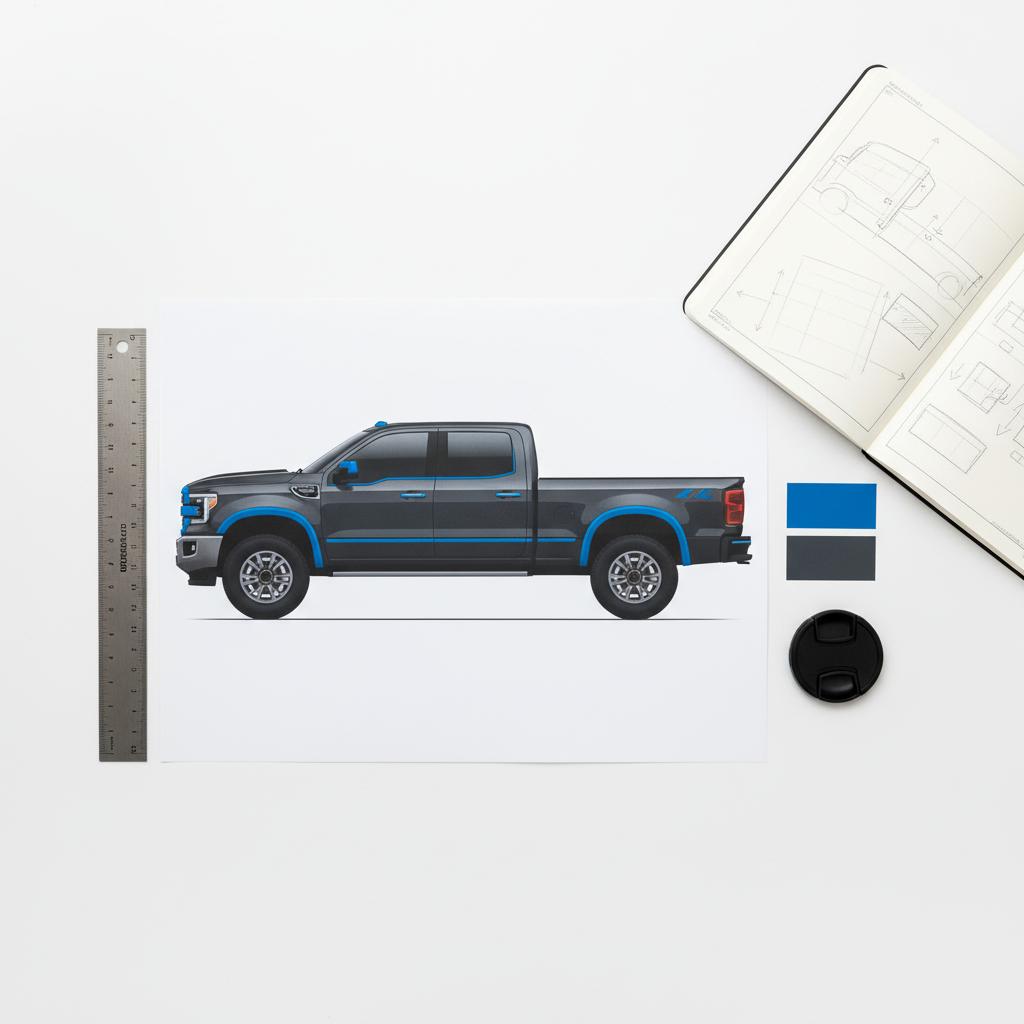
Contractor logos have to perform in the real world: they must be legible on a moving vehicle, readable on a weathered sign, and look credible on a proposal PDF. Prioritize legibility, contrast, and simplicity. A small, practical tip: a clear, high-contrast logo keeps recognition strong even from a distance.
Three practical identity rules
1) Keep marks simple and test at scale. Create a horizontal wordmark for vehicle doors and a compact stacked mark for hats and icons. Test the design life-size on a printout taped to a van to check readability at 10–30 feet.
2) Use contrast-friendly colors. A dark navy and a high-contrast accent like safety orange or mustard works well at distance. Avoid fine details and gradients that vanish when embroidered or reduced to a favicon.
3) Choose robust fonts. Pick a strong sans-serif for headlines and a readable serif or neutral body font for proposals. Test the headline font on signage mockups before you order wraps or shirts.
Real photos of finished projects, crews in branded gear, and trucks on site are more convincing than over-stylized stock imagery. Invest in a small portfolio of high-quality photos—three finished projects, one crew shot in branded PPE, and a truck photo—and use them across your Google Business Profile, proposals, and social channels.
How do I brand my construction company? — Local search is your engine
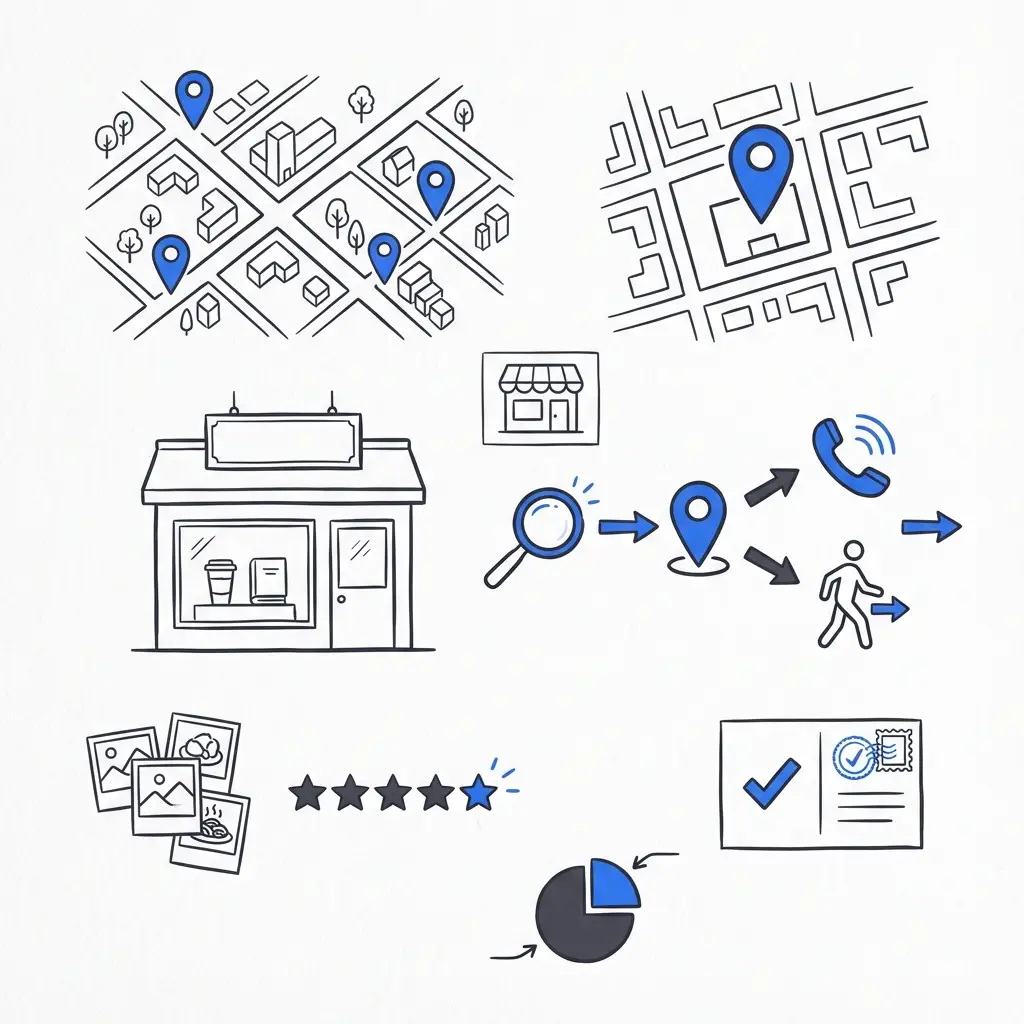
When homeowners look for a contractor, they often use their phones and call the first few results. Local search—mainly Google Business Profile (GBP) and local citations—is the most reliable channel for immediate leads.
Complete your GBP with an accurate business name, correct categories, precise service areas, up-to-date hours, and a concise description that includes your primary services and towns. Upload real photos of jobs, crew, and trucks, and post updates periodically to show activity.
NAP consistency and citations
Consistency of name, address, and phone number (NAP) across the web matters more than most contractors expect. Mismatched phone numbers or addresses make search engines and customers uncertain. If you change a number or move, update every listing you can find.
Service-area pages that actually help
Create short, practical pages on your site for the towns you serve. Mention local specifics—saltwater exposure near beaches, common roof styles in certain neighborhoods, or materials popular in older districts. That local detail signals relevance to both search engines and homeowners.
Reviews: the trust multiplier
Encourage reviews by asking at job close and following up with a short SMS and direct link. Respond to reviews courteously. A calm response to a negative review shows prospective customers you handle problems professionally.
The single most important first step is to write one clear sentence that defines what you do, who you serve, and where you work—this sentence becomes the lens for every naming, design, and marketing choice you make.
Offline assets that act like daily salespeople
Your trucks and jobsite signs are mobile billboards. A simple, readable vehicle wrap with your name, short service line, and phone number will generate inquiries every week. For jobsite signs use durable materials and keep messaging concise: name, primary service, phone, and a visual element mirroring the logo.
Uniforms and safety gear that match your color palette and logo reduce homeowner anxiety—when crews arrive in branded PPE, property owners feel safer letting them work on site. Branded PPE also helps word-of-mouth referrals in neighborhoods.
Design tips for a wrap
Design the wrap for legibility: avoid placing important information where doors, handles or curves will hide it. Large, high-contrast phone numbers and a simple URL are often enough. For extensive territories keep the URL and phone big; you don’t need a laundry list of services on the side of a moving vehicle. For inspiration on current directions you can look at the top trends in vehicle vinyl wraps and practical design ideas like those highlighted in Top Industry Vehicle Wrap Design Ideas to Stand Out in 2025.
Balancing short-term lead tactics and long-term brand building
One common question is whether to spend on immediate lead sources like ads or to invest in durable assets like photography and vehicle wraps. The choice depends on cash flow and urgency.
If you need booked jobs this month, allocate more to local paid search with tight targeting and call-tracking numbers. Use call tracking to see which ads bring customers so you can stop wasteful spend. If you can wait, invest more in a clean website, real project photography, and a solid identity—those assets compound over years.
A practical budget split
As a rule of thumb: if you’re busy, prioritize operations and small branding tasks that remove friction (clear name, readable phone on trucks, active GBP). If you’re slow, invest in the foundation: photography, website pages, and uniforms. Think of these as capital investments that reduce the cost of future marketing.
Measuring brand-driven revenue
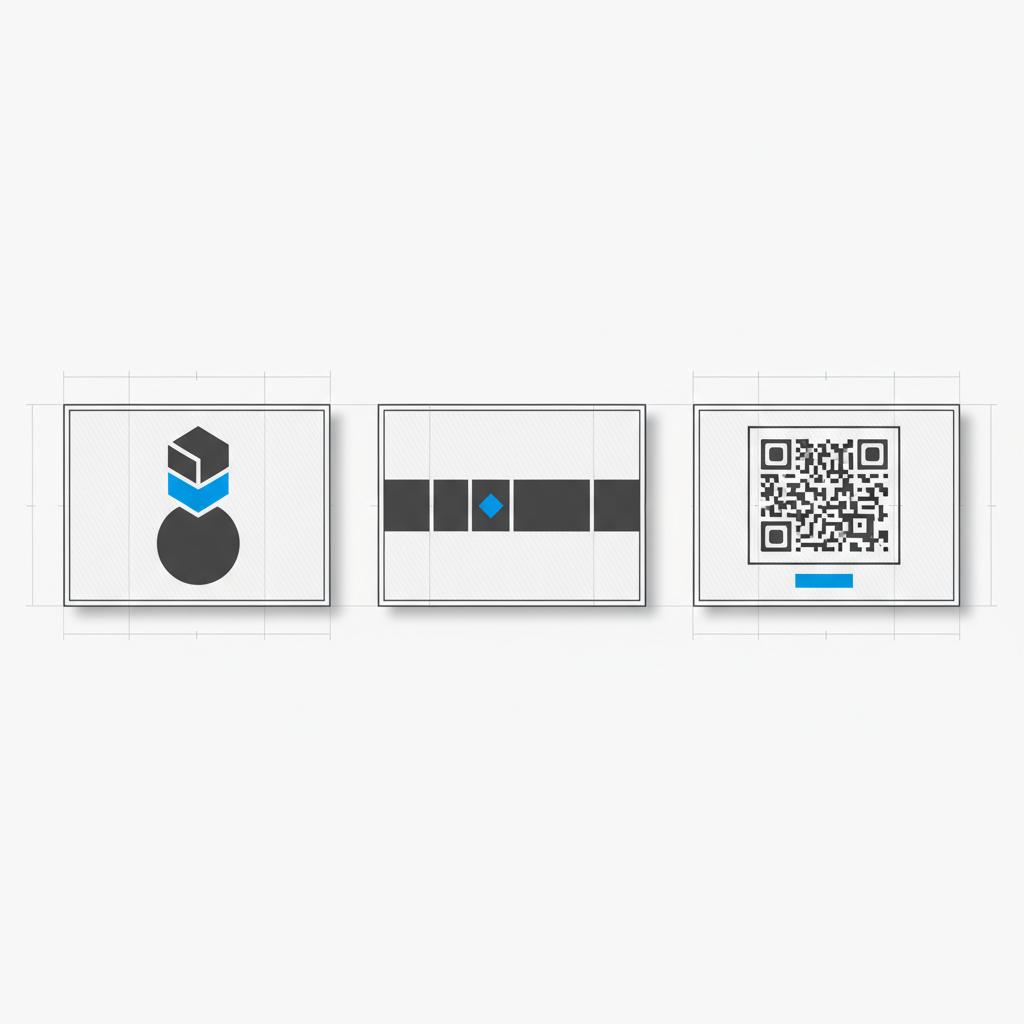
Brand ROI can be measured practically. Track every lead source by asking new prospects where they heard about you. Use separate phone numbers for ad campaigns and call tracking. Add UTM parameters to QR codes on signs and in proposals so you can see which offline assets drive web traffic.
Look for trends: is direct traffic to your site increasing after a new vehicle wrap? Are referral calls from neighbors rising? Is the average job value increasing now that your proposals and photos look better? These trends indicate brand lift.
Create customer cohorts: compare the behavior and lifetime value of customers acquired before and after a brand change. If the new cohort spends more or refers more, your brand work is attracting better-fit clients.
Short-term attribution
When running ads, treat their revenue as short-term and brand costs as long-term investment. Many customers will call after seeing a truck, then click an ad later. Use multi-touch attribution where possible to understand how brand impressions and ads interact.
30–90 day tactical rollout
Here’s a practical timeline you can follow with small teams or solo operators. The plan focuses on fast wins that compound into durable assets.
Day 1–7: Define and protect
Write one to two sentences that define your services, service area, and customer profile. Ask: who do we serve and what do we promise? Search the USPTO for conflicting names, check domains and social handles, and reserve them.
Day 8–21: Visual identity and photography
Choose a strong, legible logo with two variations (horizontal and compact). Pick a color palette and two fonts. Commission three project photos, one crew photo, and one truck photo. These images will fuel your GBP, proposals, and social posts.
Day 22–45: Local discovery
Launch or update your Google Business Profile, add service-area pages, and make sure your NAP is consistent across directories. Invite a small group of past clients to leave reviews and upload your photos to the GBP.
Day 46–75: Web and tracking
Build landing pages or a simple website for paid campaigns and local discovery. Add local service pages with neighborhood specifics and ask your developer to add local business schema. Set up call tracking and UTM links for any ads.
Day 76–90: Offline rollout
Install vehicle branding, print professional proposals and jobsite signs, and give crews branded uniforms and PPE. If you need leads now, run a modest local ad test using call-tracking numbers and compare results to organic leads.
See our projects for examples of how clear visual identity and project photography work together when scaled.
Common questions contractors ask
How much should I spend on branding?
There’s no single answer. If limited by cash flow, prioritize the things that remove friction: a clear name, a readable phone number on trucks, and an active Google Business Profile. If you have runway, invest in photography and a simple, clean website—those assets earn trust and allow higher bids.
Do I need a fancy logo?
No. You need a clear, legible identity. Fancy designs usually add cost without real return. Prioritize readability on vehicles, a consistent palette, and a compact mark for hats and icons.
How do I get more reviews?
Make it easy: ask at the job close, send a short SMS with a direct link, and train crews to mention reviews when leaving the site. Respond to reviews promptly and politely; your reply is visible to future customers and often matters as much as the star rating.
Practical checklists for the field
Branding checklist (first 30 days)
– Define your services and ideal client in one sentence.
– Quick trademark check on USPTO.
– Reserve domain and primary social handles.
– Choose a simple name that reads aloud on a jobsite.
Wrap and signage checklist (30–90 days)
– Test logo life-size on paper against a vehicle.
– Prioritize large phone number and simple URL.
– Order durable jobsite signs with matching visual element.
– Provide branded PPE for crews.
Local search checklist
– Fully complete Google Business Profile and add photos.
– Create short local service pages with neighborhood details.
– Ensure NAP consistency across key directories.
– Ask for reviews and set up a simple follow-up SMS flow.
A note about scope and scale
Branding decisions change with scale. A single-owner roofer needs faster wins and smaller investments than a firm bidding high-end renovations. Still, the same principles apply: clarity of services, legible identity, and consistent local presence. If you scale later, your foundational choices will make it easier to standardize crew uniforms, fleet graphics, and proposal templates.
If you’d like a friendly, practical review of one small thing—your truck photo, your Google Business Profile, or the name you’re thinking about—Agency VISIBLE offers a short, useful audit. For a no-pressure look, try the quick contact form at Agency VISIBLE contact to request a straightforward review tailored to contractors.
Measuring success: realistic KPIs
Track calls, form fills, direct traffic, and average job value. Use call-tracking numbers for ads and simple UTM tags on QR codes to measure offline to online flow. Watch referral and repeat business rates—those are often the clearest signal your brand is attracting better-fit clients.
What success looks like after 90 days
– Consistent NAP across listings.
– Active Google Business Profile with multiple real photos.
– A simple website or landing pages with local service details.
– Vehicle graphics on the road and branded PPE in the field.
– A measurable uptick in direct or referral calls.
Common pitfalls and how to avoid them
Don’t over-design: fancy logos, complex typefaces, and tiny details often fail in the real world. Don’t be inconsistent: mismatched service descriptions across the web confuse customers and search engines. Finally, don’t forget to measure—if you don’t track where leads come from, you won’t know if your investments are working.
Real example: historic-home specialist
A contractor who specialized in historic restorations stopped calling himself a general contractor and led with “Historic Home Specialists.” That choice aligned his proposals, photography and bidding process, and it helped him appear in searches and referrals where preservation and craftsmanship mattered more than price. A tightly focused phrase like that can raise the quality of inbound leads quickly.
Final practical tips
– Keep your name short and pronounceable.
– Test fonts and colors at scale before you order wraps.
– Use real photos of real jobs.
– Ask for reviews and respond to them.
– Mix ads for short-term bookings with brand investments for long-term stability.
Want a short, friendly sanity check? A quick photo or name review can often reveal a simple fix that makes a big difference. If you’d like that kind of help, the contact link above is a good first step.
Checklist summary: the first 90 days
– Day 1–7: Define services, check trademark, reserve domain.
– Day 8–21: Identity, fonts, palette, and a small set of photos.
– Day 22–45: Update GBP, local pages, and request reviews.
– Day 46–75: Website or landing pages, schema, tracking.
– Day 76–90: Vehicle wrap, jobsite signs, uniforms, test ads.
Keep iterating
Branding is not a one-time task. Keep asking customers how they found you, track lead sources, and refine your messaging and visuals as territory or services change. Small, consistent improvements compound over time into better clients and more predictable revenue.
Branding is a tool that helps your work do the selling for you- invest smartly, be consistent, and the projects will follow.
You can see immediate improvements in weeks for local search and lead quality if you complete a clear Google Business Profile and add real photos. Deeper brand effects—higher average job values and better referral rates—typically show up over several months as recognition builds. Treat short-term tactics (ads, call tracking) and long-term assets (wraps, photography, website) as complementary: ads bring fast bookings while brand work increases lifetime value and referral rates.
Must-haves include a clear one-sentence definition of what you do and who you serve, a readable name and logo tested at scale, a fully completed Google Business Profile with photos, consistent NAP across directories, and a small set of professional photos of finished projects and your crew. These items remove friction for customers and make leads easier to convert.
Yes—Agency VISIBLE offers practical, no-pressure reviews tailored to contractors. They can audit a truck photo, a Google Business Profile, or your proposed company name and point out small changes that deliver outsized results. To request a review, use the Agency VISIBLE contact page linked in the article.
References
- https://supercustomsigns.com/top-trends-in-vehicle-vinyl-wraps-for-2025/
- https://www.youraspire.com/blog/wrapping-landscaping-vehicles
- https://www.acmegraphic.com/top-industry-vehicle-wrap-design-ideas-2025/
- https://agencyvisible.com/projects/
- https://agencyvisible.com/contact/
- https://agencyvisible.com/