How do I advertise my painting services? A local-first plan that brings calls
If you run a small painting business, the question “how do I advertise my painting services?” comes up every week. Prospects pick painters based on trust—and photos sell that trust faster than any slogan. This guide shows a simple, human way to advertise painting services locally: start with what you control, add a few paid tests, and measure so you keep spending only where customers actually call and book.

Why local-first advertising works for painters
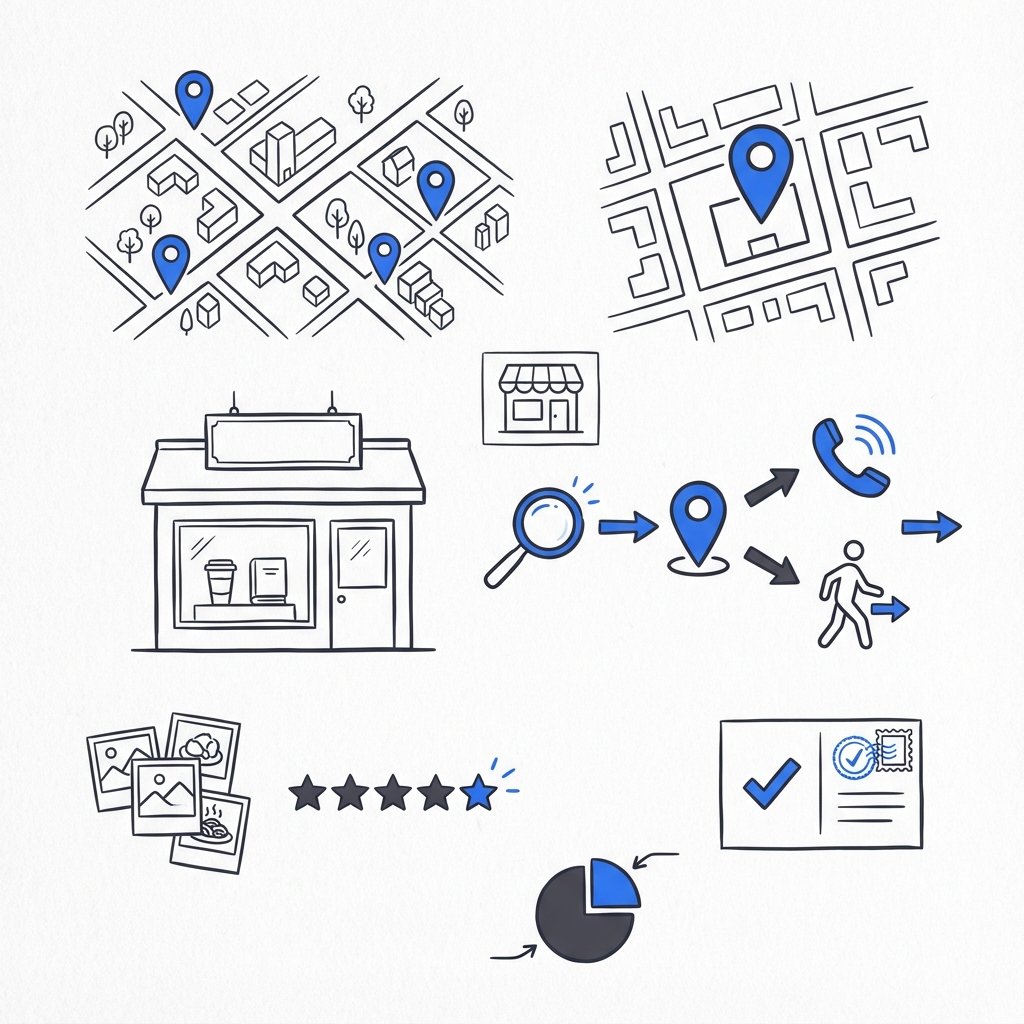
Painting is local by nature. Homeowners want someone who can show up on time, knows neighborhood expectations, and leaves the driveway clean. Online behavior mirrors that: complete local listings, recent reviews, and strong photos make people call instead of scrolling away. If you’re asking “how do I advertise my painting services?” — start local. A steady stream of qualified local leads will fill your schedule more reliably than chasing broad, expensive ads.
Layer your efforts. Think of advertising as stacked layers: local listings and photos at the base, then targeted search ads and low-budget social campaigns, and finally neighborhood touchpoints like vehicle graphics or door hangers that are trackable. Each layer builds on the previous one and makes the next more efficient.
The first 30 days: make your presence unmistakable
In the first 30 days, fix the basics that most painters miss. Make your Google Business Profile complete: clear service descriptions, hours, service areas, and high-resolution photos. Add short captions to photos that explain the job—people read those little details. See examples on our homepage for profile polish tips.
Next, create or update 2–4 local landing pages: one general painting services page and one for each high-priority niche—interior painting, exterior painting, deck staining, cabinet refinishing. Each landing page should have a friendly headline, a simple explanation of what you do, before/after photos, contact details, and a single clear call to action: call now or request a free estimate. Our projects page shows examples of clear case-style pages you can model.
Tracking is essential from day one. Add UTM parameters to any link you plan to promote. If you do not have call tracking, set up a single tracking number that forwards to your main line. Use a minimal CRM—even a spreadsheet will work to capture name, address, lead source, date, and outcome. Without tracking, you’ll be guessing which efforts actually bring customers.
Days 31–60: polish visuals, add content, and start low‑budget ads
After you’ve fixed profiles and landing pages, focus on visuals and small tests. Great photos do most of the selling for painters. Take high-resolution before/after shots, keep angles consistent, and add short captions that mention prep work, paints used, and days on site.
Launch a modest search campaign (Google Search Ads or Local Services Ads where available) on a small daily budget—enough to gather data. Target high-intent queries like “house painter near me,” “interior painter [city],” and “cabinet painter [city].” Use tight geo-targeting to your ZIP codes and ad copy that addresses local concerns: punctuality, cleanup, insurance, and a simple guarantee. For more campaign ideas and examples check this resource from ServiceTitan.
Run a single small social test on Facebook or Instagram using your best before/after images or a short time-lapse video. Social ads find people not actively searching but open to local services. Track which creative produces messages, calls, or form fills—not just likes. See practical social ad tips in the GetJobber guide.
Start a polite referral and review program: ask in person at job completion and follow up with a short text or email link. Offer a small thank-you for successful referrals—this fuels organic growth and strengthens your listings.
Days 61–90: double down on what works and add neighborhood outreach
By day 61, you’ll have initial conversion data. Increase spend on campaigns that produced real calls and form fills. Shift budget to ZIP codes and keywords that delivered better-quality leads. Refine ad copy and creative with what resonated in the first tests.
Implement structured data (LocalBusiness and Service schema) so search engines better understand your offerings – this improves how your business shows in local results and can increase click rates. Add unique tracking numbers and landing pages to any offline campaign so you can measure results.
Try targeted offline efforts: vehicle graphics, door hangers with QR codes, flyers in neighborhoods where you’ve recently worked, and partnerships with local realtors or property managers. Use unique numbers and landing pages for each tactic so you can point back to which outreach led to booked jobs.
How much should you budget and what returns to expect
Start with a modest ad budget of a few hundred dollars a month while you test. Cost per lead varies by market and channel: search and Local Services Ads drive higher intent but cost more; social leads often cost less but require more nurturing. Do the math against your average job value and conversion rates.
Example: if the average job nets $1,200 and you convert three of every ten leads, a cost per lead of $100 can still be profitable. Track lead source, conversion rate, and average job value so you can measure true return on ad spend based on real margins – not just revenue.
Visual proof: how to take photos that actually sell
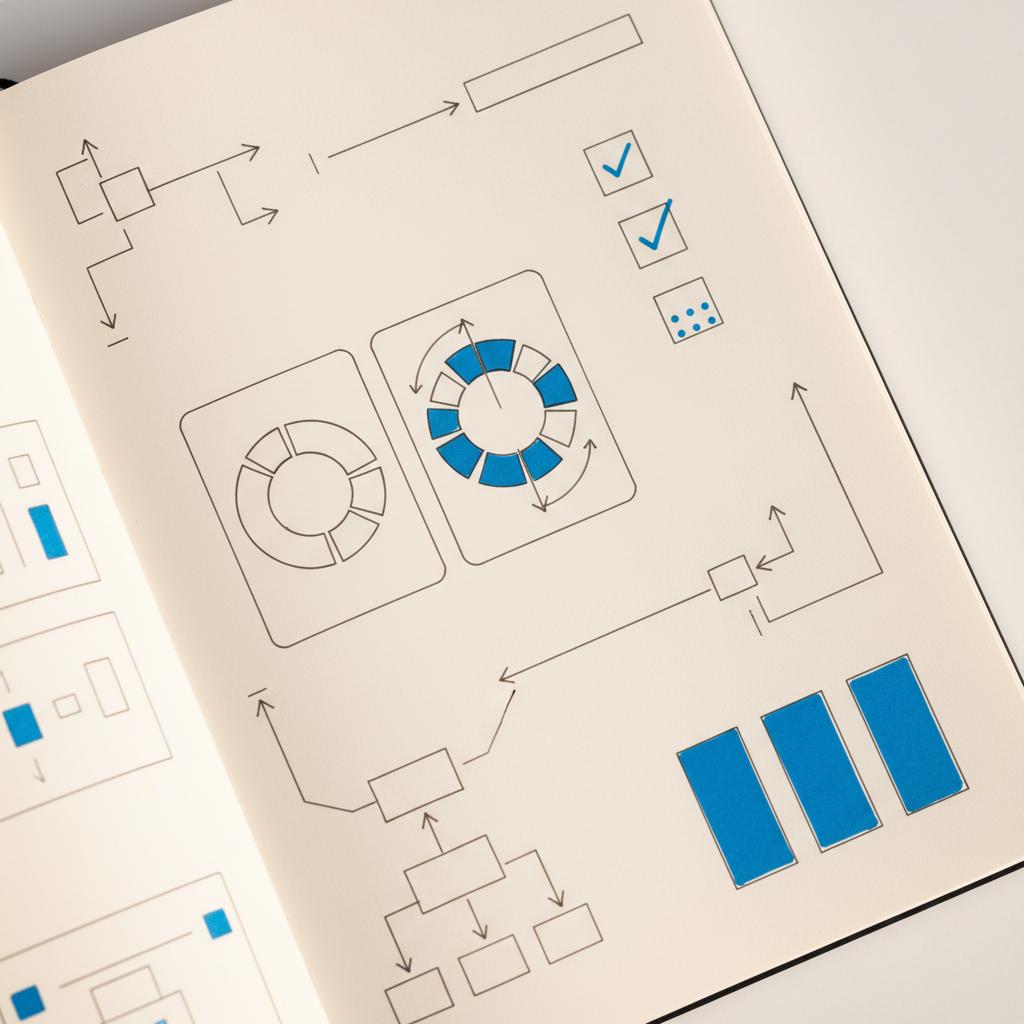
Photos are the currency of trust for painters. A single strong image can stop a scroll and create a call. Use natural light where possible. Keep before and after shots from the same angle; include an object for scale such as a chair or a doorway. Use a tripod or steady your phone. Keep resolution high and colors true—slightly warm and clean is best. A clear, simple logo on your profile can help build recognition.
Short captions increase trust: note the number of coats, primer used, and timeline. If you can, capture short clips of the team working or a slow pan across a finished trim—video often converts better in ads and social feeds.
Paid media that feeds the funnel without waste
Search ads (and Local Services Ads when available) capture people who are actively looking now. Keep keywords tight and local—avoid broad terms that waste clicks. Social ads introduce your work to people not actively searching; use short before/after clips or carousels of detail shots. Test one creative at a time and start small.
Offline still matters if it’s trackable and personal
Offline channels—vehicle wraps, door hangers, flyers—work because they reach neighbors where they live. The trick is to make each campaign trackable with unique phone numbers or landing pages. A truck wrapped in clean branding driving through a neighborhood where you’re working is a visible reminder of local reliability.
Door hangers that include a QR code pointing to a tailored landing page with a limited-time offer can be surprisingly effective. Follow up anyone who fills the page form with a short email sequence that shows more before/after photos and a clear estimate process.
Tracking and measuring what matters
Tracking doesn’t have to be fancy. Unique phone numbers per campaign, UTMs for links, and a simple CRM let you see which channels create estimates and which turn into jobs. Track job value and associated ad and production costs to calculate per-channel return. Many painters skip this step and keep wasting money on channels that simply don’t convert.
Creative and messaging tips that sound like a helpful neighbor
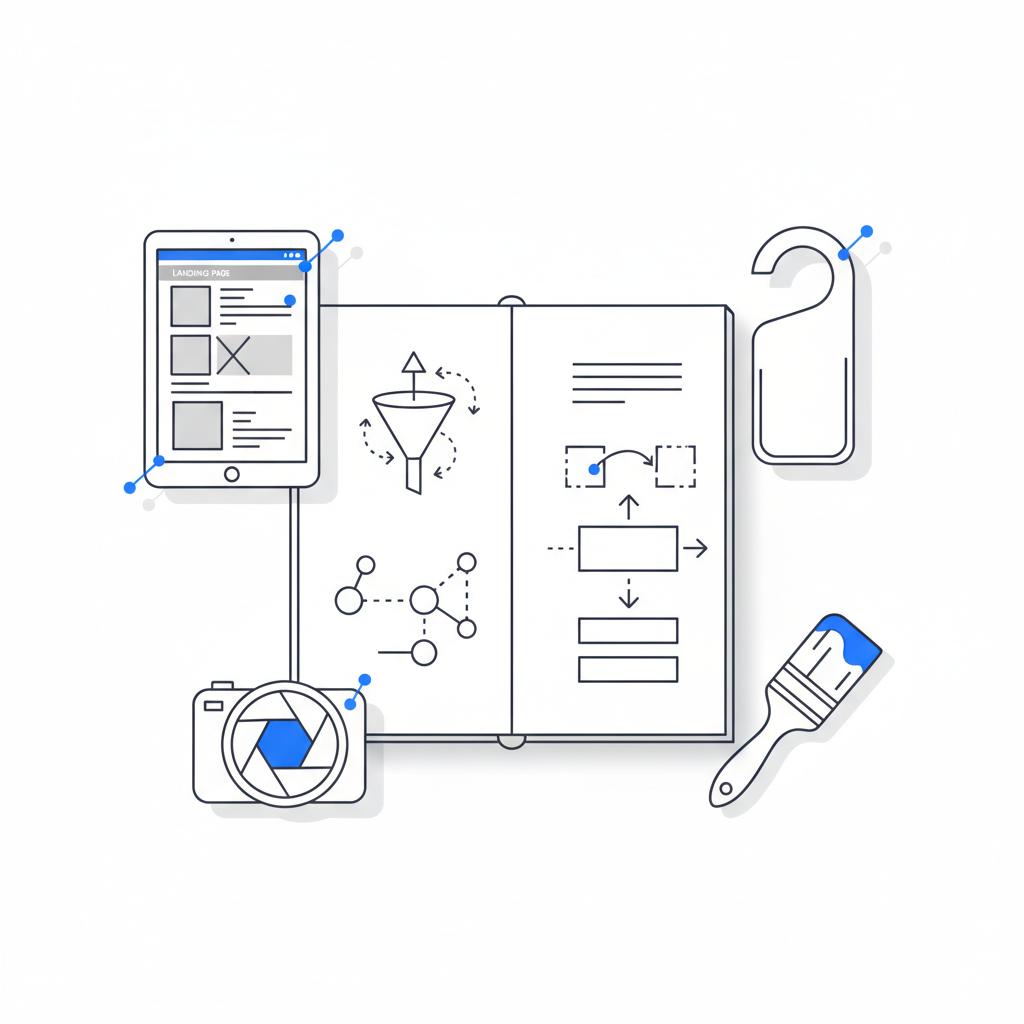
Write like the homeowner you want to hire. Keep language simple: explain prep, timeline, and what’s included. Be honest about limits—service area, minimum job sizes, or materials you don’t use. Clarity saves time for everyone.
Show the human side: the crew smiling, neat drop cloths, and a clean driveway after the job. Offers should focus on value: a clear guarantee, punctuality promises, or a small freebie like a touch-up within a year. These lower friction without undercutting your price.
Note: be careful with absolute claims in ads – platforms and local rules may limit certain language. When in doubt, state facts and let reviews show quality.
If you want an expert pair of eyes, reach out to Agency Visible for a quick audit of your 30/60/90 plan and tracking setup—tactful guidance can save you time and wasted ad spend.
Common challenges and simple fixes
Low-quality leads, inconsistent photos, and missing tracking are the top three problems small painters face. Fix them in that order: clarify who you want to serve, show better photos, and put tracking in place. Often, a small change in photos or a single landing page tweak will double your conversion rate.
Paint a small, tasteful accent (like a mailbox post or a porch column) in a friendly color and photograph it before and after; use a QR-code landing page so neighbors can see the full project—it's playful, tangible, and easy to track.
Scripts and templates you can use today
Use short scripts when asking for reviews or referrals. For example: “Thanks for letting us paint your home—if you’re happy, would you leave a quick review? Here’s the link; it only takes a minute.” For referrals: “If you know a neighbor who needs painting, we’d love to help them. We offer a small thank-you for any successful referral.” Short, human, and specific works best.
Measuring results: the smallest viable system
Your smallest viable measurement system includes: a unique phone number for at least one campaign, UTMs on links, and a spreadsheet or lightweight CRM that records lead source and outcome. Measure how many leads become estimates and how many estimates convert to jobs. Track average job value and margin so ad costs can be judged against profit, not revenue.
Budgeting examples and simple math
Example budgets for small painters:
- Test phase (months 1–3): $300–$800/month on ads, plus $100–$300 for minor offline materials.
- Scale phase (months 4–6): $800–$2,000/month focused on the best-performing ZIP codes and keywords.
Match cost per lead to job value. If your average margin per job is $1,000 and you convert 30% of leads, a cost per lead of $150 may still make sense. Track both lead volume and lead quality to avoid chasing cheap but useless clicks.
Local SEO and structured data tips
Add LocalBusiness and Service schema to help search engines understand your services. Keep NAP (name, address, phone number) consistent across listings. Encourage recent, specific reviews that mention location and service type—these help in local rankings and click-through rates. For broader marketing strategy context see this guide.
Customer journey examples that convert
Here’s a simple funnel that works for many painters:
- Door hanger or vehicle sighting prompts a homeowner to visit a unique landing page.
- Landing page shows 3–5 strong before/afters, one short testimonial, and an estimate form with a tracking number.
- Team follows up within 24 hours, offers an in-person or virtual estimate, and sends a friendly recap email with more photos and a clear next step.
This tightly tracked sequence lets you see which step loses prospects and where to improve.
How to ask for reviews and referrals without being pushy
Ask in-person when a job wraps up. Hand a small card that says, “If you had a good experience, a short review helps us and helps your neighbors.” Follow up with a one-line text: “Thanks again—would you mind a quick review? Here’s the link.” Offer a small thank-you for referrals, not as a bribe but as a token of appreciation.
When to consider hiring help
If you’re spending ad dollars and not seeing booked jobs after 60–90 days of testing, consider hiring outside help. A focused consultant or small agency can tighten keywords, improve landing pages, and set up basic tracking quickly. Choosing help that understands small contractors is key—look for straightforward references and measured promises.
Final checklist: the first 90 days, summarized
Week 1–4: complete Google Business Profile, set up 2–4 landing pages, take before/after photos, enable basic tracking.
Week 5–8: start small search and social tests, launch referral/review program, refine creative based on initial results.
Week 9–12: scale winning campaigns, add schema, run trackable offline outreach, calculate real cost per booked job and plan the next quarter.
Simple, neighborly marketing that actually works
Advertising a painting business doesn’t need to be flashy. It needs steady, sensible steps: make local listings trustworthy, show true work with honest photos, run small, measured ad tests, and track outcomes. Over time, a consistent approach replaces feast-or-famine with steady booked jobs.
Turn local visibility into booked painting jobs
Ready to turn photos and local listings into real calls? Get a quick audit and practical next steps that fit your budget — no jargon, just clear fixes you can use this week. Contact Agency Visible to get started.
Frequently asked questions
How quickly can I expect to see leads?
Search or Local Services Ads can generate leads within days, but a reliable flow usually takes a few weeks of testing and budget adjustments. Organic improvements such as reviews and local authority often take several months.
What is a reasonable cost per lead?
Costs vary by market. Many painters start with a few hundred dollars a month. Search leads typically cost more but convert better; social leads can be cheaper but require more follow-up. Always compare cost per lead to your average job value.
Do reviews really matter?
Yes. Recent, specific reviews are a top trust signal. Ask for reviews in person and follow up with a short text or email link to make it easy for customers to respond.
Search or Local Services Ads may produce leads within days, but a dependable flow usually needs a few weeks of testing and small budget adjustments. Organic improvements—reviews, local page authority, and word-of-mouth—often take several months to build consistent volume.
Cost per lead depends on your market and the channel. Search and Local Services Ads typically cost more but convert at higher rates; social leads can be cheaper but need more nurturing. Start with a few hundred dollars a month to gather data, then compare cost per lead to your average job margin to judge profitability.
If you’ve tested ads and landing pages for 60–90 days without booked jobs, outside help can be cost-effective. A focused agency like Agency VISIBLE can quickly audit your tracking and improve ad targeting—especially useful if you want fast, measurable results without wasting ad spend.
References
- https://agencyvisible.com/
- https://agencyvisible.com/projects/
- https://agencyvisible.com/contact/
- https://www.servicetitan.com/blog/marketing-for-painting-contractors
- https://www.getjobber.com/academy/painting/how-to-market-a-painting-business/
- https://www.abstraktmg.com/marketing-for-a-painting-company/