How do I advertise my lawn care business? Quick local strategies that book jobs fast
If you need paying customers in the next 30–60 days, this article is your action plan. It’s practical, tested and written for busy owners who prefer clear moves over theory. Right away: focus on visibility where local homeowners search and keep your follow-up tight. The phrase how do I advertise my lawn care business is at the heart of every decision below—use these steps in order and you’ll start seeing booked jobs instead of just clicks.
Why speed and clarity beat complexity
Many small lawn care companies waste money chasing every new tactic. The reality: a few coordinated plays—Google presence, paid local ads, social neighborhood pushes, and a measurable offline touch—deliver most of the results. The rest is optimization. Below you’ll find a checklist you can implement in a weekend plus a 30–60 day testing plan to scale what works.

The single easiest win: make your Google Business Profile impossible to ignore
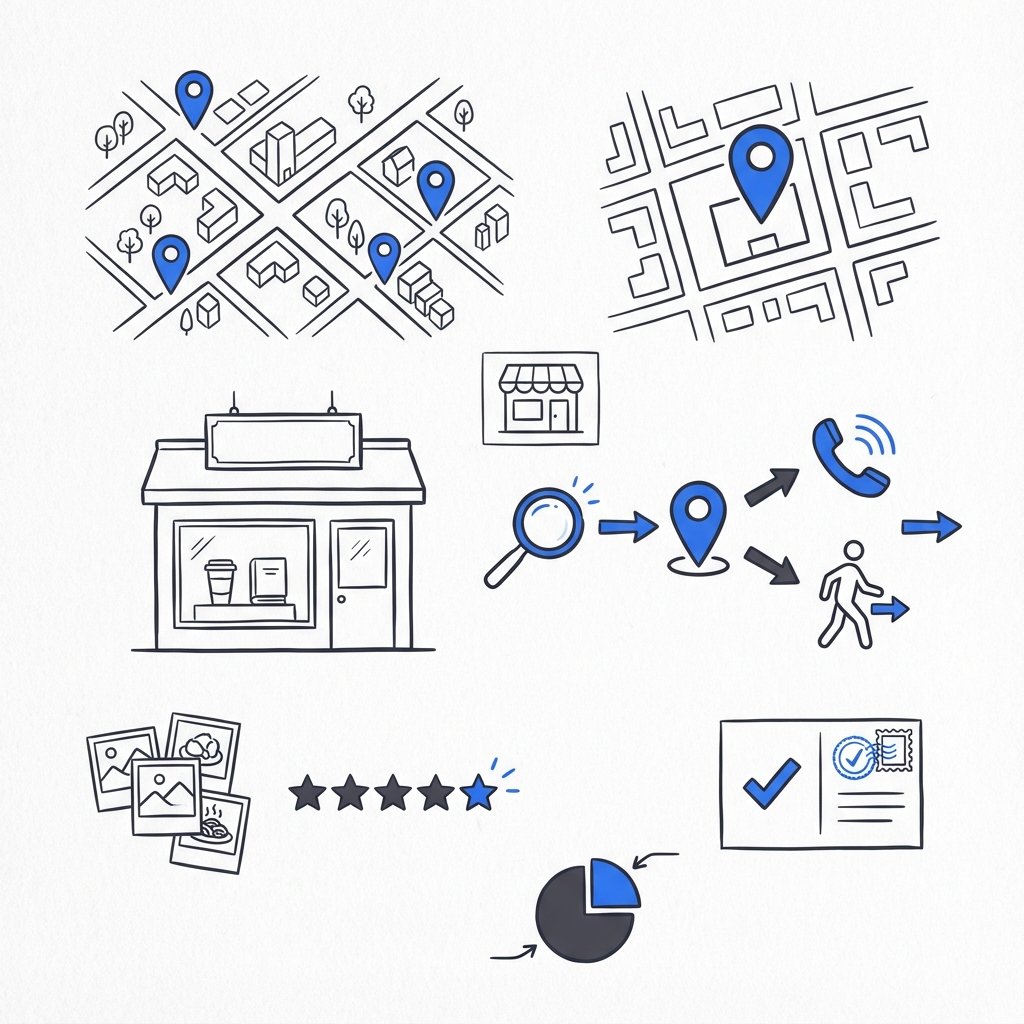
Your first priority is getting found in the Local Pack when someone searches lawn care near me or lawn mowing [your town]. If you haven’t done this yet, stop reading and complete these five items now:
Google Business Profile quick checklist
1. Verify your profile and confirm the service area and phone number.
2. Add clear service names (use homeowner language like “lawn mowing in [neighborhood]”, “spring clean-up”), prices or starting prices if appropriate, and booking options.
3. Upload real photos of your trucks, crews at work and finished lawns—avoid stock images.
4. Ask for recent reviews after every job and send a direct short link by text or email.
5. Keep business hours up to date and enable messaging if you can reply fast.
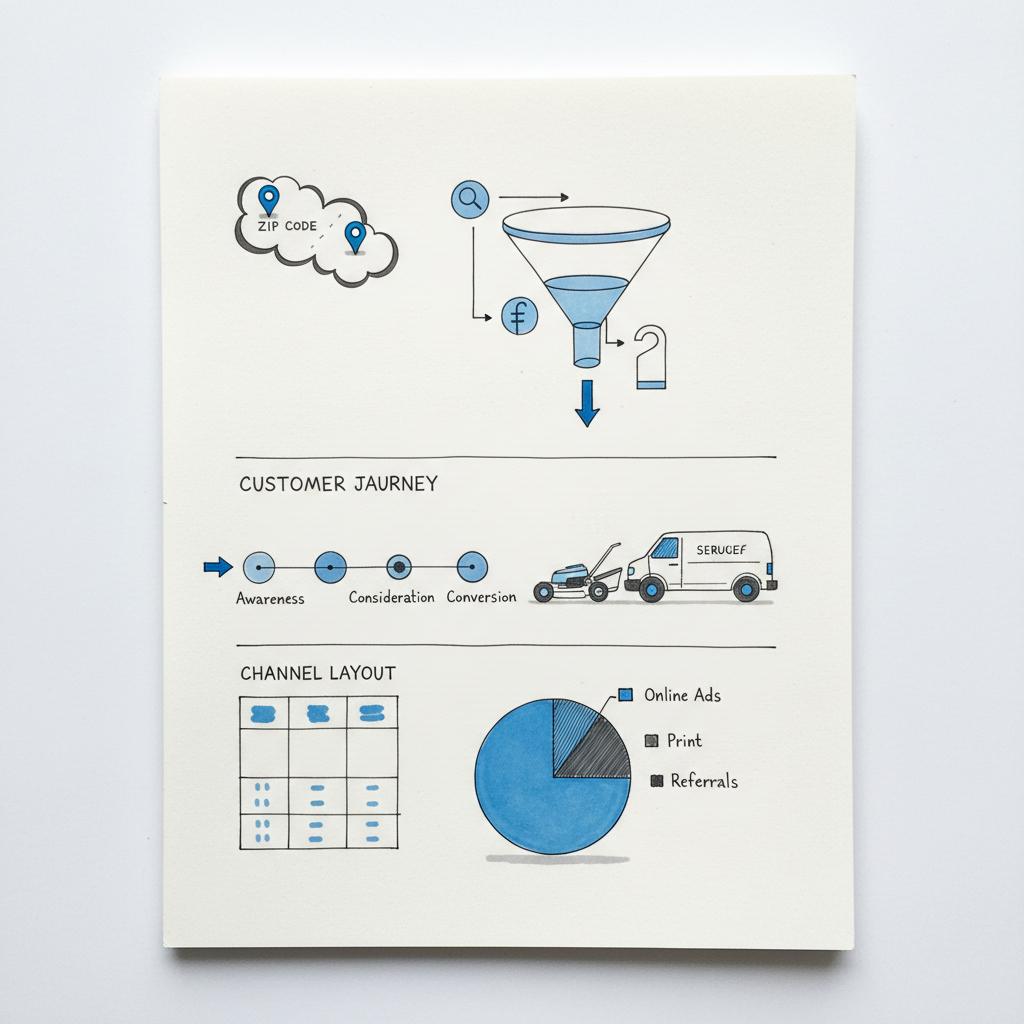
Reviews are a visibility lever and a conversion lever. Aim for steady, recent five-star reviews—not just a burst from last year. A clear, consistent logo helps homeowners recognize your trucks and materials.
Paid local ads for speed: Local Services Ads (LSA) and Search Ads
When time matters, paid search delivers the fastest qualified inbound leads. Two formats stand out for lawn care businesses: LSAs and Google Search Ads. LSAs place you at the top of local searches and are priced per lead, helping with budget predictability. Search Ads give you keyword control and message flexibility.
Plan your first paid push like this:
Initial paid setup (first 7–14 days)
• Choose 1 high-intent campaign: “lawn mowing”, “lawn service today”, “lawn care near me”.
• Run LSAs if eligible. If not, run Search Ads geotargeted to your service ZIP codes.
• Limit to a focused radius (5–15 miles) and schedule ads during business hours to reduce wasted clicks.
• Link each ad to a single landing page that asks for one action (book now / request an estimate / call).
Cost expectations: in many markets a lead can be $30–$200 depending on competition and season. Track cost-per-booked-job, not just cost-per-lead.
Make your paid funnels frictionless
Every ad should lead to one obvious action. A confusing landing page kills conversions. Keep forms short and add a click-to-call button for mobile users. Use call-tracking numbers so you know which ad produced the booked job.
Use Meta channels and neighborhood platforms for immediate local awareness
Facebook, Instagram and neighborhood apps like Nextdoor and Facebook Marketplace work well for neighborhood-level promotions and referrals. They are especially helpful when you pair them with an offer that’s easy to understand—first mow discount, seasonal package special, or a referral bonus. See a list of neighborhood tactics with 20 marketing ideas that many landscapers test.
Things to test on Meta:
• Boosted posts targeting homeowners in a 1–3 mile radius.
• Marketplace listings with a short booking link.
• A referral/first-time customer ad with a clear CTA and a time-limited offer.
Remember: social leads often have lower immediate intent than search leads, so expect more back-and-forth before a booking.
Ready to get more booked lawn care customers—fast?
Need a quick setup for ads and measurable tracking? If you prefer to get help building a tidy 60-day test that emphasizes booked jobs over vanity metrics, consider reaching out for a short consultation — clear, no-nonsense setup is the fastest path to reliable results.
Don’t forget offline: high-impact, trackable local tactics
Offline still works because people live where they live: neighborhoods. Vehicle signage, door hangers, flyers and partnerships with property managers or realtors can deliver local customers when the offer is trackable.
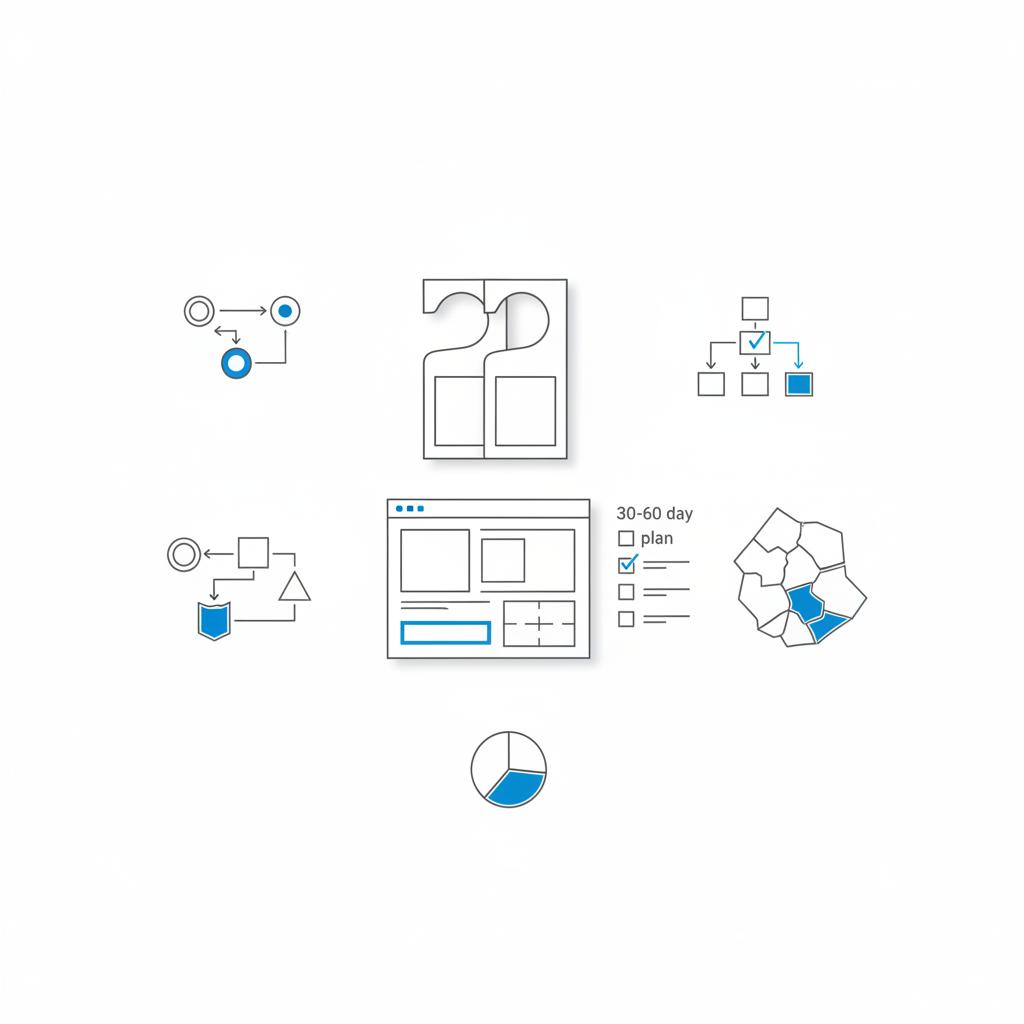
Trackability matters: use promo codes, short landing page URLs (yourtownmow.com/offer), or a unique phone number. That way you know whether the truck wrap, flyer drop, or door hanger produced the call. For more offline strategy ideas see this collection of effective offline tactics focused on lawn care.
One practical offline plan you can run this weekend
1. Design a simple door hanger with a unique promo code and a short landing page URL.
2. Park a branded vehicle in a busy subdivision for a weekend.
3. Drop 200 door hangers on homes that look like your ideal clients (single-family yards, visible driveways).
4. Record responses using the unique code and measure booked jobs within 14 days.
Small experiments like this are cheap and reveal whether neighborhood tactics beat digital ads in your market.
Referral programs and review generation: the high-converting long game
Referrals and reviews consistently produce the highest conversion rates and best ROI over time. Build a simple referral program and a routine review request process. Here’s a template you can use:
After-job review text (SMS): “Thanks for choosing [Company Name]! If you were happy with the service, a quick Google review helps us a lot: [short link]. As a thank-you, we’ll give you $10 off your next service after your first referral.”
Train your crew to politely ask for reviews when homeowners thank them on-site. A friendly reminder plus a short link yields far more reviews than a generic later ask.
Local SEO: the compound engine
Local SEO reduces your long-term dependence on paid ads, but it requires consistency. Focus on these wins:
• Consistent NAP (Name, Address, Phone) across directories.
• Service-area landing pages that use natural homeowner language.
• Regular local content (short monthly posts about seasonal tips, pest control timing, or neighborhood schedules).
• Structured data for local business and services if you have a website developer handy.
Be patient. Local SEO improves over months, but each step lowers future ad needs.
How to structure a 30–60 day plan that actually produces booked jobs
Think of the 30–60 day window as three coordinated stages: audit, sprint, and optimize.
Days 1–7: Audit and fast setup
• Verify GBP, update service list and upload photos.
• Set up call-tracking and a single landing page template.
• Prepare a small paid budget (start $500–$1,500 depending on market).
• Draft review and referral messages.
Days 8–21: Run the test and gather data
• Run LSAs or Search Ads focused on high-intent keywords.
• Deploy a small Facebook/Instagram boost for neighborhood awareness.
• Run 200 door hangers with a unique promo code.
• Push review requests after each job.
Days 22–45: Measure and reallocate
• Compare cost-per-booked-job across channels.
• Shift budget to the highest-quality channel (the one with the lowest cost-per-booked-job and highest repeat rate).
• Tweak ad copy, landing page clarity and follow-up messaging.
Days 46–60: Scale what works and improve operations
• Increase spend on the best channel(s).
• Document scripts and processes so follow-up is fast and consistent.
• Start local SEO tasks that compound over time (a content calendar and citations).
Measurement: what to track (and what matters)
Measure beyond clicks. The main metrics that tell you whether you’re winning are:
• Cost-per-booked-job (not just cost-per-lead).
• Appointment show rate.
• Average job value and repeat frequency.
• Lead-to-book conversion rate by channel.
• Lifetime value (LTV) of a customer.
Use UTMs on landing page links and call-tracking numbers for offline materials. If a channel brings cheap leads that never show or buy, cut it.
Sample ad headlines and landing page copy that convert
Ad headlines (test 3):
• “Local Lawn Mowing — Same-Week Slots Open”
• “First Mow $29 — Reliable Local Lawn Pros”
• “Book Your Spring Clean-Up Today — Trusted in [Town]”
Landing page checklist:
• Hero line with the main offer (first mow, same-week booking).
• One-sentence proof (years in business, number of yards serviced).
• Clear CTA (Book Now button + click-to-call).
• Short form (name, address, best phone, service needed).
• Social proof (3 recent reviews) and a short FAQ.
Follow-up scripts that turn leads into bookings
Speed matters. Here are short scripts for common lead paths.
Phone booking script:
“Hi, thanks for calling [Business Name]. This is [Your Name]. I can help book your lawn mowing—what’s the best address? Great. We have a slot on [day/time]. Would that work? Terrific. I’ll send a text confirmation with a link to pay or confirm. Any special notes about the yard?”
SMS confirmation (after booking):
“Thanks! Your lawn mowing is booked for [date/time]. Reply YES to confirm. If you need to reschedule call [phone]. See you soon!”
Send a reminder text 24 hours before and morning-of to reduce no-shows.
Avoiding common pitfalls
• Don’t optimize only for cheap leads. Measure booked jobs and LTV.
• Don’t let slow follow-up kill momentum—answer inquiries quickly and use reminders.
• Watch seasonality—expect higher costs in peak months and plan promotions for shoulder seasons.
Testing ideas that often surprise people
• Test a “first mow as a demo” message vs. a discounted seasonal package.
• Try a higher-friction Facebook lead form that asks a scheduling question up front—this weeds out low-intent contacts.
• Place a small ad budget behind Nextdoor posts in active neighborhoods. For a quick refresher on core advertising approaches for lawn care, see this overview of the best advertising strategies for lawn care.
Real-world examples and outcomes
Tom, a three-person crew in Ohio, invested $1,800 across local search and a Facebook push, ran door hangers and a review campaign. Within 45 days he filled his Saturday calendar and hired part-time help. His cost-per-booked-job landed at roughly $120, but many turned into recurring clients.
Maria outside Atlanta leaned on Search Ads and LSAs, used a simple booking landing page and ran a first-time customer discount. Her lead cost was higher at $150 per booked job during peak season, but CLTV made it acceptable because many signed up for seasonal packages.
A practical tip: if you prefer to get an expert second opinion on your 60-day plan, the Agency Visible contact page is an easy place to ask for a short consult—ask them to focus on cost-per-booked-job and tracking, not just ad impressions.
Budgeting guidance and realistic expectations
Expect wide variance by market. A starter ad budget of $1,500–$3,000 across Google and Meta is sensible for noticeable 30–60 day results in many markets. If margins are tight, start smaller and treat month one as a test. Don’t forget landing page and call-tracking costs when you set the budget.
How to know when to hire help
Consider a partner when you can’t run tests, track results, or respond quickly. Look for agencies that report on cost-per-booked-job and appointment show rates. If you want clarity: Agency Visible positions itself to move quickly and measure what matters—visibility and booked revenue—so they’re an option if you want a clean test without the learning curve. See some of their work on the projects page.
Testing matrix and early experiments
Run these three tests in your first 30 days:
1) LSA vs Search Ads (split budget for two weeks).
2) Facebook neighborhood boost vs. door hanger drop (same messaging, different channel).
3) Landing page A (instant booking widget) vs Landing page B (request-call form + immediate callback).
Measure booked jobs, show rate and average job value. Reallocate toward the winners.
Scripts and templates you can copy today
Door hanger copy (short):
“Local Lawn Care — First Mow $25. Call [short number] or visit [short URL]. Limited offer for neighbors!”
Review request email:
“Thanks for choosing [Company]. If you’re happy with the job, a short Google review helps our small team a lot: [link]. We’ll send $10 credit after your first referral.”
What to measure weekly
• New leads by channel.
• Booked jobs by channel.
• Appointment show rate and cancellations.
• Average revenue per booked job.
• Spend by channel and cost-per-booked-job.
Long-term moves that keep costs down
• Build a review pipeline and referral structure.
• Publish seasonal content on your site to improve local SEO.
• Keep business listings consistent across directories.
• Capture customer email/phone for promotions and rebooking.
Frequently asked questions
How much does a lawn care lead cost? It varies by market and season—expect anywhere from $30 to $200 per lead. Transform that into cost-per-booked-job before you judge ROI.
Which channel brings the fastest customers? Paid search (LSA and Search Ads) usually brings the fastest, most qualified inquiries. Social and offline can be fast too, but often require more nurturing.
Should I try LSAs or Search Ads first? If eligible, test LSAs because of their placement and lead-based pricing. If you want granular control, run Search Ads and compare cost-per-booked-job.
Checklist to start today (copyable)
1. Verify and update GBP with photos and services.
2. Set up a 2-week LSA or Search Ads test (small radius).
3. Create one landing page per campaign.
4. Run a 200-door-hanger neighborhood drop with a unique code.
5. Ask for reviews after each job with a short link.
6. Track booked jobs and reassign budget weekly.
Final thought
Speed matters, but so does patience. In 30–60 days you can bring in meaningful local customers if you pair paid channels for immediate reach with review generation and local tracking for long-term growth. Measure the right things, keep follow-up tight and treat each booked job as both revenue and a chance to earn a referral.
Yes—if the campaign combines targeted paid search (LSA or Search Ads), a frictionless landing page, fast follow-up and a trackable neighborhood touch. A focused approach that measures cost-per-booked-job typically shows which channel to scale within two weeks.
Short answer: yes, when it’s targeted well and paired with a trackable offer. A well-timed drop in a nearby subdivision with a visible truck and a strong first-time offer can spark immediate calls. The secret is targeting homes that match your ideal client profile and making the offer easy to redeem.
Lead cost varies by market and season. Expect roughly $30–$60 in smaller towns and $80–$200 or more in competitive suburban markets during peak season. Social leads (Facebook/Instagram) can be cheaper per lead ($10–$60) but often need more nurturing. Always convert lead cost into cost-per-booked-job when judging ROI.
Paid search—Local Services Ads (LSA) and Google Search Ads—typically brings the fastest, most qualified inbound inquiries because searches often reflect immediate hiring intent. Meta platforms and offline neighborhood tactics can be fast too, especially for local awareness, but expect lower initial intent and more follow-up.
Yes. A small agency can set up campaigns, landing pages and tracking while keeping you in control. Look for a partner that reports on cost-per-booked-job, appointment show rates and real booked revenue. If you want a quick consult to tighten a 60-day test, you can reach out to Agency Visible via their contact page for focused help on tracking and campaign setup.
References
- https://agencyvisible.com/contact/
- https://webrunnermedia.com/insights/landscaping-marketing/
- https://www.realgreen.com/blog/best-offline-lawn-care-marketing-strategies
- https://contractormarketingpros.net/blog/7-best-advertising-for-lawn-care/
- https://agencyvisible.com/
- https://agencyvisible.com/projects/