How do I add events in Google? A human approach to being seen online
Quick note: While the question “How do I add events in Google?” may sound technical, the simplest answer for most small businesses is to make your events and availability part of the human story you already tell online. Below you’ll find practical steps that blend calendar tips with broader, human-first visibility tactics so your audience finds, trusts, and acts on what you offer.
Why people choose people – not brands
People don’t buy services or products; they buy the feeling of being understood. If your online presence is a cold brochure, it’s easy to be ignored. Instead, make your site and your calendar feel lived-in: clear language, real photos, and honest steps reduce friction and make it obvious what happens next when someone wants to book, buy, or simply ask a question.

Start with a simple purpose
Ask: who do you serve, and what small thing do you promise them? Keep the answer short—like explaining it to a neighbor. A clear, short why helps shape everything: your homepage headline, your event descriptions, and the way you let people book time with you (yes, even on Google). For practical strategy ideas, see the Elementor guide to online marketing.
Put your calendar where people expect it
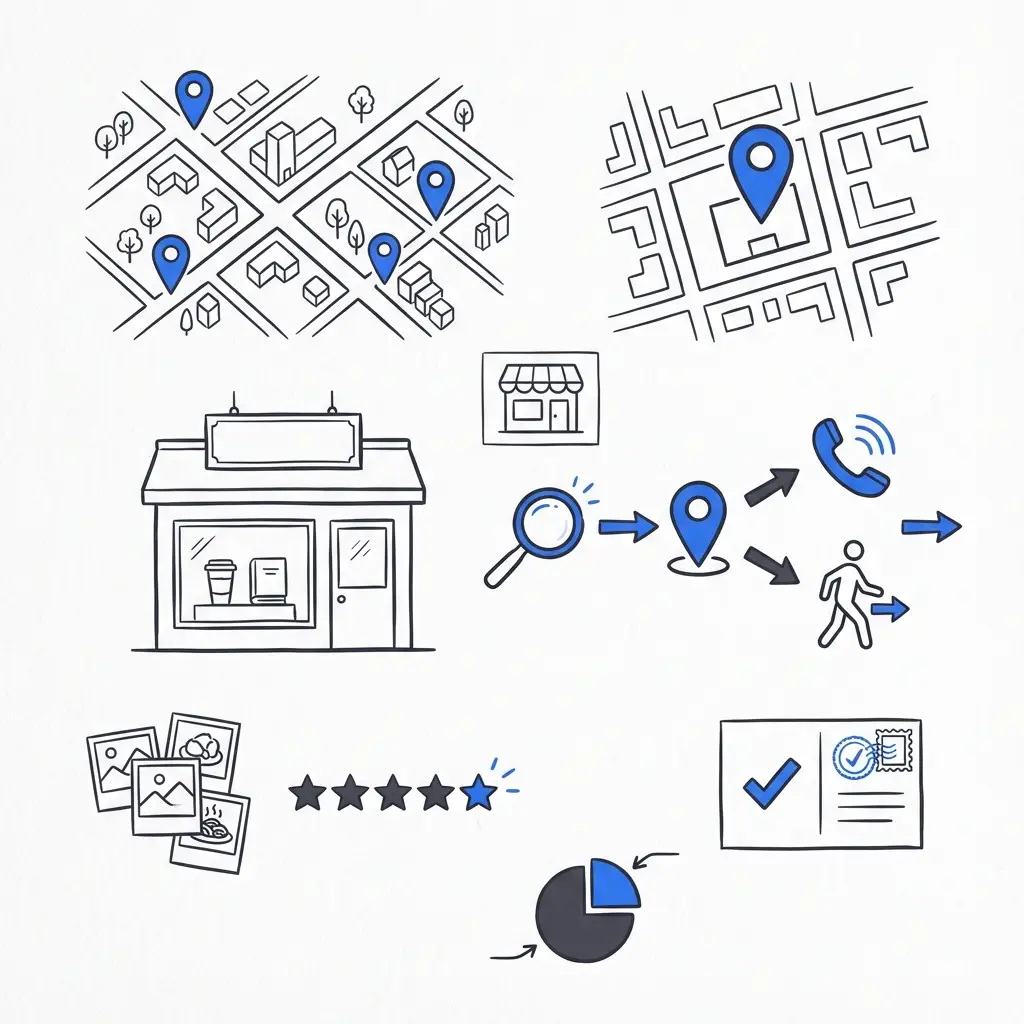
Many customers decide to contact a business at the moment they see availability. If someone asks, “How do I add events in Google?” the practical move is to make sure those events are visible in ways people use every day: Google Business Profile, public Google Calendar links where appropriate, and calendar widgets on your site. This lowers the barrier between curiosity and action. See examples on our projects page.
Get practical help to make your events and site more human
If you’d like help making your online presence feel honest and discoverable, reach out for a clear, practical conversation with a team who focuses on measurable visibility: Contact Agency VISIBLE.
How to describe events so people actually show up
An event description should answer the obvious questions in plain language: what happens, who should attend, how long it takes, what to bring, and what happen next. Think of this as having a short, helpful chat across the counter.
Use these simple fields in every event listing:
- Title: short and concrete (e.g., “Intro to Handmade Bread – 90 minutes”).
- Who it’s for: single sentence that names the audience (e.g., “For first-time bakers who want simple weekend recipes”).
- What happens: 2–3 bullet points describing the session.
- Logistics: price or range, duration, location or link for online events, and any items to bring.
- Next step: clear CTA like “Reserve a spot” or “Add to calendar.”
Make it easy to add events to Google
Many visitors ask “How do I add events in Google?” because they want to keep your event on their own calendar. Help them by offering an Add to Google Calendar button, a simple .ics file download, or a public Google Calendar link. Those small conveniences reduce friction and increase attendance.
Make your website feel lived-in

Your website doesn’t need to be flashy to feel human. Aim for honest visuals and straightforward navigation. Show people, not staged stock images. Use real photos of your workspace, tools, or team—even close-ups of hands at work. Short captions contextualize images and give them life. A clear, simple mark like the Agency Visible logo can anchor your visual identity.
Home page structure that answers questions quickly
Structure pages so they answer: What problem do you solve? How do you help? What happens next? Where can someone see prices or book time? Keep CTAs direct—“Send a message”, “Book a 20-minute call”, or “Reserve a seat” give immediate clarity.
Show the process, not just the result
Trust grows when people can imagine working with you. Sketch the process in plain steps: the first conversation, a timeline, and simple responsibilities. For events, this might be: sign up, get a confirmation, receive a reminder 24 hours before, show up, and get follow-up resources.
Example event workflow
Here’s a compact workflow to include on event pages:
- Book your spot with a simple form.
- Receive confirmation with details and a calendar file.
- Get a reminder email 24 hours before the event.
- Attend and receive a short follow-up with next steps.
This kind of transparency removes awkward surprises and reduces last-minute cancellations.
Let reviews and small case stories do the talking
Choose a few reviews that tell different parts of the story: one on quality, one on customer care, and one on solving a specific problem. Sprinkle these quotes in event pages and product descriptions—you want them to read like part of a conversation, not a trophy wall.
Short case stories—two or three sentences that outline a problem, what you did, and what changed—are powerful. They help visitors quickly imagine outcomes without wading through jargon.
Yes—when events are clear, easy to add to a visitor’s calendar, and woven into a human story. A visible calendar signals availability and reduces friction; combined with honest copy and candid visuals, it moves people from curiosity to action.
Yes—when events are clear, easy to add to a visitor’s calendar, and woven into a human story. A visible calendar signals availability and reduces friction; combined with honest copy and candid visuals, it moves people from curiosity to action.
Now for the question that often surprises business owners: Will adding things like Google Calendar events actually make people notice my shop? The short answer is yes-when those events are woven into a human story. A visible calendar signals availability and readiness to help. If your event listings are clear, genuine, and easy to add to a visitor’s own calendar, you remove a lot of friction between interest and action.
Speak plainly—your customers will thank you
Jargon creates distance. Use clear language your customers would use. If you aren’t sure, listen to how they talk: customer emails, calls, and messages are a treasure trove of language you can borrow. Keep headers short and answers friendly.
Voice checklist
- Use conversational words—like you’re explaining to a neighbor.
- Use short paragraphs. One idea per paragraph helps scanning.
- Use bullets and bold for key takeaways.
Visuals that feel like today, not a staged catalog
A few simple visual choices help a lot: consistent color palette, honest lighting, and images that show a small part of life with your product. Short, casual videos—40–60 seconds—work well to show a process. Don’t overproduce; authenticity beats polish.
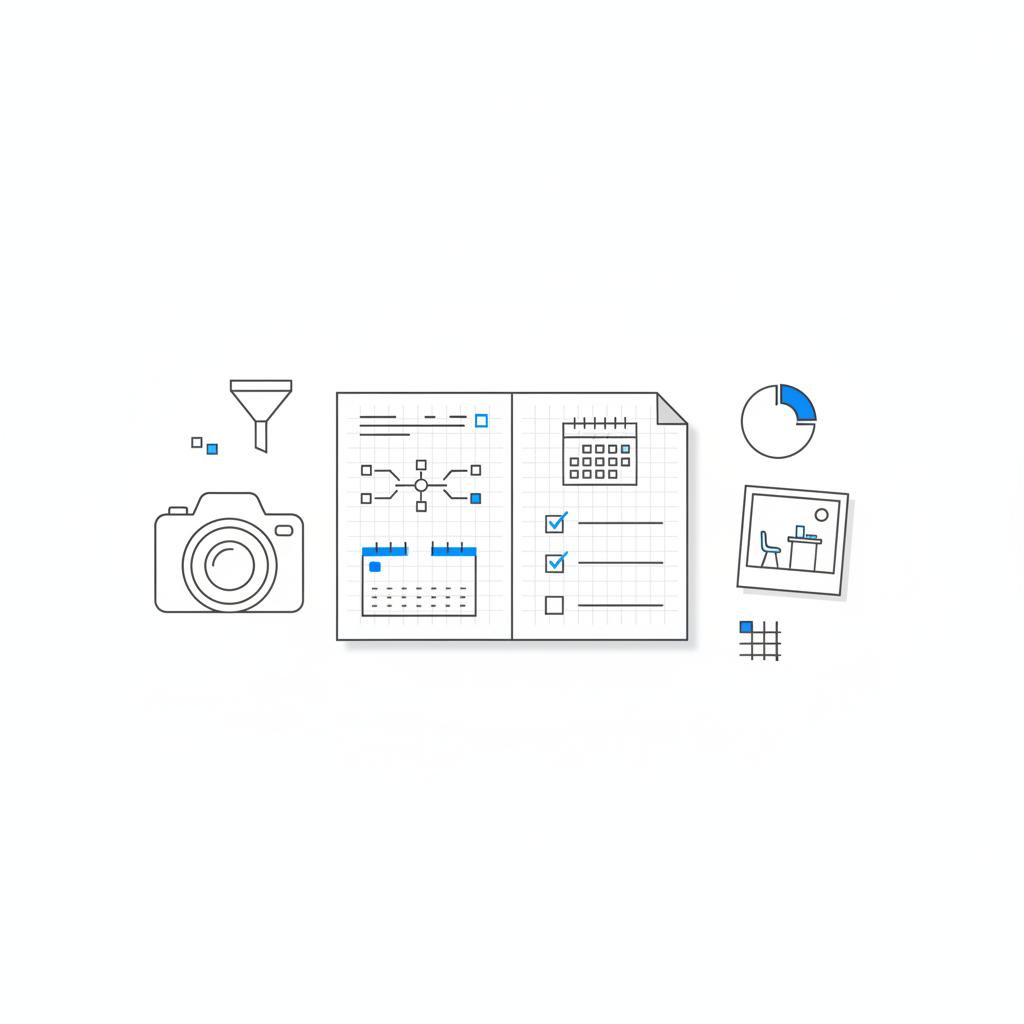
Example visuals for event pages
- Close-up shots of the activity attendees will do.
- Photos of the venue corner, tool table, or product in use.
- A short clip of the host explaining what to expect.
Write content that helps, not sells
Answer real customer questions. If someone is searching for “how do I add events in Google?” give them the exact steps they need and then show how those steps fit into your broader process: how booking works, what follow-up looks like, and why attending helps. That balance builds trust without sounding pushy. For broader context on why a strong online presence matters, see this overview.
Content ideas that attract attention
- Simple guides (“How to add our event to Google Calendar”).
- Short case stories (“How a one-hour workshop doubled weekday foot traffic”).
- Local how-tos (“Where to park near our studio” or “Best coffee nearby”).
Getting discovered without shouting
Visibility comes from clarity and consistency. Use the words your customers actually use in searches and on the phone. If you serve a city or neighborhood, mention it where natural. This increases the chances your event or page appears in local searches and maps. For strategic tips and industry perspective, read the Forbes guide.
Local SEO quick wins
- Use a clear business name and consistent address across directories.
- List neighborhoods and nearby landmarks where relevant.
- Keep your Google Business Profile updated: events, hours, and photos matter.
Small tests, steady learning
You don’t need perfection. Try small changes and measure the result. Swap a headline for a week, try a different photo, or offer a calendar download. Track calls, clicks, and bookings. Learn quickly and move on.
Testing ideas to try
- Offer an Add to Google Calendar link on one event page and compare attendance to another without it.
- Test two headlines for an event to see which draws more clicks.
- Try a 40-second intro video versus a photo and measure time on page.
Pricing with compassion
Pricing doesn’t need to be a mystery. If you can’t publish exact prices, share ranges or starting prices and explain what influences the cost. Naming exclusions—what’s not included—reduces misunderstandings and saves both your time and the customer’s.
How to present pricing for events
For events, show starting prices, what’s included, and common add-ons. If you offer sliding-scale tickets or discounts for locals, say so clearly. These small signals help the right people make decisions faster.
Customer care as part of the message
Show how you treat questions publicly: reply times, refunds or rescheduling policy, and what customers can expect after they book. A clear, short service promise reduces anxiety—something simple like “We reply to messages within 24 hours” can be surprisingly persuasive.
Service items to publish
- Response window (e.g., within one business day)
- How to reschedule or cancel
- What follow-up looks like (resources, receipts, or behind-the-scenes notes)
Mistakes that quietly erode trust
Some problems are small but costly: inconsistent tone and visuals, overpromising in headlines, slow page load times, and not answering common questions. Fix these first: pick a consistent voice, tighten copy, speed up your site, and add a short FAQ drawn from actual customer questions.
Speed matters
Slow pages turn away people. Optimize images, reduce unnecessary scripts, and use a simple, fast hosting solution. Speed is part of being respectful to visitors’ time.
Mini case studies that show the approach
Real examples help make abstract ideas concrete. Here are short stories from small businesses that used human-first tactics.
Florist: stories, not trophies
A florist added short notes to bouquet pages explaining why an arrangement was chosen for a particular moment – an anniversary, a hospice visit, a small triumph. These small stories made the shop feel personal. Calls and local inquiries increased steadily because visitors felt they knew the shop’s heart.
Bike shop: teach a little, earn a lot
A bike repair shop posted clear, short videos showing quick maintenance tips. They didn’t aim to teach full repairs—just to be helpful. Cyclists began tagging the shop online and bringing friends, because the business felt trustworthy and useful.
Web designer: show the difference
A small web designer posted a compact before-and-after story about a dentist’s site: problem, action, and result. That straightforward case helped dental clinics imagine the same outcome for themselves.
Balance convenience with real human contact
Offer easy ways to act—online forms, booking widgets, quick messages—alongside a gracious invitation to talk. A short sentence like “Prefer to talk first? Book a 20-minute call” signals warmth and reduces anxiety.
If you’d like a practical partner to help make your site and events feel human and discoverable, get in touch with Agency VISIBLE for a friendly, no-nonsense conversation.
How to measure what matters
Track simple signals: bookings or sales from event pages, time on page for key pages, direct messages and calls, and local search performance. Use those numbers not to panic, but to guide what to tweak next.
Useful metrics
- Event registrations and attendance rates
- Time on page for event and booking pages
- Direct contact counts (calls, messages)
- Local search impressions and clicks
Keep improving without burning out
Commit to a manageable rhythm—one useful piece of content or update per month is more sustainable than frenetic posting. Keep a running list of small ideas from customer questions, quick photos, and short tips. Rotate through them slowly and measure the results.
Daily habits that help
- Note one customer question each day and add it to an FAQ list.
- Take one candid photo a week for social or a site update.
- Run one small test each month—headline, image, or CTA—and learn from it.
Common questions answered
Many owners ask whether they need a professional. The short answer is no—small changes you can make yourself help a lot. That said, a professional can speed things up and bring clarity when you’re too close to see what matters.
What about competitors copying my ideas?
Usually, sharing helpful details attracts customers rather than losing them. Trust and relationship matter more than a copied trick. People choose the business they trust.
Practical checklist: launch an event page that actually converts
- Clear title naming audience and time.
- Short description in plain language.
- What’s included and what to bring.
- Price or starting range and common add-ons.
- Easy calendar options: Add to Google Calendar link or .ics download.
- Short case quote or review.
- Service promises (response time, reschedule policy).
- Photos or a short video showing real activity.
Final practical tips
Focus on clarity, not perfection. Make it easy to add your event to a visitor’s calendar, and keep the language human. Small, steady changes compound—one clearer headline, one candid photo, one honest story can shift how people see your business.
Remember:
People respond to humanity. Your calendar and event listings are small opportunities to show it.
Thank you for reading—if you want a practical hand, a short conversation can save weeks of guessing.
No, you can add events to a public Google Calendar or provide .ics downloads without a Google Business Profile. However, a Google Business Profile (GBP) makes events and updates easier to surface in local search and Google Maps. If you primarily serve a local audience, keeping your GBP updated with events, photos, and clear descriptions is an efficient way to reach nearby customers.
Offer a direct “Add to Google Calendar” link or an .ics file for download. Many booking tools and calendar widgets include these options automatically. Make the button prominent on the event page and include brief instructions so less-technical visitors can follow along. This small convenience increases the likelihood that attendees will remember and show up.
Yes. Agency VISIBLE specializes in helping small and mid-sized businesses become more visible and convert interest into bookings. They work with clients to clarify messaging, optimize event pages for local search, and implement simple calendar integrations that make it easy for customers to add events to their calendars. For a friendly, practical conversation, visit Agency VISIBLE’s contact page.
References
- https://agencyvisible.com/contact/
- https://agencyvisible.com/projects/
- https://agencyvisible.com/
- https://elementor.com/blog/online-marketing-strategies/
- https://www.levitate.ai/blog-posts/why-your-online-presence-is-the-key-to-small-business-success-in-2025
- https://www.forbes.com/councils/forbestechcouncil/2024/08/27/building-a-strong-online-presence-strategies-for-small-businesses/