How can I use AI to grow my roofing company?
Practical, real-world steps you can try this month to save time, win higher-quality jobs, and get more done with the same crew.
Roofing is a hands-on trade, but many of the biggest margin wins come before a ladder is propped against a house. That’s where the question “how can I use AI to grow my roofing company” becomes practical, not theoretical. This guide shows specific tools, exact tests you can run, and the metrics to watch so you don’t guess – you measure.

Why AI matters for roofers
AI isn’t a futuristic replacement for crews; it’s a set of tools that make your people more effective. When you ask “how can I use AI to grow my roofing company,” you’re really asking how to reduce wasted drive time, get better leads, speed up estimates, and keep crews working more hours on the roof. These are measurable levers that translate directly into profit.
Key outcomes AI can deliver: lower cost-per-lead, faster and more accurate estimates, higher technician utilization, and fewer missed appointments. Later sections give scripts, checklists and a 60-day playbook so you can test each idea without disrupting operations.
Core use cases every roofing owner should try
1) AI lead generation and local intent targeting
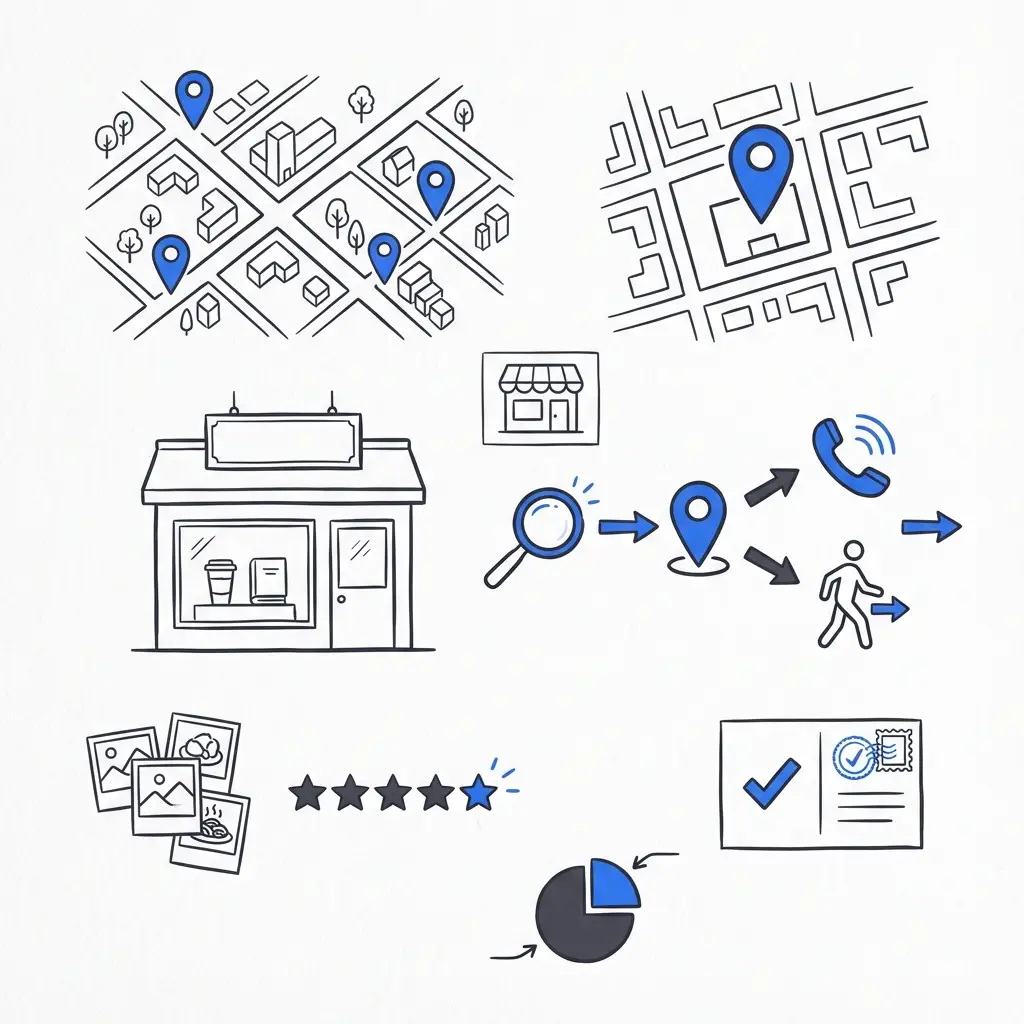
The simplest place to start answering “how can I use AI to grow my roofing company” is lead quality. AI-guided ad platforms and campaign managers can shift budget toward neighborhoods, keywords and times of day that produce higher close rates. Instead of manually adjusting bids across dozens of campaigns, an AI system tests small creative and audience variations and reallocates spend to the winners.
How this reduces waste: you stop paying for clicks from people who aren’t looking for a roofer today. How it increases revenue: more qualified inquiries convert at higher rates and have larger average job values. For ethical outreach best practices, see this guide on post-storm marketing: Post-Storm Roofing Marketing.
What to test in a lead pilot
Run a focused campaign in 2–3 zip codes. Define a qualified lead: job size, desired roofing material, and homeowner readiness. Let the system run for 30–60 days and compare the results to similar zip codes running your usual ads.
Tip: Use call-tracking and simple lead scoring rules (phone answered, estimate scheduled, job size estimated) so you can compare apples to apples.
2) Aerial and satellite roof measurement with AI estimating
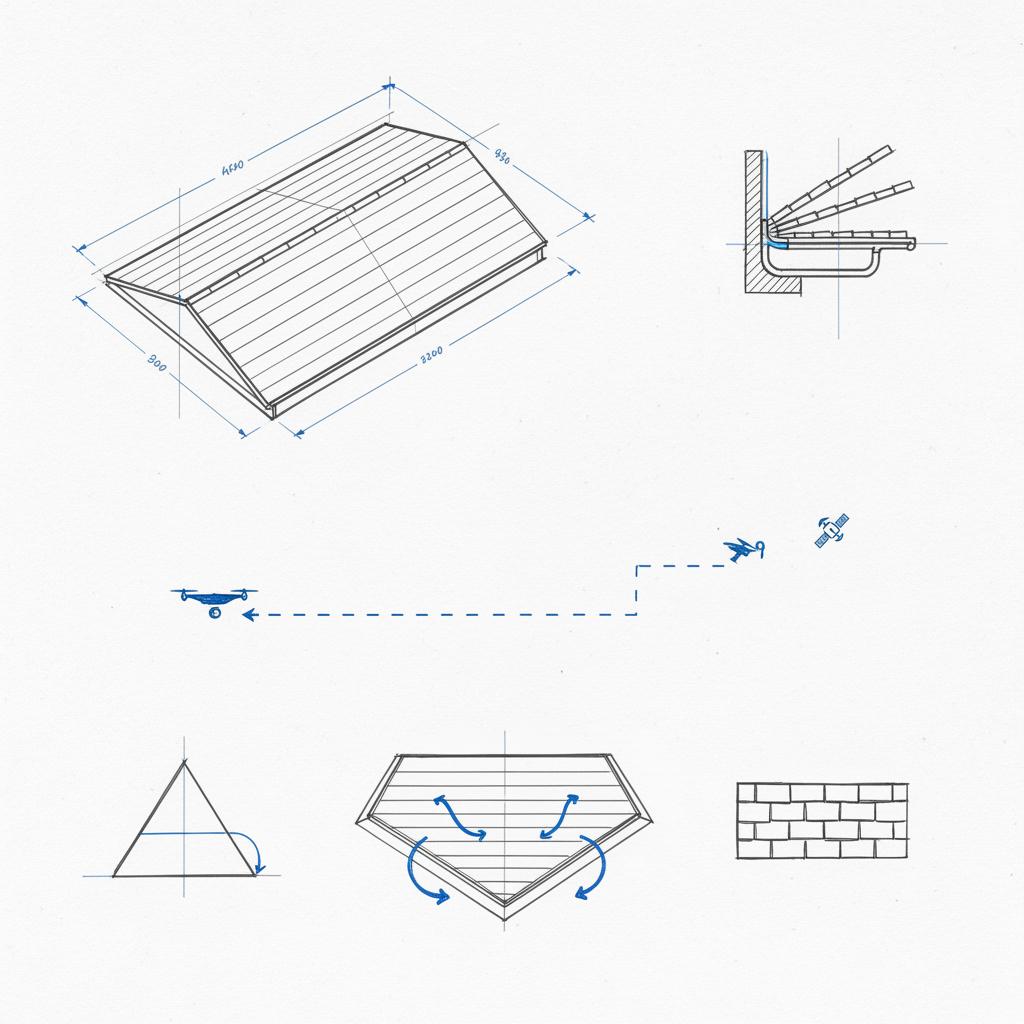
When owners ask “how can I use AI to grow my roofing company,” a frequent answer is: make estimating faster and more consistent. Drone or satellite imagery analyzed by AI yields roof dimensions, pitch estimates and material lists quickly. That means fewer time-consuming on-site measurements and more quotes in less time.
AI-based measurements aren’t perfect for every complex roof, but they’re accurate enough for initial quotes when paired with a final on-site verification for edge cases. Many contractors see their quoting volume increase sharply because an estimator can produce an initial bid from the office.
Practical workflow
Collect imagery for the property, run it through an AI measurement tool, generate a materials list and a labor-hours estimate, then schedule an on-site confirmation only when the estimate requires adjustments or the homeowner requests a walkthrough.
3) Scheduling and dispatch automation
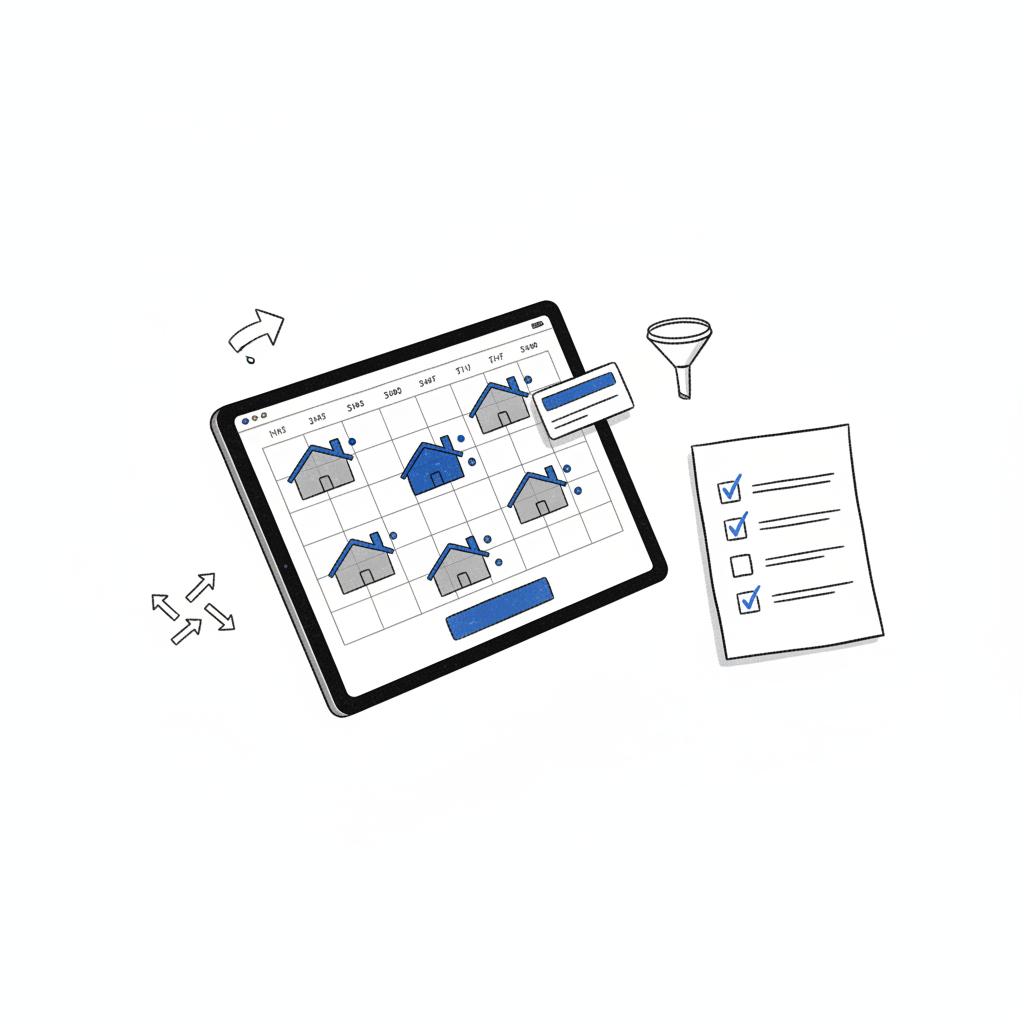
Time on the roof is revenue. When you ask “how can I use AI to grow my roofing company,” think about how much of your crew’s day is spent driving or waiting for parts. AI-driven dispatch tools learn job durations, factor in travel time and crew skills, and build routes that minimize drive time while maximizing productive hours.
Result: more billed hours, fewer schedule gaps and happier technicians. Companies that implement smart dispatch often find they can add one or two jobs a week without hiring.
4) Marketing automation and conversational AI
AI chatbots and marketing automation keep the conversation going after the first contact. A homeowner who clicks a roof ad at 9pm doesn’t need to wait until morning—an automated system can qualify the lead, answer basic questions, capture photos, and even book an estimate.
That flow alone answers the practical part of “how can I use AI to grow my roofing company”: increase contact rates, reduce lost leads, and move qualified prospects into scheduled estimates faster. For examples of AI voice agents delivering measurable results, see this write-up on voice agents for roofers: AI Voice Agents for Roofing.
5) AI for estimating accuracy and consistency
Different estimators often produce different bids for the same roof. AI introduces consistency by applying the same measurement rules and pricing logic to every quote. That leads to fairer, more predictable margins and reduces disputes over materials lists and labor hours.
Make AI estimating work for you
Standardize markup rules, material costs, and common labor tasks in the AI tool. Treat the AI estimate as the first pass; let an experienced estimator confirm any unusual details.
Which KPIs actually matter
Too many metrics muddy decision-making. Focus on a short KPI list that ties directly to revenue and costs:
Essential KPIs:
– Cost-per-lead (CPL)
– Lead-to-booking rate
– Average job value
– Close rate
– Technician utilization (productive hours divided by paid hours)
– Drive-time per job
Run pilots for 60–90 days so the models stabilize and results smooth over weekly weather or calendar changes. Compare pilot areas to control areas for a clear read on impact.
A phased rollout: audit, pilot, measure, scale
Implement AI incrementally to keep risk low. Here’s a phased plan most roofers can follow:
Phase 0 — Audit your data and operations
Before asking “how can I use AI to grow my roofing company,” look inward. How clean is your CRM? Do you have reliable job-value history? Which systems have open APIs? An honest audit identifies integration gaps that can stop a pilot cold.
Phase 1 — Small pilot
Pick a single use case (lead generation, aerial measurement, or dispatch) and limit it to a geographic area or one crew. Set KPIs, run the pilot for 30–60 days, and keep humans in the loop to catch errors.
Phase 2 — Measure and iterate
Use the next 30 days to analyze results, collect staff feedback, and tweak configurations. If the pilot improves KPIs, broaden the rollout step-by-step. If not, diagnose whether it’s data quality, staff adoption, or model maturity.
60–90 day playbook: a practical checklist
Here’s a two-month playbook you can follow to test the ideas above and collect actionable data.
Week 1: Baselines and goals
Gather current metrics: leads per week, close rate, average job value, technician utilization and drive time. Document processes for lead intake, estimating and dispatch so you can compare before and after.
Weeks 2–4: Launch pilots
Lead gen pilot — AI-assisted campaigns in 2–3 zip codes with defined qualified-lead rules.
Estimating pilot — one estimator uses aerial imagery and AI estimates for qualifying jobs over a set dollar threshold.
Dispatch pilot — one crew uses automated scheduling for 4 weeks and a similar crew remains on the legacy schedule for comparison.
Tip: If you want help running these pilots without getting bogged down, consider a short planning conversation with our team at Agency VISIBLE—they’ve run comparable tests with small roofers and can help define realistic KPIs.
Weeks 5–8: Monitor, tweak, and decide
Hold weekly check-ins with field teams and office staff. Compare KPIs to the control group. If a pilot shows positive lift, plan a staged rollout. If not, gather feedback and decide whether to iterate or stop.
Common pitfalls and how to avoid them
Most failures come from operational issues, not broken models. Here are the usual traps and how to avoid them.
Messy data
If customer records are inconsistent, AI learns the noise. Clean your CRM fields, standardize job categories and ensure historical job values are accurate before training anything.
Missing integrations
Manual copying from one system to another creates errors and staff resistance. Prefer vendors that export data and integrate with common CRMs and scheduling tools. See examples of our work and integrations on the projects page: Agency VISIBLE projects.
Staff resistance
Change daily routines gradually. Start with a small win that saves time for the person actually using the tool—estimators love faster quotes, crews like clearer schedules. Demonstrate the benefit, then expand.
Privacy and compliance
Understand local drone and satellite imagery rules and ensure vendors follow security best practices for customer data. A brief homeowner script about data handling prevents misunderstandings.
Money, time, and expected returns
Plan for modest pilot budgets. A focused test often costs a few thousand dollars plus a few hours a week of staff time. If a lead-generation pilot drops CPL by 20% and raises close rate even a few points, the combined effect typically covers the pilot cost quickly.
Example: a pilot that cuts on-site measurement time by 50% doubles an estimator’s quote capacity, often turning the cost of drone services into net new revenue within weeks.
Vendor selection: what to ask
Whether you buy a service or build in-house, pick vendors that:
– Provide clear data export options and API access
– Share privacy and security policies
– Have experience in construction or field services
– Offer flexible pricing so you can pilot without heavy commitments
A practical vignette: a 60-day experiment that worked
One small regional roofer with four crews ran a focused test: AI-assisted ads in two zip codes, drone estimates for medium to large leads, and an automated dispatch pilot for one crew. Within 30 days the firm saw better qualified calls and fewer wasted estimator hours on the road. By day 60, CPL in pilot areas fell and average job size climbed slightly because leads were better qualified. They expanded successful pilots with minor adjustments.
Frequently asked owner questions
Will AI replace my people? No. The right answer to “how can I use AI to grow my roofing company” is that AI makes people more effective—estimators produce more accurate bids, sales reps close better, and crews spend more time working.
Do I need expensive software? Not always. Many solutions are SaaS apps or services with monthly pricing. Start with a small pilot to validate ROI before committing to long-term contracts.
How fast will I see results? Look for early signals in weeks; stable, reliable results usually need 60–90 days.
Run a focused lead-generation pilot in two nearby zip codes using AI-assisted ad targeting and simple lead scoring. Track cost-per-lead and lead-to-booking rate for 60 days and compare with neighboring areas as a control—this reveals whether AI improves the quality and ROI of incoming calls.
Run a focused lead-generation pilot in two nearby zip codes using AI-assisted ad targeting and simple lead scoring. Track cost-per-lead and lead-to-booking rate for 60 days and compare with neighboring areas as a control—this reveals whether AI improves the quality and ROI of incoming calls.
That question tag above is a placeholder for a fresh, human question that captures the reader’s curiosity and sets up a short, punchy answer—use it to surface the most interesting owner concern in your content management system.
Small changes, big cumulative impact
The power of AI for roofing isn’t one dramatic change. It’s many small improvements that compound: slightly better ad targeting, slightly faster estimates, slightly higher technician utilization. Together those tweaks add up to meaningful margin improvement.
Real-world tips to get started this week
– Pick one use case and one geographic area to test.
– Define baseline KPIs and tracking methods.
– Run the pilot for at least 60 days and compare against a control group.
– Keep human oversight and weekly check-ins with crews and office staff.
– Be ready to iterate: sometimes the solution needs better data or staff training.
What success looks like
Common wins we see:
– 20% lower cost-per-lead in pilot zones
– 30–50% reduction in on-site measurement time for qualifying jobs
– 5–15% increase in technician utilization after dispatch optimization
Those are realistic, not promises. Measure each pilot and expand the ones that work.
How to calculate ROI for an AI pilot
Use a simple formula: incremental revenue + labor savings – pilot cost = net gain. Track monthly impact before scaling. Example calculation sections and templates are helpful here—capture data in a shared spreadsheet so decision makers can review without hunting through emails.
Working with vendors vs. building in-house
Outsource if you want speed and low technical overhead. Build in-house if you plan to scale aerial measurement to every lead and have the capacity to maintain workflows. Many roofers choose a hybrid approach: vendor for imagery and a tool for scheduling that integrates with their CRM. For additional notes on lead-generation automation strategies, see this overview: Lead Generation Automation for Roofers.
Final checklist before you start
– Clean critical CRM fields
– Agree on a small KPI set
– Choose a pilot area and timeframe (60–90 days)
– Train one estimator or one crew to use the new tool
– Plan weekly check-ins
Closing recommendation
If you’re wondering “how can I use AI to grow my roofing company,” the best first step is one small pilot. Pick the use case that hurts the most today—wasted leads, slow estimates or poor scheduling—and test a contained solution for 60 days. Measure, iterate and scale what works. To learn more about our services and agency perspective, visit Agency VISIBLE.
Start a low-risk 60-day AI pilot for your roofing company
Ready to test an AI pilot for your roofing business? Start with a short planning call to define KPIs and a 60-day test you can run without disrupting operations: Get a planning call.
Resources and next steps
Below are quick next steps you can implement in the next 30 days: choose a pilot, document baselines, assign a point person, and schedule weekly reviews.
AI won’t fix weak processes, but it amplifies strong ones. Use it to make your estimating consistent, your ads smarter and your crews busier. Measured carefully, small AI investments can produce reliable, repeatable gains that improve margins and free owner time to focus on growth.
No. AI is a tool that amplifies human work. It speeds up estimates, improves lead quality and reduces drive time so your crews spend more hours on the roof. Human judgment remains essential for complex jobs and customer relationships.
Expect early signals within a few weeks, but plan for 60–90 days to get stable, reliable measurements. That window lets machine-learning systems adapt and smooths out seasonal or weather variability.
Not necessarily. Many services and SaaS tools let you run small pilots without heavy capital investment. Outsource imagery or measurement to vendors for a few months to validate value before buying equipment.
References
- https://marketwiz.ai/post-storm-roofing-marketing-ethical-lead-generation/
- https://www.openmic.ai/blog/transform-your-roofing-business-with-ai-voice-agent-in-2025
- https://risemarketinggroup.net/lead-generation-automation-for-roofers-2025/
- https://agencyvisible.com/contact/
- https://agencyvisible.com/projects/
- https://agencyvisible.com/